

Antique Silver Desk Novelty
These antique silver desk novelties turn everyday writing and stationery tasks into whimsical statements, combining utilitarian function with playful animal, vehicle and object forms.
Antique Silver Desk Novelty
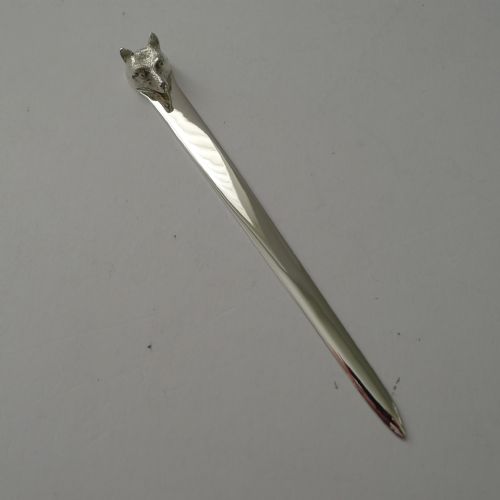
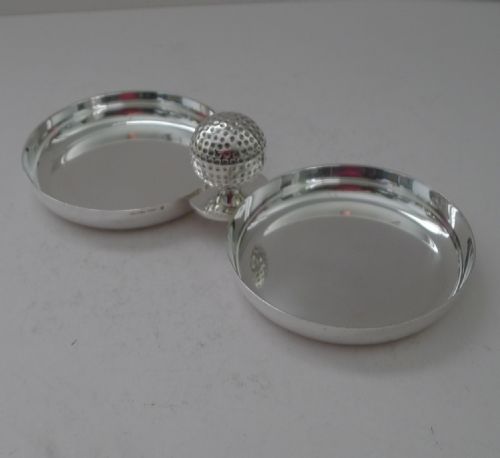
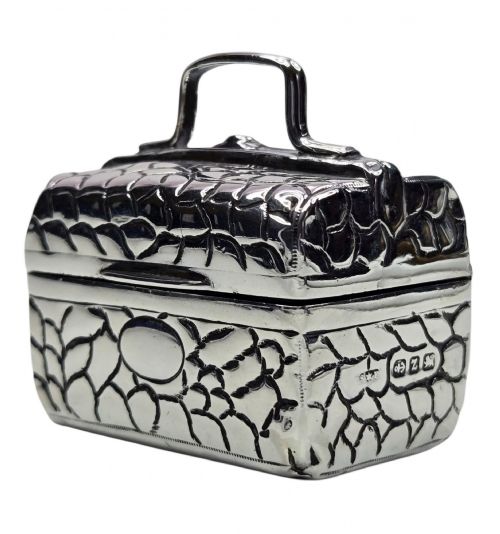
When you search for an antique silver desk novelty, you encounter a diverse array of functional workspace objects shaped as animals, boots, bells, canoes and books. These pieces span the Victorian, Edwardian and Art Deco periods, reaching from the late nineteenth century through to the interwar years.
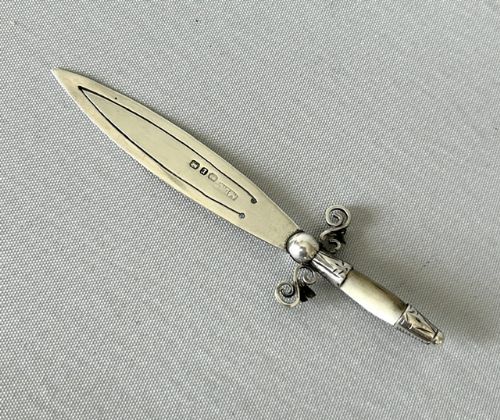
The most common forms on this page include inkwells, desk clips, pin cushions, letter openers, wax seals and table lighters. Makers transformed mundane desk accessories into humorous or surprising conversation items.
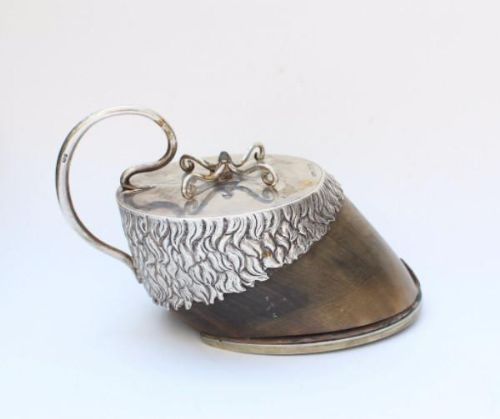
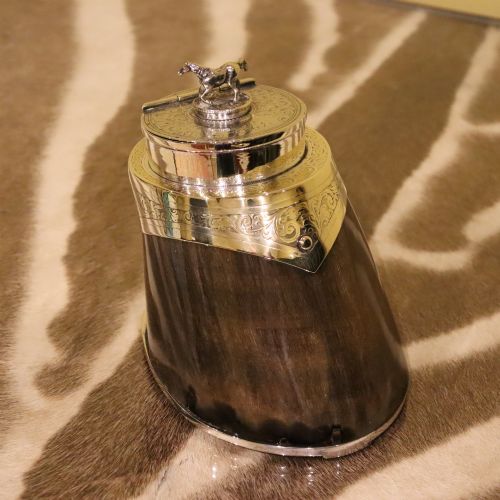
Materials extend beyond sterling silver to incorporate silver plate, glass, horn, velvet, brass, mother-of-pearl and taxidermy horse hoof, reflecting the eclectic tastes of period makers.
Materials and construction
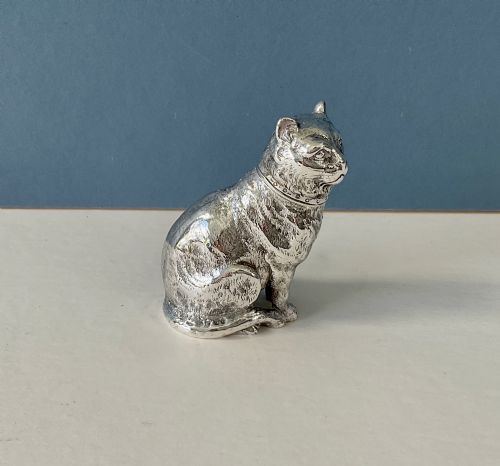
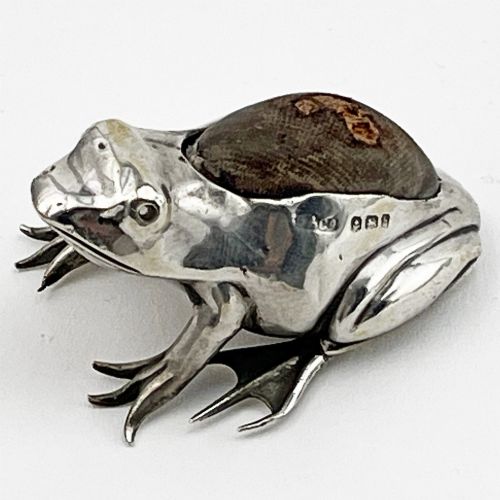
Silversmiths constructed these pieces primarily in sterling silver and silver plate, utilising casting, chasing and engraving techniques to achieve realistic textures on animal forms like frogs, cats, owls and crocodiles.
Many objects combine metal with organic elements such as tortoiseshell, horn, mother-of-pearl and taxidermy, demanding specialist joining methods to secure fragile materials within rigid silver mounts.
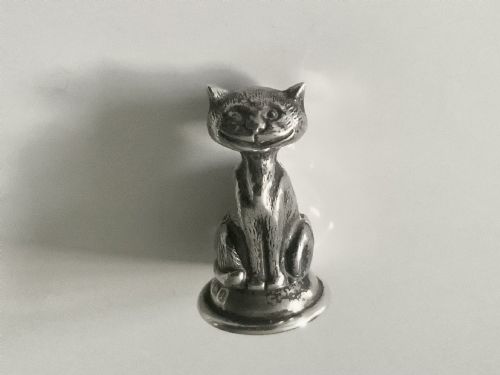
Desk ornaments range from taxidermy horse hooves and Cheshire cats to hatching chicks.
What separates the finest examples
Quality rests in the fidelity of the sculptural modelling and the crispness of the chased detail, distinguishing a generic container from a sharply realised animal or object.
The integration of function marks the better pieces, where opening mechanisms, hinged lids and paper clips operate smoothly without disrupting the sculptural illusion of the novelty form.
Sampson Mordan & Co·Crisford & Norris·Braham·Asprey
The Antique Silver Desk Novelty Glossary
- Sterling silver
- A silver alloy containing 92.5 percent pure silver by mass, with the remainder consisting of other metals like copper for durability.
- Wax seal
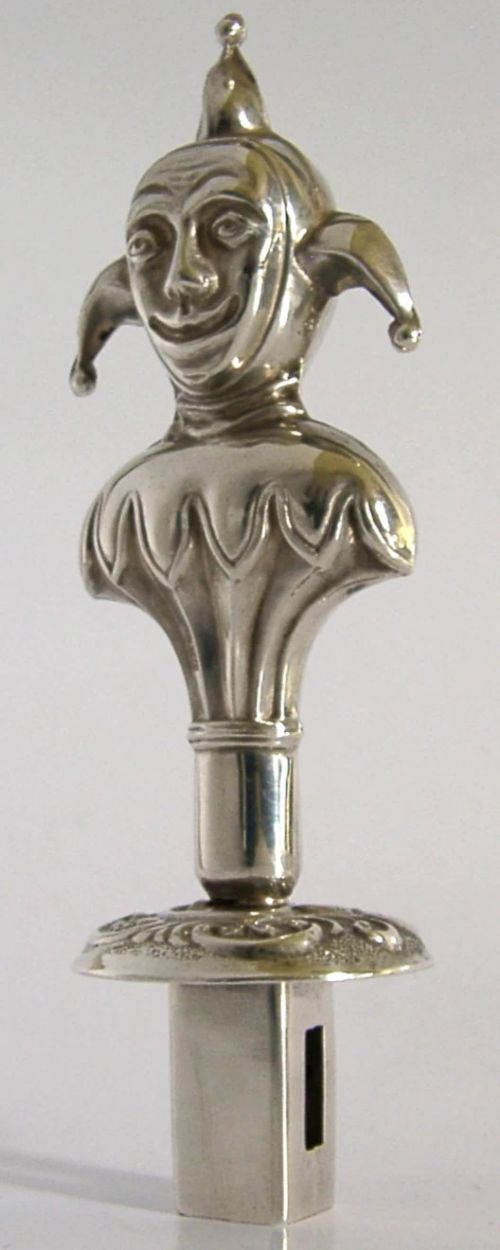
- A small handheld implement with an engraved matrix used to impress a design into molten sealing wax, often formed as an animal or jester.
- Pin cushion
- A small stuffed pad housed within a silver novelty framework, such as an insect, bird or vehicle, designed to hold sewing pins on a desk.
- Table lighter
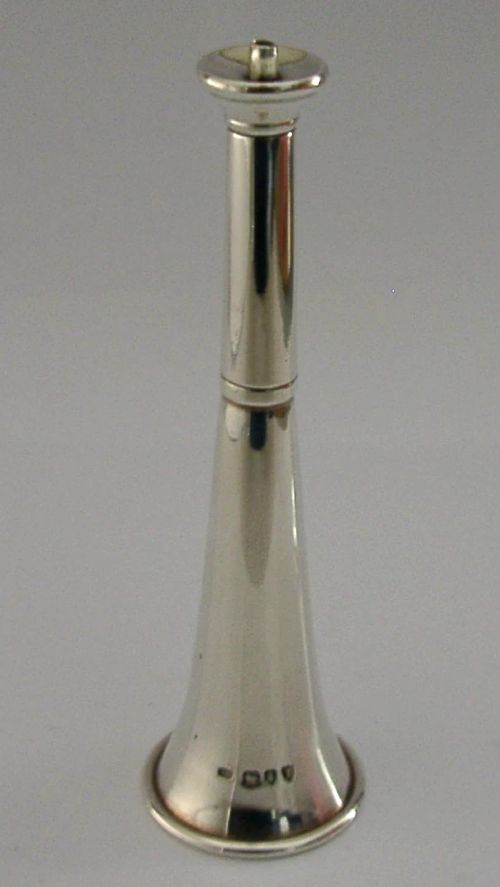
- A freestanding mechanical device for producing a flame, frequently produced in imaginative shapes such as hunting horns, canoes or oil lamps.
- Desk tidy
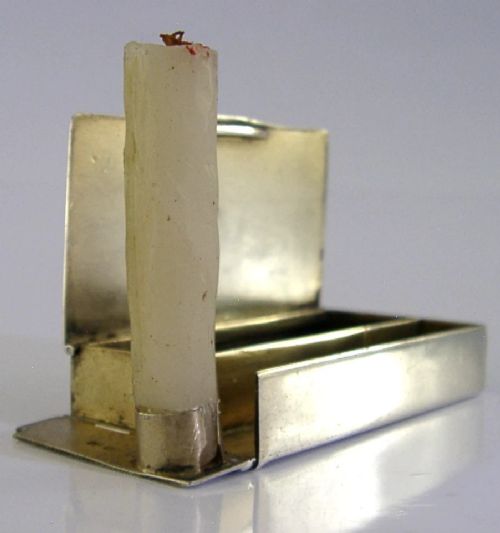
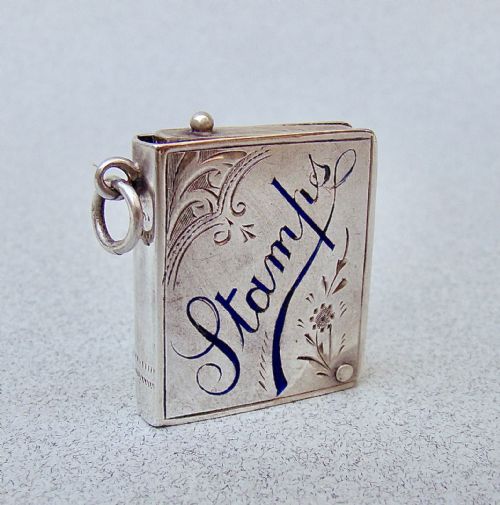
- A combined desktop accessory designed to hold stationery items like stamps, paper clips and pens in an organised manner.
Antique Silver Desk Novelty: Frequently Asked Questions
What were antique silver desk novelties used for?
They served practical functions on writing desks, operating as inkwells, stamp cases, pen wipes, paperweights and letter openers while adding decorative amusement to the workspace.
Owners utilised them daily for correspondence and desk management, relying on the clever mechanical or lidded designs to keep ink contained and small stationery items organised.
How do I date a silver desk novelty?
Dating relies on the hallmarks stamped into the metal, which indicate the assay office, the specific year letter and the maker's mark.
Stylistic cues such as Victorian ornamentation, Edwardian naturalism or Art Deco geometric lines also help place the piece within a broad historical period.
How should I display a desk novelty?
They suit placement on a traditional desk, side table or bookshelf where their sculptural forms and miniature details can be examined closely.
Keeping them away from direct sunlight and handling them with clean hands preserves the silver surface and any fragile organic components like tortoiseshell or velvet.