


Antique Silver Chronograph
An antique silver chronograph combines precise time-measurement with the enduring weight of precious metal, offering a satisfying piece of mechanical history.
Antique Silver Chronograph
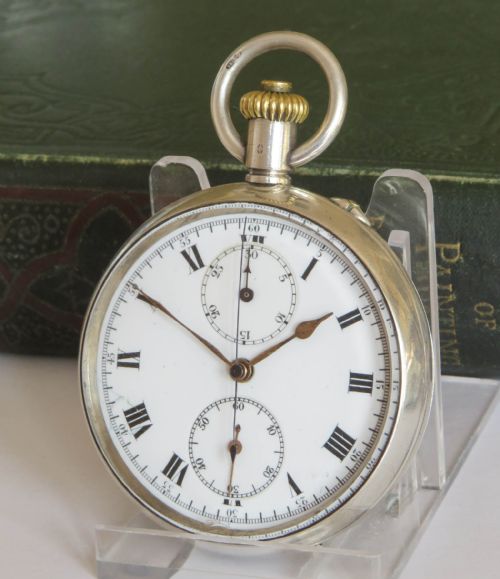
When you search for an antique silver chronograph, you are looking at timepieces designed to measure elapsed intervals alongside the standard hour and minute display. These intricate instruments span from Victorian pocket watches to mid-century wristwatches, capturing decades of mechanical development.
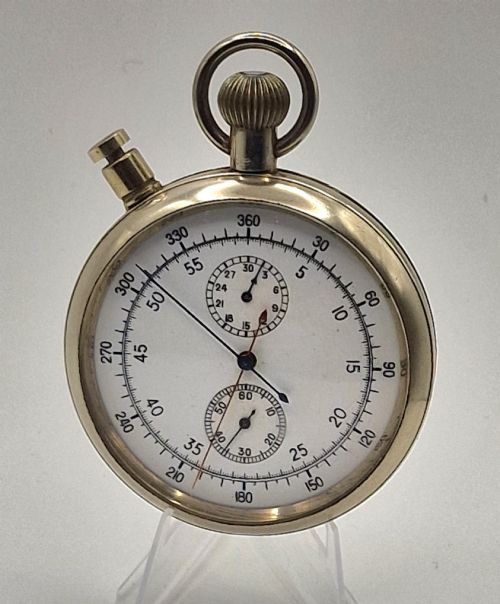
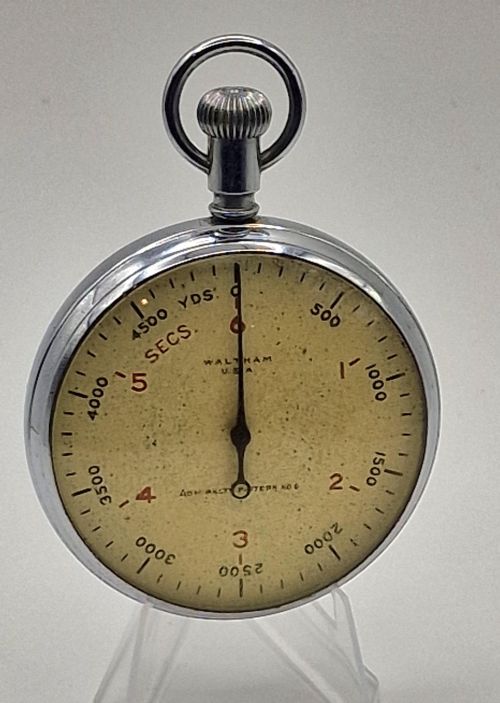
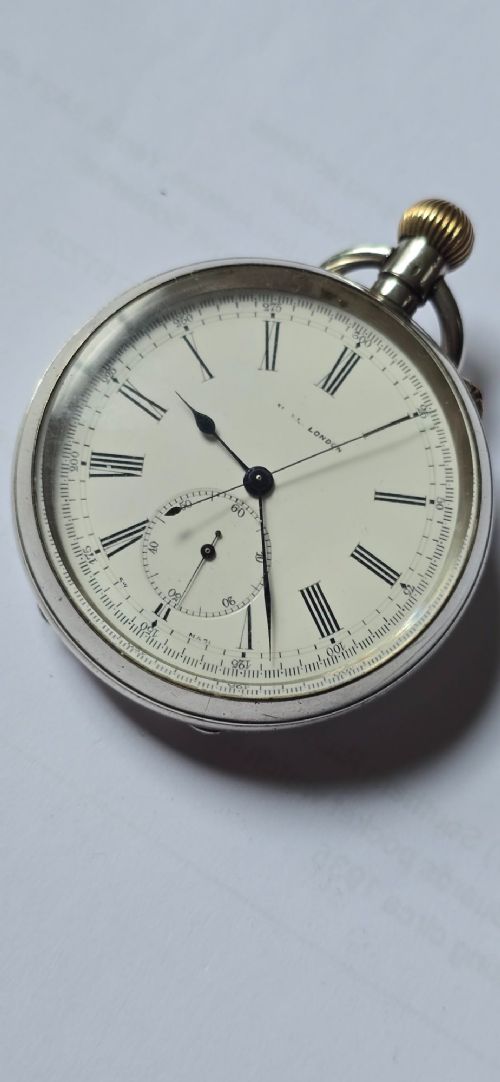
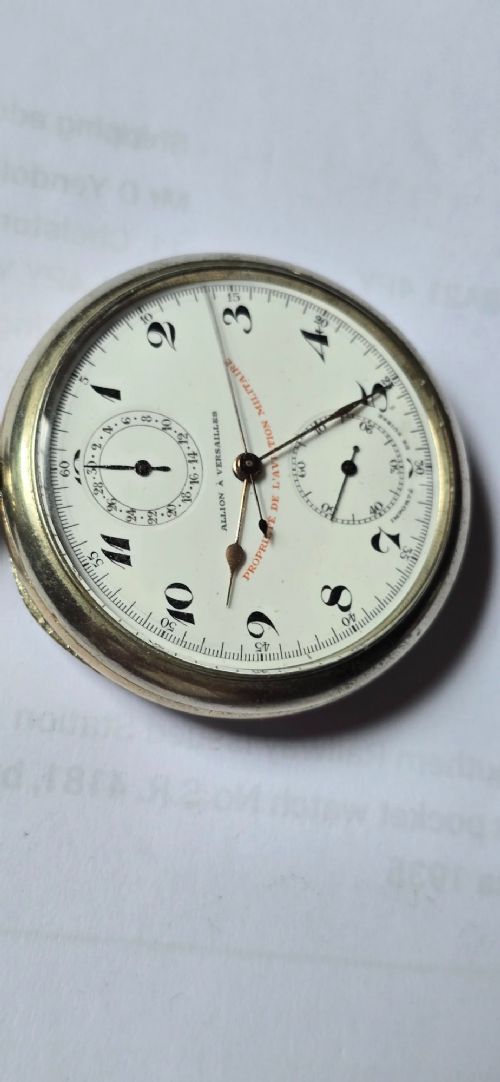
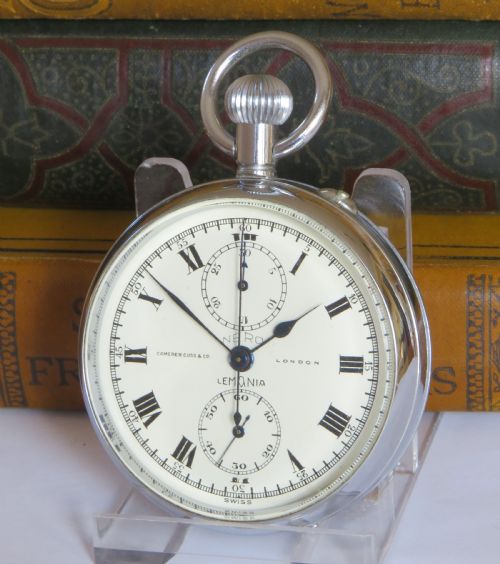
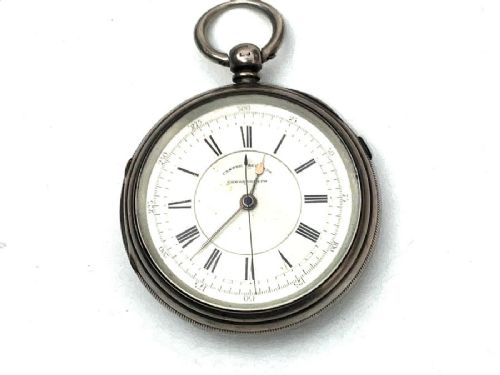
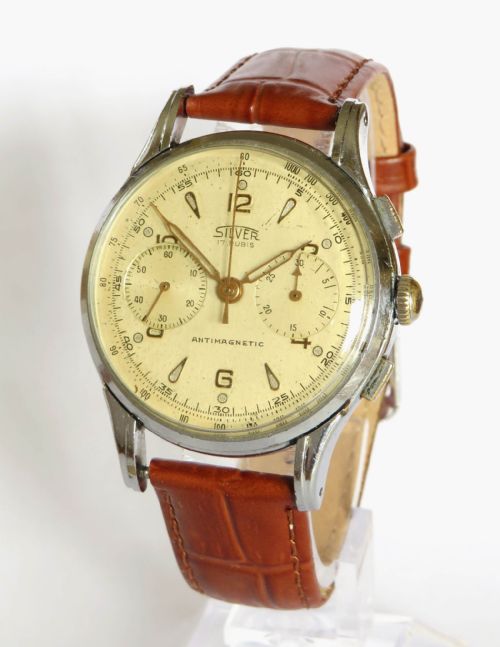
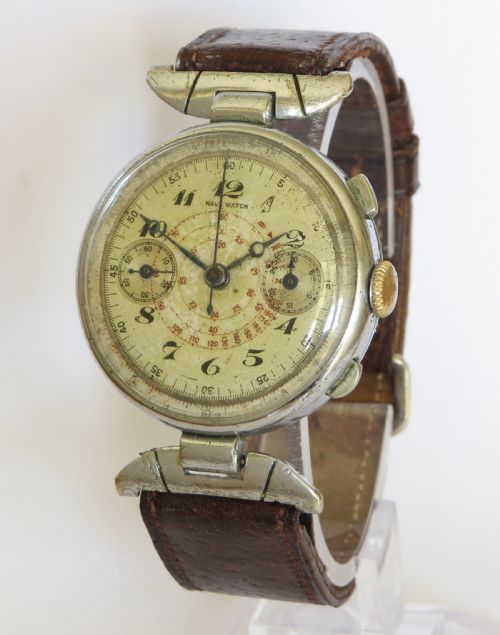
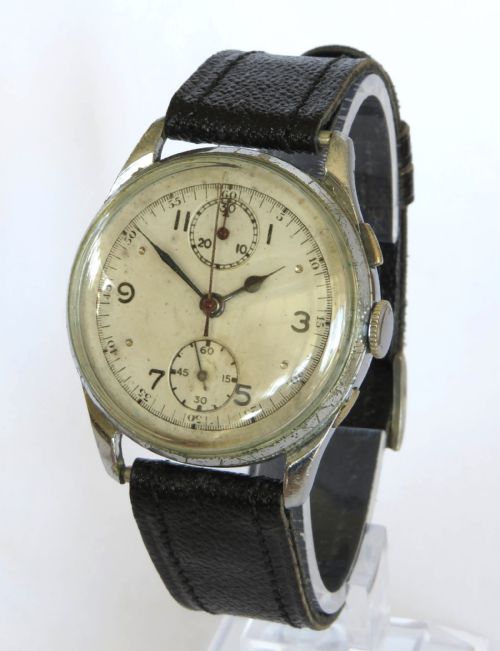
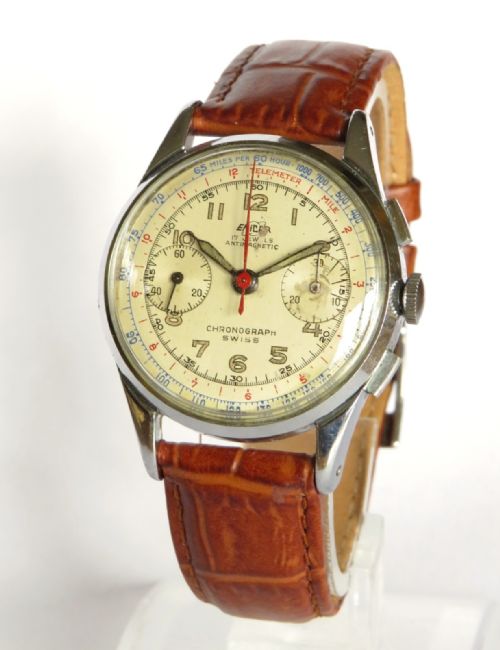
The versions you are most likely to meet on this page include pocket watches and deck watches housed in silver cases, often featuring subsidiary dials and split-second mechanisms. These items reflect both civilian precision timing and military utility from eras ranging from the late nineteenth century through the mid-twentieth century.
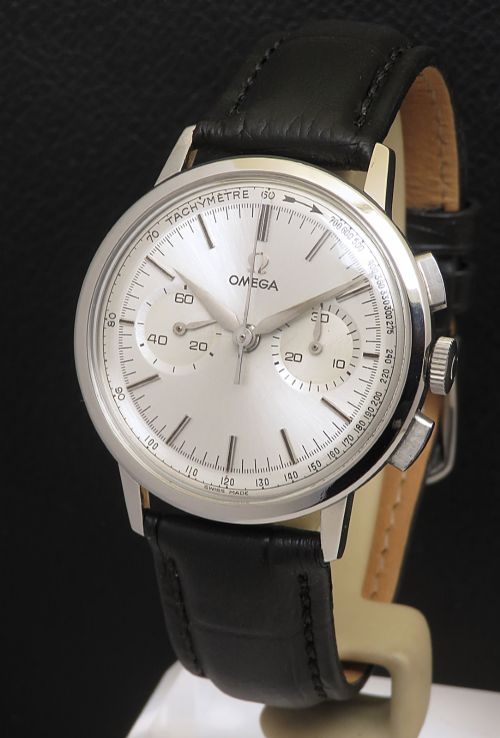
Many of these pieces bear the hallmarks of distinct historical periods, moving through Edwardian elegance and World War I military issue into the robust designs of the 1940s and 1950s. Their forms vary from traditional pocket watches to early aviator and naval wristwatches utilising specialised chronograph movements.
What varies in quality
The sophistication of the movement largely defines the tier of a chronograph, distinguishing standard utility pieces from high-grade split-second deck watches. Finer examples incorporate complex complication work, such as rattrapante mechanisms, executed by established watchmakers.
The condition and legibility of the enamel dial alongside the integrity of the silver case contribute heavily to the overall character of the piece. Crisp hallmarking, well-preserved case symmetry, and complex signed movements indicate superior manufacture.
Early military aviators frequently strapped bulky pocket watches to their thighs because wristwatches were not yet robust enough for cockpit duties.
Allion of Versailles·Richard Richardson·Nero Lemania·Hahn Landeron·Venus·Enicar·Beltane·Chronographe Suisse·Omega·Breitling
The Antique Silver Chronograph Glossary
- Chronograph
- A watch or timepiece equipped with a mechanism to measure short elapsed intervals of time independently of its normal timekeeping.
- Split-seconds
- A chronograph complication featuring two superimposed sweep second hands that can operate independently to time multiple events simultaneously.
- Enamel dial
- A watch face created by fusing powdered glass to a metal substrate at high heat, providing a glossy and permanent white surface for painted numerals.
- Column wheel
- A rotating pillar-shaped component in a traditional chronograph movement that coordinates the start, stop, and reset functions with high mechanical precision.
- Deck watch
- A precise portable timepiece used for navigation aboard ship, often stored in a fitted wooden box before being brought to the deck for observations.
- Hallmark
- An official stamp applied to silver items to guarantee the purity of the metal, the maker, and the year of assay.
Antique Silver Chronograph: Frequently Asked Questions
What is an antique silver chronograph?
An antique silver chronograph is a mechanical timepiece housed in a silver case that includes a stop-start function for measuring elapsed time. These pieces range from large pocket watches to wristwatches produced from the Victorian era through the mid-twentieth century.
They combine the decorative appeal of precious metal with complex gear systems designed for precise timing tasks in navigation, aviation, and military operations.
How do you operate a vintage chronograph?
Operating these vintage mechanisms involves using pushers fitted to the case to start, stop, and reset the central timing hand. On split-second models, an additional pusher controls the second timing hand.
Care must be taken with older movements, operating the pushers firmly and avoiding forced movements to preserve the delicate internal levers and column wheels.
How can I tell the period of a watch?
Dating these timepieces involves examining the style of the case, the typography on the enamel dial, and any hallmarks stamped into the silver. Military issues often carry specific broad arrow marks or service numbers that tie them to particular conflicts.
Internal movement signatures and reference numbers also provide clear clues to the decade of manufacture, linking the watch to periods like World War I or the 1940s.
Were all chronographs used for military purposes?
While many surviving examples served in naval, military aviation, and artillery units, a substantial number were produced for civilian professionals and sports timing. Royal Navy and German Kriegsmarine pieces share space with civilian aviator watches and general pocket chronographs.
The dial markings and issue stamps usually indicate whether a piece saw active service or belonged to a commercial buyer.
How should I care for an antique silver watch?
Living with these mechanical items requires gentle handling, regular winding if worn, and protection from moisture and heavy impacts. Silver cases naturally develop tarnish over time, which can be gently polished with a soft cloth while avoiding the watch crystal and dial.
Periodic servicing by a specialist horologist ensures the internal oils and gear trains remain in sound working condition.