



Antique Silver Centerpiece Tray
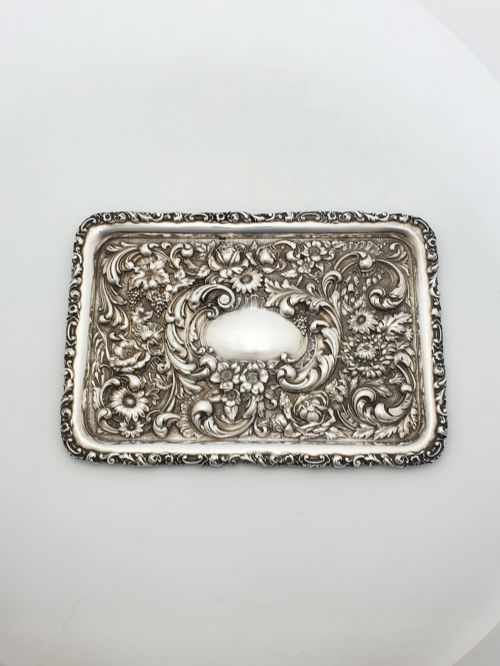
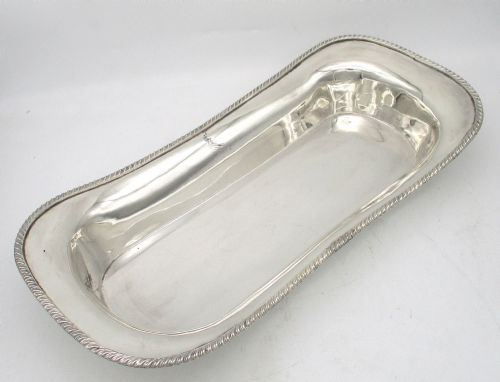
An antique silver centerpiece tray anchors a formal table, catching the light beneath a display of fruit or flowers.
Antique Silver Centerpiece Tray
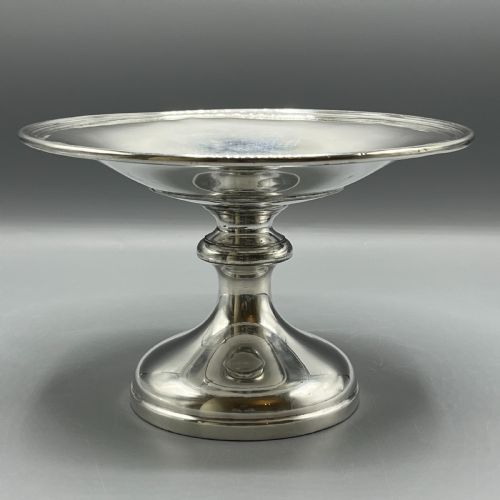
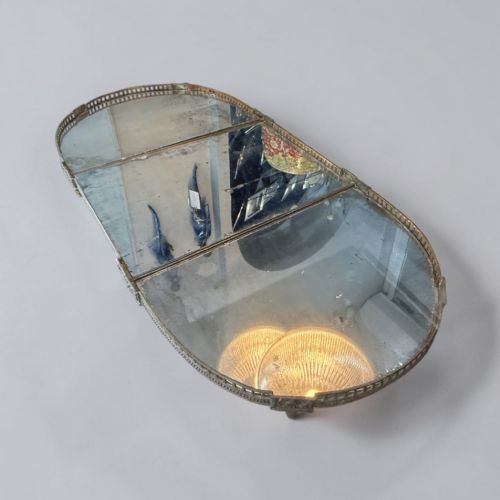
An antique silver centerpiece tray serves as a grand table focal point, uniting various tableware elements into a cohesive display. Collectors encounter substantial mirrored plateaus designed for tablescapes alongside handled baskets and platters intended for bread or fruit.
The pieces span several decades and stylistic movements, reaching from Georgian craftsmanship through Victorian naturalism to Edwardian and Art Deco designs. French examples sit alongside English creations from provincial and capital assay offices.
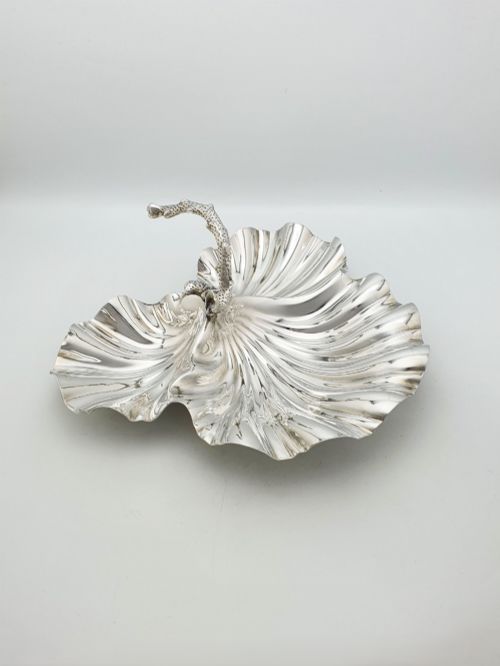
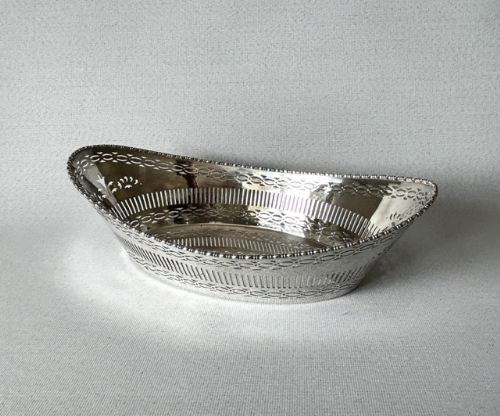
Forms vary from flat mirrored surfaces framed in ornate metal to deep serving vessels with pierced borders and shell motifs. Each variant reflects the dining customs of its specific period, whether for formal banquets or afternoon gatherings.
Materials and construction
Silversmiths utilised sterling silver and heavy silver plate over base metals, employing techniques like chasing, repoussé, and piercing to achieve complex floral and geometric reliefs. Hammered pewter surfaces show the distinctive hand of the artisan in arts and crafts pieces.
Mirrored glass inserts provide reflective bases for table plateaus, while applied handles often incorporate organic shapes like coral or stylized foliage. Makers integrated cast metal mounts with spun or beaten body sections to construct durable serving vessels.
Antique Silver Centerpiece Tray Retail Price Guide 2026
Typical asking prices for silver centerpiece tray among the pieces listed under this phrase on Sellingantiques today, from the lower quarter to the upper quarter. They describe what is for sale here now, not the wider market.
Listings feature items from the Georgian period through the Victorian and Edwardian eras up to Art Deco designs of the 1930s.
Judging quality and execution
The crispness of the hand-chased or repoussé decoration distinguishes superior work from softer, mass-produced alternatives. Sharp relief in floral patterns and clean piercing indicate skilled craftsmanship rather than routine casting.
The structural integrity of the frame and the retention of the original silver plating or solid hallmarks determine the enduring value of the piece. Substantial gauge metal resists bending and maintains the balance necessary for a true table centrepiece.
Mappin and Webb·Walker and Hall·John Hunt·Liberty and Co·Martin Hall·WMF·Brille Paris·John Walton·Roberts and Belk·Archibold Knox
The Antique Silver Centerpiece Tray Glossary
- Repoussé
- Metalwork technique where the design is hammered into relief from the reverse side. This method creates tactile, three-dimensional surface decoration.
- Plateau
- A flat mirrored tray designed to sit in the middle of a dining table. These surfaces reflect candlesticks and floral arrangements.
- Pierced
- Metalwork perforated with decorative cut-outs to lighten the appearance of baskets and trays. This technique often forms symmetrical lattices or scrolling foliage.
- EPNS
- Electroplated nickel silver, a common base material coated with a thin layer of pure silver. It allowed manufacturers to produce affordable domestic tableware.
Antique Silver Centerpiece Tray: Frequently Asked Questions
What is a silver centerpiece tray used for?
These trays hold floral arrangements, fruit displays, or serving dishes in the middle of a dining table. They protect polished wood surfaces and elevate the presentation of formal meals.
Mirrored versions reflect candlelight and table decorations to create a sense of space and brilliance. Smaller trays function as decorative dishes or bread baskets for everyday dining.
How do I clean an antique silver tray?
Gentle washing with warm water and mild soap removes daily dust without harming the metal. Pat the surface dry immediately with a soft cloth.
Avoid harsh abrasive polishes that wear away thin silver plating over time. Dedicated silver creams applied sparingly preserve the original patina and shine.
How can I tell sterling silver from silver plate?
Hallmarks stamped into sterling silver indicate the assay office, standard, and maker. Solid silver items bear symbols such as a lion passant for British manufacture.
Silver plate and EPNS pieces lack these official silver hallmarks and may show base metal beneath worn areas. Examining the rims and high points reveals underlying brass or nickel.
What periods do these trays come from?
The pieces span the Georgian, Victorian, Edwardian, and Art Deco eras. Each period brings distinct aesthetic choices, from ornate rococo revival to geometric modernist lines.
Nineteenth-century examples often feature naturalistic motifs, while later twentieth-century items embrace clean, hammered surfaces.