



Antique Silver Carafe Stopper
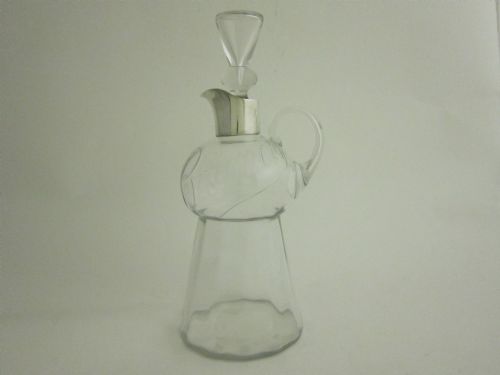
These antique silver carafe stoppers and mounted vessels combine cut crystal, clear glass, and hallmarked sterling silver collars for the dining table.
Antique Silver Carafe Stopper
When you search for an antique silver carafe stopper, you encounter decanters, claret jugs, and wine bottles fitted with metal mounts and stoppers. These functional table accessories preserve spirits, port, sherry, and brandy while displaying decorative metalwork.
The pieces on this page span the Victorian, Edwardian, and Art Deco periods, alongside later mid-century designs. You meet items originating from English workshops, featuring clear crystal, cut glass, and occasionally amethyst or green glass bodies.
Forms range from traditional spirit bottles with hallmarked silver collars to novelty vessels shaped like Scottish thistles and Highland Revival wine jugs. Most examples pair a glass or crystal body with a matching stopper secured by a metal mount.
Materials and construction methods
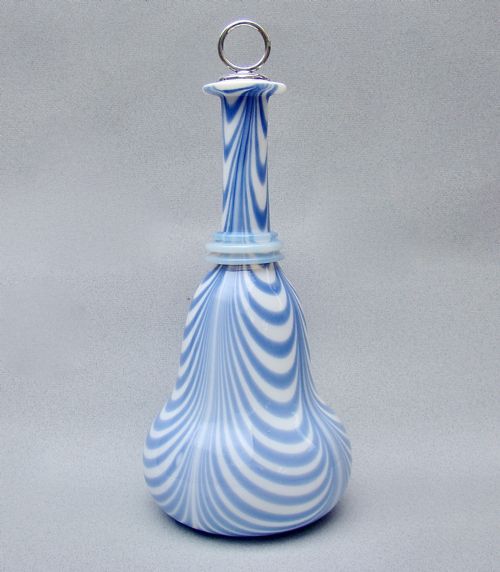
The bodies of these vessels utilise blown glass, moulded crystal, and cut glass, sometimes coloured in green, amethyst, or traditional clear tones. Glassmakers shaped these forms by hand or in moulds before applying decorative wheel-cutting.
Collars, mounts, and stoppers incorporate sterling silver, silver plate, Old Sheffield plate, and higher-purity silver standards like French 950. Silversmiths hammered, cast, and hallmarked these metal components to fit the neck of each glass container.
One exceptional Victorian novelty decanter is modelled in the literal form of a prickly Scottish thistle.
Factors of quality and execution
Quality rests in the weight and clarity of the crystal or glass, together with the crispness of the wheel-cut facets. Superior vessels balance the heft of the glass body against the substantial gauge of the silver collar and stopper.
Maker marks and legible silver hallmarks elevate a piece by confirming the metal standard and workshop origin. The precise fit between the stopper and the neck demonstrates the care taken during initial manufacture.
Hukin and Heath·Mappin & Webb·Orfèvrerie Produx Saint Hilaire
The Antique Silver Carafe Stopper Glossary
- Sterling silver
- A silver alloy containing 92.5 percent pure silver by mass, frequently stamped with British hallmarks to denote its standard.
- Old Sheffield plate
- An early fused metal technique where a thin sheet of silver was fused to a thicker copper base before shaping.
- Claret jug
- A table vessel designed specifically for serving red wine, usually featuring a hinged silver lid and handle.
- Hallmark
- An official stamp applied to precious metals by an assay office to guarantee the purity of the silver.
- Crystal
- A high-clarity form of glass containing metal oxides that increase its brilliance and weight.
Antique Silver Carafe Stopper: Frequently Asked Questions
How do I date a silver collar?
British silver collars carry hallmarks that include date letters, maker marks, and lion passant standards. These stamp impressions allow you to trace the exact year of assay.
Unmarked silver plate or foreign pieces rely stylistic clues such as cut glass patterns and vessel shapes to establish their manufacturing era.
Are the stoppers original to the decanters?
Many decanters retain their original matched stoppers, ground specifically to fit the neck of that exact glass body. You can often check this by looking for matching numbering or identical facet cutting.
Replacement stoppers occur frequently in antique glassware because the original components suffered breakage during daily use over the centuries.
How were these vessels used historically?
Dining rooms utilised these decanters and carafes to serve wine, whisky, brandy, and cordials during formal meals. Hosts kept spirits locked in fitted frames or poured claret directly from jugs at the table.
Servants filled the bottles from larger storage casks before presenting them to guests in the dining parlour or drawing room.
How should I clean antique glass and silver?
Wash the glass body gently in warm soapy water using a bottle brush, avoiding harsh abrasives that scratch old crystal. Dry the interior thoroughly to prevent water spots.
Polish the silver mounts with a soft cloth and dedicated silver cleaner, taking care not to let polish residue stain the glass.