


Antique Silver Candle Branches
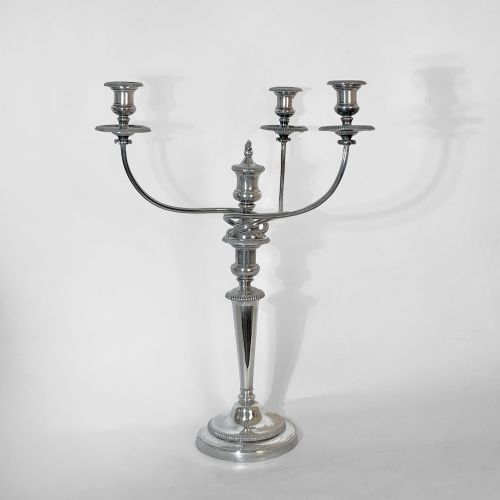
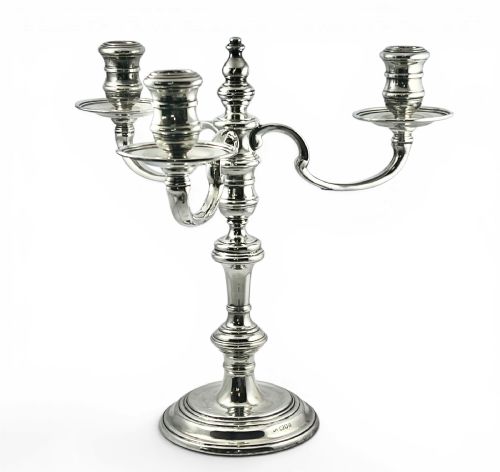
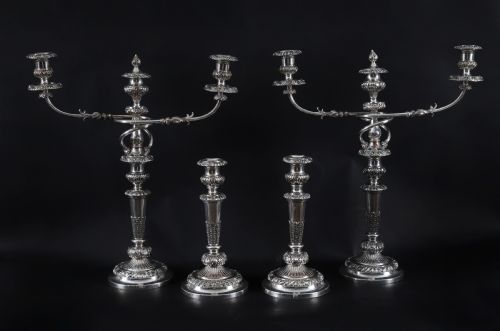
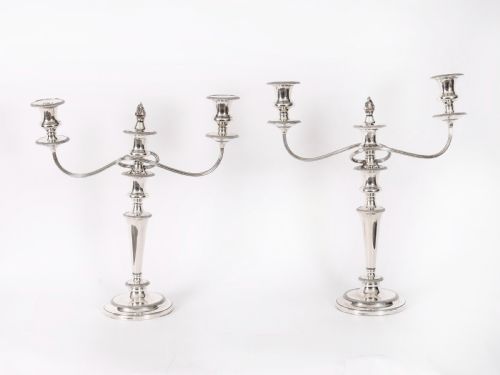
These antique silver candle branches bring warmth and sculptural presence to a room, offering multiple branching lights crafted for grand tables and walls.
Antique Silver Candle Branches
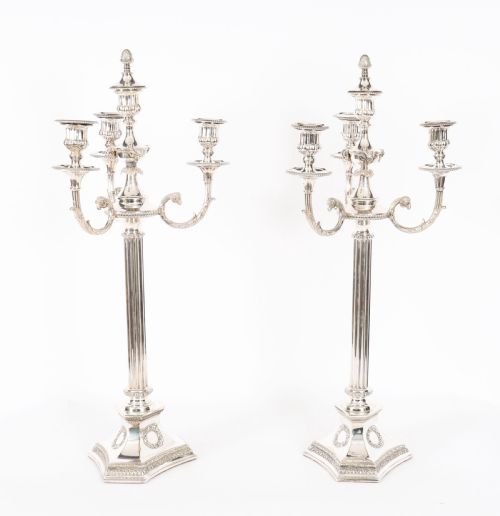
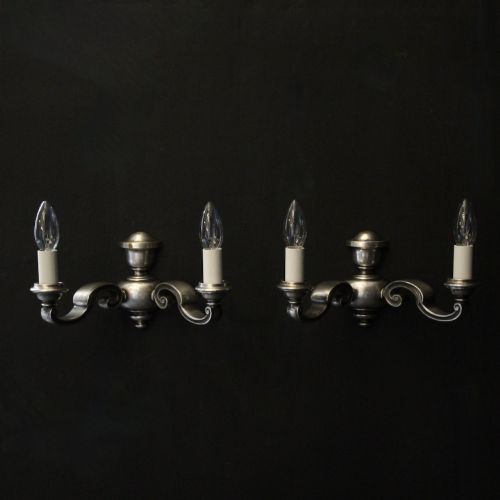
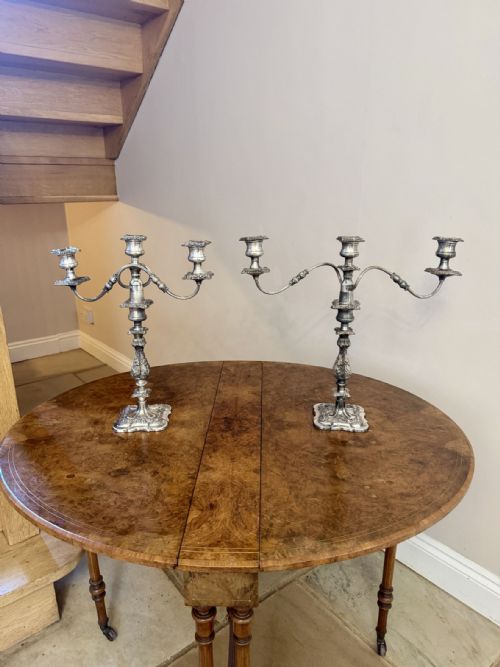
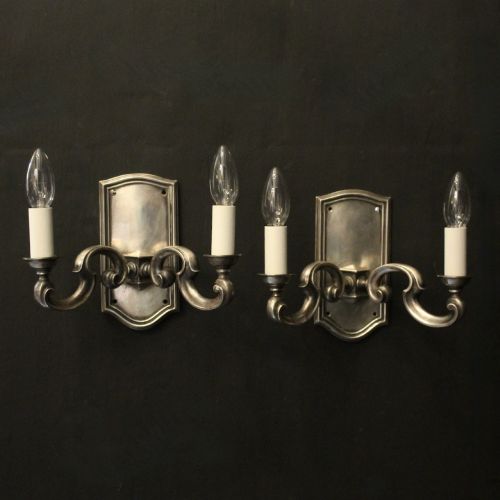
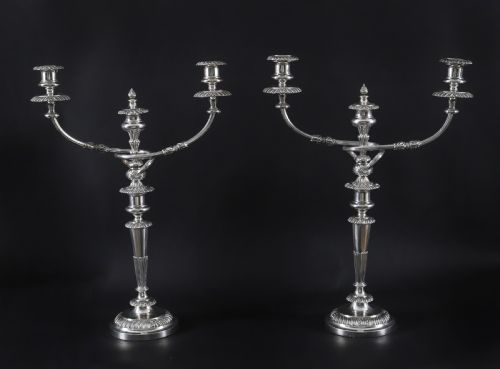
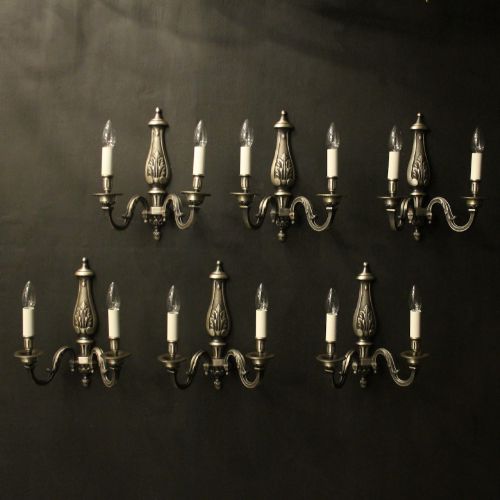
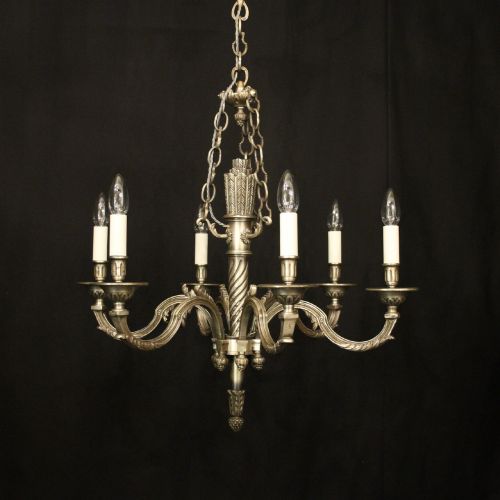
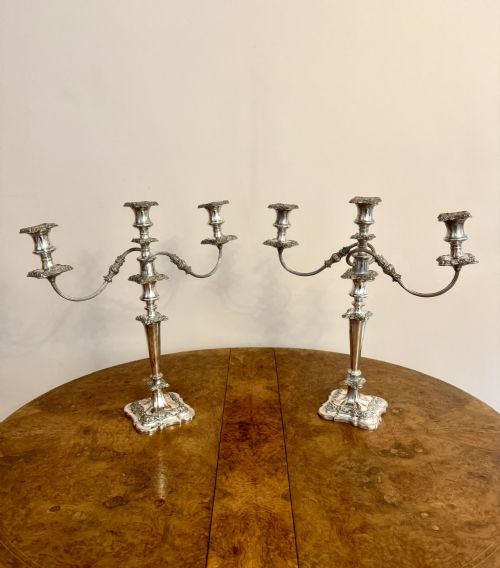
When you search for antique silver candle branches, you encounter a variety of multi-light fixtures designed for dining tables and walls. These encompass candelabra, chandeliers, wall sconces, and dedicated wall lights.
The pieces on this page span several centuries and styles, stretching from the Georgian and Regency eras through the Victorian period, Edwardian years, and into Art Deco and mid-century designs. You are most likely to meet silver-plated candelabra and wall lights originating from the nineteenth and early twentieth centuries.
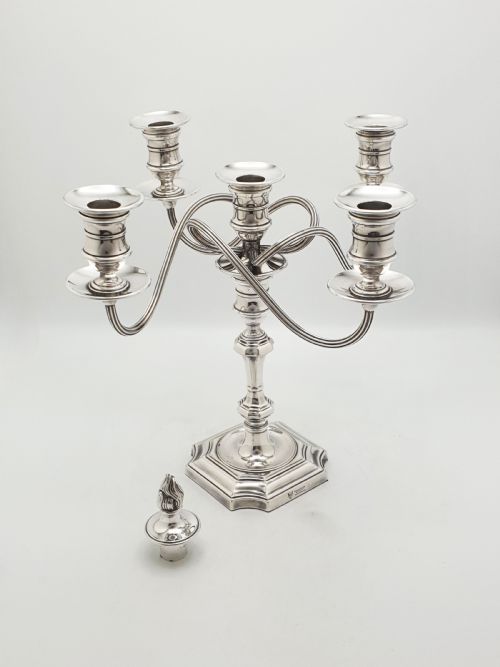
Makers and workshops range from notable names like Matthew Boulton and Garrard & Co to provincial Sheffield plate manufacturers. Forms vary from simple two-branch table models to large five-branch centerpieces with detachable sconces.
Materials and construction
Makers utilised sterling silver, silver plate, Old Sheffield plate, and electroplated nickel silver over base metals such as copper and bronze. Many items incorporate cut glass, crystal, or spelter to achieve ornamental detail.
Techniques combined traditional silversmithing with innovative plating methods. Old Sheffield plate fused a thin sheet of silver to a copper core, while later pieces employed electroplating to deposit silver onto base metals.
Some dining table centrepieces double as palm tree dishes, bringing tropical novelty to nineteenth-century dinner parties.
Markers of quality
Quality rests in the crispness of the chased or cast ornamentation and the structural integrity of the branching arms. Pieces featuring figural elements, cherubs, or intricate rococo revival scrolls demand higher levels of artisan skill than plain geometric designs.
The preservation of the underlying metal beneath the silver layer indicates how carefully a piece was maintained. Superior examples retain their original detachable sconces and balanced proportions without distortion in the branches.
Matthew Boulton·Garrard & Co·Blagden Hodgson And Co
The Antique Silver Candle Branches Glossary
- Candelabra
- A large branched candlestick holding multiple candles. These often feature removable top sections to function as standard candlesticks.
- Old Sheffield Plate
- A composite material made by fusing silver to a copper base before fabrication. This technique creates a distinctive edge where the copper core shows through wear.
- Sconce
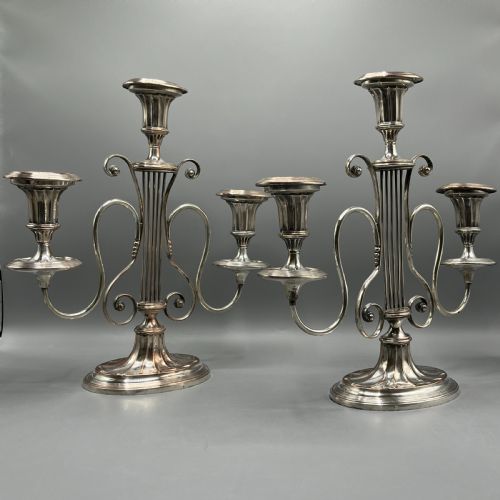
- A wall-mounted lighting fixture designed to hold candles or lamps. Examples in this category include twin-branch designs and figural wall lights.
- Electroplated Nickel Silver
- A base metal alloy of copper, nickel, and zinc coated with a layer of pure silver through electrolysis. This process became widespread during the Victorian era.
- Centrepiece
- A large decorative object placed in the middle of a dining table. Many incorporate low or high branch configurations alongside dishes for floral arrangements.
Antique Silver Candle Branches: Frequently Asked Questions
How do I clean antique silver branches?
Use a soft cloth and a gentle, non-abrasive silver polish formulated for plated or solid silver items. Avoid excessive rubbing that can wear away thin silver plating, particularly on Old Sheffield plate.
Take care around soldered joints and applied decorative elements. Rinse gently with warm water and dry thoroughly with a soft lint-free cloth to maintain the lustre.
What is the difference between Old Sheffield plate and silver plate?
Old Sheffield plate involves fusing a sheet of silver to a copper ingot and rolling them together into a sheet before shaping. This mechanical fusion creates a durable bond with characteristic copper undertones at the edges.
Standard silver plate utilises an electrochemical process to deposit a thin coat of silver onto a base metal substrate. This later technique emerged during the nineteenth century and produced a uniform silver surface.
Can I use real candles in antique candelabra?
You can use standard taper candles provided they fit securely into the drip pans and sconces. Ensure the candles are secured straight to prevent wax from spilling onto the silver surface.
Monitor burning candles closely to protect the metal from excessive heat and smoke residue. Snuff the flame before the wax level reaches the top of the metal sconce.
How do I distinguish Georgian from Victorian pieces?
Georgian and Regency pieces often display restrained neoclassical lines, simple reeding, and Old Sheffield plate construction. They date from the eighteenth and early nineteenth centuries.
Victorian items tend towards heavier ornamentation, incorporating rococo revival scrolls, elaborate floral chasing, and figural motifs like cherubs. These later examples frequently employ electroplated nickel silver.