


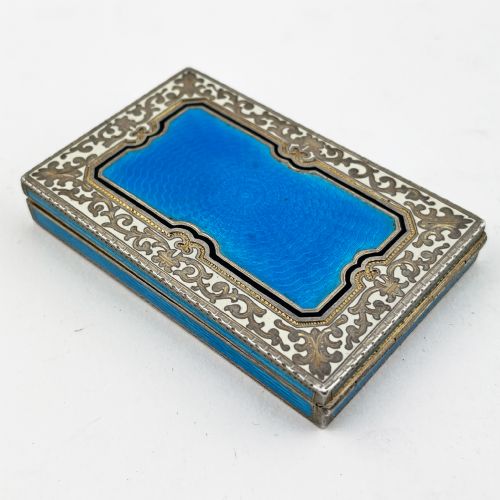


Antique Silver Business Card
An antique silver business card case slips into a pocket with a satisfying weight, offering a tactile piece of social history.
Antique Silver Business Card
An antique silver business card holder functions as a pocket container designed to protect visiting and calling cards from damage. These objects emerge in various forms across the Victorian, Edwardian, and Art Deco periods.
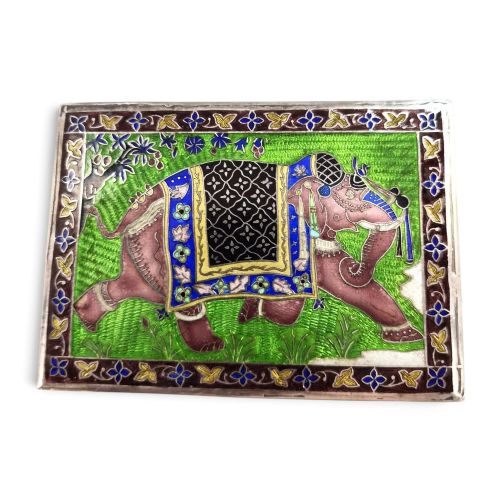
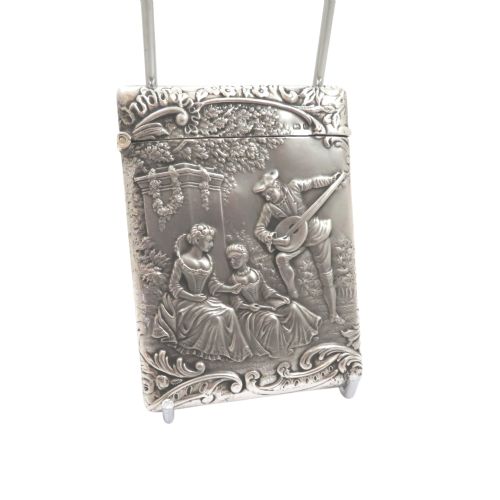
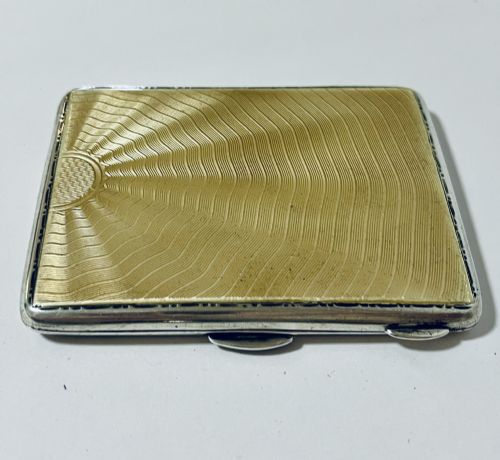
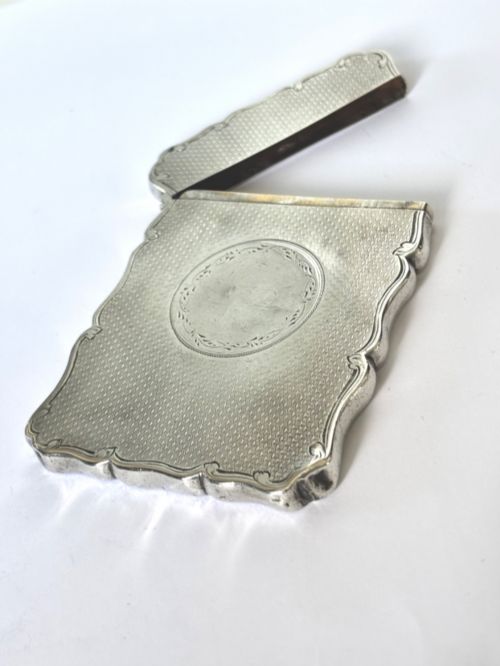
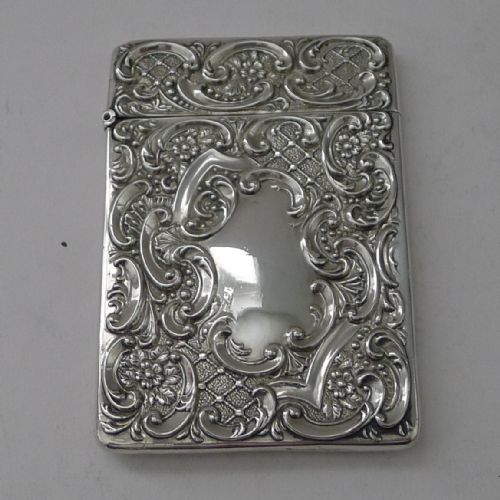
The selection ranges from plain sterling silver cases to elaborate examples featuring repoussé work, enamel, and castle top engravings. Card cases and calling card cases dominate the inventory, accompanied by related forms such as cigarette cases and trinket boxes.
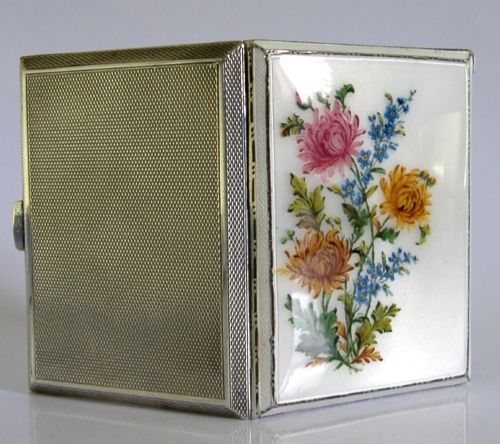
Makers from Birmingham and beyond produced these pieces in solid silver, gilt metal, and sterling silver with vitreous enamel decoration. Regional variations include Indian Colonial, Anglo-Indian, and Soviet Era items alongside classic English designs.
How they were made
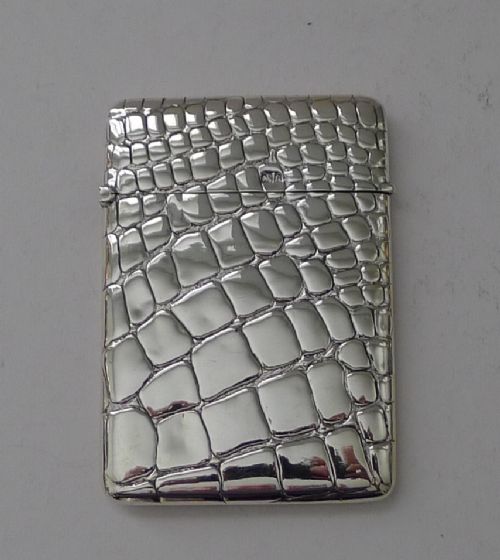
Silversmiths utilised sterling silver and solid silver sheets, shaping them through techniques like repoussé to create raised figural scenes of deities, animals, and architectural landmarks. Hand-painted vitreous enamel and crocodile skin designs add texture and colour to the metal surfaces.
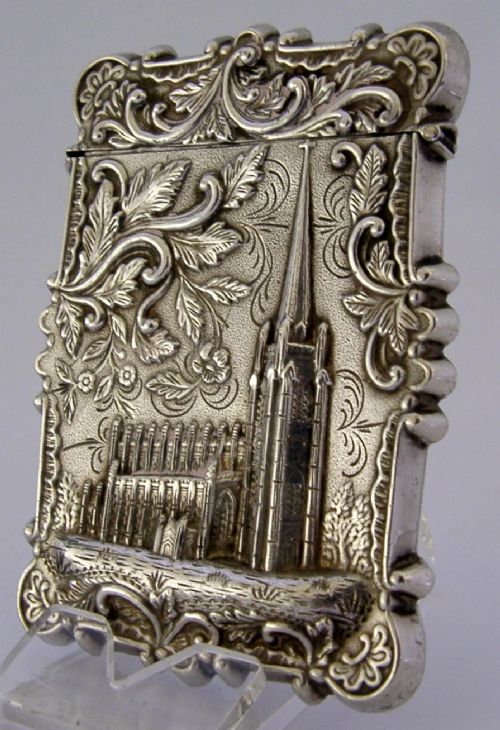
Master craftsmen employed casting for detailed castle top motifs depicting buildings such as St Paul's Cathedral and Trinity Church. Engraving and spring clip mechanisms allowed folding card cases to secure paper ephemera safely inside.
Geographic origins range from Birmingham silversmiths to Indian Colonial workshops and Russian makers.
What varies in quality
The depth and clarity of repoussé decoration separate standard production items from exceptional work, particularly on pieces depicting complex architectural scenes or figures. Crisp architectural details on castle top cases indicate superior workshop execution.
The presence of undamaged vitreous enamel and intact hand-painted floral motifs elevates the standard of a piece. Substantial weight and solid construction throughout the body and hinge mechanisms distinguish better examples from lighter alternatives.
George Unite·Nathaniel Mills·Reynolds
The Antique Silver Business Card Glossary
- Castle top
- A style of card case featuring a detailed cast or engraved representation of a famous building or landmark on the cover. These architectural scenes often depict cathedrals or historic churches.
- Repoussé
- A metalworking technique where the silversmith hammers the silver from the reverse side to form a raised design in relief on the front. This method creates textured depictions of gods, animals, and foliage.
- Vitreous enamel
- Glass powder fused to the silver surface through high-temperature firing to produce colourful, glossy decorations. This durable coating forms smooth panels often decorated with hand-painted flowers.
- Sterling silver
- An alloy consisting of silver and other metals, usually copper, to increase durability while maintaining a high purity standard. British items frequently display hallmarks confirming this standard.
- Calling card case
- A pocket-sized container historically used by the gentry to carry visiting cards for social exchanges. These items evolved alongside changing business and social customs.
Antique Silver Business Card: Frequently Asked Questions
How were calling cards used historically?
Victorians and Edwardians used calling cards to announce visits, leave formal messages, and manage social networks. Carrying them in dedicated silver cases prevented the paper from bending or soiling in pockets and reticules.
As social habits modernised, these cases adapted to hold early business cards as well as calling cards. The objects remained essential accessories for maintaining professional and social connections.
How do I care for antique silver?
Silver requires gentle cleaning with a soft cloth and specialised polish to maintain its lustre without removing fine engraved details. Avoid abrasive substances that can scratch the metal or damage enamel panels.
Store pieces in a dry environment away from direct sunlight and harsh chemicals. Handling them with clean hands helps prevent oils from tarnishing the surface prematurely.
Are these cases suitable for modern cards?
Many antique silver card cases accommodate modern business cards, though standard card dimensions have changed over time. Slimmer modern cards fit well into Edwardian and Art Deco pocket models.
Checking the interior dimensions of a specific case ensures a proper fit for contemporary stationery. They function well as distinctive cardholders for daily use or travel.