


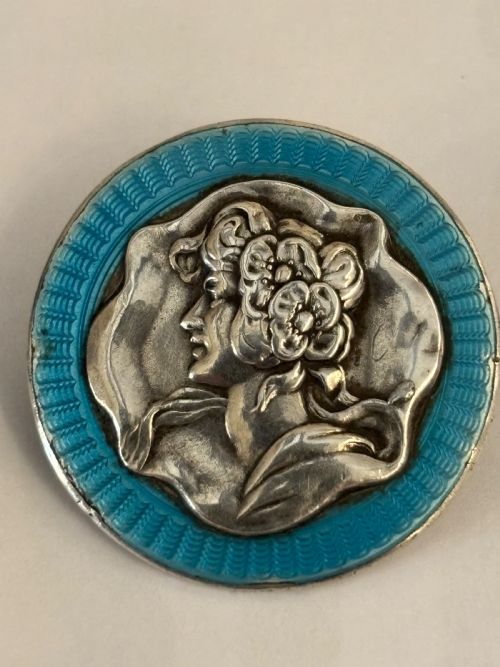

Antique Silver Badge
An antique silver badge brings history to your lapel through fine metalwork, colourful enamel, and intricate stones.
Antique Silver Badge
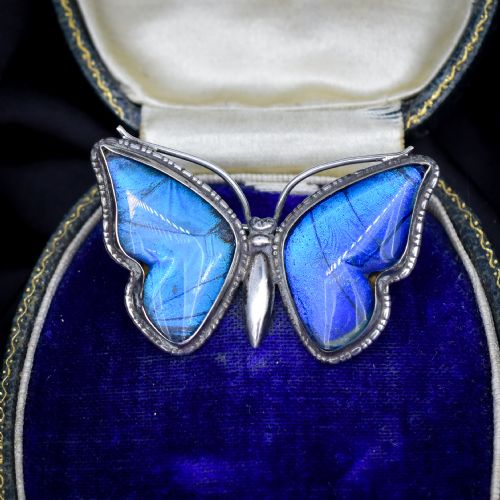
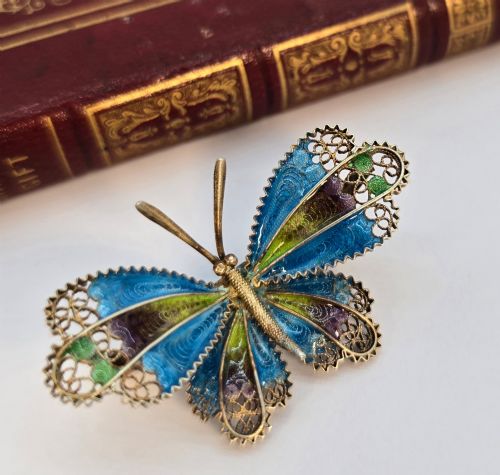
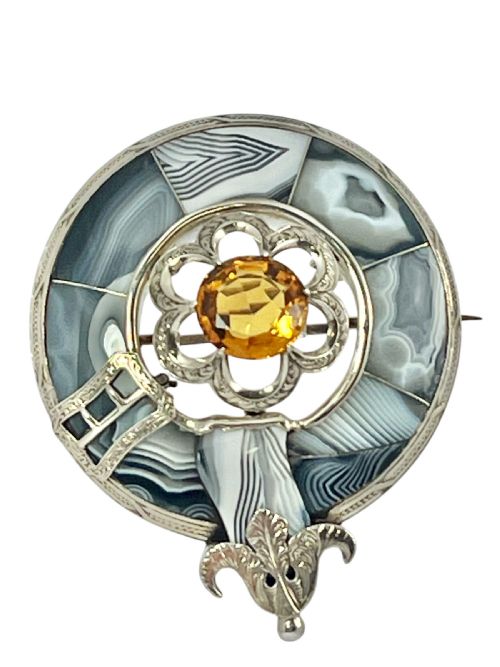
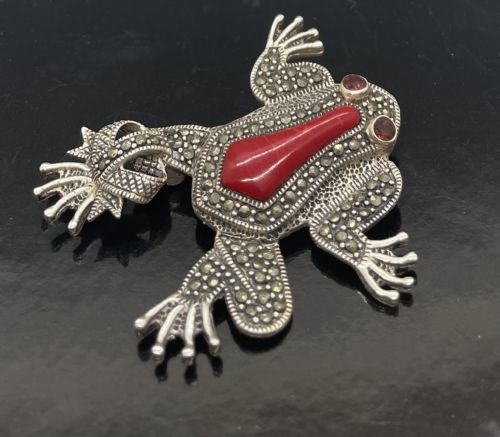
When buyers search for an antique silver badge, they often discover brooches, pins, and decorative boxes featuring metalwork from the Victorian era to the mid twentieth century. These items take many forms, from intricate floral and insect motifs to regional Scottish agate pieces and royal presentations.
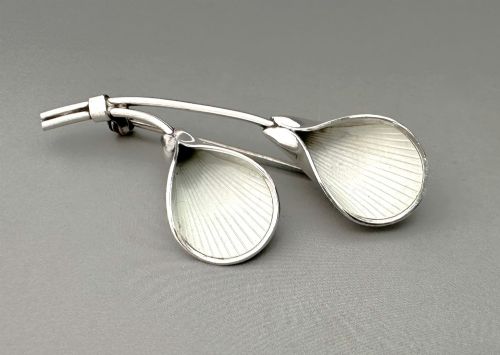
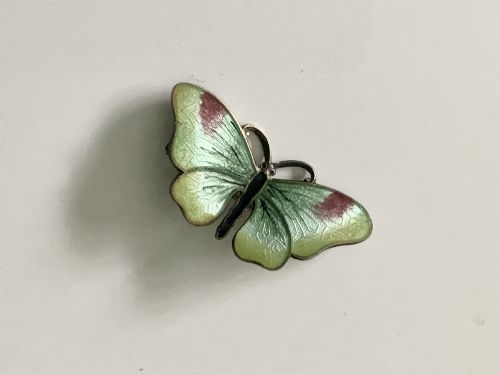
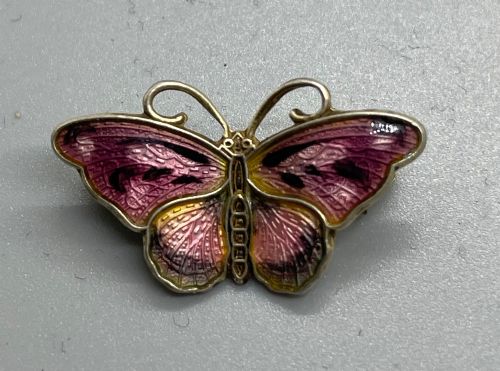
The most common versions met on this page include butterfly brooches adorned with guilloche enamel, alongside Victorian gemstone designs set with citrine, turquoise, and diamonds. Continental workshops and British makers both contributed significantly to this rich array of wearable history.
Materials and construction methods
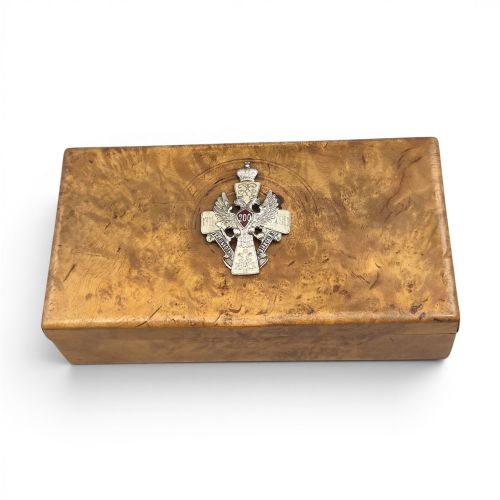
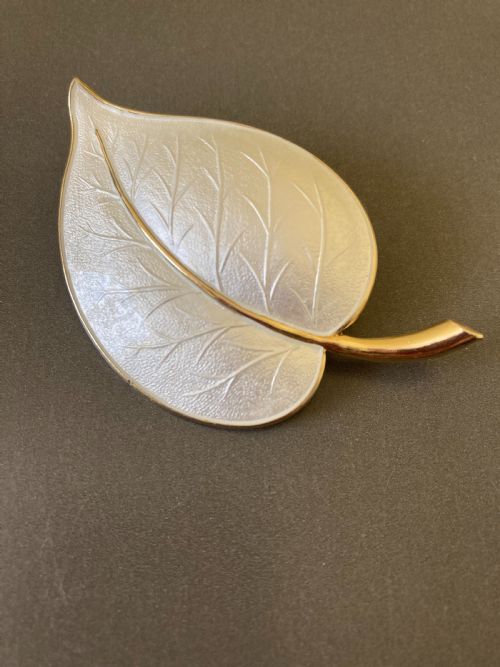
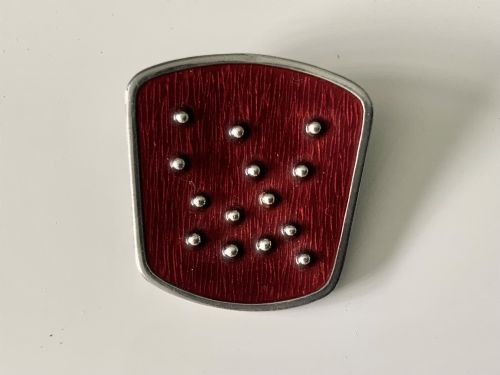
Silversmiths utilised sterling silver and silver gilt as the primary foundation for these pieces, frequently applying translucent guilloche enamel or vitreous enamel to create vivid surface colour. Artisans also incorporated organic elements such as Karelian birch and tortoiseshell piqué work alongside gemstones.
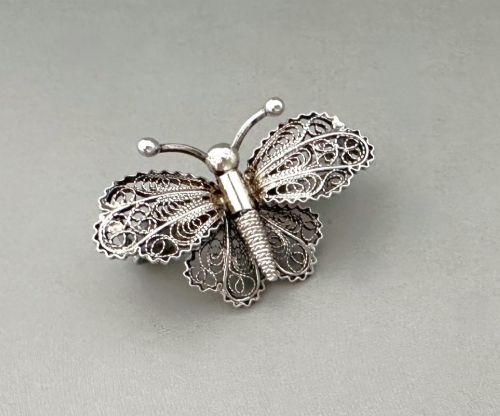
Techniques ranged from delicate filigree wirework to meticulous stone setting, securing old European cut diamonds, agates, and paste stones directly into the metal. Master craftsmen combined these durable materials with hinged pin stems to produce functional personal adornments.
Listings feature items spanning the Victorian era through the 1940s, incorporating silver, gold, enamel, and diamonds.
Differentiating quality in metalwork
Quality rests upon the precision of the silver manipulation and the crispness of any applied enamel work, where finer examples display smooth, unblemished surfaces and secure bezels. Superior pieces demonstrate deliberate artistry in the engraving and arrangement of stones like citrine or diamonds.
The hand of the maker determines the upper echelon of these items, separating mass-produced souvenir pieces from bespoke commissions and identifiable workshop outputs. Well-preserved gilding and intact enamel without chipping mark the distinction between average items and exceptional survivals.
A H Darby & Son·Georg Jensen·Gustav Gaudernack
The Antique Silver Badge Glossary
- Guilloche enamel
- A decorative technique where transparent enamel is layered over engine-turned metalwork. This process creates geometric patterns that catch the light beneath the coloured glass.
- Silver gilt
- Silver that has been coated with a thin layer of gold on its surface. This treatment provides the warmth of gold while retaining a silver base.
- Piqué work
- The intricate inlay of tiny gold and silver points or strips into tortoiseshell or ivory. Artisans press the metal pins into heated organic material to form delicate motifs.
Antique Silver Badge: Frequently Asked Questions
How do I date a silver brooch?
Dating relies heavily on stylistic clues such as the transition from Victorian naturalism to Art Nouveau curves and Art Deco geometry. Hallmarks and pin mechanisms also provide reliable chronological markers.
Examining the back of the piece often reveals maker marks or metal purity stamps that narrow down the decade of production.
Were these items worn daily?
Many badges and brooches served as everyday dress accessories for Victorians and Edwardians, used to fasten scarves, collars, or lapels. Sport badges and regimental pieces marked specific memberships and events.
Sturdier designs in sterling silver handled regular wear, whilst delicate enamel items required more careful handling by their original owners.
What is silver gilt?
Silver gilt is solid silver that has undergone a process of gold plating to give it a rich golden exterior. It offers the visual appeal of solid gold while maintaining a silver core.
This finish appears frequently on Victorian and early twentieth-century decorative pieces to enhance contrast with enamel.
How should I clean antique silver?
Gentle maintenance preserves the integrity of delicate enamel panels and soft gemstones like turquoise or amber. Avoid harsh chemical dips that strip away the desirable historic patina.
Soft microfiber cloths work best for lifting surface dust without scratching the surrounding metal or fragile glass elements.