

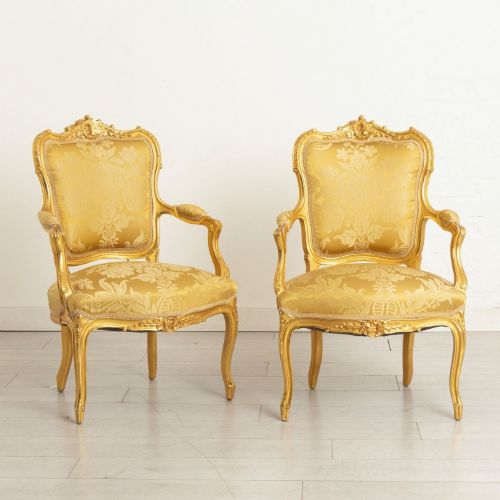


Antique Silk Upholstered Chair
An antique silk upholstered chair brings tactile texture and historic form to a room, ranging from carved walnut frames to gilded French designs.
Antique Silk Upholstered Chair
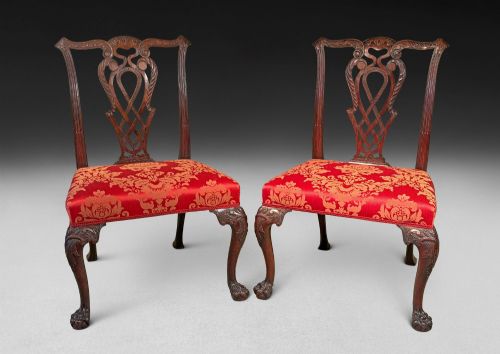
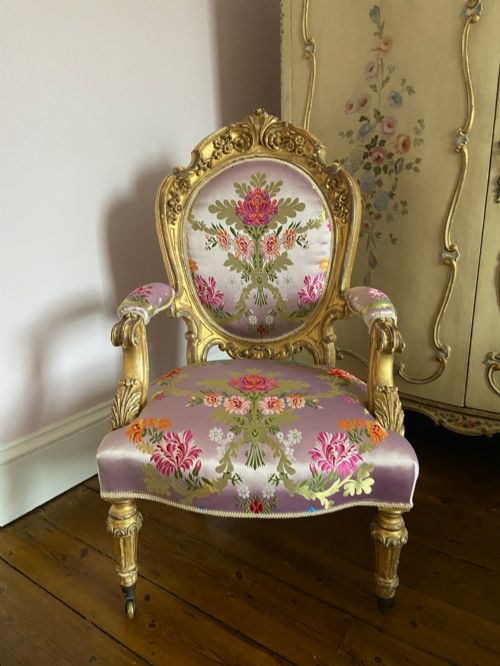
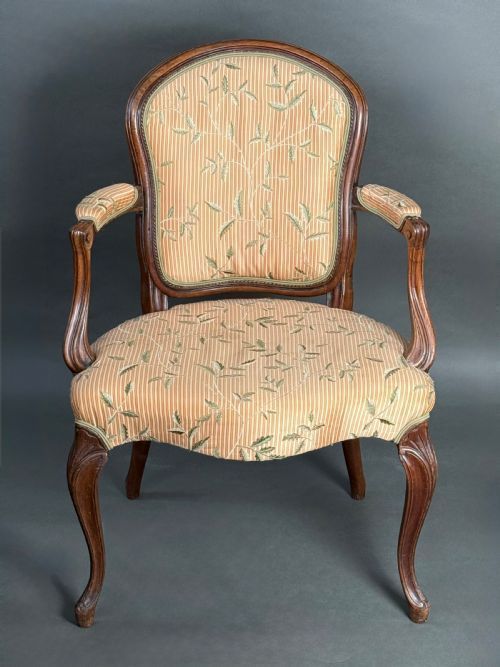
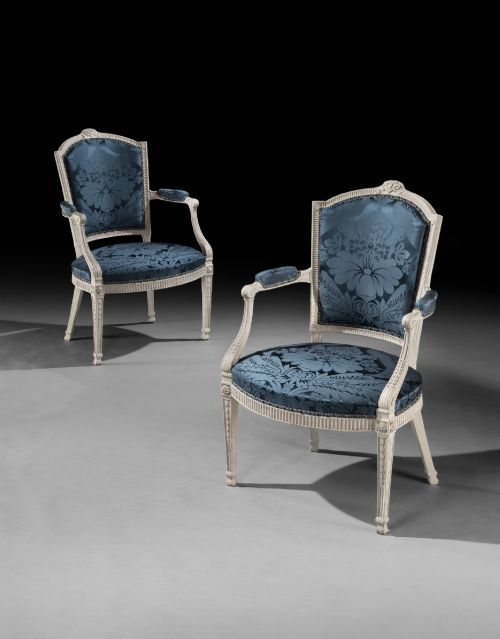
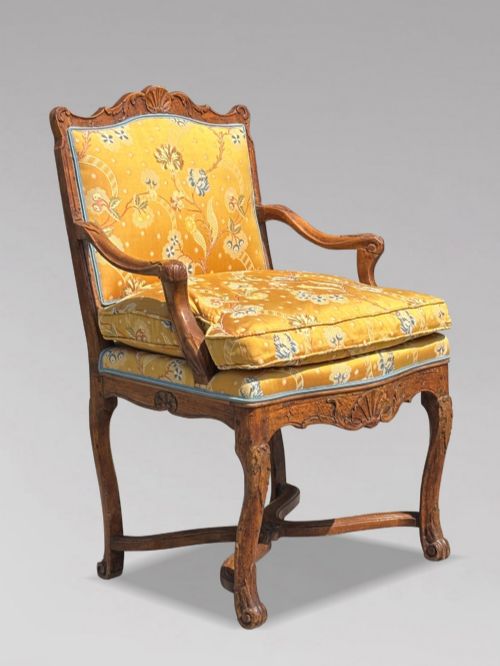
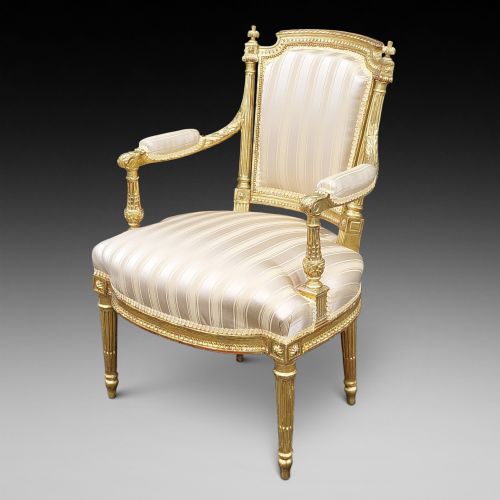
An antique silk upholstered chair encompasses seating from the seventeenth century through to the Edwardian period, with nineteenth century interpretations strongly represented. These pieces include armchairs, side chairs, dining chairs, footstools, slipper chairs, and chaise longues. French and English aesthetics dominate the selection, spanning styles such as Louis XVI, Louis XV, Rococo Revival, and Hepplewhite.
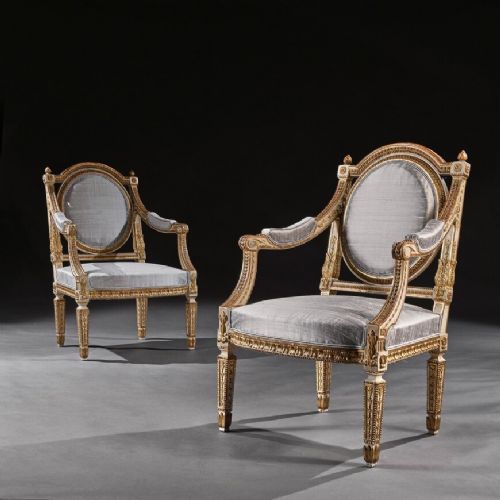
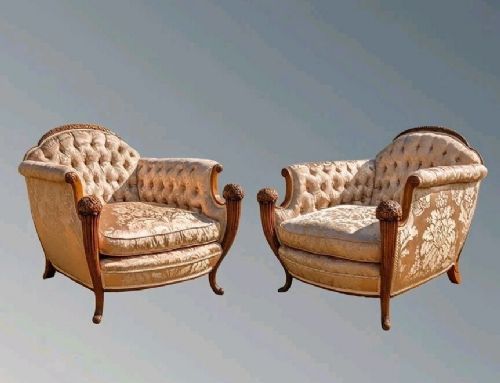
The form of an antique silk upholstered chair varies from substantial giltwood fauteuils and wingback armchairs to inlaid mahogany bedroom chairs and painted boudoir stools. Frames range from carved walnut and bleached fruitwood to rosewood and painted finishes. Silk fabrics, including damask and patterned designs, provide the textile covering across these historical forms.
How they were made
Makers constructed the foundational frames of these chairs using traditional timbers such as walnut, mahogany, fruitwood, and rosewood, often combining structural wood with decorative elements like giltwood and brass. Woodcarvers shaped structural components by hand, incorporating stylistic details characteristic of periods from the Georgian era to the French Chateau tradition.
Upholstery techniques applied silk, silk damask, and silk-cotton fabrics directly to the frames, frequently utilising traditional stuffing methods. Silk fabric was secured to support structural padding, while painted and giltwood surfaces received specialised finishing to achieve decorative depth.
Antique Silk Upholstered Chair Retail Price Guide 2026
Typical asking prices for silk upholstered chair among the pieces listed under this phrase on Sellingantiques today, from the lower quarter to the upper quarter. They describe what is for sale here now, not the wider market.
Listings feature pieces spanning from the seventeenth century through to nineteen thirty, incorporating walnut, mahogany, giltwood, and silk damask.
What varies in quality
The standard of carving on the wooden frame separates ordinary production from superior work. Crispness in foliage, scrollwork, and giltwood detailing indicates skilled execution by the maker.
The selection and application of the textile element alters the overall integrity of the piece. High grade silk damask or appropriate period fabric choices enhance the visual weight of the frame.
Colefax and Fowler·Miles and Edwards
The Antique Silk Upholstered Chair Glossary
- Fauteuil
- An open armchair with upholstered back and armrests and exposed wooden arms. These French chairs date frequently to revival periods.
- Giltwood
- Timber coated with gold leaf or a gold-coloured preparation. This finish appears widely on formal eighteenth and nineteenth century frames.
- Damask
- A reversible figured fabric woven on a jacquard loom. Silk damask provides patterned texture for formal upholstery.
- Hepplewhite
- A late eighteenth century English furniture style associated with graceful proportions and shield-back or oval-back chair designs.
Antique Silk Upholstered Chair: Frequently Asked Questions
How do I clean antique silk upholstery?
Silk requires careful maintenance to avoid water spotting and fibre degradation. Professional textile conservation cleaning is recommended for antique fabric surfaces.
Vacuuming with a soft brush attachment on a low setting helps remove surface dust without straining the delicate threads or underlying structure.
Are these chairs suitable for daily use?
Many of these chairs remain structurally sound for regular sitting, provided the frame joints and internal webbing are stable. Heavier frames handle everyday placement well.
Delicate giltwood or antique silk pieces benefit from placement in low traffic areas to preserve the integrity of the fragile fabric and decorative surfaces.
How do I identify a Louis XVI style chair?
Louis XVI style chairs are distinguished by straight fluted legs, geometric shapes, and neoclassical carved details such as ribbons and acanthus leaves. Oval or square backs replace earlier curved forms.
Giltwood and painted finishes are common, contrasting with the fluid curves found in earlier Louis XV designs.
Can I sit on a silk upholstered antique?
Sitting on these chairs is generally possible if the internal upholstery support and frame have been recently restored. Original eighteenth century silk requires complete protection from direct weight.
Assessing the internal webbing and padding with a professional restorer ensures the chair can support body weight safely.