


Antique Silk Painting
An antique silk painting captures delicate brushwork on a lustrous textile ground, offering a glimpse into centuries of Asian and European pictorial traditions.
Antique Silk Painting
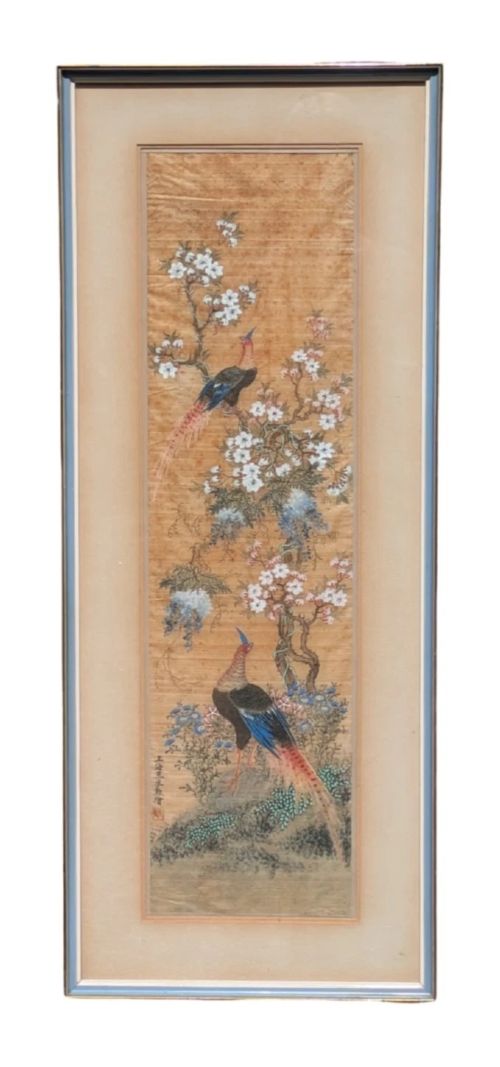
When you search for an antique silk painting, you encounter delicate works executed on woven fabric using ink, watercolour, or gouache, frequently presented in original frames or scrolls.
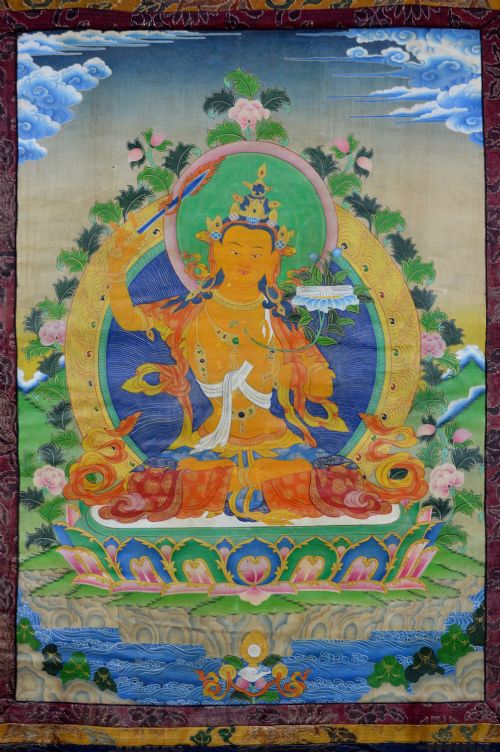
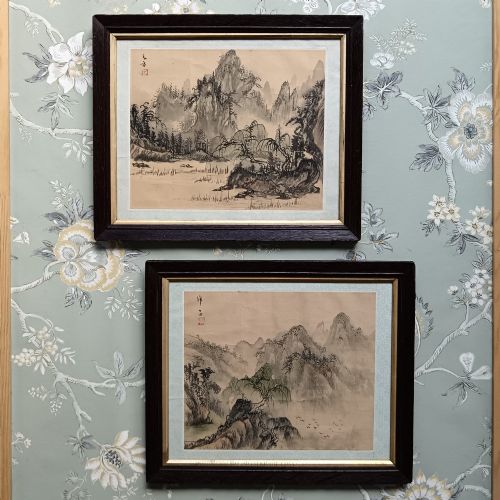
The selections span distinct cultural traditions, ranging from Chinese scroll paintings depicting Daoist immortals and Shan Shui landscapes to Japanese depictions of birds and battles.
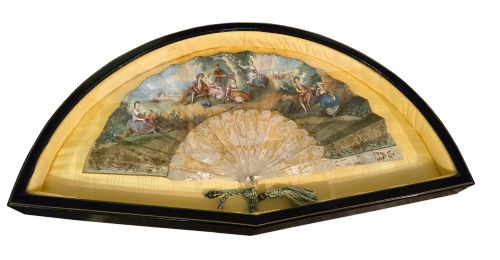
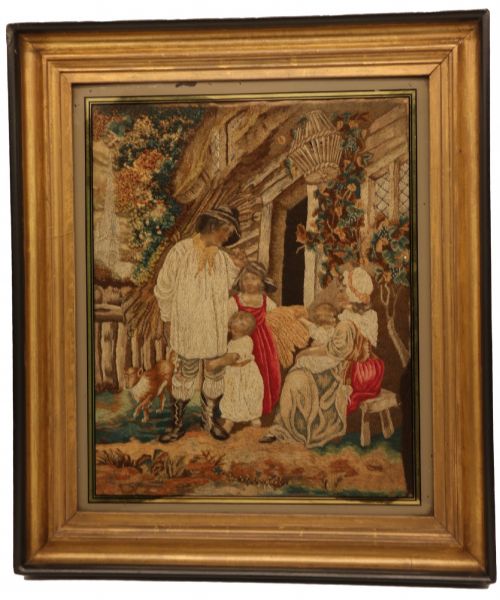
You also discover English needlework and hand-painted silk pictures alongside broader Asian wall hangings, reflecting various periods from the seventeenth century through to the early twentieth century.
How they were made
Artisans applied water-based pigments and dark inks directly onto fine woven silk grounds, utilising the natural sheen of the textile to impart depth and luminosity to the subject.
Many Asian works incorporate mounting onto traditional paper scrolls or framing within protective wooden borders, whilst European examples often combine hand-painted silk with detailed needlework.
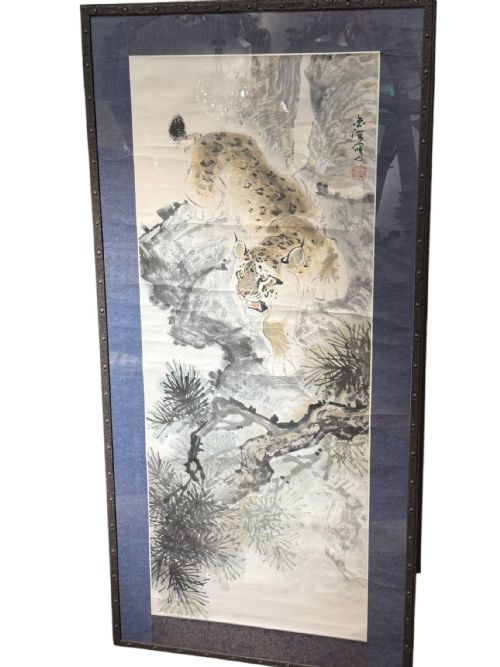
The stability of these pieces relied on careful tensioning of the fabric and the quality of the organic pigments used for subjects such as snow leopards, phoenixes, and ancestral portraits.
Antique Silk Painting Retail Price Guide 2026
Typical asking prices for silk painting among the pieces listed under this phrase on Sellingantiques today, from the lower quarter to the upper quarter. They describe what is for sale here now, not the wider market.
What varies in quality
The distinction between ordinary and superior pieces rests on the precision of the brushwork and the preservation of the silk ground against fraying and discoloration.
The survival of original framing, whether period wood moulds or traditional scroll mountings, significantly influences the overall integrity and visual impact of the work.
Henry Pickering
The Antique Silk Painting Glossary
- Shan Shui
- A style of traditional Chinese painting that depicts natural scenery using brush and ink rather than conventional paints. These works focus on mountains, rivers, and waterfalls.
- Scroll painting
- A flexible length of fabric or paper designed to be rolled up when not displayed. In Asian art, these are often mounted on silk or paper backings.
- Gouache
- An opaque water-based paint consisting of pigment, water, and a binding agent such as gum arabic. It dries to a smooth, matte finish.
- Needlework
- The craft of decorative stitching and embroidery upon a textile foundation. Combined with painted elements, it creates textured historical pictures.
- Qing Dynasty
- The final imperial dynasty of China, lasting from the seventeenth to the early twentieth century. Pieces from this era often feature detailed court or landscape subjects.
Antique Silk Painting: Frequently Asked Questions
How should I hang an antique silk painting?
Protect the fragile textile ground by positioning the piece away from direct sunlight and fluctuating humidity. UV-filtering glass and professional framing help preserve the organic pigments.
Ensure the wall mounting is secure and stable, particularly for large scrolls or heavy framed works, to prevent any strain on the woven fabric.
How do I identify Chinese scroll paintings?
Chinese scroll paintings typically feature vertical or horizontal formats designed for rolling, executed on silk or paper with ink and water-based pigments. They often bear calligraphic inscriptions and artist red seals.
Subjects frequently include landscapes, Daoist immortals, animals, or ancestral portraits created during the Qing dynasty and later periods.
What is the difference between watercolour and silk paintings?
Watercolour paintings are traditionally executed on absorbent paper grounds, whereas silk paintings utilise a woven textile surface that interacts differently with moisture and pigment. The lustrous threads of silk impart a distinct sheen.
While both employ water-based media, silk requires specialised mounting techniques to maintain tension across the fabric over the centuries.
Are Japanese and Chinese silk paintings different?
Japanese and Chinese silk paintings share roots in East Asian brushwork techniques, yet they diverge in subject matter and stylistic composition. Japanese examples often depict specific natural motifs like birds in flight or historical battle scenes.
Chinese works frequently adhere to scholarly traditions, featuring Shan Shui landscapes, Daoist deities, or formal ancestor group portraits with distinct calligraphic elements.