



Antique Sideboard with Shelf
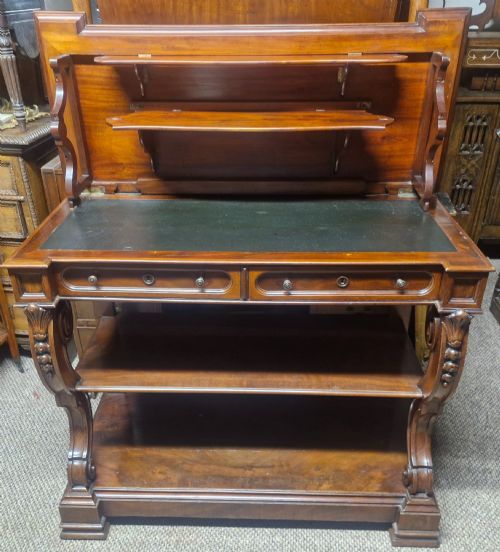
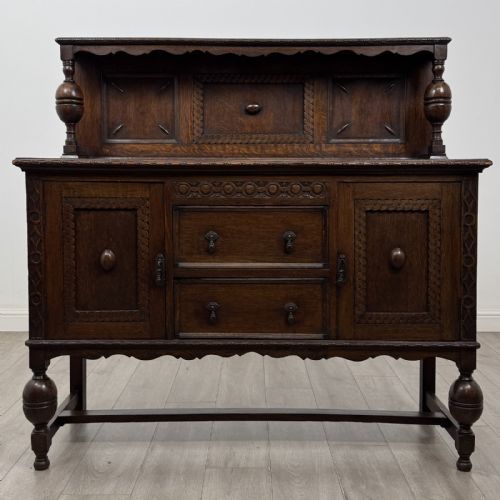
An antique sideboard with shelf combines generous timber storage below with open display tiers above, originating across Georgian, Regency, and Victorian periods.
Antique Sideboard with Shelf
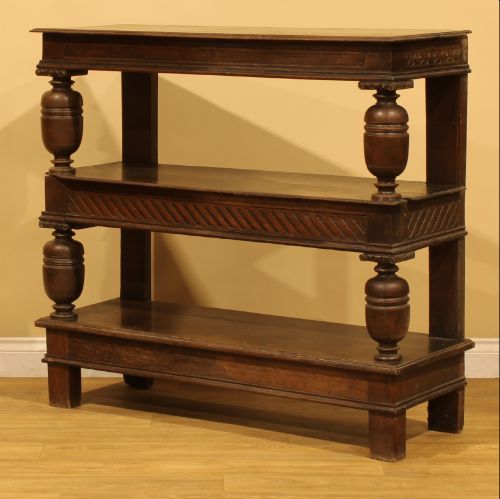
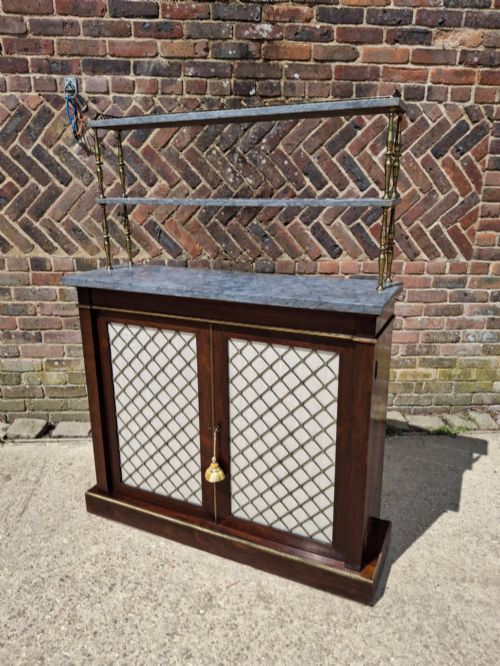
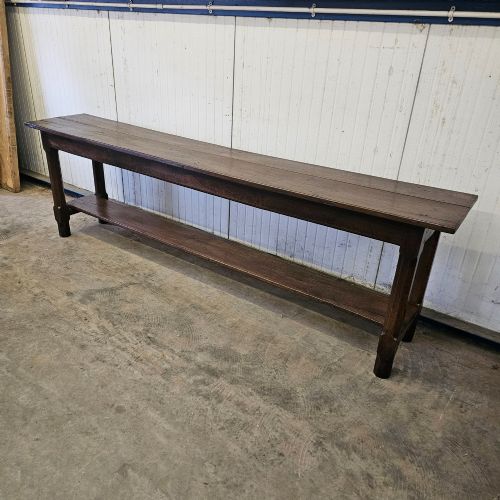
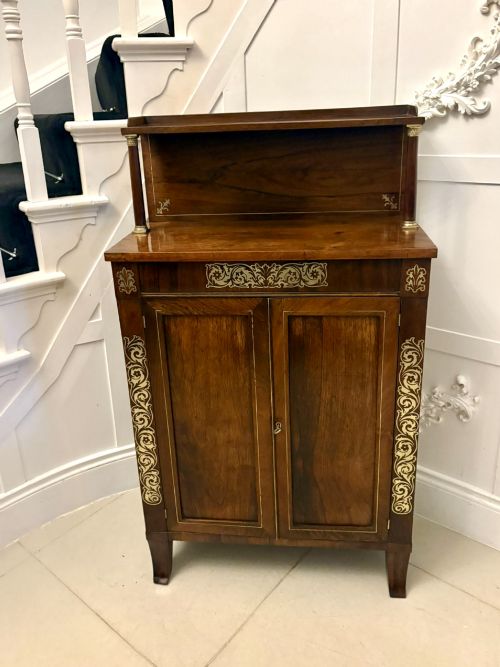
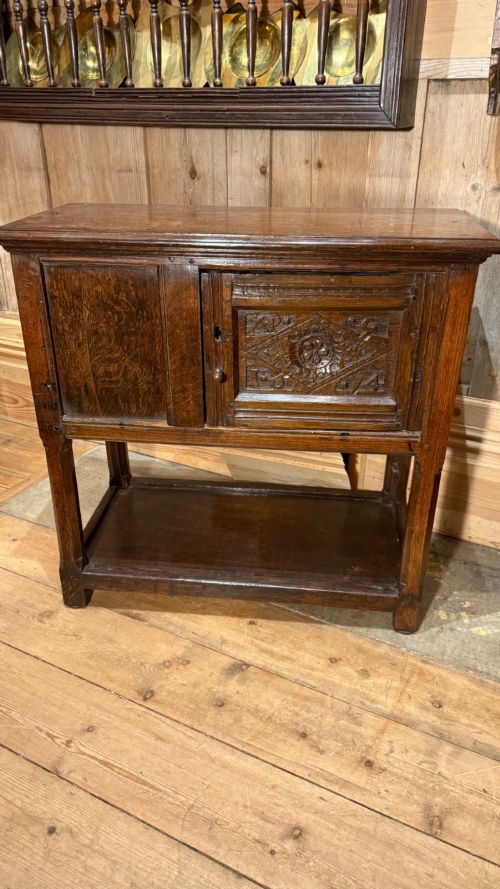
An antique sideboard with shelf brings together storage and display, appearing across this selection primarily as chiffoniers, dressers, side cabinets, and credenzas. Buyers exploring this phrase will encounter pieces spanning the Georgian, Regency, Victorian, and Edwardian eras, each offering distinct proportions and architectural details.
Materials and construction
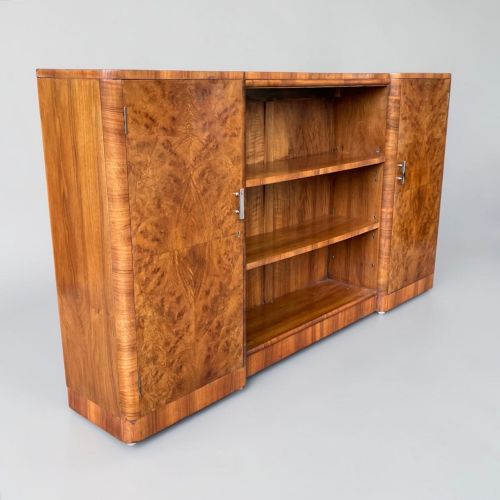
Cabinet makers utilised dense hardwoods including mahogany, oak, and walnut, frequently applying flame mahogany veneer or burr walnut to prominent surfaces to create rich grain patterns. Secondary timbers provided sturdy internal framing for shelves and drawer boxes.
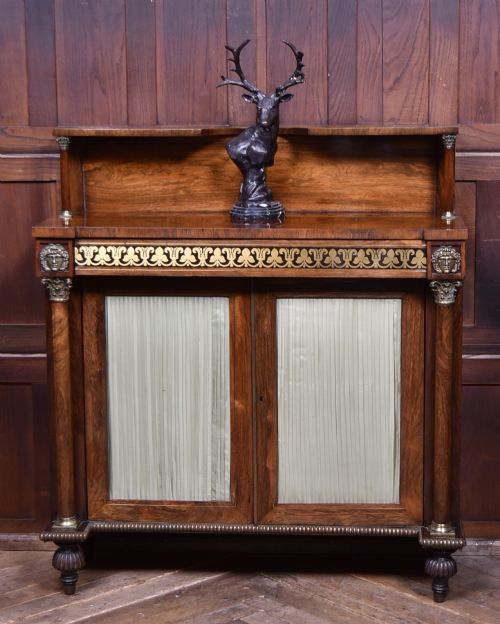
Decorative elements relied on brass mounts, ormolu, glass panels, and detailed carving, particularly in Victorian and William IV examples. Surface finishes were hand-applied using traditional polishing techniques that highlighted the natural figure of the wood.
Antique Sideboard with Shelf Retail Price Guide 2026
Typical asking prices for sideboard with shelf among the pieces listed under this phrase on Sellingantiques today, from the lower quarter to the upper quarter. They describe what is for sale here now, not the wider market.
Solid satinwood makes an unexpected appearance, offering a pale, shimmering alternative to standard dark mahogany.
Craftsmanship and proportion
The distinction between standard examples and superior pieces rests on timber selection, such as the choice of figured walnut or solid satinwood, and the crispness of any applied carving or inlay. Drawer construction using precise dovetailing and well-fitted backboards indicates attentive workshop production.
Proportion and integrity of the upper shelf assembly relative to the lower base determine architectural balance. Original brass hardware, sound door hinges, and stable joints preserve the structural harmony established by the maker.
Gillows
The Antique Sideboard with Shelf Glossary
- Chiffonier
- A compact sideboard featuring an enclosed cupboard base surmounted by one or more display shelves on columns or brackets. These pieces became popular during the Regency and Victorian periods for dining rooms and parlours.
- Dresser
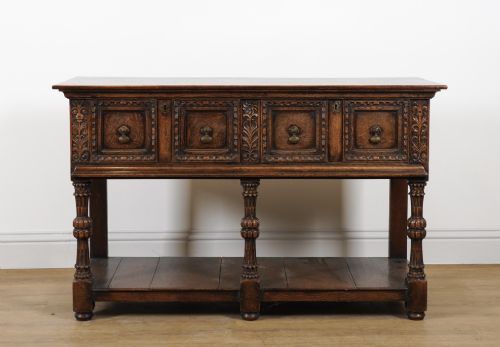
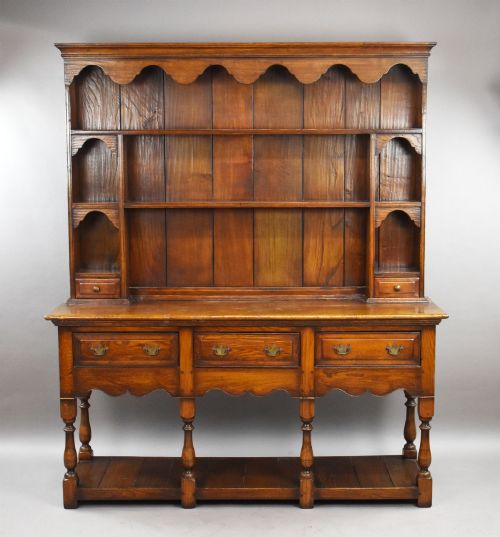
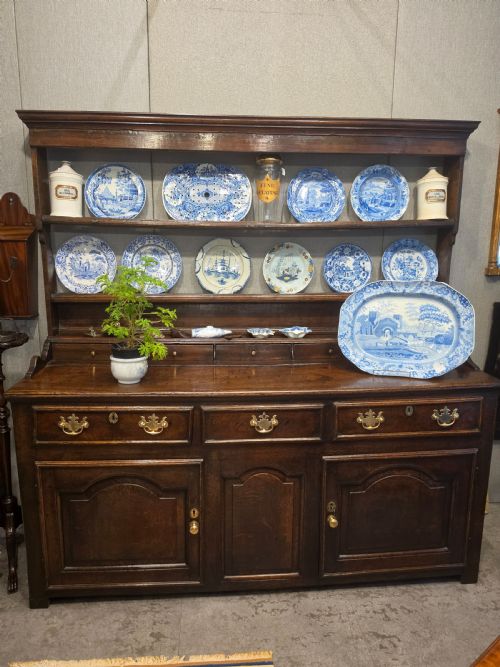
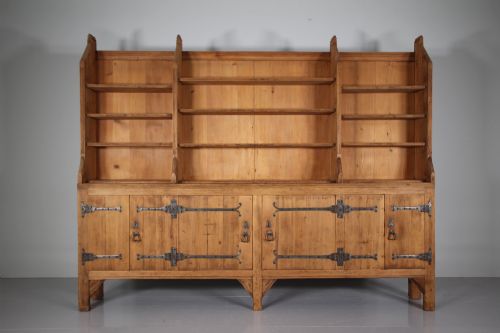
- A dual-purpose storage item combining a lower cabinet or base with an upper plate rack or tier of open shelves. Country and regional variations frequently utilise solid oak or pine.
- Credenza
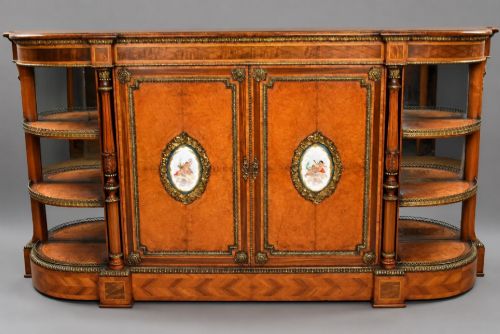
- A low-standing cabinet or sideboard, often embellished with ormolu mounts, marquetry inlay, and mirrored doors. This form emerged strongly during the Victorian era for formal entertaining.
- Potboard
- An open lower shelf fitted beneath a traditional dresser base, originally intended for storing heavy ceramic pots and kitchen utensils. It provides structural stability to the upright legs.
- Ormolu
- Gilded bronze ornamentation applied to cabinetwork as decorative mounts, keyhole escutcheons, and gallery rails. This technique was favoured on high-status Regency and Victorian credenzas.
Antique Sideboard with Shelf: Frequently Asked Questions
How were these pieces used historically?
Sideboards and chiffoniers served primarily in dining rooms and living spaces for storing tableware, linens, and serving provisions during meals.
The upper shelves provided space to display ceramic plates, glassware, and decorative ornaments for guests to admire.
Where should I place a sideboard with a shelf?
These pieces suit dining rooms, living areas, and spacious hallways where the combination of lower storage and upper display can function effectively.
Ensure the wall space accommodates the height of the upper shelf assembly without crowding surrounding furniture.
How do I identify a Victorian piece?
Victorian examples often feature heavier proportions, darker timbers like burr walnut and mahogany, and decorative influences such as glazed doors or ormolu mounts.
Cabinet work from this era also frequently incorporates machine-sawn elements alongside traditional hand dovetailing.