

Antique Side Cabinet Drawer
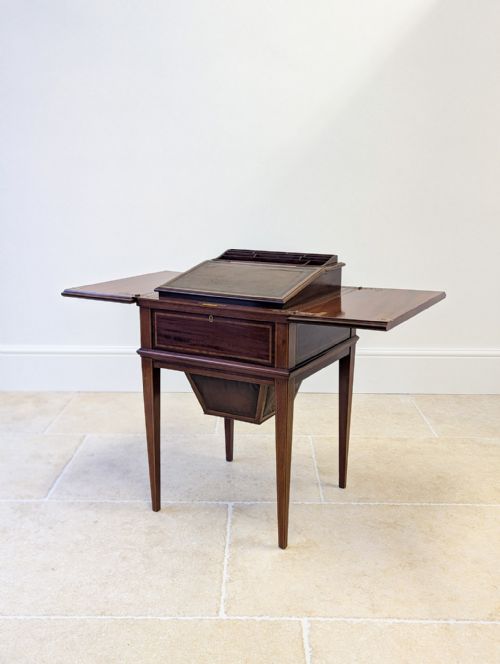
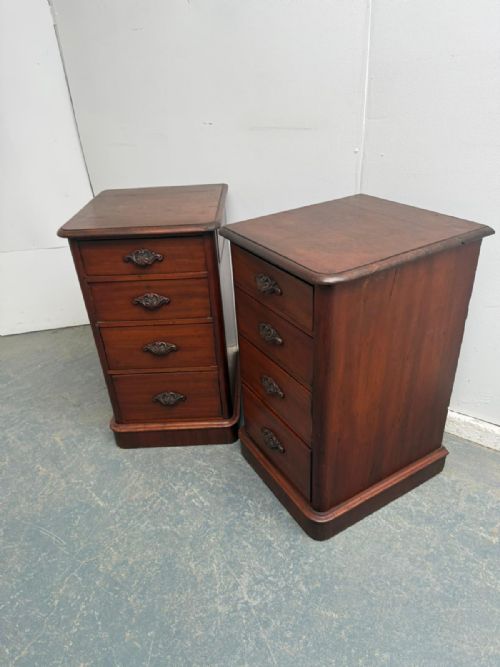
When searching for an antique side cabinet drawer, collectors uncover compact storage pieces that combine utilitarian drawers with decorative side surfaces.
Antique Side Cabinet Drawer
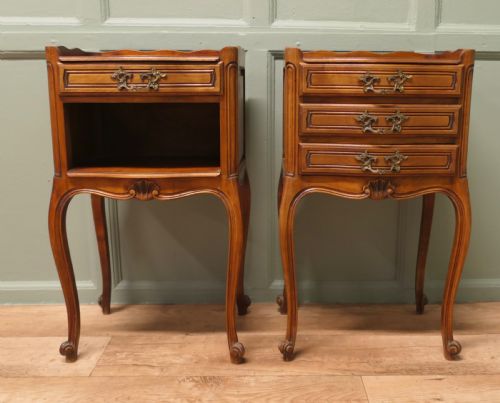
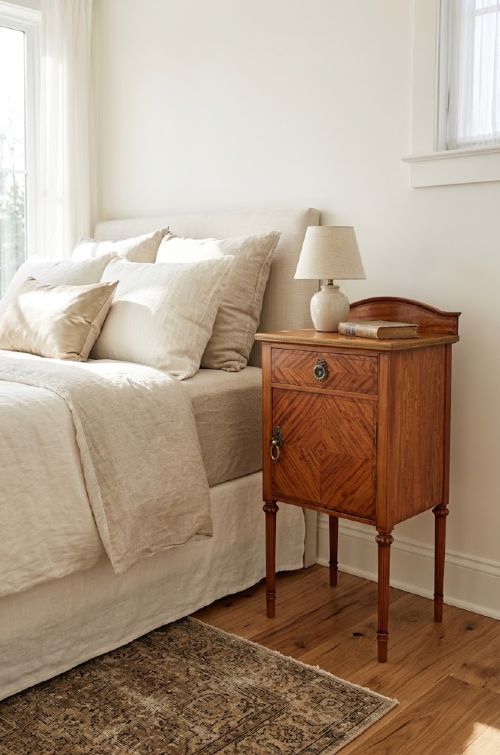
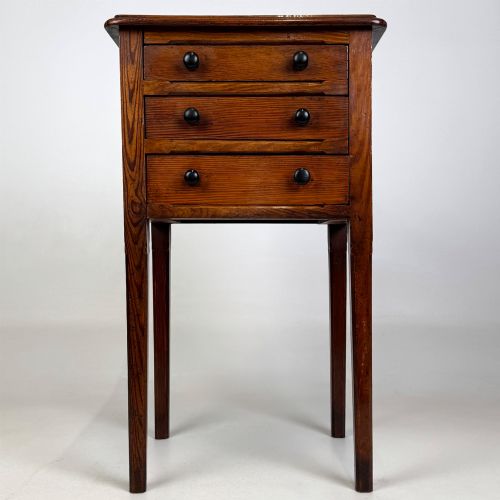
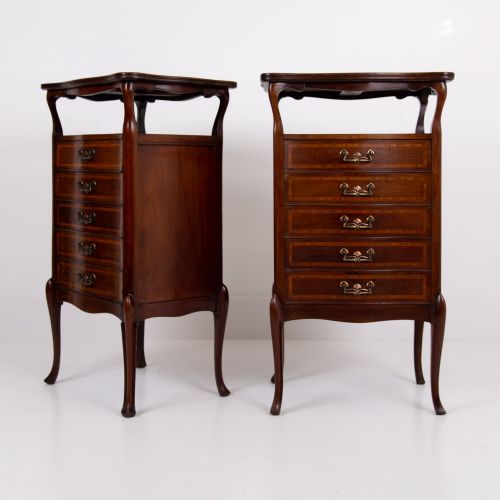
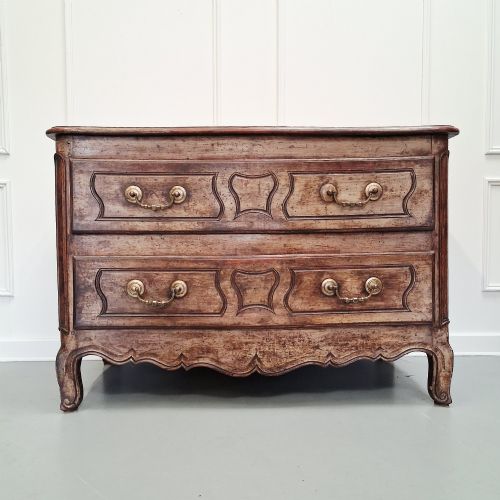
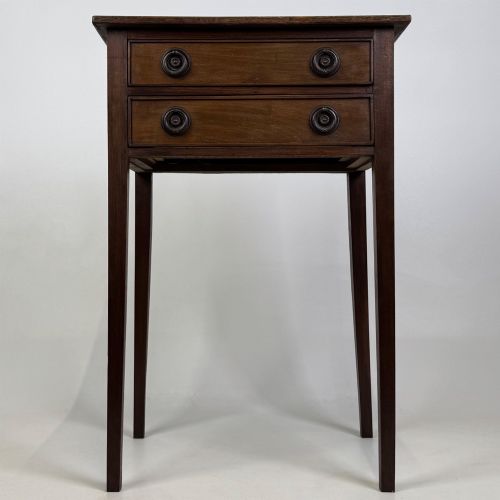
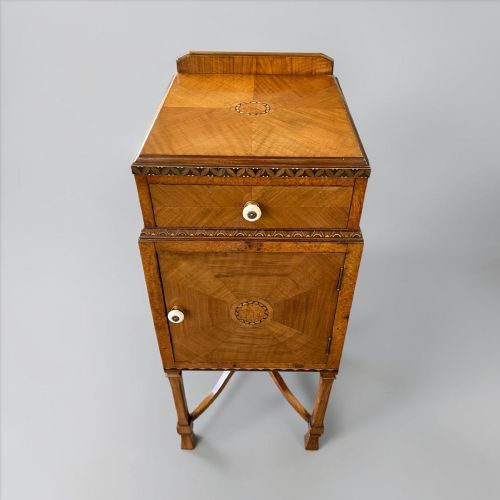
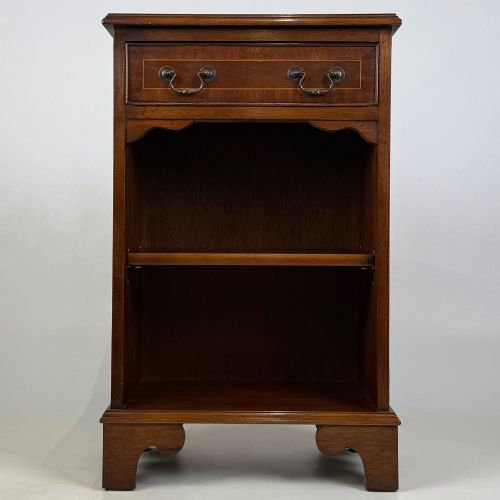
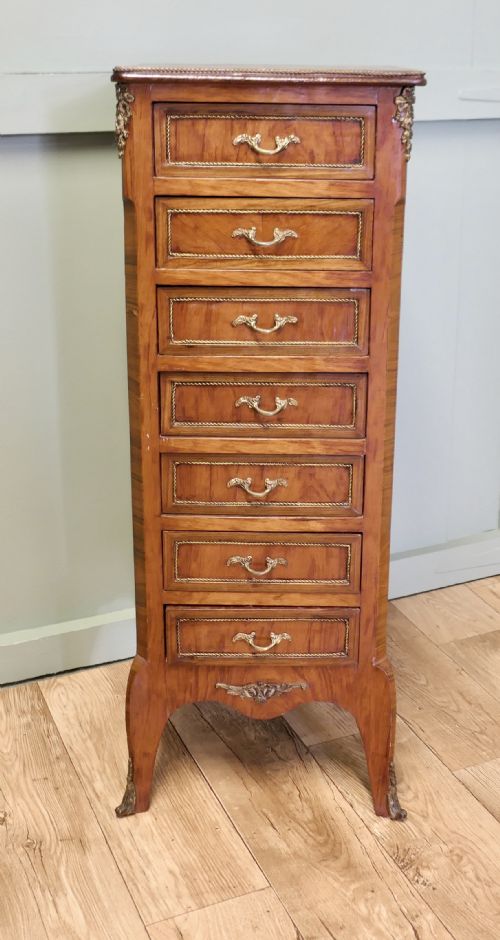
The search phrase antique side cabinet drawer brings up a diverse group of compact furniture designed to hold small items while offering a useful top surface. These functional items range from bedside tables and nightstands to tall Wellington chests and small commodes.
Most examples found in these records date from the Victorian, Edwardian, and early twentieth-century periods, alongside Georgian and eighteenth-century origins. Buyers frequently encounter forms featuring single or multiple drawers paired with cupboards or open compartments.
How They Were Made
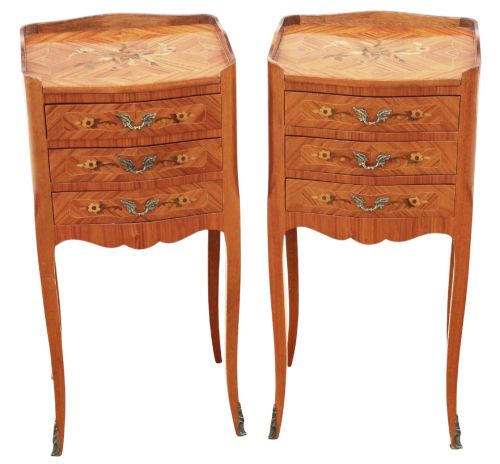
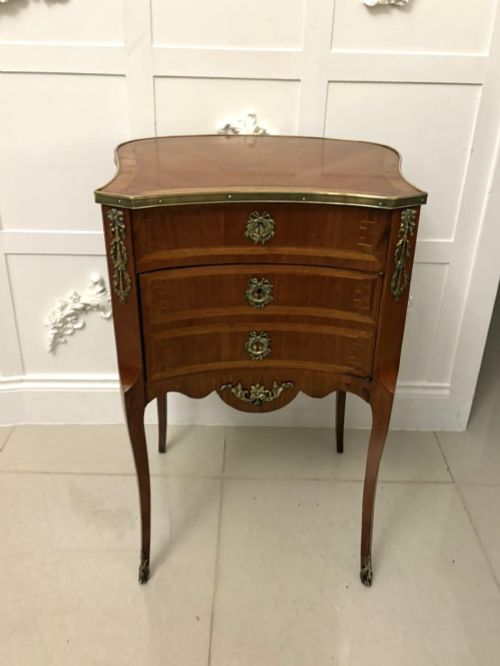
Cabinet makers utilised dense timber frames such as mahogany, walnut, oak, and satinwood, often embellishing surfaces with intricate marquetry and fine wood veneers. Metal elements like brass handles and ormolu mounts provide structural accents and decorative contrast against the polished wood.
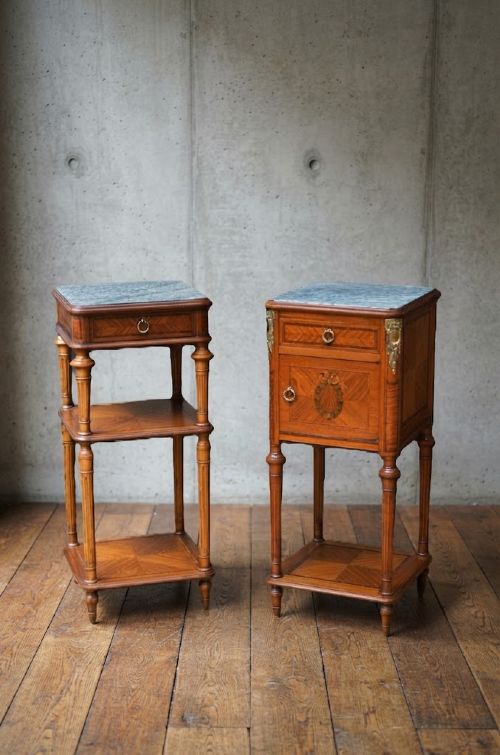
Selected French and English models incorporate inset marble tops to create durable, water-resistant surfaces suited for daily bedroom use. Joinery techniques varied from traditional dovetailing in drawer construction to carved architectural detailing on upright panel doors.
Secret locking bars on tall chests once kept midnight correspondence safe from curious eyes.
What Varies in Quality
Quality in these cabinet designs rests on the selection of figured wood grains, such as burr walnut and flame mahogany, matched carefully across drawer fronts. The execution of marquetry inlays and the weight of cast brass or ormolu mounts further distinguish standard production from finer cabinet work.
Structural integrity shows in the smooth action of individual drawer runners and the precise fit of cabinet doors within their frames. Pieces bearing maker stamps or originating from notable workshops often demonstrate superior interior joinery and timber selection.
Gill and Reigate·Whytock and Reid·S and H Jewells of London
The Antique Side Cabinet Drawer Glossary
- Marquetry
- Decorative patterns formed by inserting thin pieces of wood, veneer, or shell into a wood matrix. This technique creates complex pictorial or geometric designs on cabinet doors and drawer fronts.
- Ormolu
- Gilded bronze furniture mounts and decorative details popular in French-influenced design. It provides a bright metallic contrast against dark timbers like mahogany and walnut.
- Wellington Chest
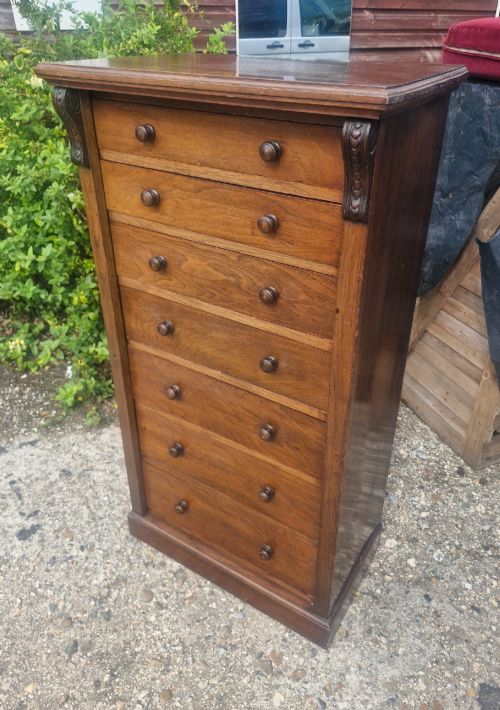
- A tall, narrow chest of drawers secured by a hinged locking side pilaster bar. It typically contains multiple shallow drawers designed for secure document or linen storage.
- Commode
- A low cabinet or chest of drawers featuring enclosed storage space. Originating in French design, these pieces frequently incorporate marble tops and decorative veneer panels.
- Nightstand
- A small bedside table or cabinet equipped with storage compartments or drawers. These companions to beds kept personal items close at hand.
Antique Side Cabinet Drawer: Frequently Asked Questions
Where were side cabinet drawers typically used?
These versatile pieces served primarily in bedrooms as bedside tables, nightstands, or companion chests for holding personal items and small garments. Their compact proportions also suited them for placement in hallways and reception rooms as supplementary storage.
Over time, owners adapted these small chests to function as lamp tables or auxiliary display surfaces in various living spaces. Their combination of enclosed cupboards and functional drawers provided discreet storage where floor space was limited.
How do I distinguish Edwardian pieces from Victorian ones?
Victorian cabinet designs often feature heavier proportions, darker mahogany or walnut timbers, and robust structural elements like those seen on Wellington chests. Carved details tend to be more substantial and traditional in execution.
Edwardian examples frequently display lighter satinwood finishes, delicate inlay work, and painted decorations reflecting a brighter aesthetic. These later pieces often incorporate neoclassical revival motifs and more restrained proportions.
What timber types are most common?
Mahogany and walnut appear frequently across the selection, prized for their strength and rich grain patterns that could be polished to a high sheen. Oak and pine serve frequently in the construction of interior carcases and country-made bedside furniture.
Exotic woods such as satinwood and kingwood were reserved for decorative veneer panels and specialised marquetry work. Marble tops also appear on French-influenced pieces to provide a durable, heat-resistant surface.
How should I care for a waxed wood surface?
Maintain polished timber surfaces by applying a traditional beeswax polish sparingly and buffing gently with a soft cloth. Avoid placing these items in direct sunlight or near heat sources to prevent the wood from drying out.
Keep marble tops clean using a damp cloth and mild soap, avoiding acidic cleaning solutions that can etch the stone surface. Regular dusting helps preserve the natural patina developed over decades of use.