




Antique Shop Plaque
An antique shop plaque carries the painted or enamelled commercial identity of past trades, drawing collectors through tangible historic street presence.
Antique Shop Plaque
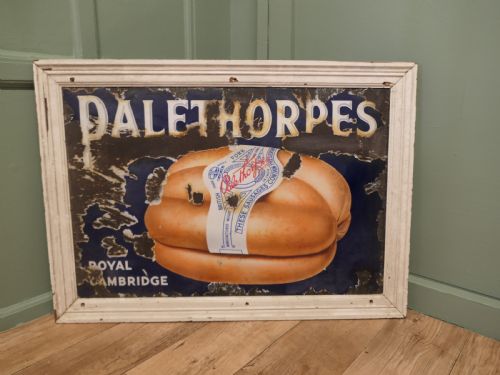
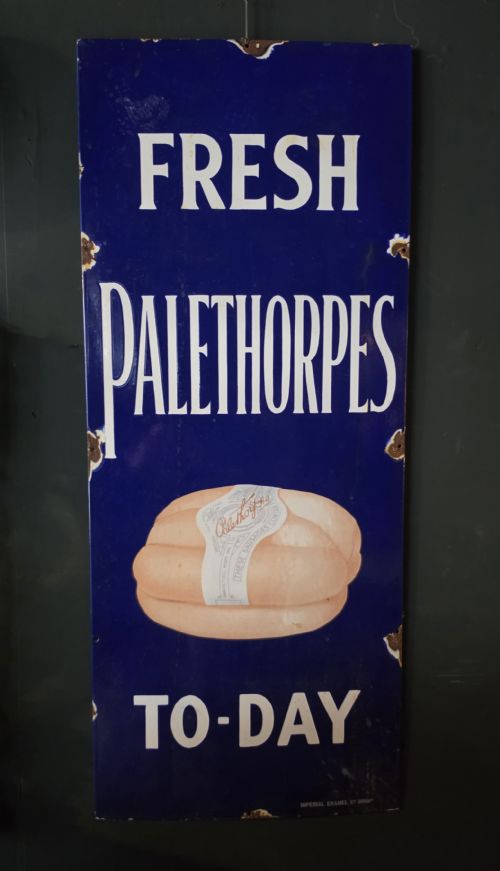
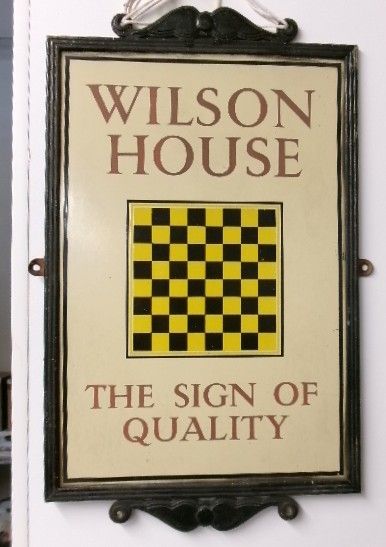
An antique shop plaque encompasses advertising signs, trade signs, wall signs, and decorative tiles that once identified businesses and professions. The listings show forms ranging from Victorian wall signage to French industrial street markers and early twentieth-century pictorial enamel signs.
Buyers meet pieces originating from the nineteenth century, the Edwardian era, and the nineteen-twenties. Common subjects include grocers, butchers, bootmakers, locksmiths, and pharmacies, reflecting the varied commercial life of past high streets.
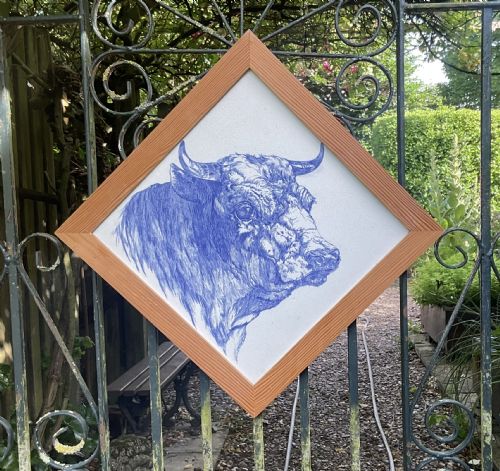
Materials vary widely between metal, glass, wood, and ceramic. Pieces like the Mintons butcher's tile represent architectural ceramics, while others take the form of shaped sheet metal or reverse glass paintings.
Materials and construction
Vitreous enamel applied to iron or sheet metal created durable exterior advertising signs capable of withstanding weather. These glossy surfaces preserved bold typography and pictorial illustrations for decades.
Painted glass and reverse glass techniques offered polished interior signage, often mounted within original wooden frames. Artisans also employed beaten copper embossed panels, brass casting, and carved wood to shape trade signs into recognizable objects like pocket watches or cutlery.
Antique Shop Plaque Retail Price Guide 2026
Typical asking prices for shop plaque among the pieces listed under this phrase on Sellingantiques today, from the lower quarter to the upper quarter. They describe what is for sale here now, not the wider market.
A trade sign modelled as a pocket watch hangs alongside a brass spoon and fork.
Assessing quality and character
The distinction between ordinary signage and exceptional pieces lies in the strength of the graphic design and the integrity of the original materials. Pictorial elements, such as specific food products or trade tools, carry stronger visual appeal than standard lettering.
Preservation of the original surface finish, whether baked enamel, oil paint, or gilt lettering, defines the visual impact. Signs retaining their original wooden frames, mounting brackets, or structural hardware hold greater historical coherence.
The Antique Shop Plaque Glossary
- Vitreous enamel
- A material made by fusing powdered glass to a substrate by firing, producing a durable, glossy coloured surface.
- Trade sign
- A sculptural or painted marker shaped like the goods or tools of a specific profession to advertise a business.
- Reverse glass painting
- An artistic technique where the image is painted directly onto the back of a glass pane to be viewed from the front.
- Pictorial sign
- An advertising board featuring an illustrated depiction of a product or animal rather than text alone.
Antique Shop Plaque: Frequently Asked Questions
Where were shop plaques displayed?
These plaques were mounted outside shopfronts, above doorways, or inside windows to catch the attention of passers-by and street traffic. They served as permanent landmarks for local businesses.
Some smaller items, such as decorated tiles or framed glass notices, hung inside the interior trading space near counters or behind display cabinets.
How do I care for an enamel sign?
Vitreous enamel surfaces require only gentle cleaning with mild soapy water and a soft cloth to remove accumulated dust and grime. Avoid abrasive cleaners that might dull the glossy finish.
Keep metal edges and backing plates dry to prevent rust formation, particularly if the piece has areas of exposed iron.
What trades are commonly represented?
Surviving plaques frequently represent butchers, grocers, confectioners, chemists, and locksmiths. Food manufacturers and household goods also feature prominently on advertising boards.
Tool shapes and specific product names help identify the exact trade associated with each piece of signage.
Are these signs weatherproof?
Enamel and metal signs were originally engineered for outdoor exposure, but age makes the underlying iron susceptible to corrosion if left outside. Modern interior display protects the remaining paint, glass, and metal from moisture.
Wall mounting indoors ensures stable humidity and preserves the original structural integrity of the frames and fixings.