






Antique Shop Fittings Oak
Antique shop fittings oak pieces bring commercial heritage straight into domestic rooms through heavy timber counters, tall cabinets and display tables.
Antique Shop Fittings Oak
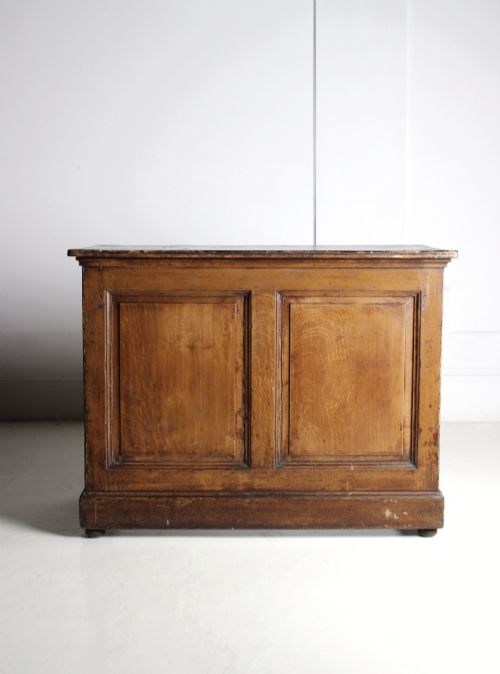
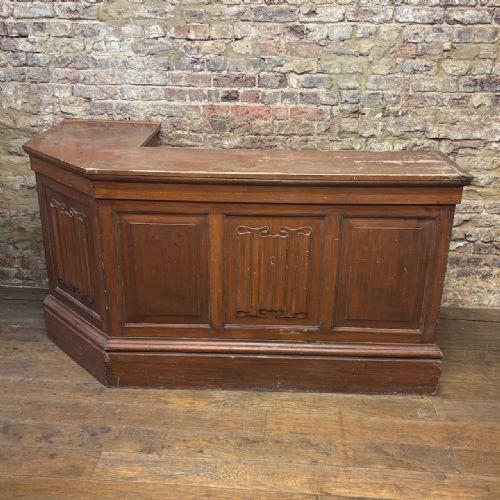
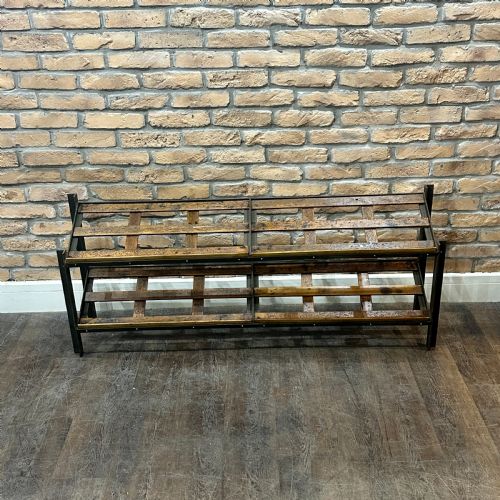
When you search for antique shop fittings oak, you are looking at utilitarian commercial furniture designed for merchants, tailors and drapers during the nineteenth and early twentieth centuries. These pieces survive in forms ranging from expansive shop counters and haberdashery cabinets to smaller countertop glass cases, paper roll dispensers and hat stands. The examples you meet on this page span the Victorian and Edwardian eras into the Art Deco period, capturing the evolution of retail display from closed storage to bright visual merchandising.
Large commercial counters form the backbone of these listings, often featuring panelled timber construction and generous display surfaces originally intended to serve customers in bustling emporiums. Haberdashery cabinets provide another prominent category, offering banks of shallow drawers designed to organise ribbons, buttons and small textiles for efficient retrieval. Alongside these major items, you encounter specialised pieces like oak framed triple dressing mirrors, bookcase cabinets and heavy display tables rooted in French provincial and British commercial traditions.
How they were made
Makers built these commercial fixtures primarily from solid oak, chosen for its rugged durability under heavy daily use in busy shops. They combined this dense timber with glass for visibility, brass and bronze for hardware, and occasional chrome or paint accents to reflect changing decorative tastes across the decades. Joinery was robust and functional, designed to withstand constant opening of drawers, leaning of customers, and the weight of stocked merchandise.
Interior framing often incorporated pine for hidden structural elements, while exterior surfaces displayed the natural grain of golden, light or dark oak. Glazing techniques evolved from simple panes held in timber rebates to more elaborate bevelled glass and metal-framed display doors. Hardware such as brass pulls, handles and bronze mountings added both utilitarian strength and subtle decorative contrast to the timber.
Antique Shop Fittings Oak Retail Price Guide 2026
Typical asking prices for shop fittings oak among the pieces listed under this phrase on Sellingantiques today, from the lower quarter to the upper quarter. They describe what is for sale here now, not the wider market.
Listings feature oak shop fittings across multiple eras, spanning Victorian, Edwardian, Arts and Crafts, Art Deco, and 1930s commercial periods.
What varies in quality
The distinction between standard commercial utility and superior craftsmanship rests in the ambition of the design and the integrity of the materials. Pieces produced by specialist outfitters display more refined proportions, sophisticated moulding profiles, and superior timber selection compared to anonymous workshop output. Original hardware, intact bevelled glass and well-preserved internal dividers elevate the standing of a cabinet or counter significantly.
Proportion and scale also dictate the appeal of these fixtures, as grander dimensions require heavier framing and more complex panel construction to maintain stability. The retention of original finishes, whether light oak or deep Victorian polish, preserves the visual authenticity of the piece. When elements like brass fittings or mirror plates remain undisturbed, the item reflects its original commercial context more convincingly.
Dudley & Co
The Antique Shop Fittings Oak Glossary
- Haberdashery cabinet
- A tall or counter-height chest fitted with numerous shallow drawers, frequently fronted with glass panels to display small sewing goods and merchant wares. These units allowed shop assistants to locate stock instantly while keeping delicate items protected from dust.
- Shop counter
- A substantial wooden barrier separating the merchant from the customer, usually incorporating display glazing, shelving or panelled fronts facing the public. They served as the central workspace for wrapping goods and conducting transactions.
- Countertop display case
- A smaller glass-enclosed cabinet designed to sit atop a main counter, drawing the eye of the customer to high-value merchandise or seasonal novelties. They feature hinged or sliding rear doors for access by the shopkeeper.
- Arts and Crafts
- A design movement prioritising traditional craftsmanship, visible construction methods and the natural beauty of materials over mass-produced ornamentation. In oak fittings, this appears as honest joinery and subtle, hand-finished detailing.
Antique Shop Fittings Oak: Frequently Asked Questions
What rooms suit antique shop fittings oak furniture?
These robust commercial pieces adapt readily to domestic interiors, where their generous proportions and practical storage excel in kitchens, dining rooms and studies. Large counters function effectively as kitchen islands or sideboards, while haberdashery cabinets organise collections or tableware.
Tall display cabinets and mirrors introduce architectural weight and reflective light into hallways and living spaces. Their utilitarian origins ensure they complement both contemporary minimalism and traditional interiors.
How do I identify Victorian oak shop fittings?
Victorian pieces typically display darker oak finishes, heavier moulding profiles, and traditional brass hardware reflecting nineteenth-century commercial standards. Their construction prioritises sheer structural strength, often utilising thick timber panels and robust internal framing.
Later Edwardian and 1920s examples often introduce lighter oak tones, increased glass usage, and more refined proportions to brighten retail spaces. Comparing the joinery and hardware styles helps distinguish mid-Victorian work from later twentieth-century commercial output.
Were these fittings used only in drapery shops?
While haberdashery cabinets and multi-drawer counters originated in drapery and sewing establishments, oak fittings served a wide variety of merchants. Hat stands, display tables and triple dressing mirrors equipped tailors, milliners and general outfitters.
Specialised countertop dispensers and glass cases accommodated grocers, stationers and pharmacists. The adaptability of oak meant merchants across diverse trades utilised these versatile fixtures.
How should I care for antique oak shop furniture?
Maintain oak surfaces by dusting regularly with a soft cloth and avoiding excessive moisture or direct sunlight that can dry out the timber. Natural wax finishes benefit from occasional gentle feeding to preserve the sheen of the grain.
Handle glass doors and brass hardware with care to protect original mountings and hinges. Ensuring stable room humidity prevents the timber from warping or splitting over time.