




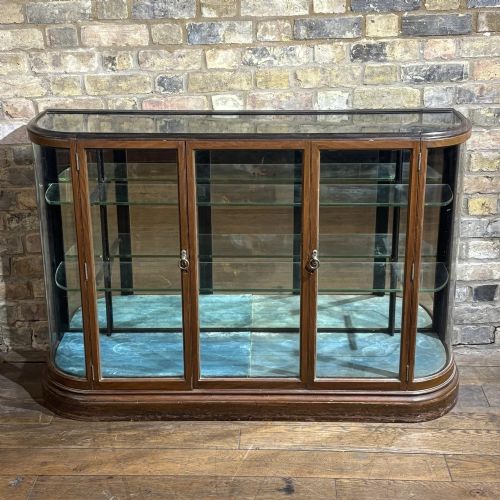


Antique Shop Counter Case
An antique shop counter case brings the tactile history of commerce directly into a modern room, offering glass and timber protection for small collections.
Antique Shop Counter Case
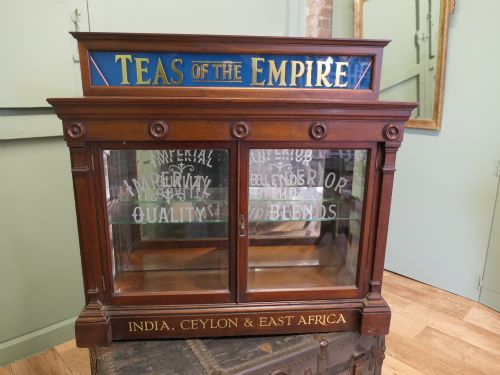
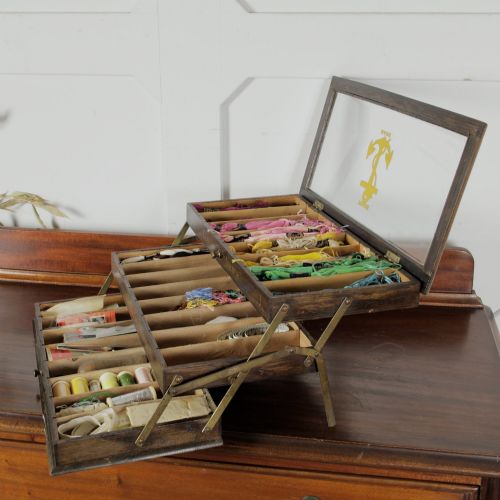
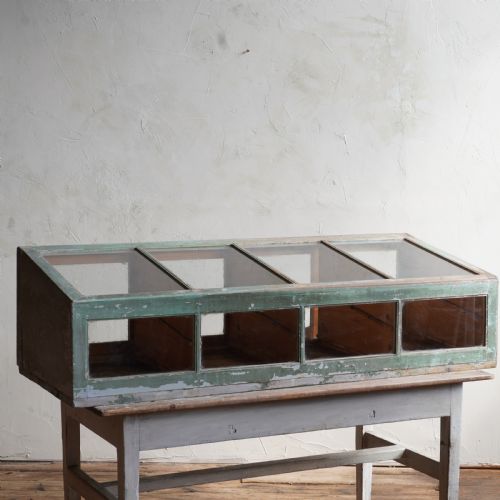
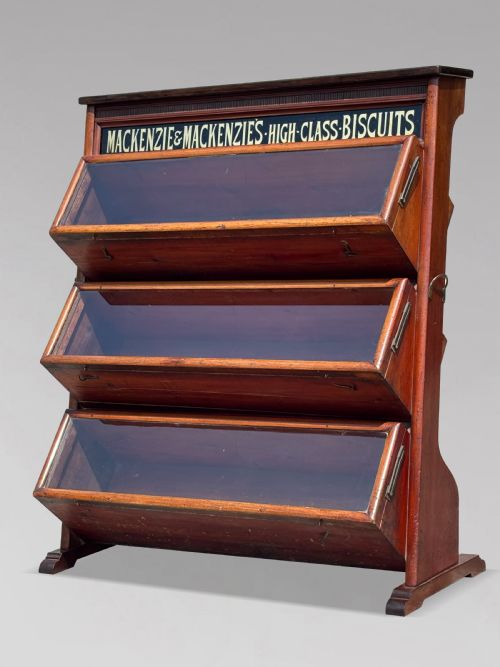
When searching for an antique shop counter case, buyers encounter glazed timber and metal enclosures designed to sit upon retail counters or stand independently in shops. These pieces range from compact countertop display cases to large display counters that once housed confectionery, soap, biscuits, and haberdashery. The items seen on this page span the Victorian era, the Edwardian period, and the 1920s and 1930s commercial styles.
The most common versions met here are mahogany and oak countertop display cabinets dating from the early twentieth century. Many carry branding from prominent manufacturers or period retailers, while others utilise straightforward commercial glazing designed to present goods clearly to customers. Form follows function closely in these pieces, with hinged or sliding rear doors allowing shopkeepers easy access to the interior.
Materials and construction methods
Makers relied heavily on solid hardwoods like mahogany and oak to construct the main frames, providing durability for heavy daily commercial use. Large glass panes secured with wooden glazing bars or metal frames ensured maximum visibility of the merchandise from all angles.
Interiors frequently incorporated mirrored backs to reflect light and amplify the appearance of the contents, alongside velvet lining or polished wood bases. Structural integrity was maintained through precise joinery, brass hardware, and occasionally aluminium or ebonized framing in later Art Deco and 1930s examples.
Antique Shop Counter Case Retail Price Guide 2026
Typical asking prices for shop counter case among the pieces listed under this phrase on Sellingantiques today, from the lower quarter to the upper quarter. They describe what is for sale here now, not the wider market.
Listings on this site feature shop display pieces spanning the Victorian era, the Edwardian period, and the 1920s and 1930s.
Distinguishing quality in commercial display furniture
Quality in an antique shop counter case rests on the integration of materials and the sophistication of the joinery rather than mere ornamentation. Superior examples display refined timber framing, such as bow ends or pentagonal geometry, executed by established shopfitters rather than local jobbing carpenters.
The integrity of the original glass, the smooth operation of sliding or hinged rear doors, and surviving manufacturer or brand plaques elevate certain pieces significantly. Lower tiers of quality typically involve simpler rectilinear pine or oak framing with standard plate glass and minimal architectural detailing.
F. Sage & Co.·John Stow Ltd·Saml. Elliott & Sons
The Antique Shop Counter Case Glossary
- Countertop display cabinet
- A glazed enclosure built specifically to sit atop a shop retail counter for eye-level customer viewing. These pieces usually feature rear access doors for the shopkeeper.
- Haberdashery cabinet
- A specialised retail case traditionally utilised for storing and displaying sewing accessories, threads, and small garments. They often incorporate multiple shallow drawers or glass-fronted compartments.
- Mechanical dispensing cabinet
- A specialised retail unit incorporating moving internal mechanisms to distribute goods upon actuation. These are frequently associated with proprietary soap or confectionery brands.
- Bow end
- A curved glass or timber termination at one or both ends of a display cabinet. This feature softens the rectangular profile and enhances visibility from multiple angles.
- Ebonized
- Wood finished with a dark stain or lacquer to imitate the appearance of ebony. This treatment was common on display cases from the late nineteenth century onward.
Antique Shop Counter Case: Frequently Asked Questions
What did they display?
These cases originally held high-value or small retail goods such as chocolates, biscuits, soap, sewing cottons, and pharmaceuticals. Shopkeepers used them to keep stock clean and secure while maintaining high visibility for customers.
Over time, these commercial units transitioned from active retail environments into domestic settings where collectors display small antiques, ceramics, and curiosities.
How do I date one?
Dating relies on timber selection, hardware, framing styles, and any surviving manufacturer markings or advertising branding. Victorian examples typically feature heavy mahogany or oak with traditional joinery, while Edwardian and 1920s versions often introduce curved glass and lighter framing.
Later 1930s pieces occasionally incorporate modern materials like aluminium frames alongside Art Deco design motifs. Maker plaques from firms like F. Sage and Co. also help narrow down the manufacturing decade.
Are mirrors original?
Mirrored interiors were a standard factory feature in many retail display cabinets to brighten dark shop interiors and make contents appear more abundant. Original mirrors generally show authentic signs of age, such as faint foxing or slight silvering degradation at the edges.
Plain glass or wooden backs were also common depending on whether the cabinet was meant to stand against a wall or serve customers from an island counter position.
How do I clean the glass?
Cleaning antique glass requires mild solutions applied to a soft cloth rather than directly onto the cabinet, preventing moisture from seeping into aged wooden frames or painted advertising surfaces. Care must be taken around original putty, foil lettering, and delicate interior velvet linings.
Harsh chemical ammonia cleaners should be avoided entirely to protect both the historical glass and surrounding timber finishes.