







Antique Shop Case
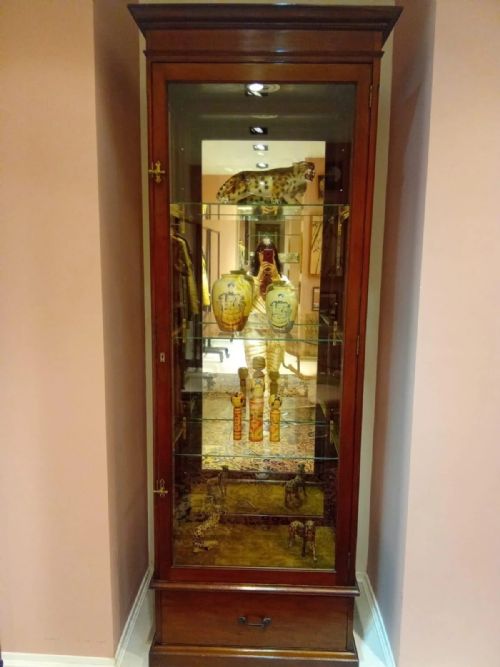
An antique shop case brings the character of old retail into domestic spaces, offering glazed protection for cherished collections.
Antique Shop Case
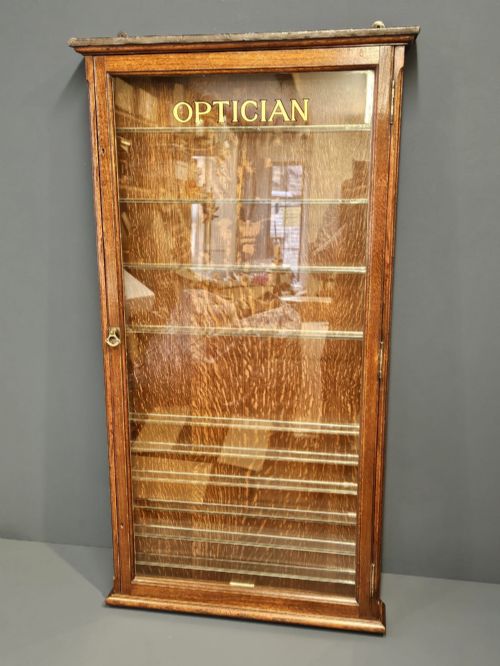
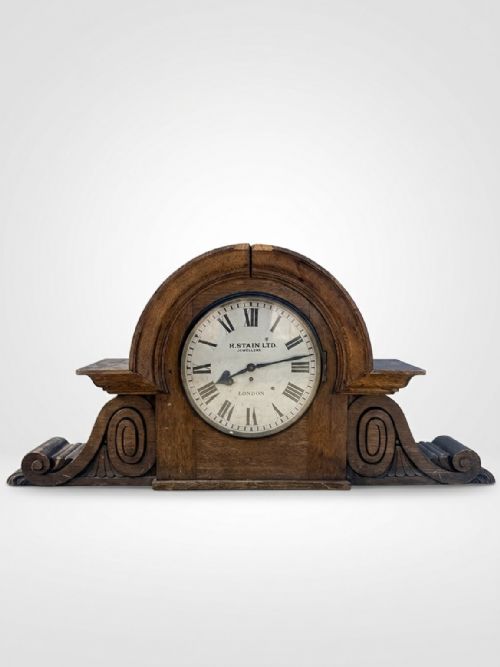
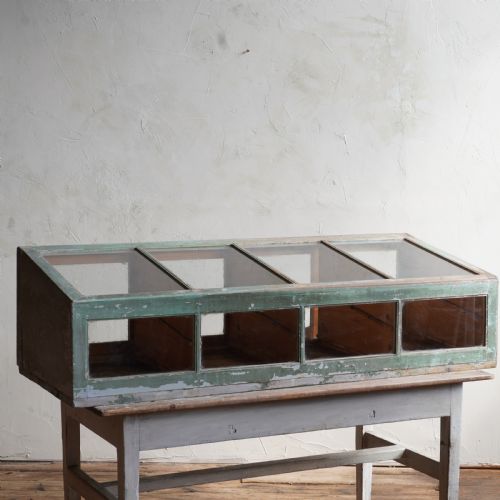
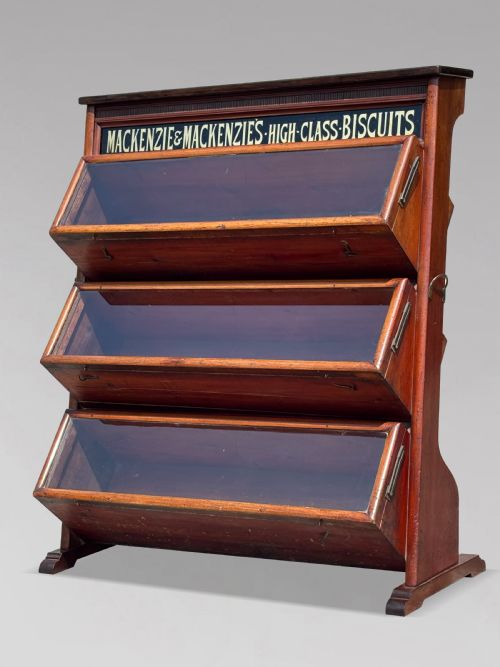
When you search for an antique shop case, you encounter functional furniture designed for trade, from countertop dispensers to large floor-standing counters. These pieces originate primarily from the Victorian and Edwardian eras through to the 1930s, reflecting the commercial needs of chemists, grocers, and jewellers.
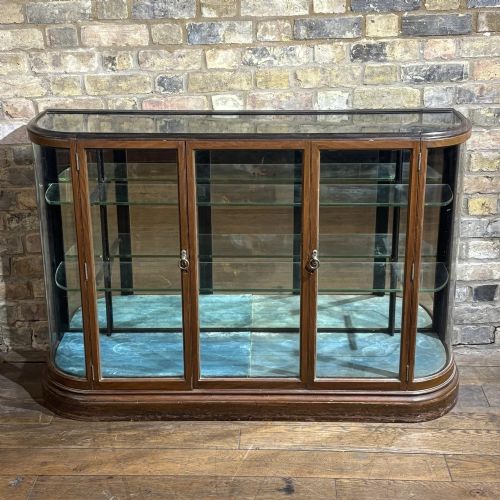
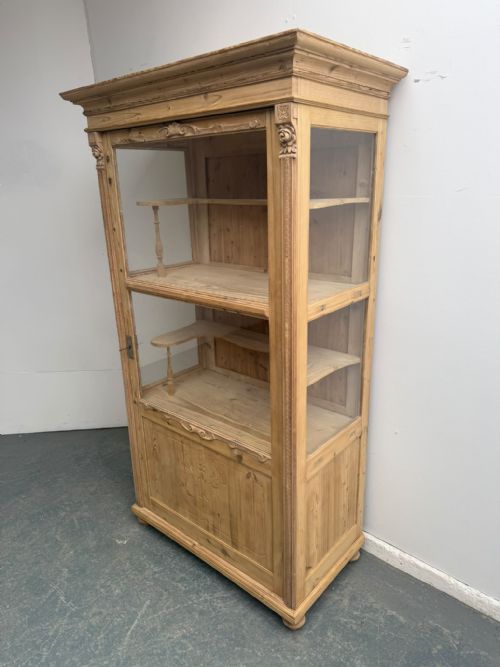
The most common versions on this page are mahogany and oak display cabinets, often featuring glass panels and adjustable shelves. Many bear the marks of specific past retailers or manufacturers, housing goods from biscuits and chocolate to sewing cottons and pharmacy supplies.
Materials and construction
These cases rely heavily on timber frames of mahogany and oak, occasionally finished in ebonised wood or pine. Glass provides the viewing panels and shelves, allowing merchandise maximum visibility while keeping stock secure.
Brass fittings and mirror glass appear frequently to enhance internal light and structural rigidity. Aluminium frames emerge in later 1930s pieces, showing a shift towards more industrial materials in retail design.
Antique Shop Case Retail Price Guide 2026
Typical asking prices for shop case among the pieces listed under this phrase on Sellingantiques today, from the lower quarter to the upper quarter. They describe what is for sale here now, not the wider market.
Several cabinets once dispensed soap and sewing cottons, proving that Victorians loved automated retail just as much as we do today.
Distinctions in quality
Quality in an antique shop case rests on the integrity of the timber framing and the clarity of the original glass. Finer examples display meticulous joinery, such as bow ends or pentagonal shapes, designed to catch the eye of historical customers.
Makers' marks and specialised retail hardware, like mechanical dispensing mechanisms or branded lettering for firms like F. Sage & Co, elevate a piece above standard utility furniture. The presence of original mirrored interiors and adjustable shelving also dictates the desirability of a cabinet.
F Sage And Co·John Stow Ltd
The Antique Shop Case Glossary
- Countertop display cabinet
- A glazed case built to sit upon a shop counter for close customer inspection of small goods.
- Haberdashery case
- A specialised storage unit originally used for selling sewing cottons, ribbons, and small textile accessories.
- Mechanical dispensing cabinet
- A retail case equipped with internal levers or mechanisms to deliver product directly to the buyer.
- Bow end
- A curved glass or timber termination at the corner of a cabinet, providing an unobstructed side view.
- Ebonised
- Wood finished with a dark stain or lacquer to imitate the appearance of ebony.
Antique Shop Case: Frequently Asked Questions
What were antique shop cases used for?
These cases held merchandise securely on shop counters and walls while allowing customers to view small high-value items or confectionary.
Merchants utilised them to protect stock from dust and handling while promoting brand names like Fry's Chocolate or Knight's Castile Soap.
How do I date an antique shop case?
Dating relies on timber choices, construction techniques, and stylistic clues like Art Deco geometry or Victorian proportions.
Makers' plates and original painted advertising lettering also help narrow the manufacturing decade.
Are shop cases suitable for modern homes?
Collectors frequently use these glazed cabinets in living rooms or kitchens to display ceramics, books, and curiosities.
The glass panels keep collections dust-free while bringing historical character into domestic interiors.
What is the difference between a wall cabinet and a counter?
Wall cabinets feature brackets or flat backs for mounting above eye level to save floor space in compact shops.
Counters incorporate display space into a functional shop furniture piece where transactions took place.