




Antique Ship Instrument
These antique ship instrument pieces bring the exact brass, wood and glass of historic navigation straight into a room.
Antique Ship Instrument
An antique ship instrument covers the specialised tools used for navigation, timekeeping and weather observation at sea. Buyers searching this phrase examine a diverse range of maritime equipment originating from the nineteenth and twentieth centuries.
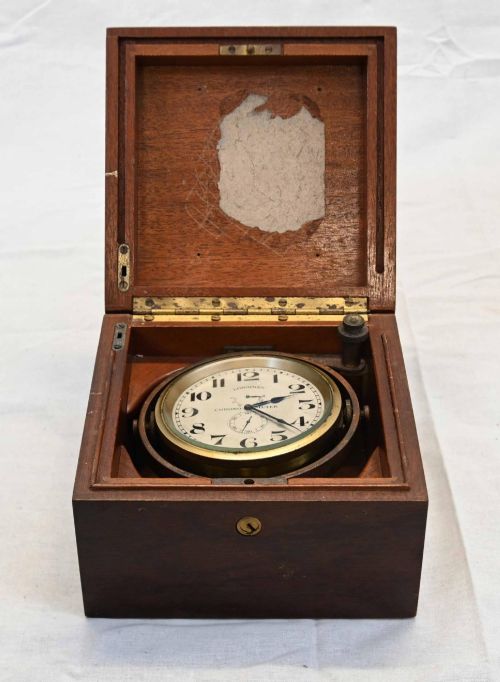
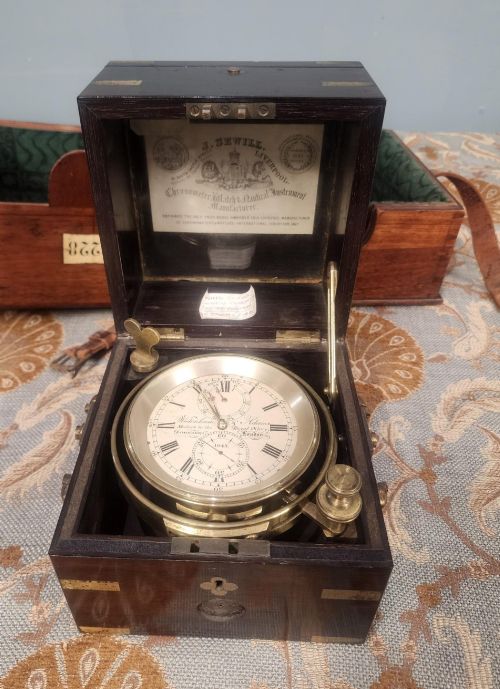
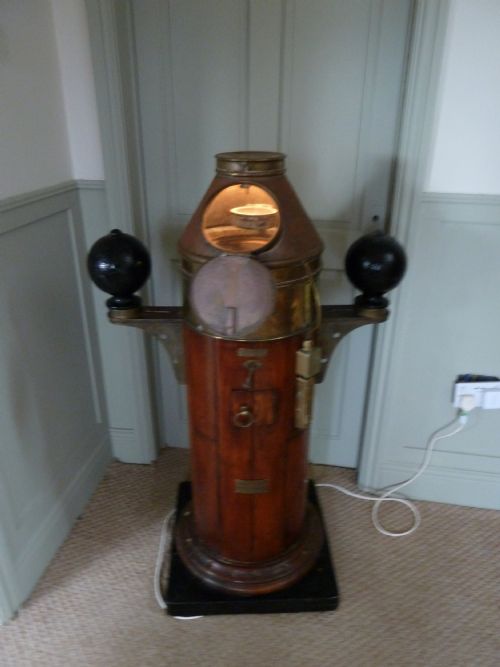
The selection on this page centres on practical objects adapted for life on board vessels, including marine stick barometers, chronometers, bulkhead clocks, binnacles, compasses and hourglasses. These items reflect the technical demands of maritime travel across Georgian, Victorian and Edwardian periods.
Victorian examples in mahogany, rosewood and brass appear frequently alongside later twentieth-century instruments. Each piece retains the functional design originally required by sailors to measure time, pressure and direction.
How they were made
Maker workshops constructed these instruments using durable materials capable of withstanding moisture and constant motion at sea. Solid brass provides the structural casing for dials and gimbals, while polished hardwoods such as mahogany and rosewood form the mounting plaques and barometer bodies.
Silvered metal dials display engraved graduations designed for clear reading under changing light conditions. Glass covers protect delicate needles, mercury columns and clock faces, secured tightly into heavy metal frames.
Antique Ship Instrument Retail Price Guide 2026
Typical asking prices for ship instrument among the pieces listed under this phrase on Sellingantiques today, from the lower quarter to the upper quarter. They describe what is for sale here now, not the wider market.
An early nineteenth-century sand glass reminds us that before mechanical clocks dominated navigation, measuring time meant watching sand slide through glass.
What varies in quality
Quality in an antique ship instrument depends on the precision of the mechanics and the integrity of the materials. Signed pieces by established makers such as Thomas Mercer or Litherland Davies demonstrate superior mechanical execution compared to unmarked workshop productions.
The grade of timber selection and the weight of the cast brass fittings also divide standard utilitarian equipment from finer navigation gear. Crisp engraving on silvered dials and original gimbal mounts indicate higher standards of period craftsmanship.
Thomas Mercer·Litherland Davies·Bate of London·H Hughes·Gowland London
The Antique Ship Instrument Glossary
- Chronometer
- A highly accurate marine timekeeper designed to determine longitude at sea. These spring-detent clocks sit within gimbaled boxes to remain level despite ship movement.
- Binnacle
- A wooden or metal housing positioned in front of the helmsman to hold the ship compass and correction magnets. It protects the navigation compass from iron interference.
- Clinometer
- An instrument used for measuring the angle of a ship roll or tilt. Sailors utilise this gauge to monitor vessel list during heavy weather.
- Barocyclonometer
- A specialised meteorological barometer designed to detect approaching tropical cyclones and typhoons. This complex instrument combines barometric pressure readings with wind vector data.
- Gimbal
- A pivoted ring support that allows a compass or chronometer to remain horizontal regardless of the pitch and roll of a vessel.
Antique Ship Instrument: Frequently Asked Questions
How do marine barometers work?
Marine barometers measure atmospheric pressure changes using enclosed mercury columns or aneroid capsules. Changes in pressure indicate shifts in weather conditions at sea.
These instruments typically feature gimbal mounts to keep the vertical column steady against the movement of a vessel.
Where were these instruments placed on a ship?
Navigation instruments found placement in specific areas depending on their function. Compasses and binnacles sat on the open deck near the helm, while chronometers and barometers rested in the captain cabin or chart room.
Bulkhead clocks and barometers attached directly to cabin walls to remain secure during voyages.
How do I care for brass and wood?
Maintain brass components by dusting regularly with a soft dry cloth without harsh chemical polishes. Polishing erases patination and fine maker engravings over time.
Keep wood frames away from direct sunlight and extreme humidity changes to preserve the original finish of mahogany and rosewood.
What is a marine chronometer?
A marine chronometer is a portable timekeeping device built to maintain extreme accuracy despite temperature fluctuations and motion. Navigators relied on Greenwich Mean Time displayed by the chronometer to calculate longitude.
These clocks operate within fitted wooden cases, often secured on brass gimbals.