





Antique Shepherd Art
Antique shepherd art captures pastoral scenes and rural figures across oils, watercolours and carved wood.
Antique Shepherd Art
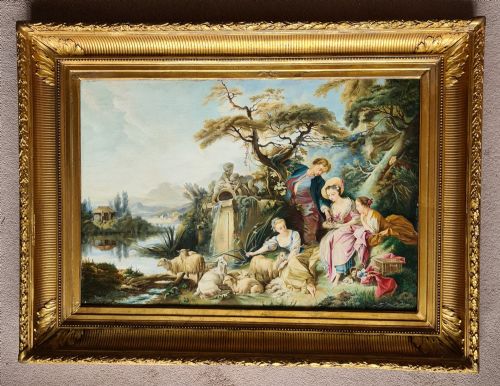
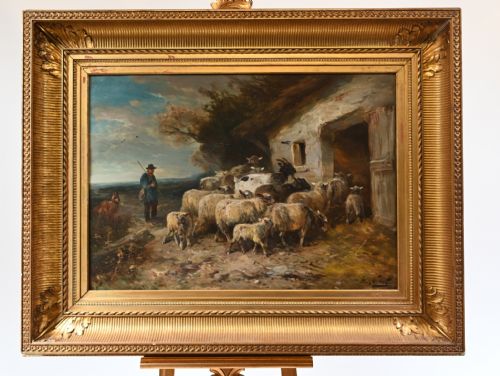
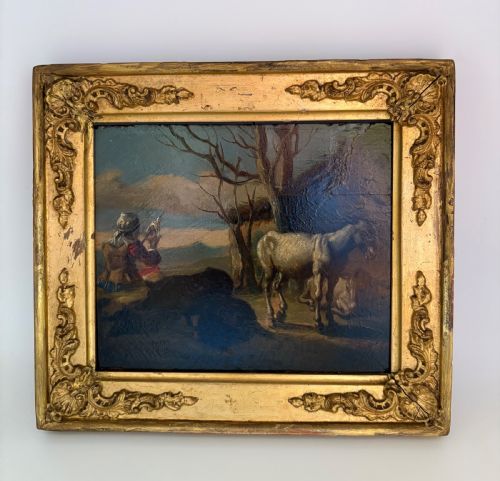
When searching for antique shepherd art, buyers encounter pastoral paintings, watercolours and drawings depicting rural life, flocks and herdsmen. These works span the eighteenth, nineteenth and early twentieth centuries, reflecting changing British and European tastes in country scenes.
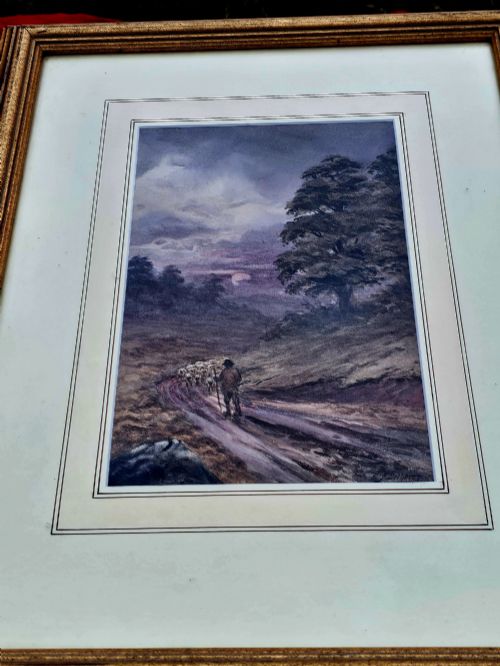
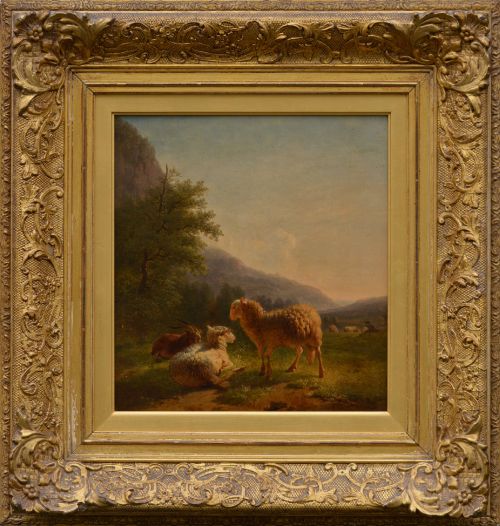
The most common pieces on this page are nineteenth-century watercolours and oil paintings on canvas, often showing drovers, flocks and rolling landscapes. Alongside flat art, the selection includes carved wood figures, ceramic statuettes and decorative objects featuring pastoral motifs.
Makers and artists range from named Victorian painters to folk art carvers and European porcelain potteries. The subjects bridge fine art landscapes and practical rural items adorned with shepherd imagery.
Materials and techniques
Canvas, wood, paper and glass form the primary material foundation of these works, paired with oil paint, watercolour, bodycolour and charcoal. Painters layered oils on canvas or oak panels, while watercolour artists worked on paper substrates.
Carved pieces utilise solid timber, sometimes incorporating polychrome decoration or giltwood frames. Ceramics such as Royal Dux porcelain utilise moulded earthenware finished with painted details and occasional gilding.
Antique Shepherd Art Retail Price Guide 2026
Typical asking prices for shepherd art among the pieces listed under this phrase on Sellingantiques today, from the lower quarter to the upper quarter. They describe what is for sale here now, not the wider market.
A German shepherd dog takes sculptural form as a carved walking stick handle and an illuminated night light.
Factors of quality
The standard of execution in draughtsmanship and brushwork distinguishes finer paintings from simpler decorative items. Master artists capture light, atmosphere and anatomical accuracy in human and animal figures with greater precision.
Material preservation and original framing significantly influence the integrity of flat art and objects. Intact surfaces without excessive restoration maintain the historical character intended by the maker.
George Sydney Shepherd·Eugène Verboeckhoven·Henry Charles Fox·George Turner·Anthonij Anton Mauve·Owen Bowen
The Antique Shepherd Art Glossary
- Watercolour
- A paint consisting of pigment suspended in a water-based solution, applied to paper. It allows for translucent washes of colour.
- Bodycolour
- Watercolour mixed with a white pigment to make it opaque. Artists utilise this technique to add highlights and solid areas of tone.
- Giltwood
- Wood that has been coated with a thin layer of gold leaf or gesso and gold paint. It frequently forms the decorative finish on traditional picture frames.
- Oak Panel
- A flat board of solid oak used as a rigid support for oil paintings before canvas became standard. It provides a stable base for early works.
- Pastoral Landscape
- A genre of art depicting rural life, shepherds, flocks and idealized country scenery. These compositions emphasise tranquility and agrarian themes.
Antique Shepherd Art: Frequently Asked Questions
What subjects appear in shepherd art?
These works typically show drovers, flocks of sheep, rural farmsteads and open countryside. Scenes range from quiet English lanes to mountainous European pastures.
Artists often focused on the daily routines of rural workers and their animals, capturing changing light and weather across different seasons.
How do I date an oil painting?
Dating relies on stylistic markers, framing techniques and the physical support material. Canvas types, stretcher construction and pigment analysis offer further clues.
Signatures, exhibition labels and recorded artist biographies help narrow the period of creation to a specific decade or century.
Where should I display watercolours?
Watercolours require placement away from direct sunlight to prevent fading of the pigments and paper. UV-filtering glass provides essential protection during framing.
Stable indoor humidity and temperature help preserve paper and prevent the growth of mould or foxing.
What is pastoral art?
Pastoral art romanticises rural life and agricultural labour, focusing on harmony between humans, animals and nature. This genre gained popularity during the Victorian era.
Collectors appreciate these pieces for their nostalgic portrayal of pre-industrial landscapes and traditional farming communities.