




Antique Shell Furniture
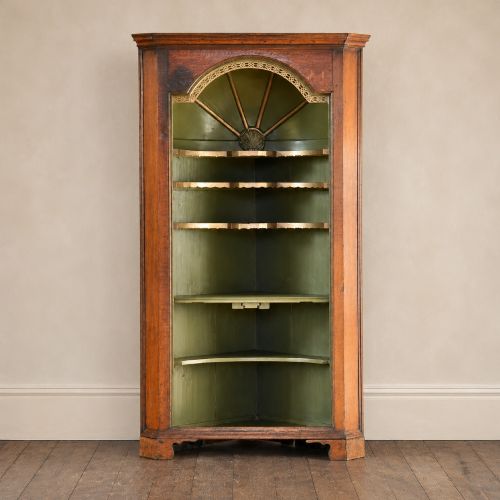
Antique shell furniture brings intricate natural motifs and finely figured woods into the interior, offering a distinct connection to historic grotto and marquetry traditions.
Antique Shell Furniture
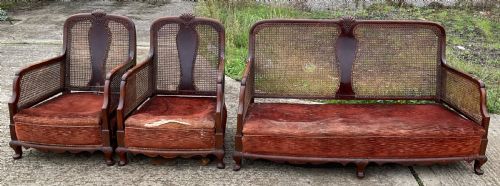
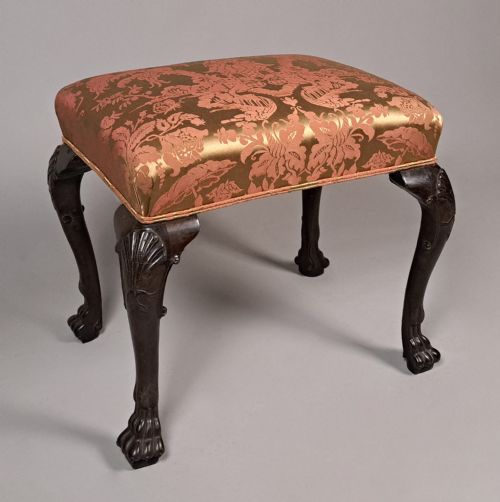
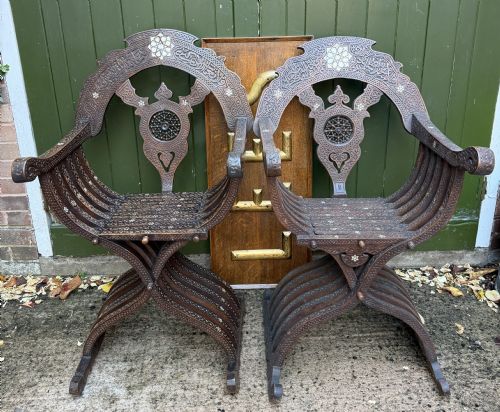
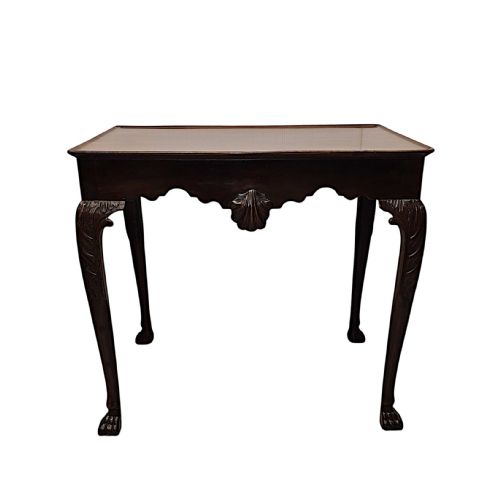
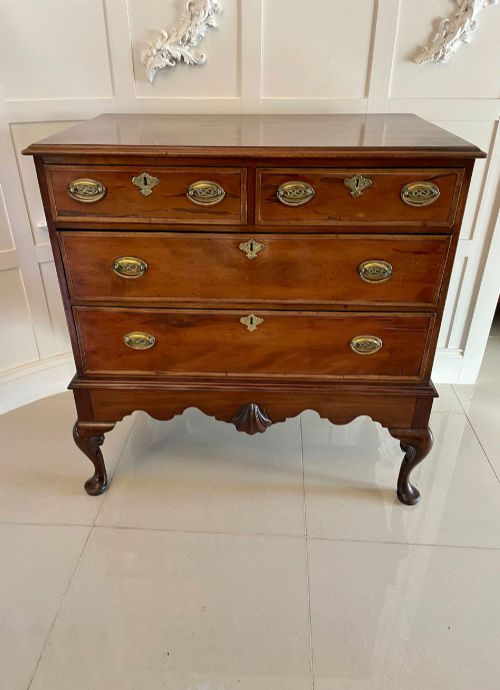
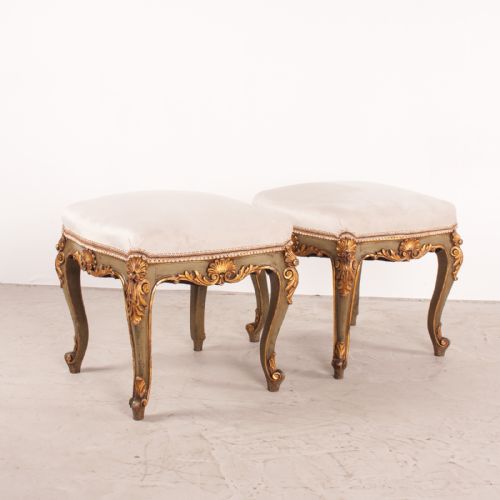
When you search for antique shell furniture, you encounter items defined by carved marine motifs or inlaid marquetry panels depicting shells, spanning the eighteenth and nineteenth centuries. The selection includes occasional tables, work tables, and decorative seating pieces originating from English, Irish, and Continental workshops.
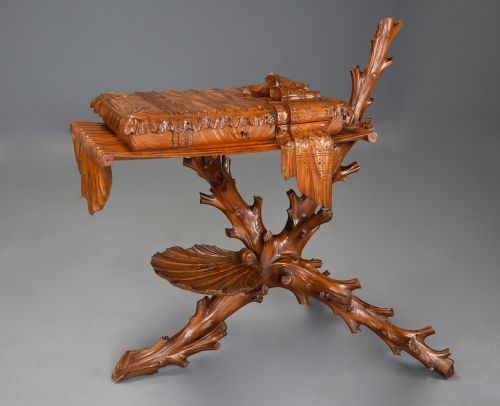
You are most likely to meet Edwardian work tables featuring delicate shell inlays alongside nineteenth-century Italian grotto tables and carved pine pieces. These forms reflect sustained interest in marine ornamentation across multiple historical periods, uniting practical household objects with ornate naturalistic design.
Materials and construction methods
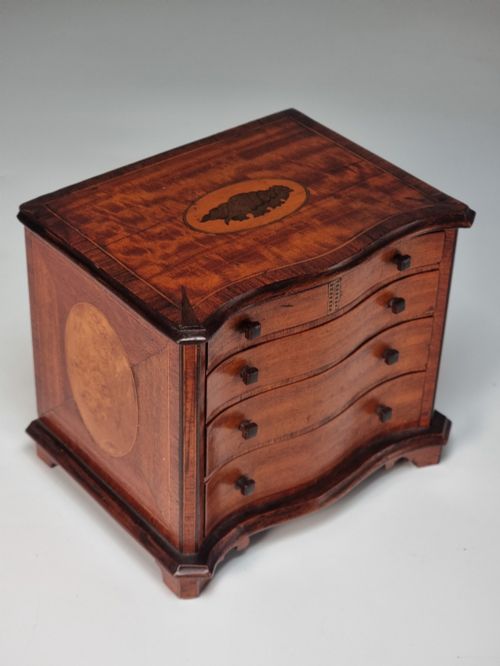
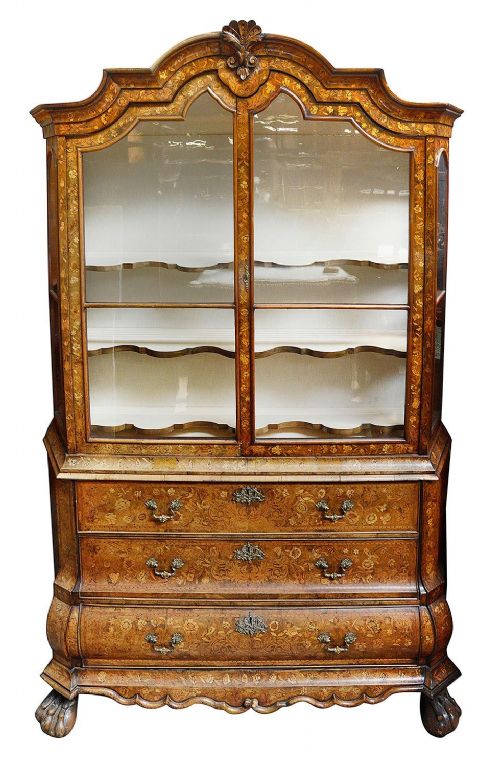
Craftsmen built these pieces using dense hardwoods like mahogany, walnut, oak, and satinwood, frequently employing burr walnut veneers to create rich surface movement. Marquetry panels incorporated contrasting timbers to delineate the curves and fluting of natural shell motifs.
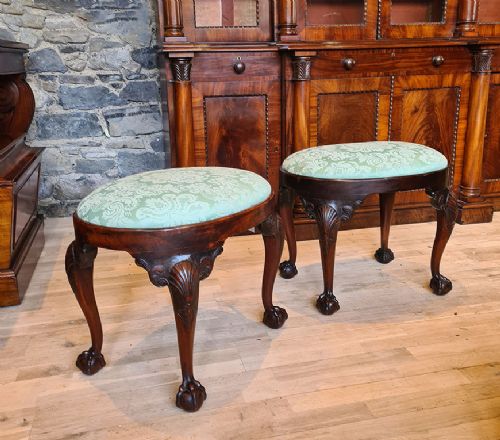
Carved wooden elements utilised seasoned pine and mahogany, shaped by hand with gouges and chisels to achieve the three-dimensional relief seen on grotto and rococo revival items. Joinery relied on traditional methods suited to each period, supporting heavy carved tops and delicate inlaid legs alike.
Antique Shell Furniture Retail Price Guide 2026
Typical asking prices for shell furniture among the pieces listed under this phrase on Sellingantiques today, from the lower quarter to the upper quarter. They describe what is for sale here now, not the wider market.
The listings span from 1750 through the Georgian, Victorian, and Edwardian eras, showcasing mahogany, walnut, and satinwood across tables, chests, and chairs.
Assessing quality and execution
The distinction between ordinary and exceptional pieces lies in the crispness of the hand carving and the precision of the timber matching. Inlaid marquetry demonstrates superior execution when individual wood grains align naturally to suggest the radiation and depth of a shell.
Structural integrity also separates the output of standard joiners from master workshops, visible in the stability of leg joints and the fluent rhythm of carved details. Finer examples retain balanced proportions and uncompromised surface patination that reflect deliberate artistic intent.
A. F. Lloyd·Gillows
The Antique Shell Furniture Glossary
- Marquetry
- A decorative technique where small pieces of veneered wood are fitted together to form pictorial designs on a surface. This method creates the detailed shell patterns found on cabinet furniture.
- Grotto style
- An architectural and decorative mode inspired by caves and marine elements, popular in eighteenth and nineteenth-century furniture. It relies heavily on shell carvings, coral motifs, and textured woodwork.
- Satinwood
- A durable, lustrous timber native to India and Ceylon, prized for its golden colour and silky sheen. Furniture makers utilised it for contrasting inlays and delicate work tables.
- Burr walnut
- Wood taken from a walnut tree growth, featuring swirling, highly ornamental grain patterns. It provides a rich visual texture highly favoured on cabinet fronts and tabletops.
- Lowboy
- A small seventeenth or eighteenth-century dressing table or side table with a low drawer arrangement supported by slender legs. These tables often display refined cabriole legs and polished wooden tops.
Antique Shell Furniture: Frequently Asked Questions
What is antique shell furniture?
Antique shell furniture encompasses tables, cabinets, and seating adorned with carved marine motifs or intricate marquetry shell designs. These pieces originate primarily from eighteenth, nineteenth, and early twentieth-century workshops in Britain, Ireland, and Continental Europe.
Craftsmen incorporated naturalistic shell themes into practical household items, aligning with historic interests in grotto aesthetics and classical revival styles. Each piece reflects the specific decorative tastes of its period, using fine hardwoods and detailed hand-carved elements.
How were these pieces used?
Such furniture served specific domestic functions while acting as ornamental display pieces in formal rooms. Work tables held sewing equipment, while side tables and silver tables supported tea services or decorative objects.
Owners placed these items in reception rooms, drawing rooms, and hallways where guests could admire the intricate woodwork and thematic designs. Their dual role combined everyday utility with conversation-starting artistic craftsmanship.
How do I live with antique shell furniture?
Integrating these pieces into modern interiors involves balancing their ornate carved or inlaid surfaces with simpler surrounding decor. Placing an occasional table or work table where natural light can strike the wood grain highlights the depth of the marquetry and carving.
Maintain stable indoor humidity levels to protect historic timbers and delicate veneers from cracking or warping. Regular, gentle dusting preserves the natural patination without abrasive cleaning agents.
How do I tell periods apart?
Distinguishing between periods requires examining the underlying furniture forms, construction techniques, and stylistic vocabulary. Eighteenth-century examples often feature walnut or mahogany with restrained proportions, whereas nineteenth-century revival pieces display heavier, more dramatic grotto and rococo carving.
Edwardian interpretations tend to incorporate lighter satinwood stringing and refined shell inlays on compact forms like work tables. Comparing the joinery methods and secondary woods against known period standards clarifies the date of manufacture.