


Antique Shell and Silver
These antique shell and silver pieces bring together natural marine forms and worked metal across Victorian, Edwardian, and Georgian periods.
Antique Shell and Silver
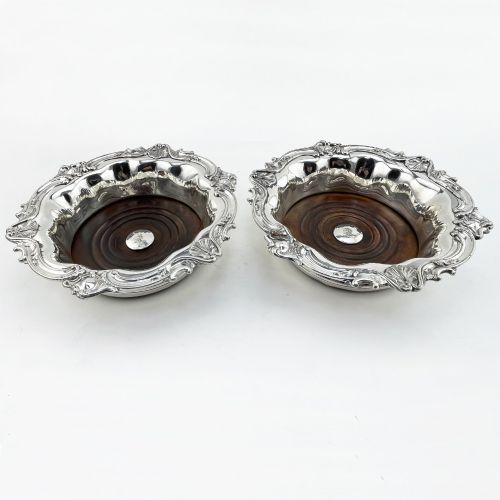
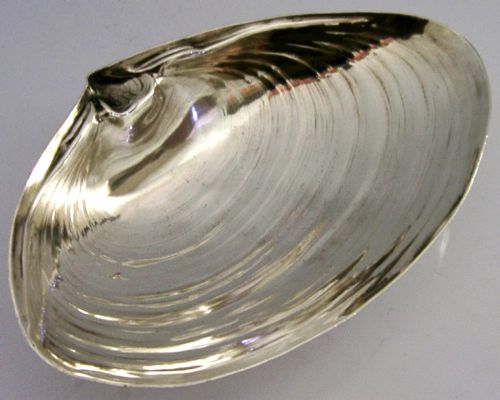
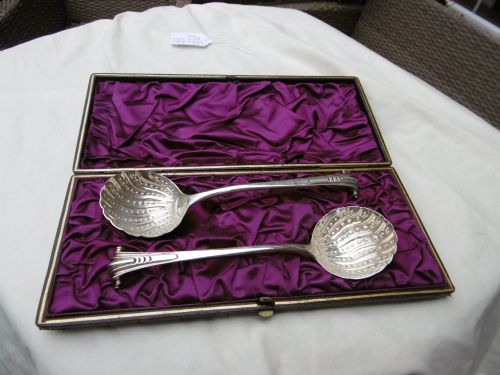
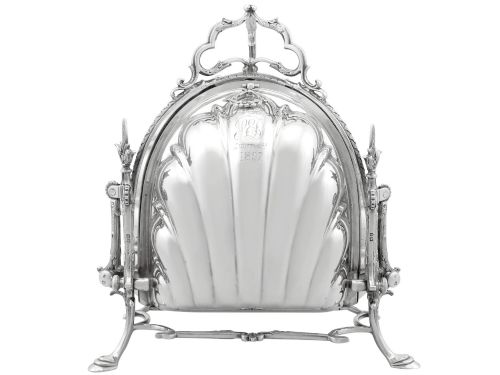
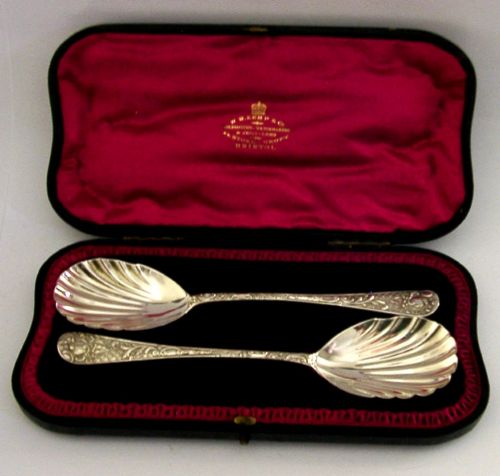
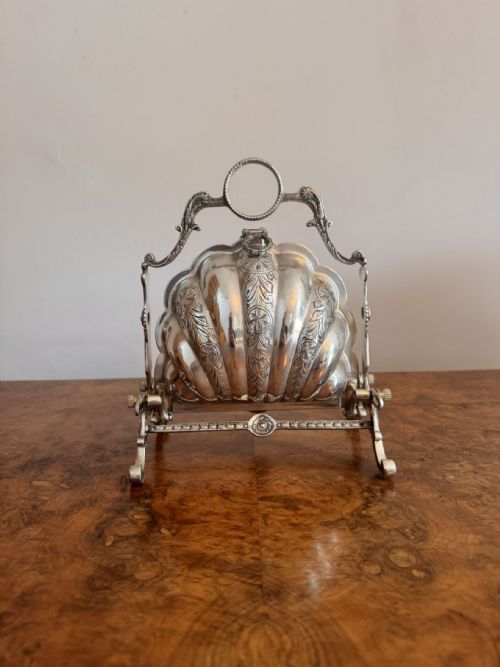
When buyers search for antique shell and silver, they encounter a range of dining and vanity items combining organic materials with precious or plated metal. The selection includes butter dishes shaped as natural bivalves, folding biscuit boxes utilising shell motifs, and cut crystal scent bottles topped with tortoiseshell.
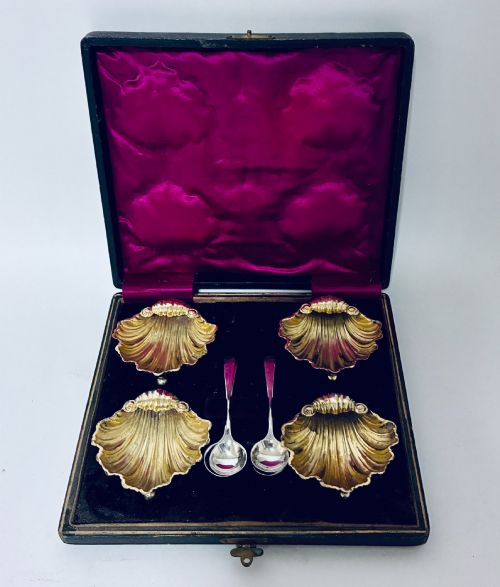
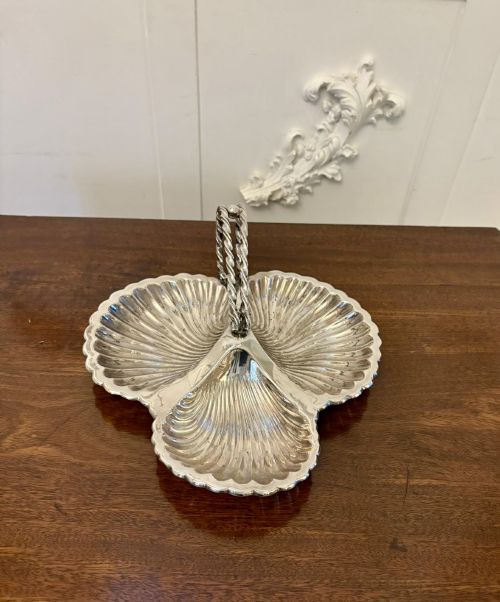
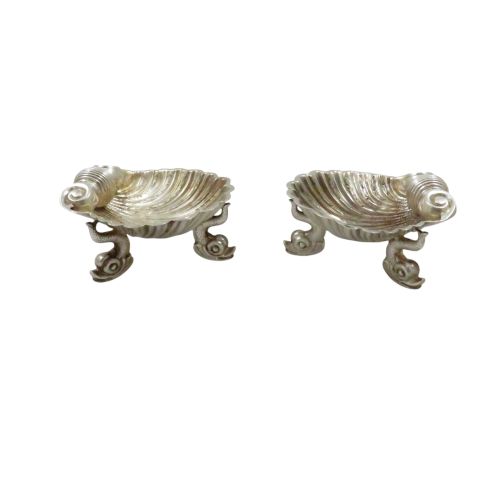
Tableware forms dominate the available pieces, notably sterling silver salt cellars resting on dolphin feet, butter dishes, and sauce boats. Makers utilised the natural geometry of the shell to create functional vessels for the dining table.
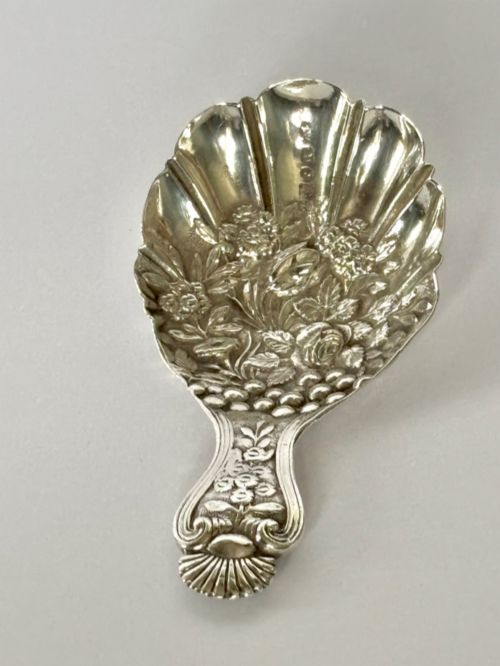
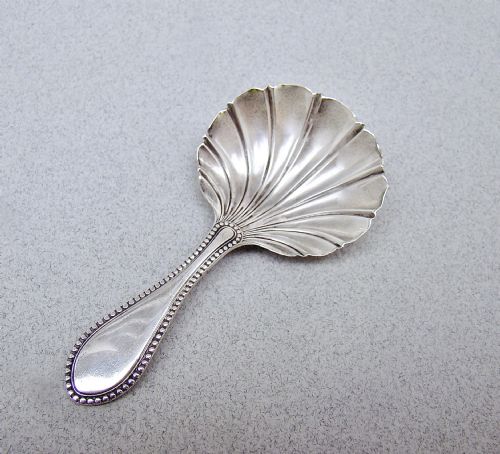
The objects span multiple eras, with Victorian and Edwardian examples appearing frequently alongside 18th Century butter shells and George II silver pieces. Smaller items such as caddy spoons and lobster picks also emerge within this grouping.
Materials and Construction
Silversmiths constructed these items using solid sterling silver alongside electroplated nickel silver and standard silver plate. Natural media such as tortoiseshell and mother of pearl were integrated into metal mounts for scent bottles and small decorative items.
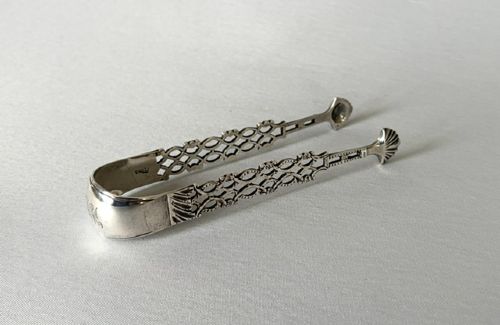
Techniques range from casting and piercing to detailed chasing, as seen on 18th Century silver tongs and Victorian spoon warmers formed as nautilus shells. Artisans combined metalwork with organic textures, incorporating stylised coral handles and engraved crests.
Antique Shell and Silver Retail Price Guide 2026
Typical asking prices for shell and silver among the pieces listed under this phrase on Sellingantiques today, from the lower quarter to the upper quarter. They describe what is for sale here now, not the wider market.
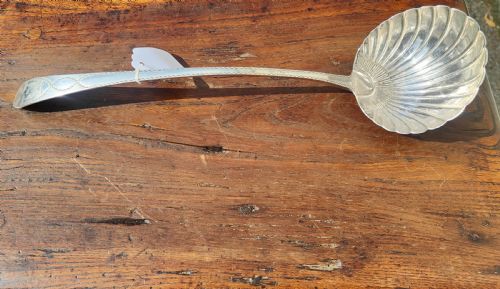
Victorian dining tables once featured silver plated spoon warmers shaped precisely as nautilus shells to keep serving ladles cozy.
Assessing Quality and Execution
Quality in these pieces rests upon the crispness of the casting in the metal mounts and the preservation of the organic shell or tortoiseshell elements. Superior examples display detailed chasing on handles and feet, such as cast dolphin supports on salt cellars.
The integration between the metal frame and the natural material defines the standard of craftsmanship. Pieces showing precise fitting, distinct hallmarks, and robust plating or solid sterling construction represent the higher tier of production.
Mappin & Webb·Martin Hall & Co·William Hutton & Sons·William Plummer·Daniel Arter·Goldsmiths & Silversmiths
The Antique Shell and Silver Glossary
- Sterling silver
- A silver alloy containing 92.5 percent pure silver and 7.5 percent other metals, typically copper. This standard appears across many Victorian and Edwardian items.
- Silver plate
- A layer of silver applied to a base metal core such as copper or nickel silver. Manufacturers utilised this technique for larger serving dishes and salvers.
- Tortoiseshell
- The mottled shell of certain turtle species used historically for decorative inlay and vanity items. It appears paired with silver on scent bottle caps.
- Caddy spoon
- A small spoon designed for measuring loose tea from a caddy. These often feature shell-shaped bowls reflecting the oceanic themes popular in dining silver.
- Salt cellar
- A small open bowl used to hold salt at the dining table. Victorian examples in this category frequently adopt shell designs supported by small feet.
Antique Shell and Silver: Frequently Asked Questions
How were silver shell dishes used?
Dining pieces like butter shells and salt cellars served food at the table during formal meals.
Smaller items such as caddy spoons handled loose tea leaves, while spoon warmers kept serving implements at the correct temperature.
How do I date these items?
Hallmarks stamped into the metal provide specific towns, date letters, and maker marks for sterling and plated items.
Stylistic cues such as Art Deco geometry or Victorian ornamentation also help narrow down the period of manufacture.
How do I care for shell and silver?
Keep silver components polished with appropriate cloths while avoiding harsh chemical dips that damage organic materials.
Protect tortoiseshell and mother of pearl from direct sunlight and moisture to prevent warping or surface cracking.