






Antique Sheffield Tankard
An antique sheffield tankard is a drinking vessel of silver or plate that brings Georgian weight to a table.
Antique Sheffield Tankard
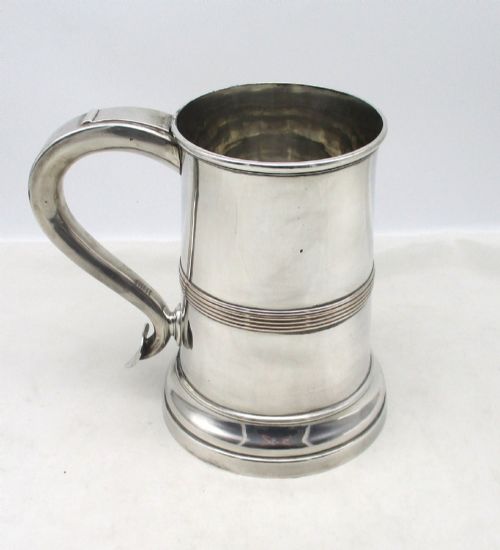
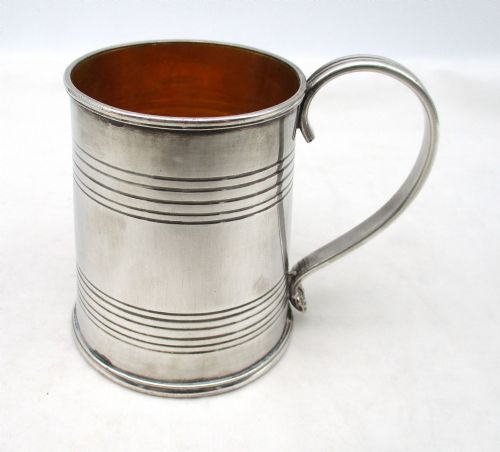
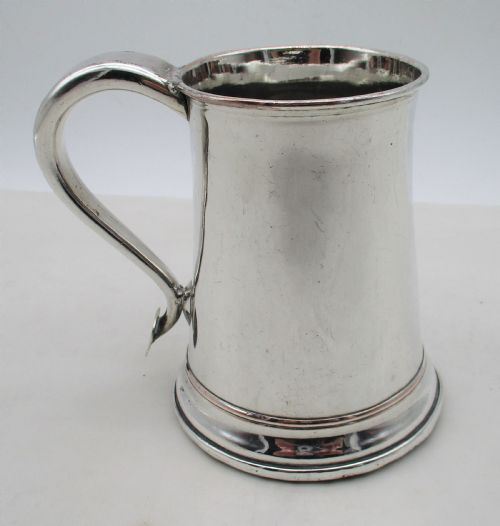
An antique sheffield tankard is a sturdy drinking vessel designed for beer, ale, or water, emerging in various sizes from small child's cups to large quart vessels. When you search for this phrase, you find pieces spanning the eighteenth century, the Georgian period, and the nineteenth century.
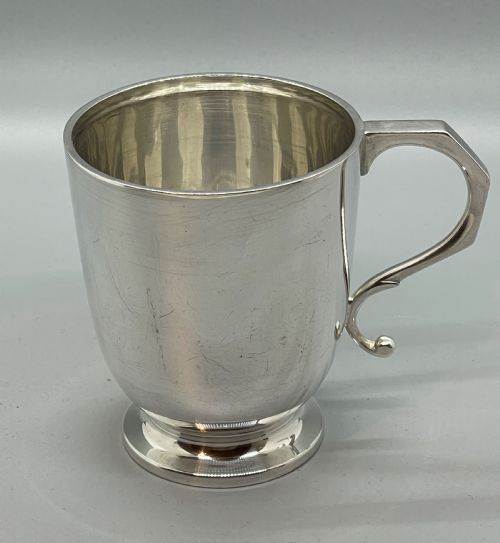
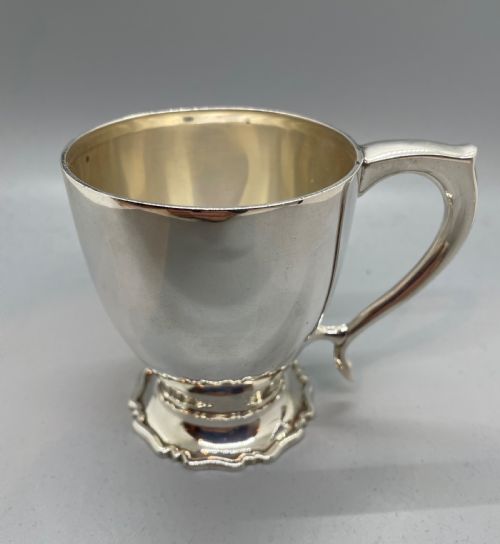
The most common examples you encounter are formed from old sheffield plate, alongside sterling silver and silver plate. These items include loving cups, beer jugs, and christening mugs alongside standard tankards.
Origins stretch from the eighteenth century through Victorian and Edwardian eras into mid-century pieces bearing Sheffield hallmarks. The selection ranges from pint tankards to large lidded vessels.
How they were made
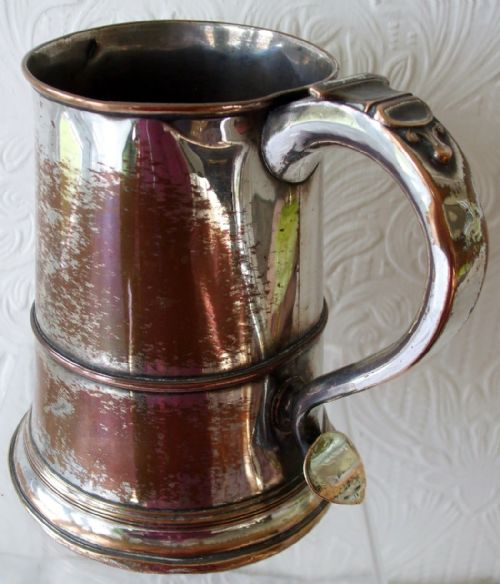
Old sheffield plate was created by fusing a layer of silver to a copper core, then rolling them together into sheets before shaping. Makers sometimes applied gold gilt or gilding to the interior surfaces of these vessels.
Sterling silver pieces were formed by hammering and soldering solid metal into the desired cylinder or jug form. Makers added handles, and in some instances, lids, using traditional silversmithing techniques.
Antique Sheffield Tankard Retail Price Guide 2026
Typical asking prices for sheffield tankard among the pieces listed under this phrase on Sellingantiques today, from the lower quarter to the upper quarter. They describe what is for sale here now, not the wider market.
Listings feature old sheffield plate, copper, sterling silver, and gold gilt across Georgian, Victorian, and Edwardian periods.
What varies in quality
The distinction between standard examples and finer items rests in the crispness of the form and the preservation of the silver layer over the copper base. Early marks on eighteenth-century pieces indicate greater attention from the maker.
Weight and balance distinguish sturdy quart tankards and beer jugs from lighter vessels. The survival of original gilding inside christening mugs and tankards elevates the quality of the piece.
Richard Morton
The Antique Sheffield Tankard Glossary
- Old Sheffield Plate
- A material made by fusing silver and copper together, used extensively before electroplating became common.
- Quart Tankard
- A large drinking vessel holding a quart of liquid, frequently seen in eighteenth-century and Georgian examples.
- Loving Cup
- A large drinking vessel with multiple handles, designed to be shared among company.
- Christening Mug
- A small mug or tankard presented as a gift for a child's christening, often in silver.
- Gilding
- A thin layer of gold applied to the interior or exterior surface of a metal vessel.
Antique Sheffield Tankard: Frequently Asked Questions
What is an old sheffield tankard?
An old sheffield tankard is a drinking vessel made by fusing silver to a copper core. These pieces date primarily from the eighteenth and nineteenth centuries.
They take the form of pint and quart tankards, beer jugs, and lidded vessels designed for daily use or display.
How do I clean my silver tankard?
Silver and silver-plated tankards require gentle cleaning with a soft cloth and a dedicated silver polish. Avoid abrasive materials that can wear away thin plating.
Old sheffield plate particularly benefits from gentle care to preserve the underlying copper where the silver layer has thinned.
Were these tankards used for drinking?
These vessels served as functional drinking vessels for beer and ale in homes and public houses. Larger quart tankards and beer jugs held enough liquid for multiple people.
Smaller versions functioned as christening cups and child's mugs, marking important family milestones.
How do I date a sheffield tankard?
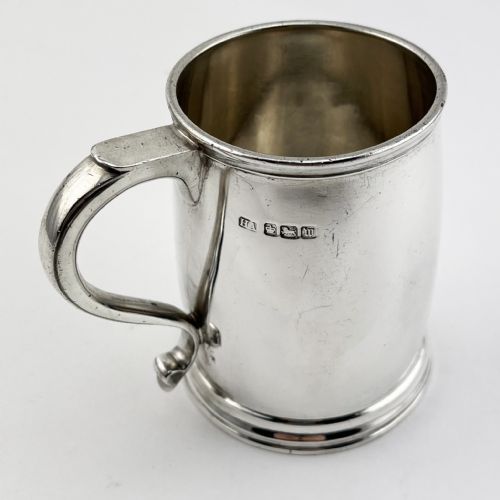
Dating relies on stylistic clues, manufacturing methods, and any maker marks or hallmarks stamped into the metal. Eighteenth-century pieces display different handle designs and proportions compared to Victorian or Edwardian examples.
Old sheffield plate production methods also help narrow the timeframe to specific decades around nineteen hundred and earlier.