


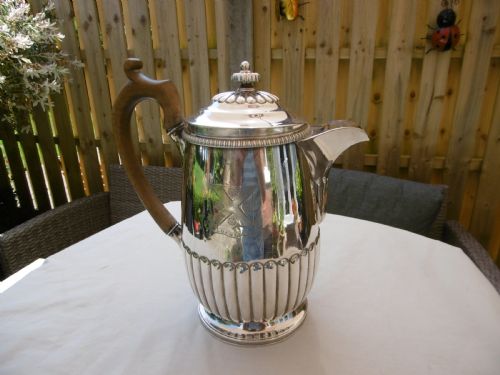


Antique Sheffield Silver Tableware
Antique sheffield silver tableware brings heavy silver plate and solid metal to the dining table, offering period craftsmanship that holds its gleam through decades of use.
Antique Sheffield Silver Tableware
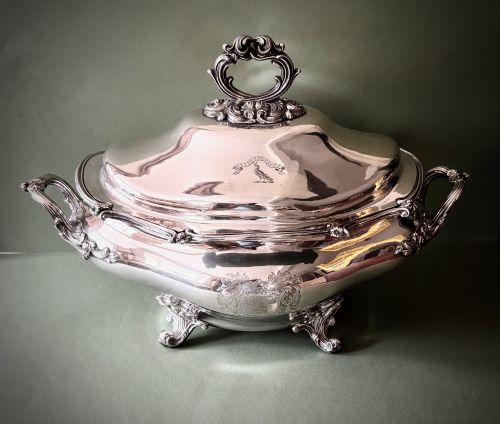
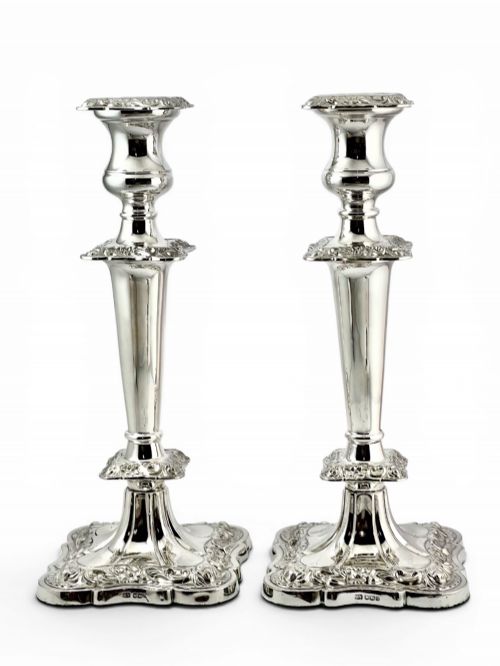
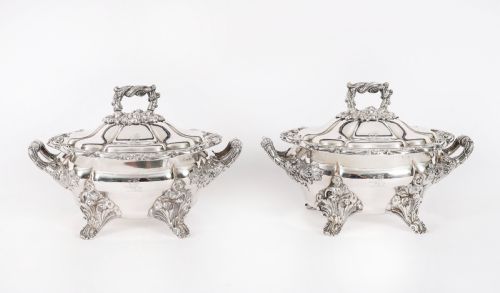
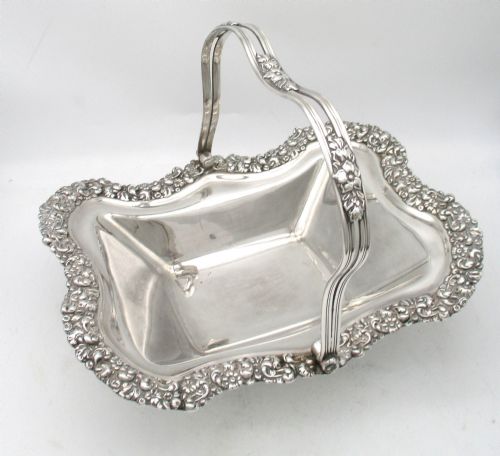
When you search for antique sheffield silver tableware, you encounter a range of dining pieces spanning the eighteenth century through the mid-twentieth century. The selection includes coffee pots, tea urns, sauce tureens, baskets, candlesticks, and serving dishes that reflect formal dining habits of past eras.
The material composition divides chiefly between solid sterling silver and Old Sheffield Plate, alongside standard silver plate from later decades. Old Sheffield Plate pieces often date from the Georgian and Regency periods, utilising a layer of silver fused to a copper core.
Styles progress from Georgian Neoclassical lines and Regency forms to Victorian ornamentation, Edwardian designs, and twentieth-century George V minimalism. You will find items accompanied by fitted cases, crests, and original wooden or velvet linings in specific serving categories.
Materials and Manufacturing Techniques
Old Sheffield Plate was produced by fusing a sheet of silver to a thick copper ingot under heat and rolling them together into thin sheets. This method created durable tableware where the silver coating covered the underlying copper structure.
Makers shaped the fused metal or sterling silver by hand hammering, spinning, or pressing into moulds, often adding cast silver borders and handles. Details such as wirework baskets and engraved crests required specialised soldering and hand-chasing techniques.
Solid sterling silver items received traditional hallmarks struck by the assay office, designating metal purity, date letters, and maker marks. Silver plated items from later periods relied on electroplating silver onto base metal substrates.
Listings span periods from the 18th century through the mid-20th century, encompassing materials such as Old Sheffield Plate, copper, wood, velvet, and sterling silver.
Factors Defining Quality
The preservation of the original silver layer over the copper base dictates the standard of Old Sheffield Plate pieces. Excessive polishing over centuries can reveal the reddish copper beneath the silver surface, altering the visual balance of the object.
The weight and gauge of the metal influence the structural integrity of holloware such as coffee pots, tureens, and sauce boats. Thicker metal resists denting and maintains crispness in cast decorative borders and handles.
The clarity of hallmarks and the precision of hand-engraved crests distinguish workshop output. Pieces retaining original fitted cases, wooden bases, or matching components hold greater integrity within historical groupings.
Matthew Boulton·John Hoyland·James Dixon And Sons Ltd·Robert And Belk·Walker Knowles·Cresswick·Chawner And Co·Viners·C J Vander
The Antique Sheffield Silver Tableware Glossary
- Old Sheffield Plate
- A material created by fusing a thin layer of silver to a copper core, developed in the eighteenth century before the invention of electroplating. It is recognised by the subtle gleam of silver and occasional hints of copper showing at seams.
- Sterling Silver
- An alloy consisting of pure silver and other metals, typically copper, standardised for strength and durability. Items made from this material carry official assay office hallmarks.
- Sauce Tureen
- A small covered serving vessel designed for gravies or sauces, often found in matching pairs from the Georgian and Victorian eras. They frequently rest on fixed or separate stands.
- Sweetmeat Basket
- An open wirework or pierced vessel used for serving small confections, nuts, or dried fruits at the table. These pieces showcase intricate metal manipulation from the eighteenth century.
- Caddy Spoon
- A small specialised spoon used for measuring tea leaves from a caddy into a teapot. These delicate implements often feature decorative handles reflecting Edwardian or Victorian design styles.
Antique Sheffield Silver Tableware: Frequently Asked Questions
What is Old Sheffield Plate?
Old Sheffield Plate is an early form of silver plating created by thermally fusing a sheet of silver onto a copper ingot before rolling them into sheets. This technique predates modern electroplating.
Items made this way possess a distinct weight and warmth, with copper occasionally visible at the cut edges or exposed high points from centuries of handling.
How do I clean antique silver tableware?
Maintenance requires gentle washing in warm soapy water using a soft cloth, followed by thorough drying to prevent water spots. Avoid harsh abrasive dips that strip away thin silver layers on plated items.
For sterling pieces, periodic use of a mild silver polish helps maintain the finish without wearing down engraved details or crests.
Are these pieces safe for daily use?
Many items, such as silver candlesticks, napkin rings, and decorative baskets, function well in modern home settings. Serving pieces like coffee pots and sugar bowls can also serve beverages if cleaned properly before use.
Care should be taken with delicate wirework, velvet linings, or thin antique plate to preserve their condition over time.
How can I date my silver tableware?
Dating relies on reading official hallmarks stamped into sterling silver pieces, which indicate the assay office, the maker, and the exact year of production. Style markers such as Georgian neoclassical lines or Victorian ornamentation provide further clues.
Old Sheffield Plate items generally lack standard date letters, requiring stylistic comparison with documented pieces from the eighteenth and nineteenth centuries.