


Antique Sheet Music
These pieces of antique sheet music storage and display furniture organise historical scores while anchoring a room with period timber.
Antique Sheet Music
When you search for antique sheet music furniture, you encounter specialist stands, multi-drawer cabinets, and open-slat racks designed to store and display paper scores. The items listed here span the Regency, Victorian, and Edwardian eras, offering dedicated compartments built for domestic musical performance.
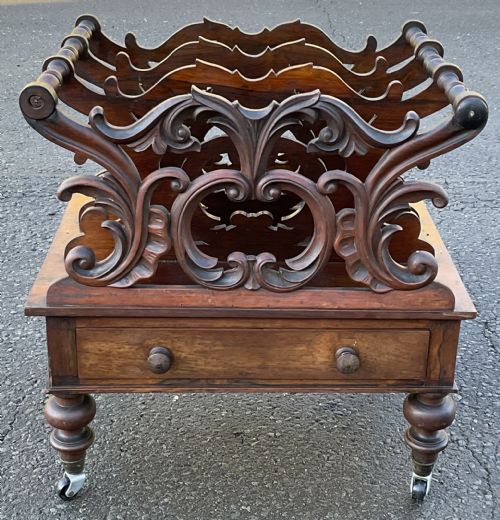
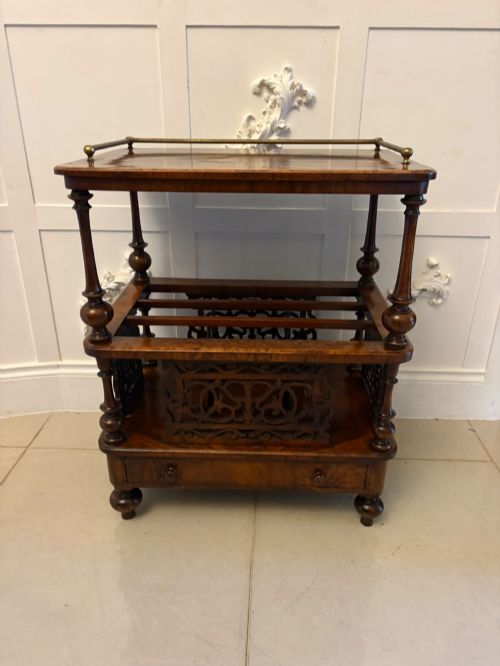
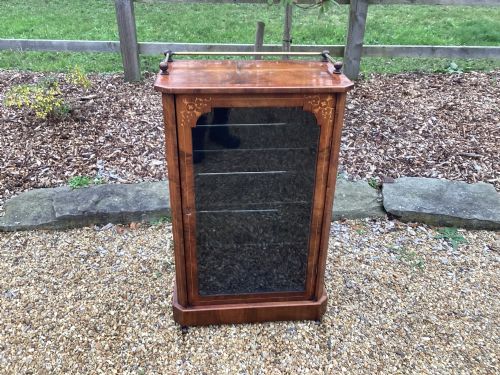
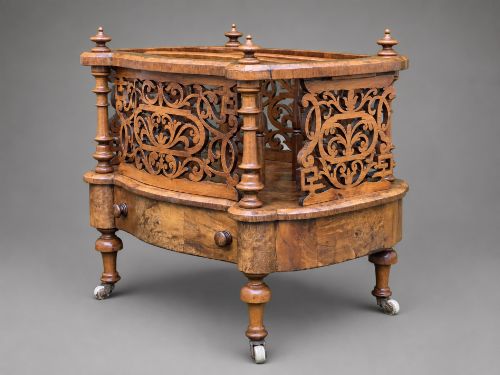
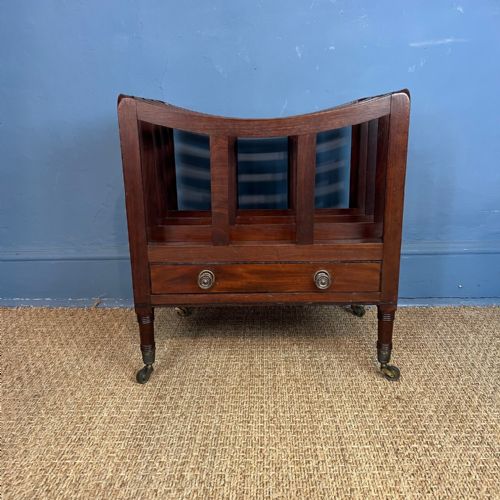
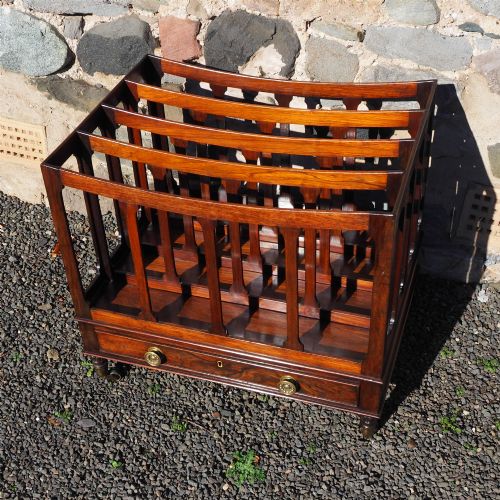
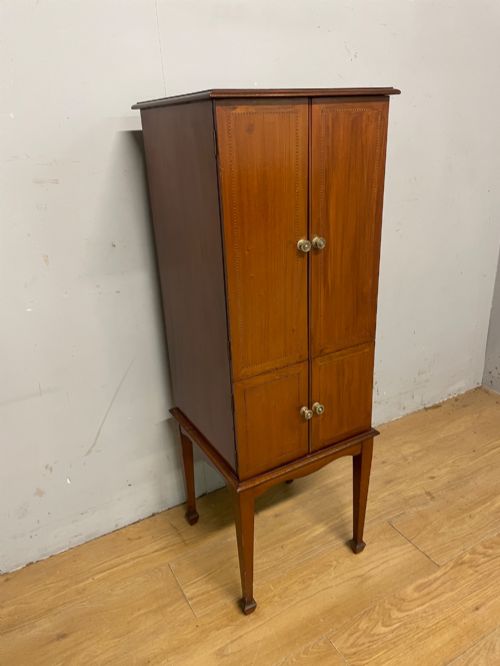
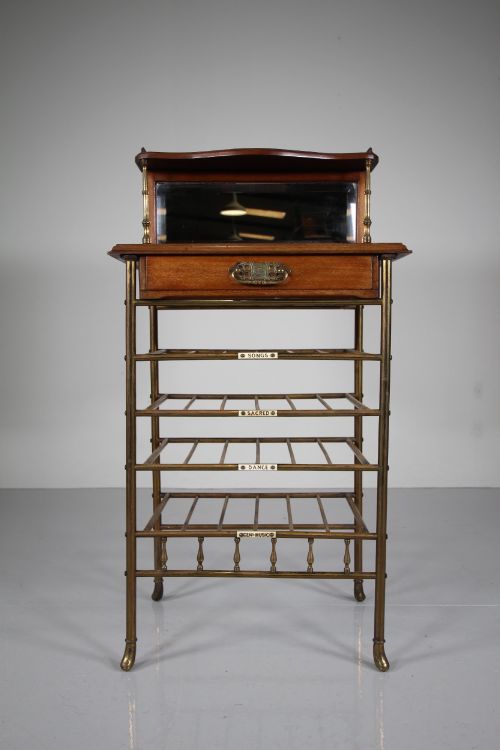
The most common forms on this page are canterburys and music cabinets. Canterburys feature upright vertical partitions for holding unbound folios, often combined with a lower drawer, while music cabinets provide drop-front drawers or shelved interiors behind panelled and glazed doors.
Pieces originate from varied British and continental workshops, ranging from modest household items in oak and mahogany to elaborate reception room furniture in burr walnut and rosewood. Each form reflects the central place of parlour music in nineteenth and early twentieth-century domestic life.
How these pieces were made
Cabinet makers relied primarily on solid mahogany, walnut, and burr walnut, frequently employing fine veneers over secondary timber bases to achieve rich figured surfaces. Satinwood inlay, brass fittings, and occasional ceramic accents provide linear contrast and operational hardware across the age ranges.
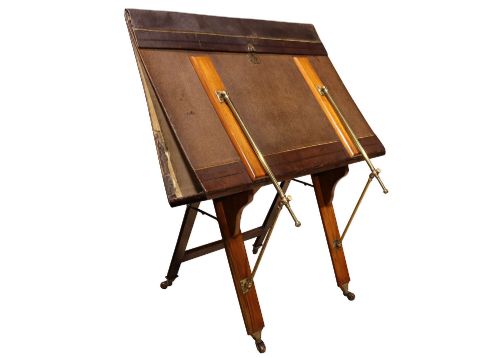
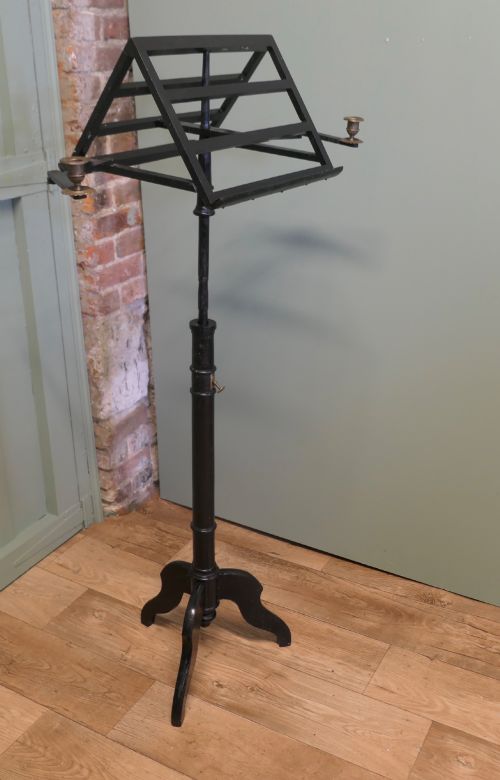
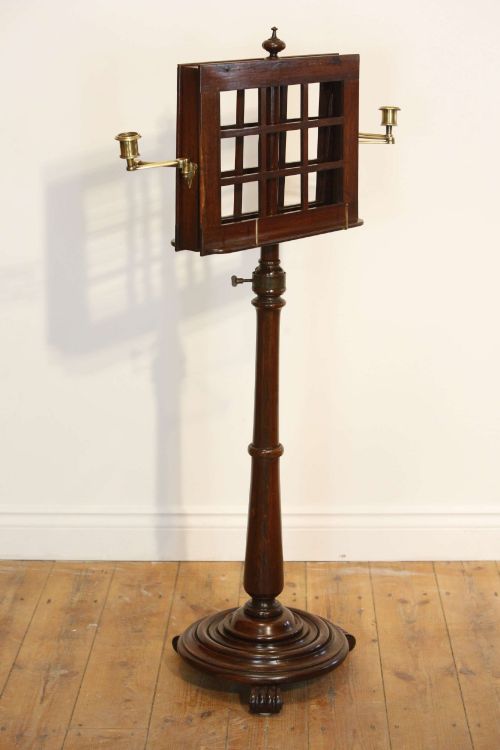
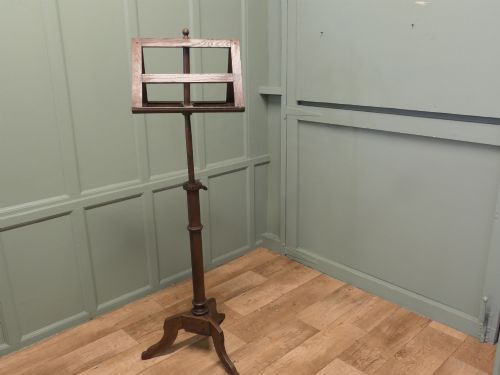
Structural joinery balances rigid carcass construction with lighter turned uprights and fretted galleries. Drop-front drawers require precise internal pivoting mechanisms, while music stands utilise adjustable brass stems and reading ledges engineered for mechanical stability.
Antique Sheet Music Retail Price Guide 2026
Typical asking prices for sheet music among the pieces listed under this phrase on Sellingantiques today, from the lower quarter to the upper quarter. They describe what is for sale here now, not the wider market.
Some Victorian canterburys incorporate bamboo frames, proving that nineteenth-century musicians loved a holiday souvenir just as much as we do.
What varies in quality
Quality rests in the selection of timbers and the finesse of decorative embellishment, such as symmetrical burr walnut figuring or precise satinwood stringing. Finer pieces demonstrate superior cabinet work in concealed dovetailing and the crisp execution of carved or fretted details.
Proportion and functional integrity distinguish standard utility items from high-workshop productions. Robust drawer action, well-fitted internal partitions, and retained original brass or glass components separate superior examples from altered or heavily restored pieces.
Edwards and Roberts·GM Elwood for JS Henry·Gabriel Viardot·Gillows
The Antique Sheet Music Glossary
- Canterbury
- A low stand with vertical partitions designed originally for holding sheet music and folios. It frequently incorporates a single drawer beneath the partitions and low caster wheels.
- Drop-front drawer
- A drawer featuring a hinged front panel that folds downward when opened. This mechanism allows easy access to stacked sheet music without bending the paper.
- Raised gallery
- A low decorative railing or lattice mounted along the top surface of a cabinet or stand. It prevents items placed on top from sliding off.
- Aesthetic Movement
- A late nineteenth-century design style emphasising simplicity, Japanese artistic influences, and handcrafted decorative motifs. Pieces often utilise unexpected materials such as bamboo.
- Duet stand
- A music stand engineered to hold scores simultaneously for two musicians. These stands often feature dual reading ledges and adjustable brass extension stems.
Antique Sheet Music: Frequently Asked Questions
What is a canterbury used for?
A canterbury serves as a compartmentalised rack specifically built to hold sheet music, unbound scores, and periodicals upright. The vertical partitions prevent large paper folios from slumping and bending over time.
Beyond music storage, these stands functioned as movable furniture beside piano stools or reading chairs. Their lower drawers typically held smaller accessories such as tuning forks, manuscript paper, and pencils.
How do I date a music cabinet?
Dating relies on stylistic shifts in timber choice, hardware, and overall architectural form. Regency and early nineteenth-century pieces lean toward linear mahogany with classical brass supports, whereas high Victorian examples favour highly figured burr walnut and serpentine shapes.
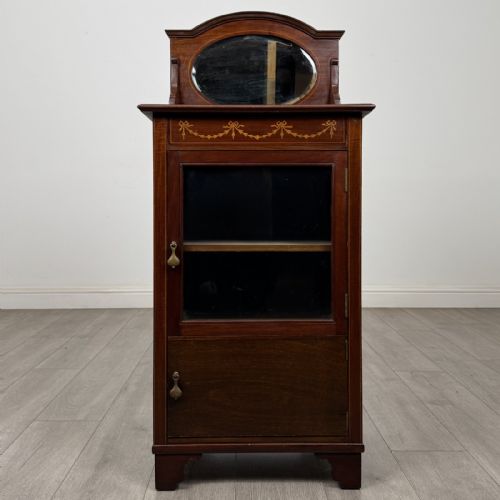
Edwardian cabinets often display lighter mahogany frames with delicate satinwood inlay, glazed doors, or raised galleries. Interior construction methods, such as hand-dovetailed drawer linings, further clarify the manufacturing decade.
Can these cabinets hold modern sheet music?
Most antique music cabinets and drop-front drawer chests accommodate standard modern sheet music dimensions comfortably. The internal depths and widths of Victorian and Edwardian cabinets match the traditional sizing of musical scores.
However, oversized contemporary songbooks or spiral-bound folios may exceed standard nineteenth-century drawer clearances. Open canterburys offer more flexible vertical clearance for taller volumes that lack rigid spines.
Where should I place a music stand?
Music stands suit placement near natural light sources in living rooms, studies, or music rooms. Adjustable duet stands work effectively as freestanding display pieces for open books or artwork.
Stable placement on level flooring protects delicate brass adjustment screws and slender wooden uprights from unnecessary strain. Avoid positioning antique timbers in direct sunlight or adjacent to active heat sources.
What is the difference between a music cabinet and a canterbury?
A music cabinet is an enclosed piece of furniture featuring doors or stacked drop-front drawers that protect scores from dust and light. They offer concealed storage and frequently include mirrored tops or shelving.
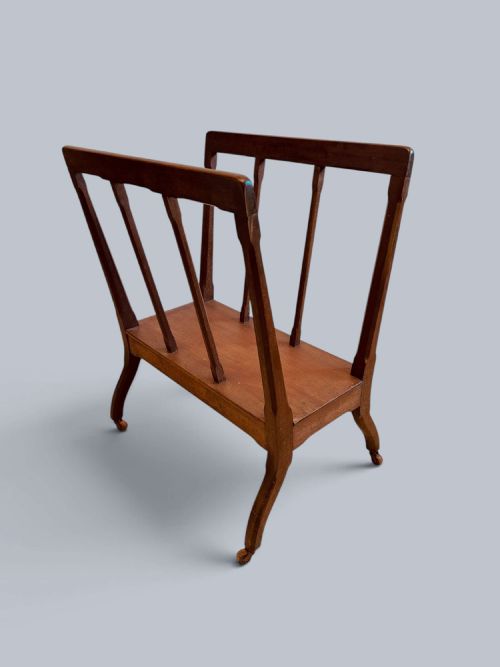
A canterbury is an open-frame stand defined by vertical divisions and slat sides designed for immediate access to active sheet music. Many canterburys double as occasional tables with lower storage racks.