


Antique Shaped Mirror
When you search for an antique shaped mirror, you encounter fluid silhouettes from centuries past that instantly anchor a room.
Antique Shaped Mirror
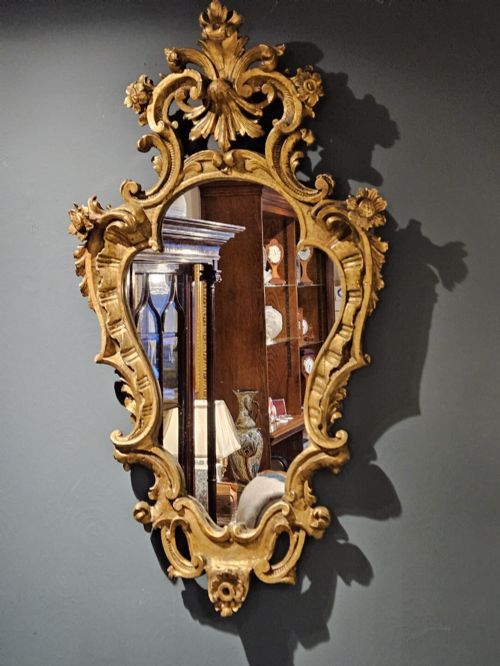
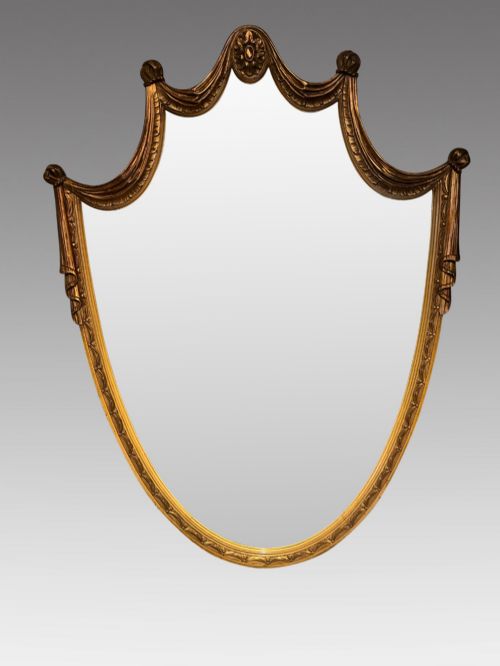
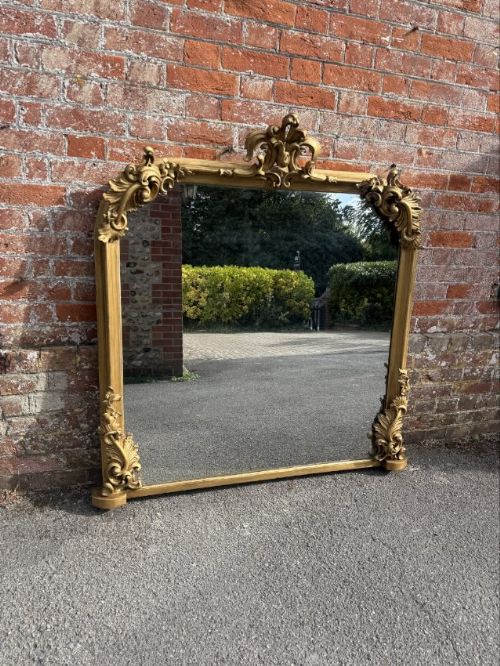
An antique shaped mirror bridges practical function and decorative ambition across centuries of domestic design. These pieces appear most frequently as large overmantles with curved or shaped tops, alongside smaller dressing table and toilet mirrors.
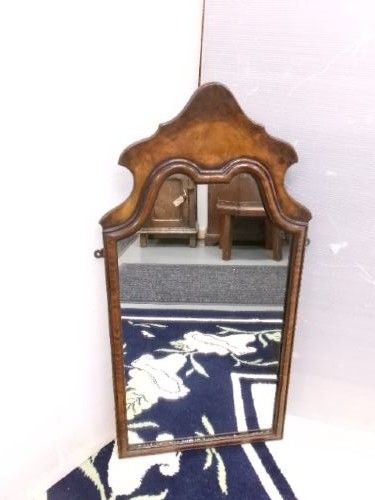
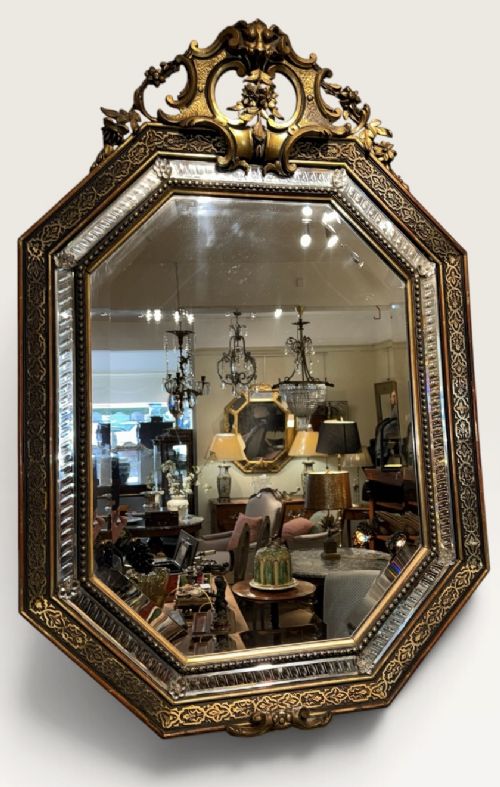
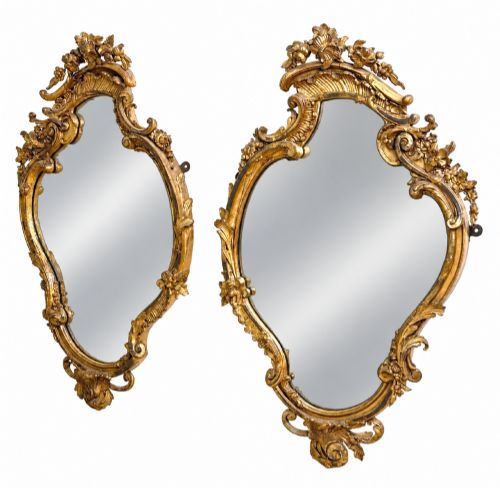
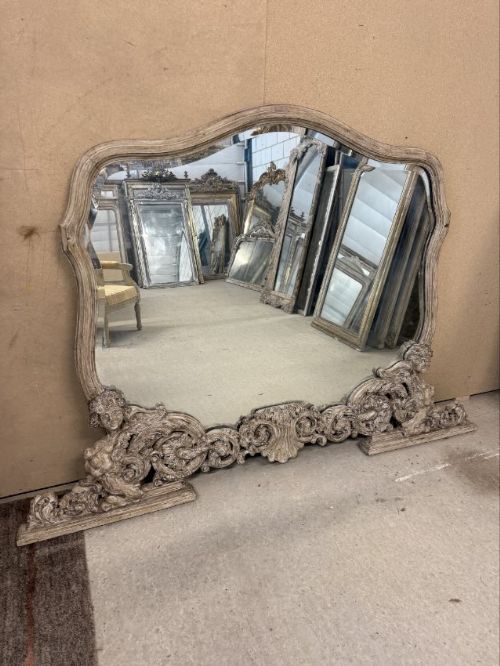
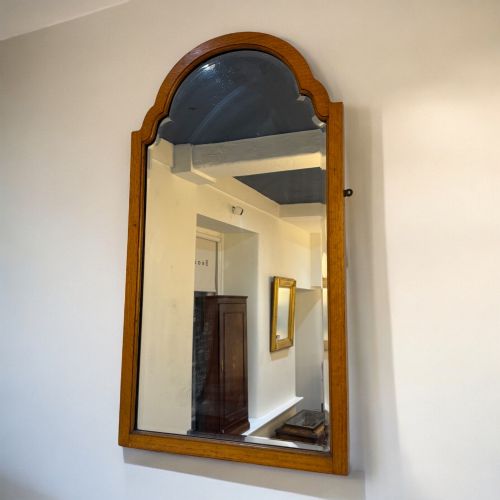
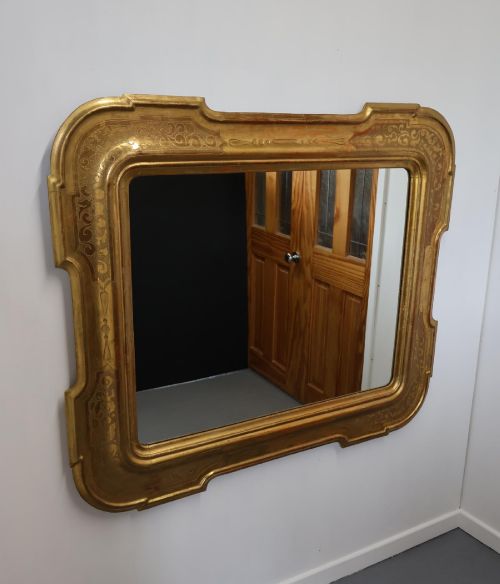
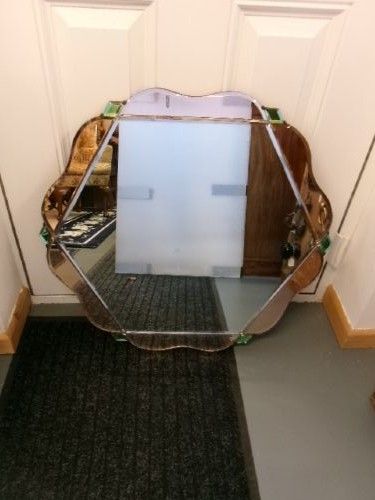
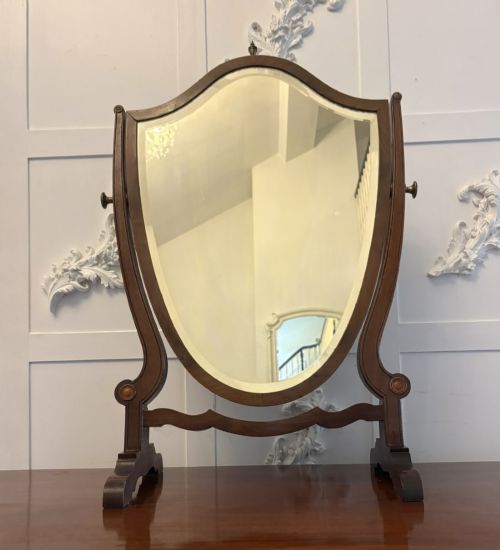
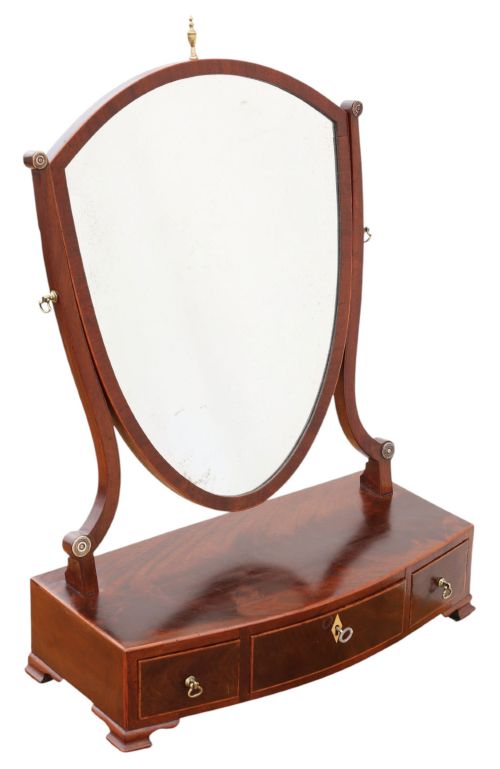
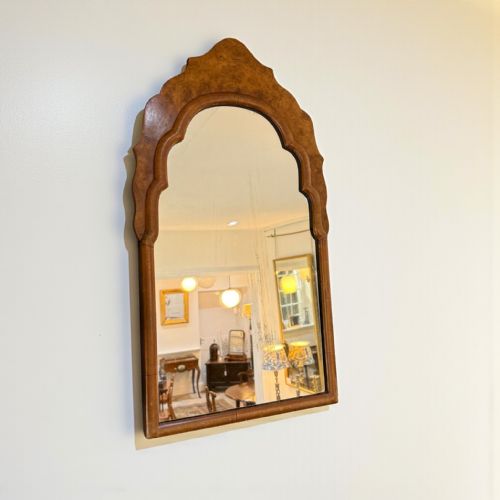
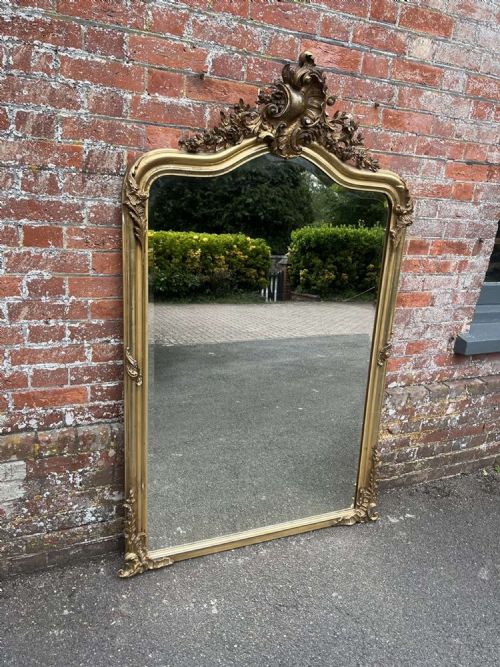
The selection ranges from Georgian mahogany swing frames and Victorian giltwood overmantles to Edwardian wall pieces and Art Deco Venetian glass. Makers utilised varied outlines including shield, serpentine, quatrefoil, and cushion contours.
Originating largely from English and French workshops, the surviving inventory includes both intimate table-top cheval mirrors and grand architectural wall glasses. Each object reflects the prevailing aesthetic of its period, from Rococo revival curves to clean Arts and Crafts lines.
How they were made
Carved wood and gesso form the structural base for many grand frames, providing a smooth surface for subsequent gilding or painting. Artisans applied thin layers of gold leaf over red or yellow priming grounds to achieve a warm metallic sheen.
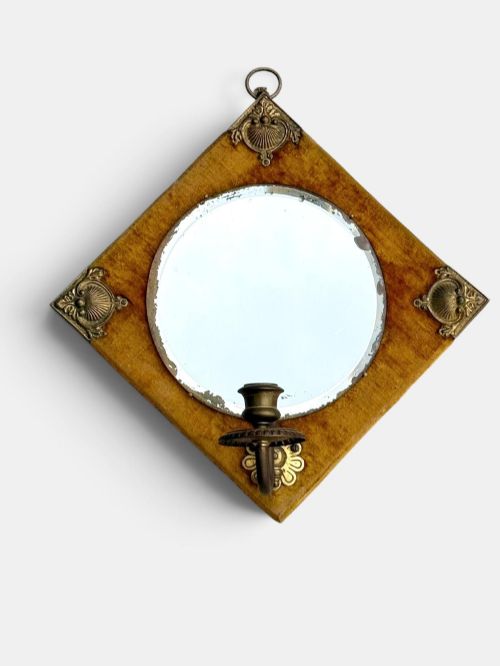
Cabinetmakers constructed dressing glasses and table-top mirrors from solid timbers like mahogany and walnut, frequently incorporating intricate veneers and inlaid banding. Brass mounts, copper frames, and sterling silver elements secured glass plates and added decorative contrast.
Mirror glass itself was bevelled and hand-silvered, seated within rebated frames and held by wooden backs. Venetian and French examples often utilised segmented plates or engraved borders to catch and refract light.
Antique Shaped Mirror Retail Price Guide 2026
Typical asking prices for shaped mirror among the pieces listed under this phrase on Sellingantiques today, from the lower quarter to the upper quarter. They describe what is for sale here now, not the wider market.
Listings span multiple centuries, incorporating 18th Century walnut pieces, 19th Century giltwood overmantles, and 20th Century Art Deco Venetian glass.
What varies in quality
The crispness of the wood carving and the depth of the gesso mouldings distinguish superior frames from simpler production pieces. Hand-tooled detail retains sharp edges and subtle undulations that mechanical replication misses.
The preservation of the original mercury or silver backing on the glass plate dictates historical integrity. Older mirrors show natural foxing and oxidation that contribute depth, while replacement plates present an entirely uniform reflection.
Joinery standards in the supporting stands and backboards indicate the original maker's intent. Tight mitres, pegged joints, and secondary timbers matching the period denote high workshop standards.
Harry and Lou Epstein
The Antique Shaped Mirror Glossary
- Gesso
- A plaster-like mixture applied to wood frames to create a smooth base for gilding or painting. Artisans built up this compound before carving intricate relief patterns.
- Giltwood
- Timber coated with gold leaf or metallic powder over a prepared ground. This treatment provided a luxurious, reflective finish popular in formal reception rooms.
- Overmantle Mirror
- A large mirror designed to hang specifically above a fireplace mantelpiece. These pieces often feature wide landscape proportions to balance the hearth below.
- Cheval Mirror
- A full-length swing glass mounted in a freestanding frame with four legs. The pivoting mechanism allows the user to tilt the glass to various angles.
- Pier Glass
- A tall, narrow mirror designed to hang on the wall space between two windows. They frequently sat above small console tables or pier tables.
Antique Shaped Mirror: Frequently Asked Questions
How do I hang a heavy antique overmantle mirror safely?
Heavy overmantle mirrors require direct attachment to wall studs using robust steel brackets or split battens. The weight must rest securely on structural masonry or timber framing rather than plaster alone.
Professional installation ensures the substantial load of the carved wood and glass is distributed safely across the wall.
Can I replace the original glass in an antique shaped mirror?
Replacing original mirror glass is generally discouraged because it removes part of the object's authentic historical character. Foxing and silvering wear provide visual proof of age that collectors value.
If the glass is dangerously cracked, a specialist restorer can source period-appropriate silvered glass to maintain the piece's integrity.
What is the difference between a dressing mirror and a toilet mirror?
Toilet mirrors are smaller, portable tabletop glasses historically used on chests of drawers or dedicated dressing stands during the Georgian and Victorian eras. Dressing mirrors often include larger swing frames or integrated jewellery cabinets.
Both types focus on personal grooming but occupy different scales within a bedroom setting.