



Antique Sevres Porcelain Plate
An antique sevres porcelain plate brings rich French court style and hand-painted artistry to a room, carrying the weight of centuries past.
Antique Sevres Porcelain Plate
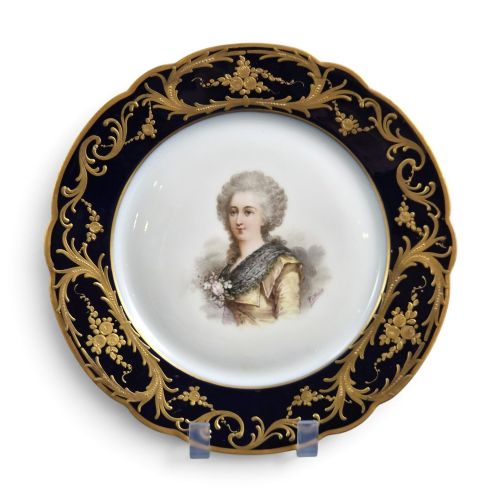
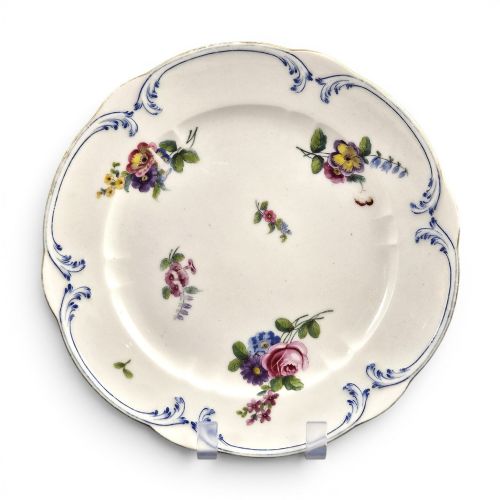
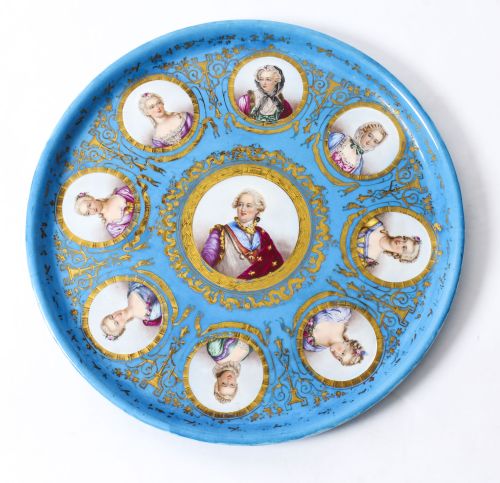
When you search for an antique sevres porcelain plate, you find items spanning the eighteenth and nineteenth centuries, including cabinet plates, chargers, and decorative tableware. These pieces often display historical scenes, portraits, and floral motifs in the manner of the famous French manufactory.
You also encounter walking sticks and canes mounted with porcelain sections bearing this aesthetic. The nineteenth-century revivals of Louis XVI and Rococo styles dominate the selection alongside earlier eighteenth-century examples.
The objects serve primarily as decorative displays rather than functional dining ware. Collectors prize them for their connection to French decorative arts and their intricate painted surfaces.
How they were made
Makers utilised porcelain bodies, including soft-paste porcelain, finished with hand-painted enamel decoration. Artisans applied gold leaf, gilt, and gold plate to accent the borders and central imagery.
Metal components such as steel and gilt metal appear on specialised items like walking sticks incorporating porcelain elements. Wood provides the shaft structure for these walking swords.
Antique Sevres Porcelain Plate Retail Price Guide 2026
Typical asking prices for sevres porcelain plate among the pieces listed under this phrase on Sellingantiques today, from the lower quarter to the upper quarter. They describe what is for sale here now, not the wider market.
Listings include items utilising porcelain, enamel, gold leaf, and gilt metal across the eighteenth and nineteenth centuries.
What varies in quality
The refinement of the hand-painted details sets the finest pieces apart from simpler versions. Delicacy in portraiture and landscape scenes indicates skilled artistry.
The richness of the gilding and the preservation of the enamel surface dictate the overall desirability. Superior examples maintain intact gold leaf and crisp cobalt grounds.
Ambroise Michel·Kerr & Binns
The Antique Sevres Porcelain Plate Glossary
- Soft-paste porcelain
- A type of ceramic body composed of clay and glass frit used in earlier European manufactories before the widespread discovery of true hard-paste porcelain. It produces a warm texture under the glaze.
- Cabinet plate
- A decorative ceramic dish intended for display on a wall, in a cabinet, or on a stand rather than for use at the dining table. These items usually feature elaborate painted scenes.
- Charger plate
- A large ornamental base dish placed beneath other dinnerware during formal settings or hung as wall art. They offer an expansive surface for detailed artistic decoration.
- Blue celeste
- A vibrant turquoise blue glaze colour developed and utilised on fine European ceramics. It creates a striking backdrop for gilded borders and painted panels.
Antique Sevres Porcelain Plate: Frequently Asked Questions
Are these plates meant for dining?
Most pieces function as cabinet plates or decorative chargers meant for display rather than daily meals. Their delicate enamel and gold leaf decorations require gentle care.
Using them for food risks damaging the historical painted surfaces and precious metal accents.
How do I identify the period?
Look to the style indicators such as Louis XVI Revival or Rococo Revival elements which point toward nineteenth-century production. Eighteenth-century pieces show earlier potting techniques and softer glaze characteristics.
Handling and examining the wear on the foot rim also helps determine the true age.
What is sevres style?
This descriptor refers to ceramics produced in the manner of the historic French national manufactory. It encompasses rich cobalt grounds, gilt framing, and hand-painted portraits or floral subjects.
Many nineteenth-century European factories adopted these design motifs.
How should I display them?
Mount cabinet plates securely on walls using padded hangers or display them upright in specialised wooden display cabinets. Keep them away from direct sunlight to protect the enamel colours.
Stable placement prevents accidental drops which remain the primary risk to porcelain.