



Antique Serving Basket
These antique serving baskets span silver plate, sterling silver, earthenware, and glass, offering elegant utility for the dining table.
Antique Serving Basket
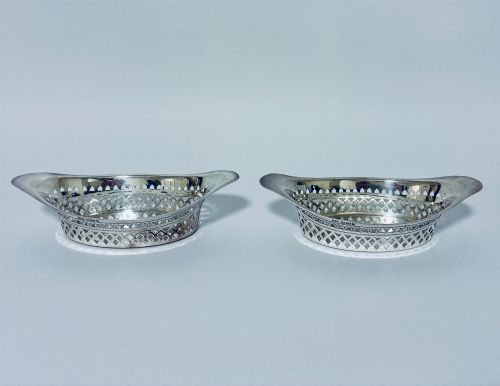
An antique serving basket is a versatile vessel designed for presenting bread, fruit, or sweets at the table. These pieces emerge in various forms, from silver-plated bread baskets to earthenware chestnut baskets and cut glass bowls.
The versions most commonly met on this page date from the nineteenth and early twentieth centuries, encompassing Victorian, Edwardian, and Art Deco aesthetics. Makers utilised silver plate, sterling silver, and earthenware to create both pierced and patterned forms.
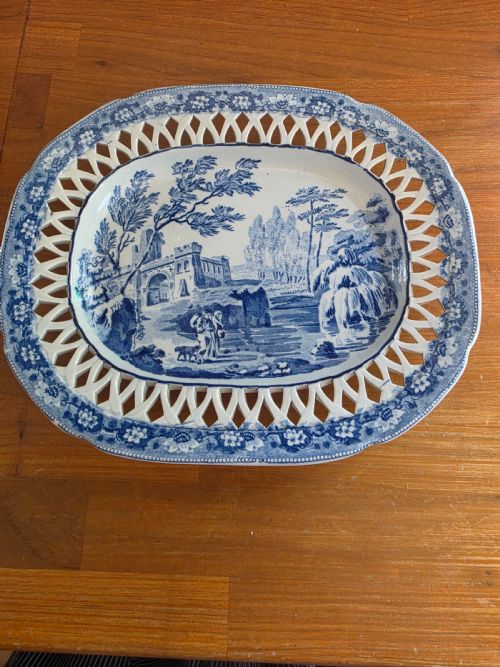
Originating across England, France, and Bohemia, these serving dishes reflect shifting dining habits through the Regency, Victorian, and later periods. Collectors encounter everything from heavy silver-plated fruit baskets to blue and white transfer-printed pottery.
Materials and construction
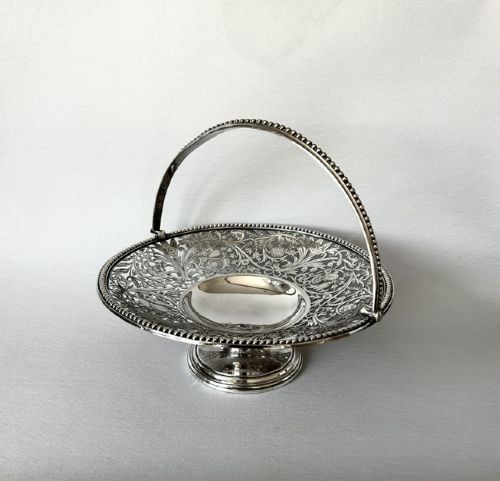
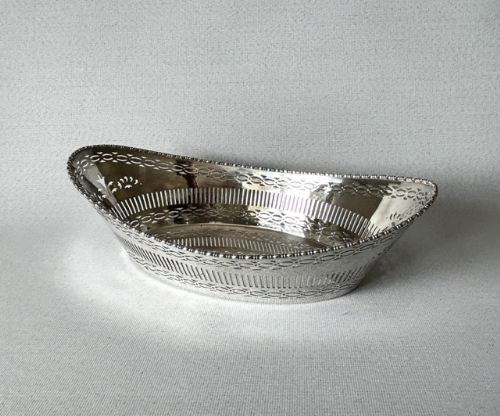
Silversmiths employed sterling silver and silver plate over base metals, often utilising piercing, chasing, and floral engraving to ornament the metalwork. Firms applied EPNS and silver plating to form durable household wares.
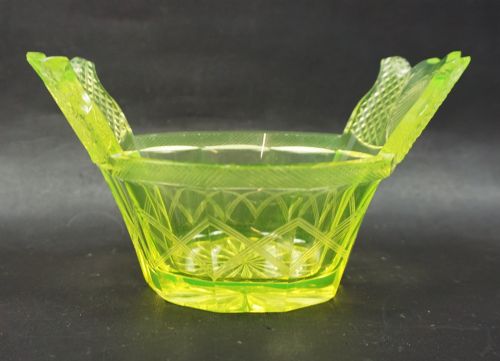
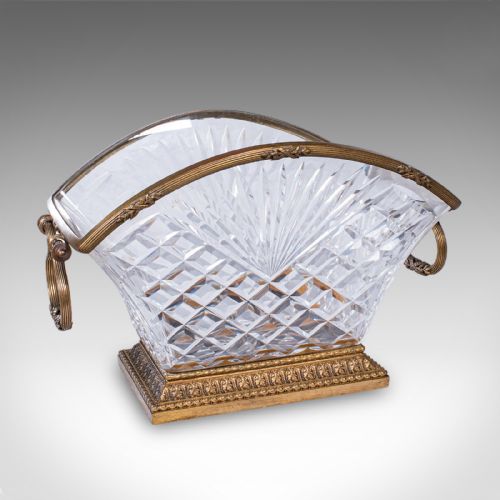
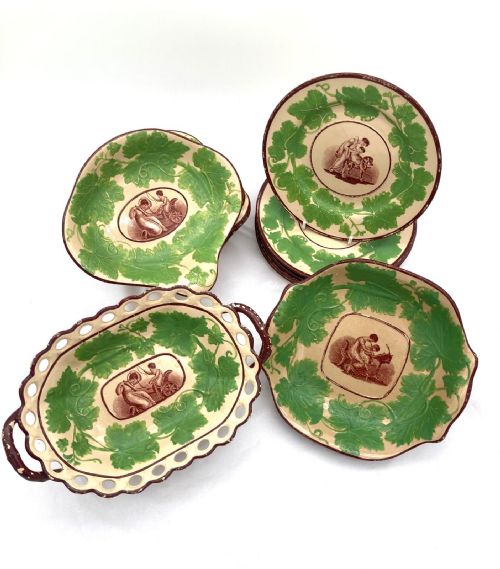
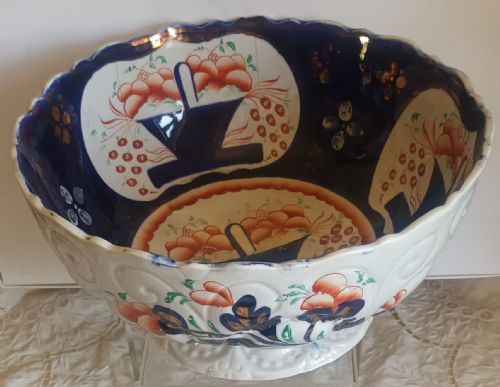
Potters shaped earthenware and pearlware, applying blue and white transfer printing or hand-painted details such as the Gaudy Welsh pattern. Glassworkers produced cut glass and uranium glass bowls, sometimes mounted in ormolu frames.
Craftsmen built these baskets with integrated or swing handles, pierced lattice walls, and footed bases to support breads, fruits, and desserts.
Antique Serving Basket Retail Price Guide 2026
Typical asking prices for serving basket among the pieces listed under this phrase on Sellingantiques today, from the lower quarter to the upper quarter. They describe what is for sale here now, not the wider market.
Materials range from sterling silver and silver plate to earthenware, pearlware, cut glass, and uranium glass.
Markers of quality
Quality rests in the crispness of the piercing, the depth of the floral engraving, and the preservation of the original silver plating or glaze. Superior pieces retain clear hallmarks, sharp cast details, and balanced proportions.
Design attribution elevates a piece, as seen in works associated with known designers or prominent makers such as Mappin & Webb or Walker & Hall. The weight of the metal and the integrity of the glass or ceramic body further distinguish finer examples.
Davenport·Mappin & Webb·John Hunt·Martin Hall·Roberts and Belk·Brille·James Dixon
The Antique Serving Basket Glossary
- EPNS
- Electroplated Nickel Silver. A base metal alloy coated with a layer of pure silver through an electrolytic process.
- Uranium glass
- Glass coloured with uranium oxide. It displays a distinctive vibrant green glow under ultraviolet light.
- Sweetmeat dish
- A small vessel designed for serving confectioneries, nuts, or small sweet delicacies.
- Chestnut basket
- A pierced ceramic or metal container originally used for serving roasted chestnuts at the conclusion of a meal.
Antique Serving Basket: Frequently Asked Questions
What were antique serving baskets used for?
These baskets held bread, fruit, cakes, or sweetmeats during formal dining and afternoon tea. They functioned as both practical tabletop servers and decorative centrepieces.
Hosts utilised them to present seasonal produce and baked goods to seated guests. Their openwork designs allowed air circulation for items like fresh fruit.
How do I clean silver plated baskets?
Clean silver plate with a soft cloth and a specialised silver cream designed for plated items. Avoid harsh abrasives that wear away the thin silver layer.
Wash earthenware and glass baskets gently in warm soapy water without soaking for extended periods. Dry thoroughly with a lint-free cloth to preserve the surface.
How do I identify the period of a basket?
Examine the hallmarks on silver and silver-plated pieces to determine the assay office and date letter. Stylistic markers such as Victorian floral engraving or Art Deco geometry also indicate the era.
Look at the manufacturing technique, such as transfer printing on pottery or the presence of cut glass. Ceramic bodies and glaze characteristics often point to specific decades in the nineteenth century.
Can I use these baskets for daily dining?
These pieces suit regular use provided they receive gentle handling and appropriate hand washing. Silver-plated and ceramic baskets accommodate breads and dry fruits safely.
Care should be taken with antique glass and delicate pierced metalwork to prevent accidental knocks. Many collectors enjoy integrating them into modern table settings.