
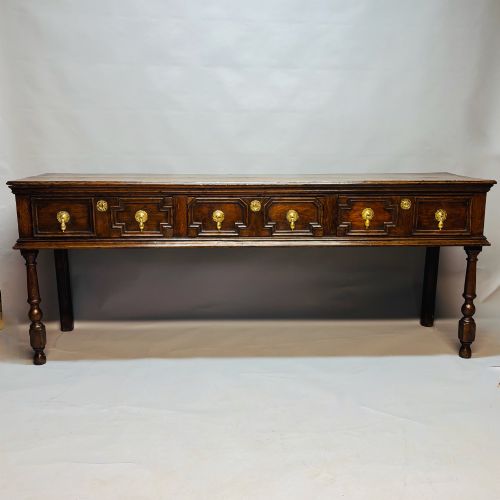
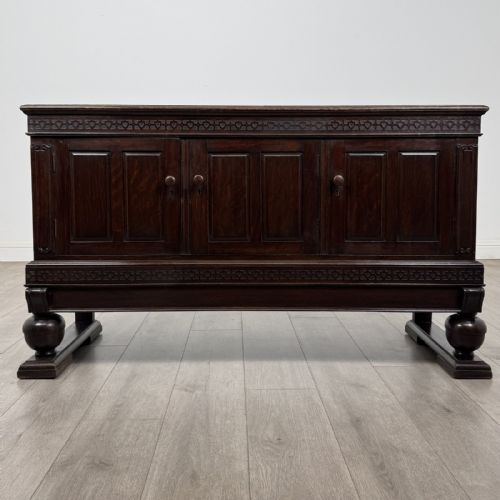
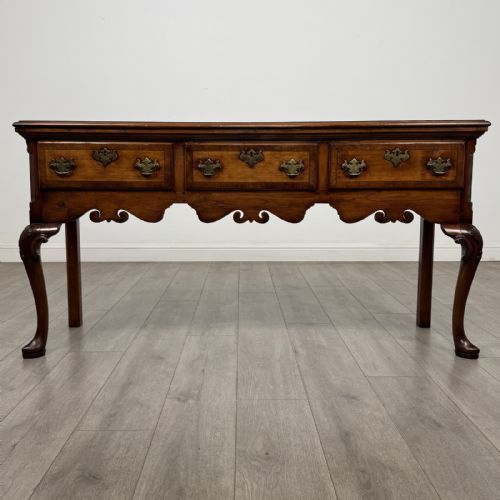
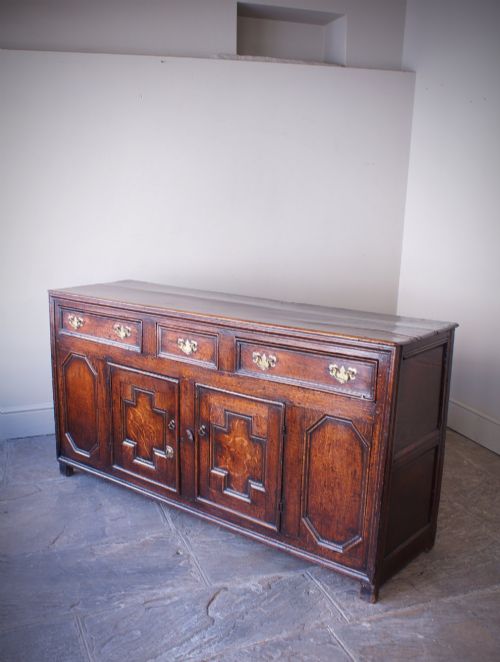
Antique Server Furniture
Antique server furniture spans robust oak dresser bases and elegant mahogany sideboards built to anchor dining rooms across centuries.
Antique Server Furniture
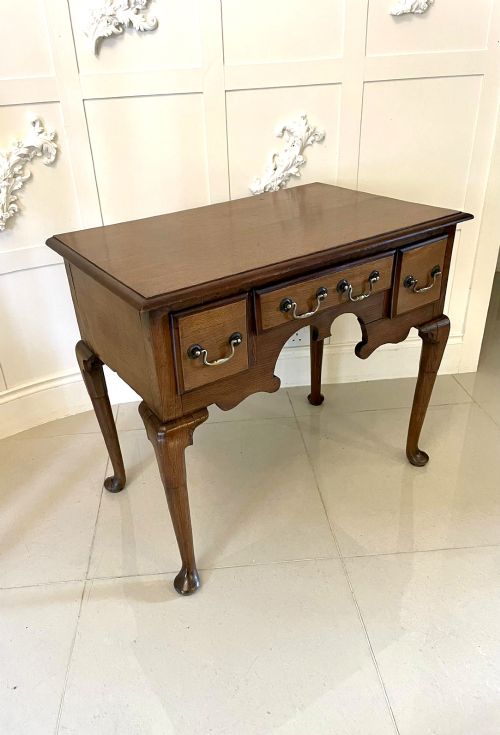
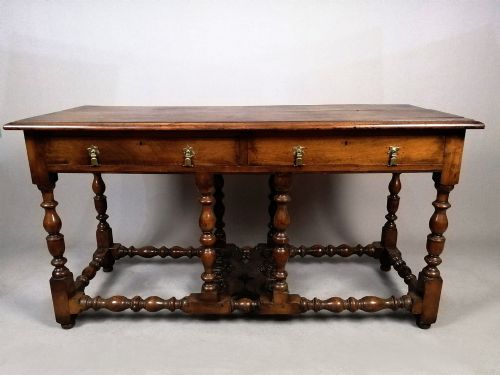
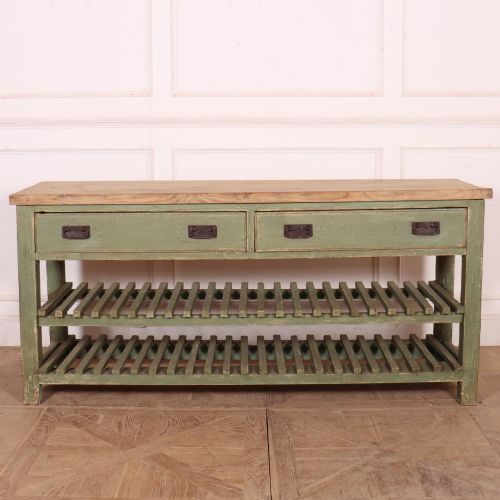
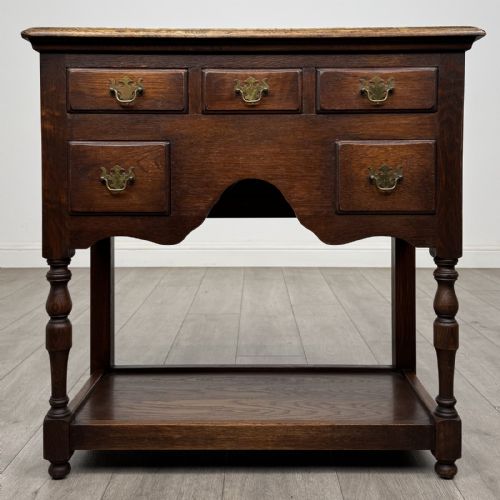
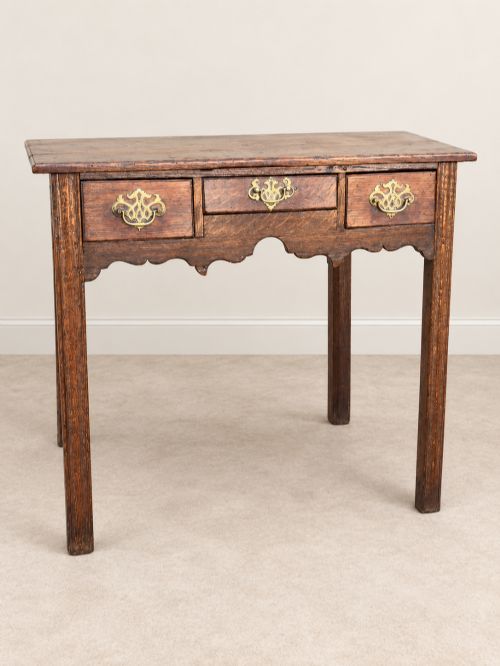
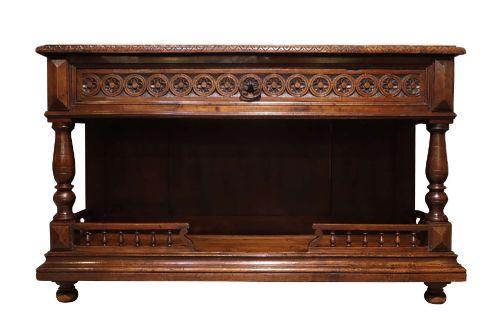
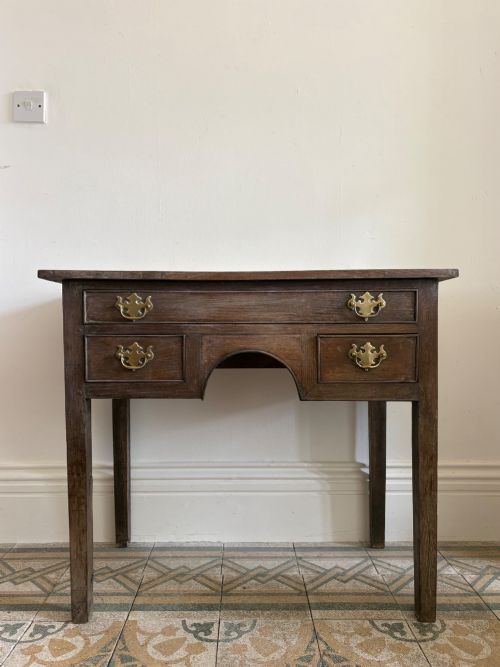
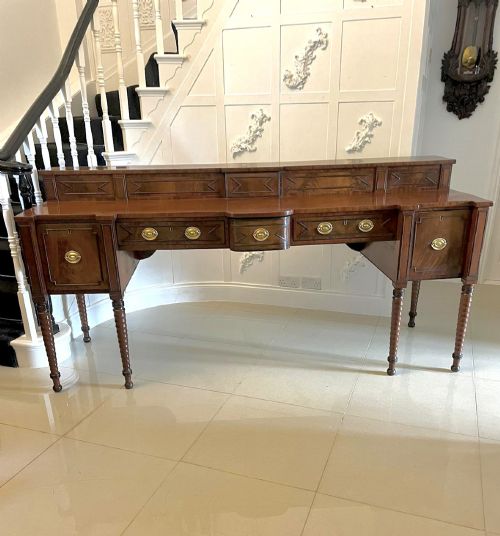
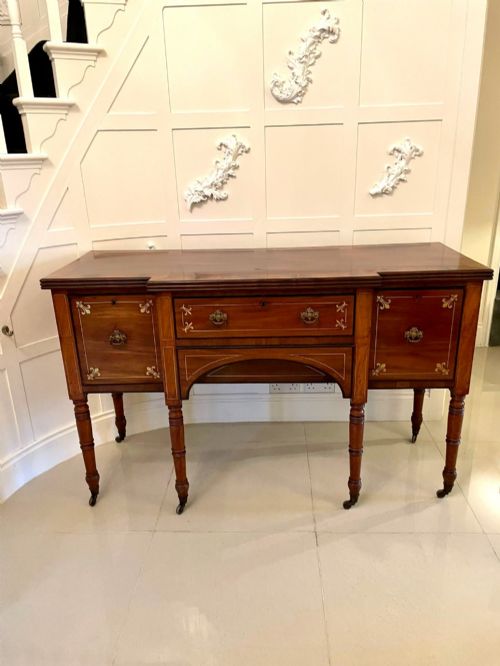
Antique server furniture encompasses practical serving tables, lowboys, buffets, and sideboards designed for food preparation and display. Buyers seeking this category encounter diverse forms ranging from rustic country pine kitchen bases to formal Georgian mahogany sideboards.
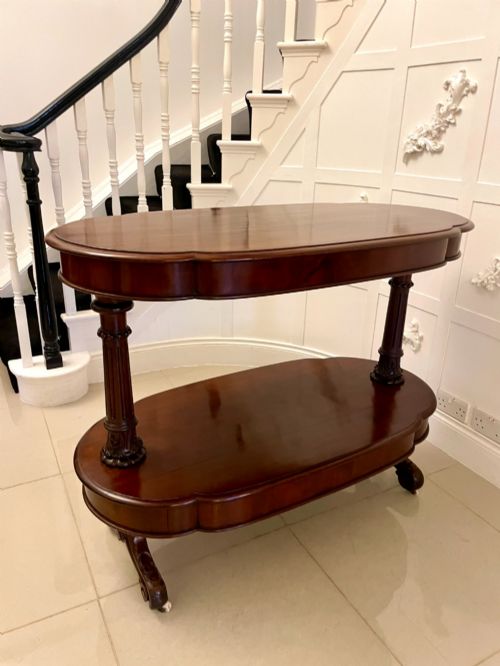
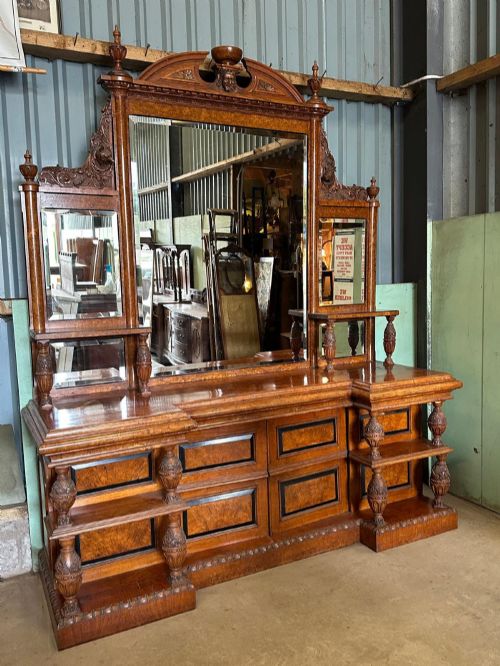
The selection includes specialised pieces such as tiered dumbwaiters alongside elaborate Victorian mirror-back sideboards and Edwardian satinwood bow-front items. These variations reflect the changing domestic habits of dining rooms from the eighteenth century through the Art Deco era.
Oak and mahogany dominate the offerings, appearing across distinct revivals like Jacobean and Sheraton alongside original Georgian and Victorian periods. Each form serves the fundamental purpose of storage and service within the home.
Materials and Technique
Cabinetmakers utilised solid timbers including oak, walnut, and mahogany, frequently selecting figured veneers and burr walnut to create striking visual depth on large surfaces. Inlaid marquetry and satinwood banding adorn finer examples from the later nineteenth and early twentieth centuries.
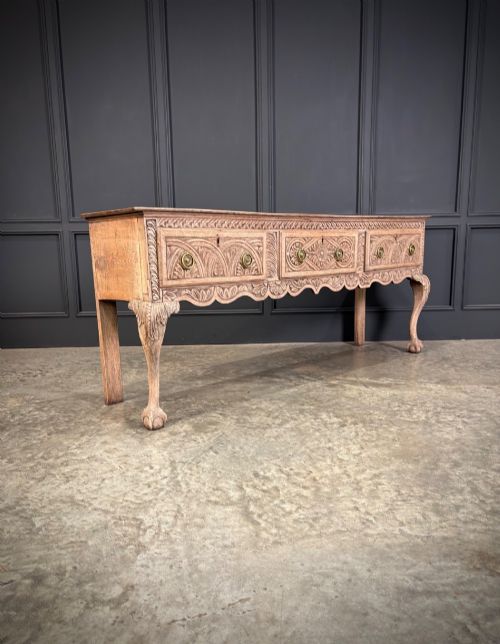
Joinery techniques relied on traditional hand-cut joints, sturdy drawer construction, and structural carcase building that ensured longevity. Carved details, brass hardware, and turned legs or lion paw feet completed the construction of these substantial dining pieces.
Listings feature robust oak items from the eighteenth century alongside refined mahogany Georgian pieces and Edwardian satinwood examples.
Evaluating Construction and Design
The distinction between standard items and exceptional pieces rests upon timber selection, timber thickness, and the crispness of hand-carved ornamentation. Finer examples display harmonious proportions, superior wood grain matching, and original hardware.
Master workshops invested considerable skill in complex marquetry, precise inlay work, and robust internal framing that survives centuries of daily domestic use. Simpler vernacular pieces derive their appeal from honest patination and straightforward utilitarian design.
Hewetsons London·Maurice Adams·Whytock and Reid
The Antique Server Furniture Glossary
- Dresser base
- A low wooden storage unit featuring drawers and cupboards below a flat top surface, often incorporating an open potboard shelf underneath.
- Lowboy
- A small traditional side table with one or more rows of drawers, standing on relatively tall legs.
- Dumbwaiter
- A tiered piece of freestanding furniture designed to hold plates, glasses, and dishes near a dining table without requiring servant attendance.
- Marquetry
- Decorative veneer work arranged in intricate patterns or pictures using various coloured woods and organic materials.
- Potboard
- An open lower shelf fitted between the legs of a dresser base, traditionally used for storing pots and earthenware.
Antique Server Furniture: Frequently Asked Questions
What is antique server furniture?
Antique server furniture comprises functional dining room pieces designed for food presentation, storage, and serving. This category includes sideboards, buffets, serving tables, lowboys, and dumbwaiters.
These items date from the Georgian era through the early twentieth century. They utilise timbers such as oak, mahogany, walnut, and pine.
How were dumbwaiters used?
Dumbwaiters served as tiered serving stands placed beside dining tables during meals. They held dishes, cutlery, and glassware to allow diners to help themselves.
Victorian examples frequently featured revolving or rise-and-fall tiers. This mechanical design maximised convenience in dining rooms with fewer attendants.
Where should I place a server?
Servers and sideboards suit dining rooms, large hallways, or living spaces as focal points for display and storage. Their flat surfaces accommodate lamps, decorative objects, or serving platters.
Lower tables like lowboys fit comfortably in smaller spaces or bedrooms. Taller mirror-back sideboards require adequate wall space and ceiling clearance.
How do I identify periods?
Period identification relies upon wood choice, hardware style, decorative motifs, and construction methods. Georgian pieces favour solid mahogany or oak with restrained classical lines.
Victorian and Edwardian items often display heavier carving, revival styles, or elaborate marquetry inlay. Comparing leg styles and handle types helps confirm the era of manufacture.