


Antique Server Dish
When you search for an antique server dish, you enter a diverse world of historic tableware designed for presenting food at the dining table.
Antique Server Dish
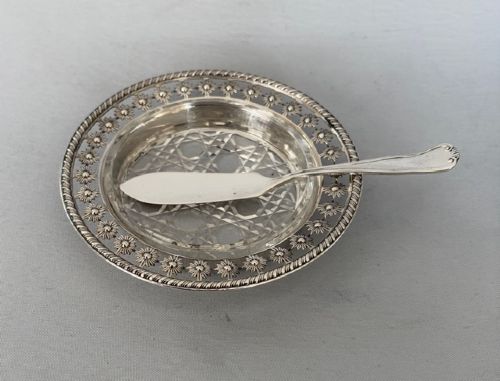
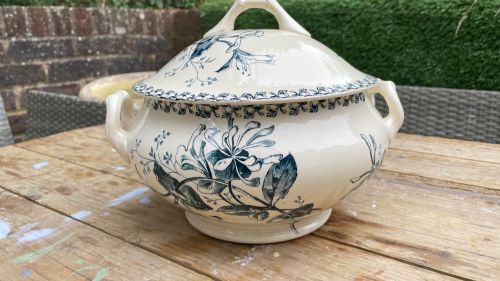
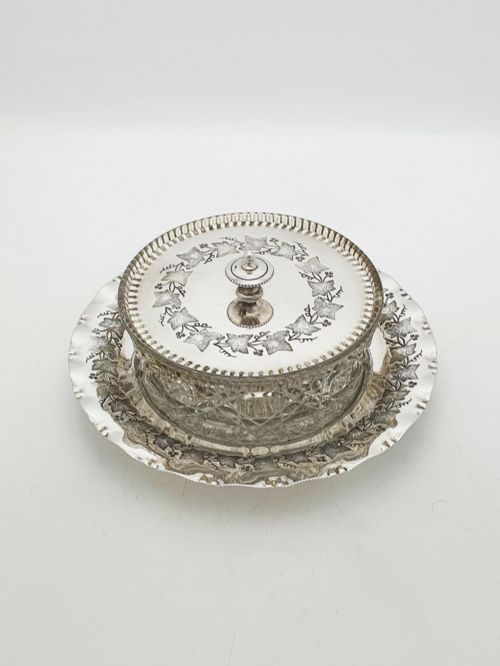
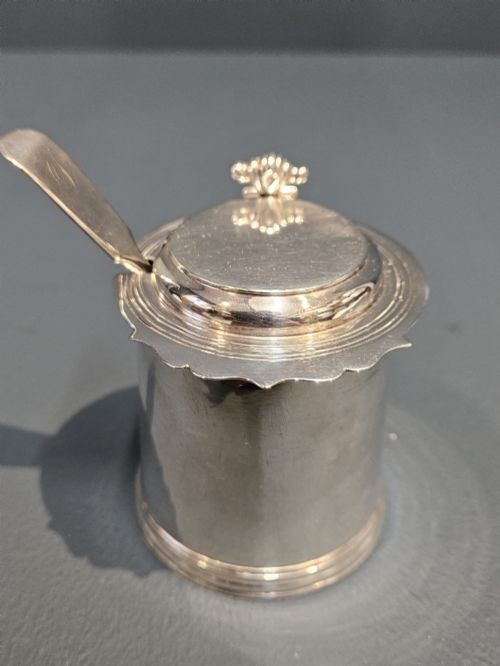
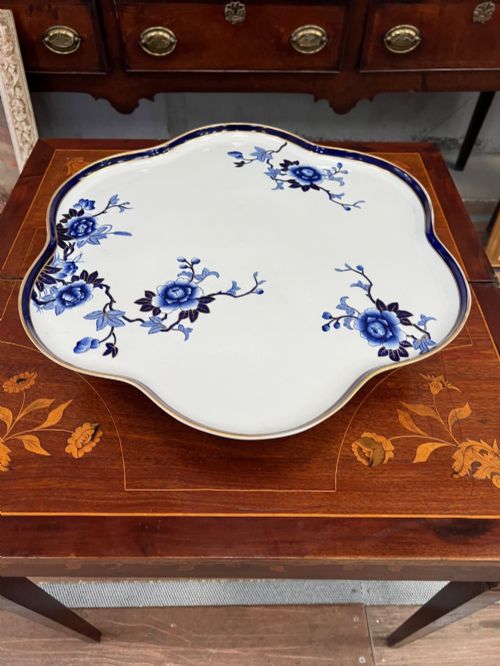
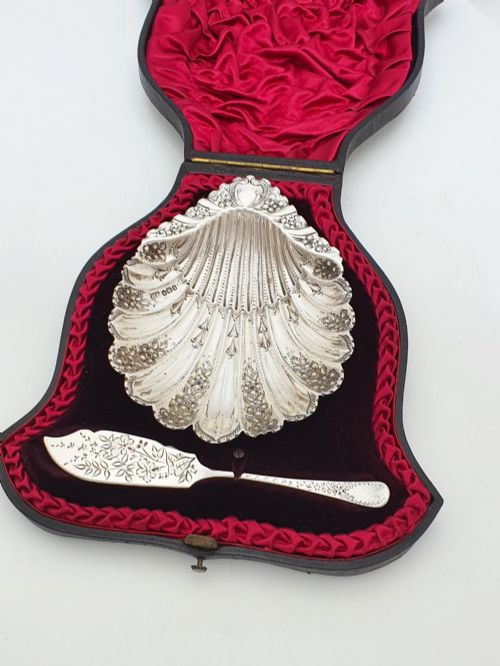
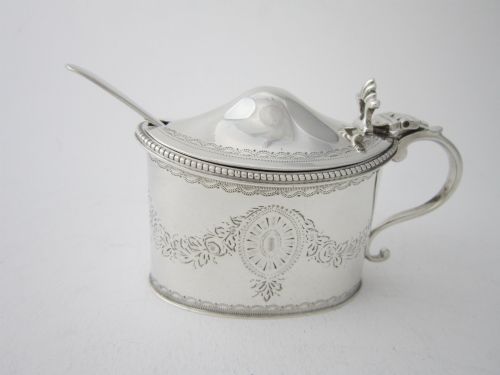
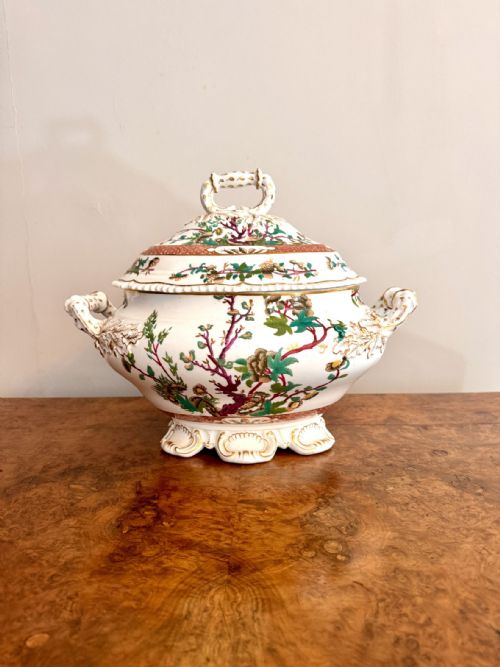
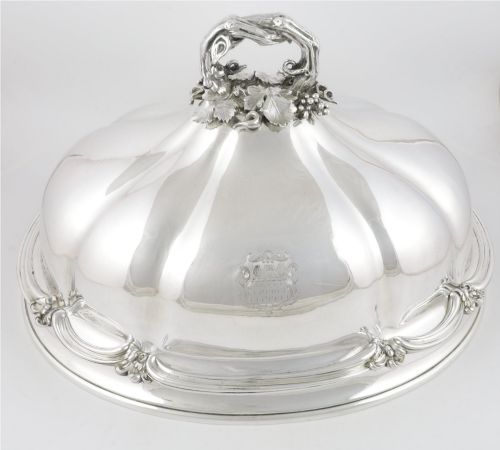
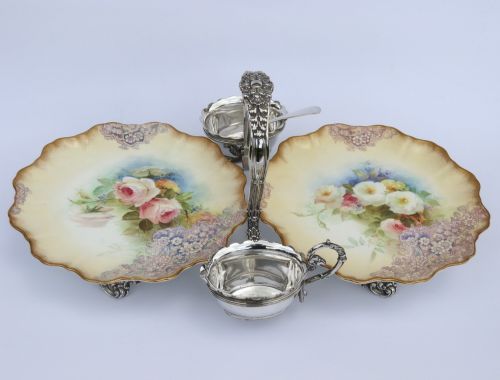
An antique server dish encompasses a wide variety of domestic serving vessels, ranging from large porcelain tureens and meat domes to specialised butter dishes, relish caddies and fruit baskets. These items hail from periods spanning the eighteenth through the early twentieth centuries, reflecting the changing customs of formal dining across Georgian, Victorian and Edwardian households.
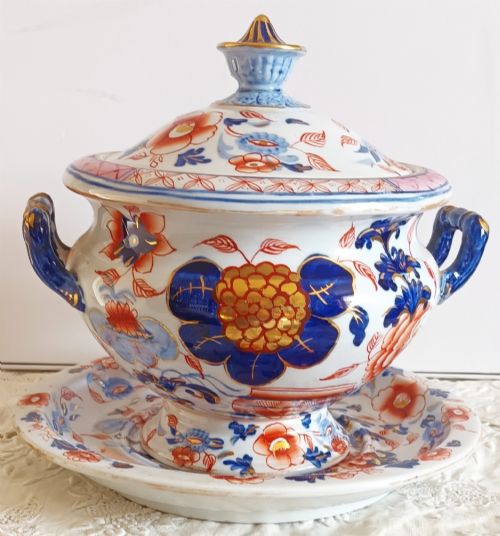
Buyers searching this category will frequently encounter silver-plated entree dishes and revolving breakfast warmers alongside earthenware vegetable tureens and porcelain cabinet dishes. Forms vary considerably by function, including lidded vegetable dishes, handled biscuit boxes, open fruit bowls and dedicated asparagus servers.
Originating predominantly from English potteries and silversmith workshops, these pieces also include European silver plate from firms like WMF and porcelain from factories such as Worcester and Doulton. Each item demonstrates the specific culinary demands of its era, whether for communal dining or individual course presentation.
Materials and methods of construction
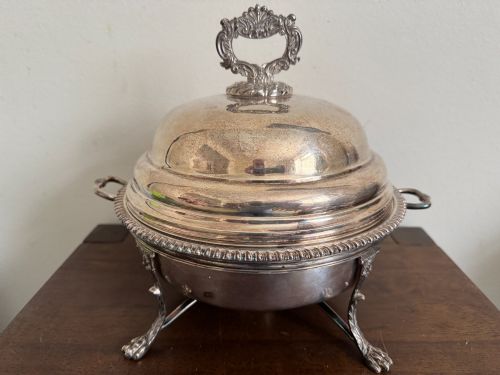
Silver plate and Old Sheffield Plate form a large proportion of metal serving items, utilising electroplated nickel silver or fused silver sheets over copper bases. Silversmiths shaped these metals into entree dishes, meat domes and revolving breakfast warmers, often adding cast handles and applied borders.
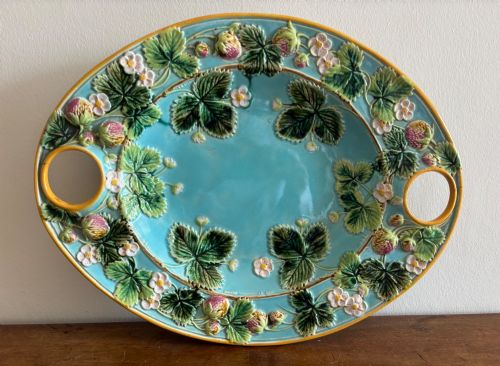
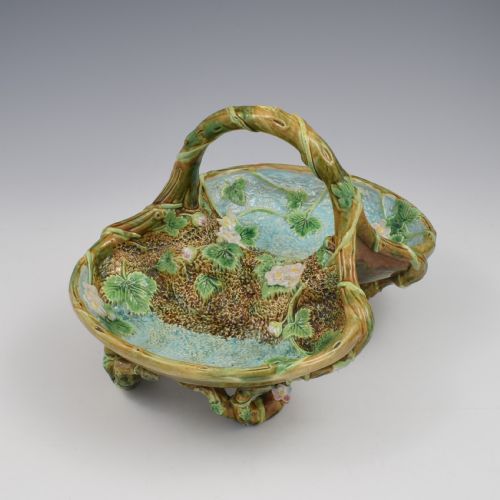
Ceramic pieces rely on earthenware, stoneware and porcelain bodies decorated with underglaze blue and white transfer prints, hand-painted floral motifs or colourful majolica glazes. Workshops shaped these clays into vegetable tureens, pickle dishes and cabinet plates, finishing them with clear or tin glazes.
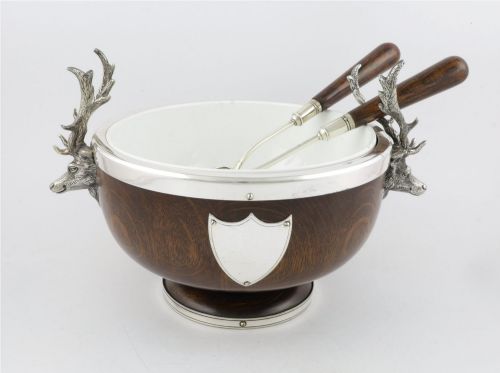
Combinations of materials appear regularly in items like glass-lined butter dishes, ceramic food warmers fitted with silver plate stands, and cut glass biscuit boxes mounted in metal frames. These mixed constructions required precision joining of glass, ceramic and metal components.
Antique Server Dish Retail Price Guide 2026
Typical asking prices for server dish among the pieces listed under this phrase on Sellingantiques today, from the lower quarter to the upper quarter. They describe what is for sale here now, not the wider market.
Listings feature serving pieces spanning the eighteenth to the twentieth centuries, utilising materials from Sterling Silver and Majolica to Glass and Pewter.
Distinctions in quality and execution
The standard of an antique server dish depends heavily on the crispness of its modelling and the quality of its surface decoration. Hand-painted botanical studies and detailed transfer printing on porcelain or earthenware set finer cabinet pieces apart from simpler utility wares.
In metalwork, the weight of the silver plate, the integrity of revolving mechanisms on breakfast dishes, and the finesse of cast handles indicate the maker's original investment of labour and materials. Superior items maintain solid proportions and clean joinery without heavy wear to the underlying base metal.
Roberts Cadman·George Jones·James Wallace And Co·David Dewsberry·WMF·Goldsmiths And Silversmiths·John And Richard Riley·Walker And Hall·Thomas Bradbury·Mappin And Webb·Doulton Lambeth·Kuznetsov·Roberts And Belk·Daniel And Arter
The Antique Server Dish Glossary
- Tureen
- A deep, lidded serving bowl used for soups, sauces, or vegetables at the dining table. They frequently feature matching stands or ladles.
- Old Sheffield Plate
- An early form of composite metal produced by fusing a thin sheet of sterling silver to a thicker copper base before rolling and shaping.
- Majolica
- A type of earthenware coated with an opaque tin glaze and painted with brightly coloured metal oxide pigments, popular during the Victorian era.
- Entree dish
- A shallow, lidded serving vessel, often rectangular or oval, designed to hold individual courses or side dishes during formal meals.
- Sweetmeat dish
- A small, decorative vessel intended for serving confectionery, nuts, fruits, or preserves during dessert courses.
Antique Server Dish: Frequently Asked Questions
What is the difference between a tureen and an entree dish?
A tureen is generally a deeper, round or oval bowl with a high domed lid designed to hold liquids or bulk vegetables like soups and stews.
An entree dish is shallower and typically rectangular or oval, created to present specific pre-portioned courses or side dishes at the table.
How were revolving breakfast dishes used?
Revolving breakfast dishes featured a semi-cylindrical domed lid that rolled back smoothly on a pivot to allow diners self-service access to warm meats, eggs, or fish.
They often incorporated a lower water compartment or burner stand to keep food hot throughout a protracted morning meal.
Can antique silver plated server dishes be used daily?
Silver plated tableware can be utilised for modern dining provided it receives gentle hand washing with non-abrasive cleaners rather than dishwasher cycles.
Care must be taken with older electroplate or Old Sheffield Plate to avoid wearing through the thin silver layer down to the base metal.
How do I identify a majolica strawberry dish?
Majolica strawberry dishes are characterised by moulded earthenware bodies decorated with naturalistic leaf and fruit motifs beneath colourful, glossy lead-safe glazes.
They often include dedicated compartments for fruit, sugar, and cream, reflecting Victorian dessert customs.