




Antique Serpentine Stone
Antique serpentine stone pieces bring classical presence into a room, carved from rich magnesium-silicate minerals into grand tour sculptures and stately pedestals.
Antique Serpentine Stone
When you search for antique serpentine stone, you encounter solid mineral carvings and architectural supports shaped by European and Asian hands across several centuries. The selection centres heavily upon nineteenth-century Grand Tour works, alongside Chinese hardstone carvings and Italian decorative objects.
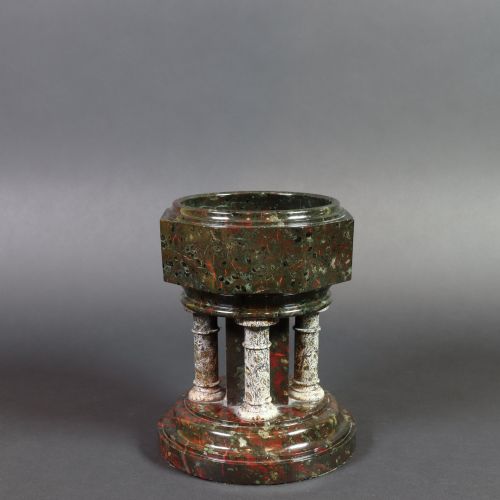
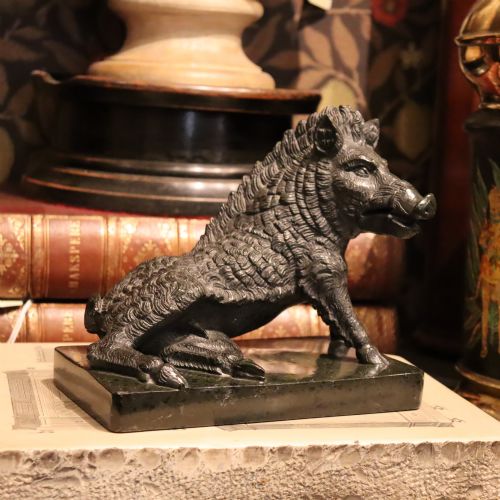
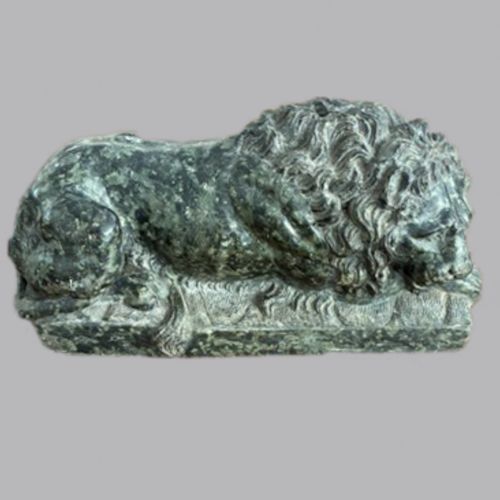
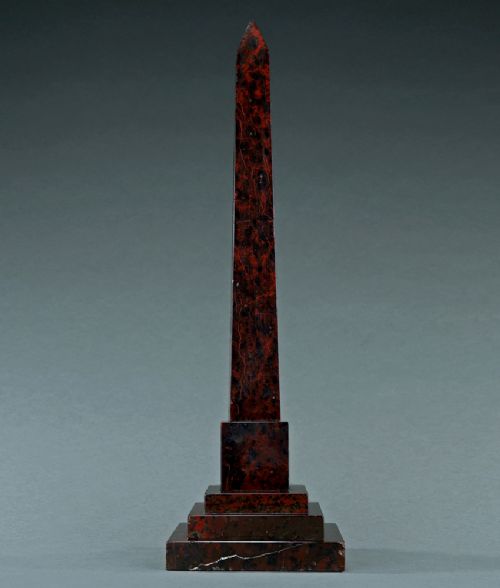
The most common forms on this page include sculptural models of classical animals, carved obelisks, and tall pedestals designed to display art. These pieces draw upon Neoclassical and Victorian aesthetics, often replicating celebrated antiquities from Italian or Asian workshops.
Buyers find everything from small desk ornaments to monumental console tables and columns. The material's distinct mottled green and red tones lend an imposing, scholarly gravity to studies, hallways, and drawing rooms.
Materials and methods
Carvers shaped these works from dense serpentine, bowenite, and variegated marbles, relying on heavy hand-chiselling and abrasive polishing. The natural veining of the stone required artisans to work carefully around structural flaws and colour shifts within the raw block.
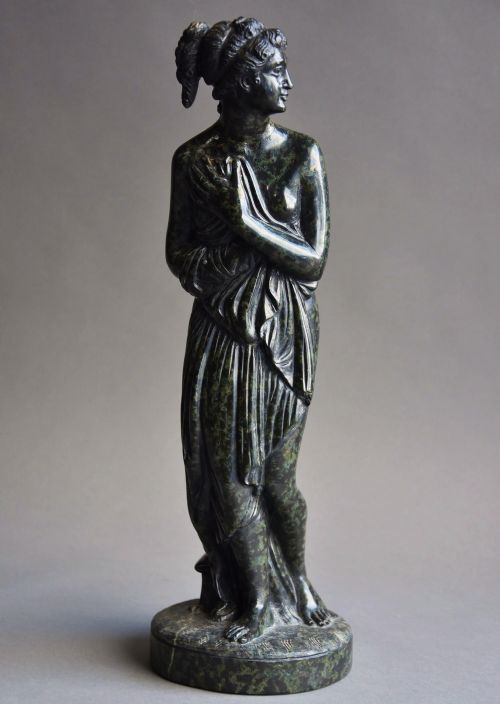
Turning columns and pedestals demanded precise lathe work, while sculptural figures like lions, boars, and human forms called for intricate hand-modelling after classical prototypes. The final high gloss emerged through meticulous rubbing with progressively finer grit stones and powders.
Antique Serpentine Stone Retail Price Guide 2026
Typical asking prices for serpentine stone among the pieces listed under this phrase on Sellingantiques today, from the lower quarter to the upper quarter. They describe what is for sale here now, not the wider market.
Listings feature nineteenth-century Italian and Chinese works, utilising serpentine, bowenite, and variegated green marble across sculptural, pedestal, and table forms.
Assessing quality and execution
The distinction between ordinary and exceptional pieces lies in the fidelity of the carving and the ambition of the subject matter. Master carvers captured musculature, drapery, and fine anatomical details with crisp precision, whereas lesser works appear softer and less defined.
The quality of the raw stone itself dictates much of the value, with richly variegated, fault-free minerals commanding greater admiration. Proportion and structural balance in large objects like pedestals, columns, and tables also determine the success of the piece.
The Antique Serpentine Stone Glossary
- Serpentine
- A hydrous magnesium silicate mineral with a characteristic mottled green or reddish appearance. It takes a high polish and resembles jade or marble.
- Grand Tour
- A traditional trip of Europe undertaken by upper-class young men in the eighteenth and nineteenth centuries. Travellers collected classical sculptures and architectural models as mementoes.
- Bowenite
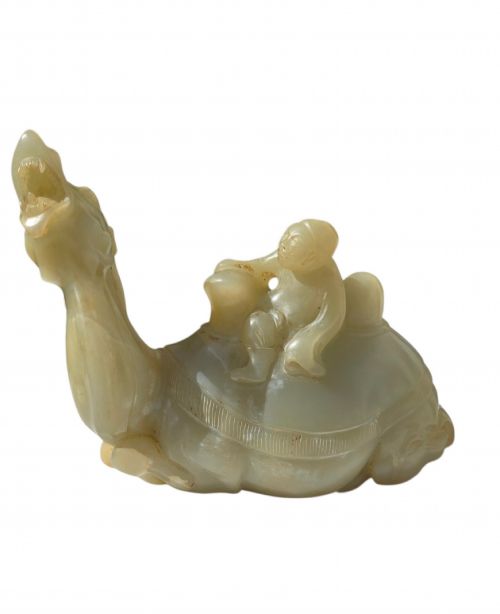
- A hard, compact variety of serpentine prized for its translucent quality and jade-like appearance. Chinese artisans frequently used this material for intricate figurative carvings.
- Obelisk
- A tall, four-sided, narrow tapering monument which ends in a pyramid-like shape at the top. These miniature versions served as decorative mantel and desk ornaments in the nineteenth century.
- Pedestal
- An architectural support or base for a statue, urn, or column. Victorian examples in green marble elevate sculptural works within a room.
Antique Serpentine Stone: Frequently Asked Questions
What is serpentine stone?
Serpentine is a group of green-to-red minerals composed of hydrous magnesium and iron silicates. It has a greasy or waxy lustre and a mottled texture that mimics jade.
Artisans valued it for its workability and rich colouration, using it for decorative carvings, vases, and architectural columns throughout the nineteenth century.
Where were these pieces made?
Many European pieces originate from Italian workshops catering to travellers on the Grand Tour, reproducing classical sculpture in local stone. Other significant examples come from Chinese workshops carving bowenite and serpentine.
These regional traditions produced distinct styles, ranging from Neoclassical Italian animal models to Qing Dynasty figurative groups.
How do I place columns in a room?
Marble and serpentine columns suit spaces with high ceilings or classical architectural details. They function effectively as standalone display pedestals for bronze sculptures or large urns.
Pairing them with neutral walls allows the varied green and red tones of the stone to become a focal point.
How do I care for antique stone?
Dust these pieces regularly with a soft, dry cloth to prevent accumulation in carved crevices. Avoid using acidic cleaners, water, or household polishes, which can damage the historic surface.
Keeping them away from direct heat sources protects the stone and any historical adhesives or stabilization work.