

Antique Sepia Print
An antique sepia print brings monochrome depth to a wall, offering layered historical subjects from birds to royal portraits.
Antique Sepia Print
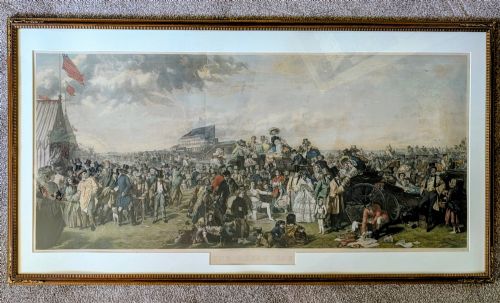
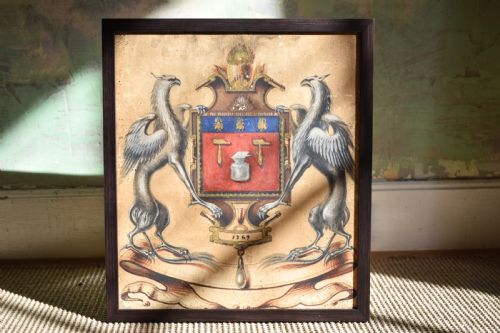
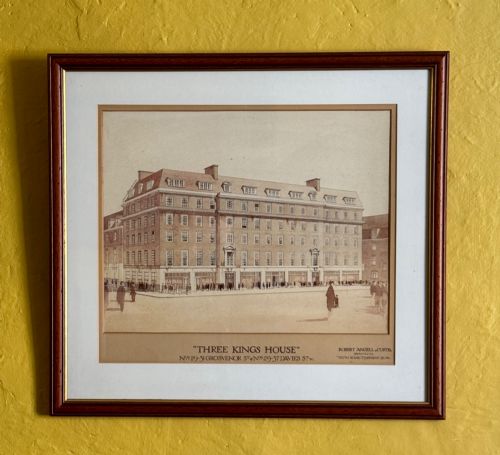
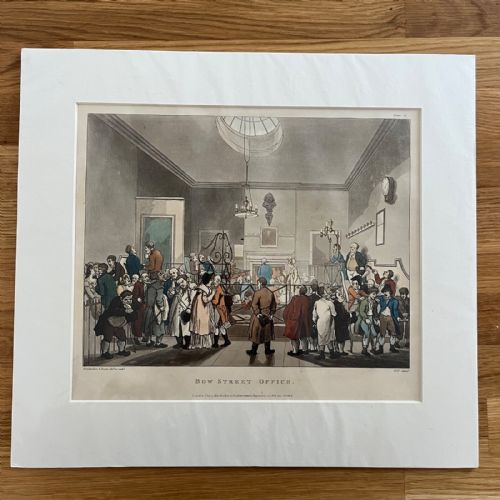
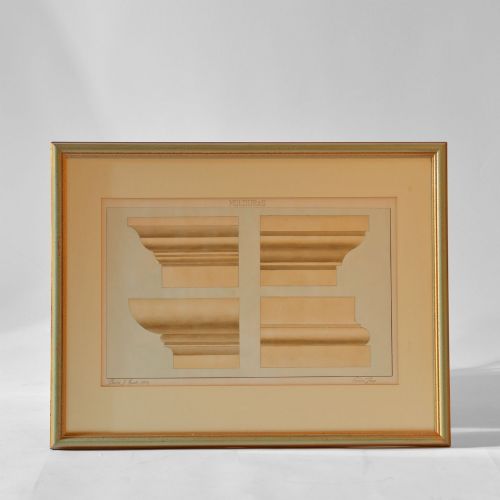
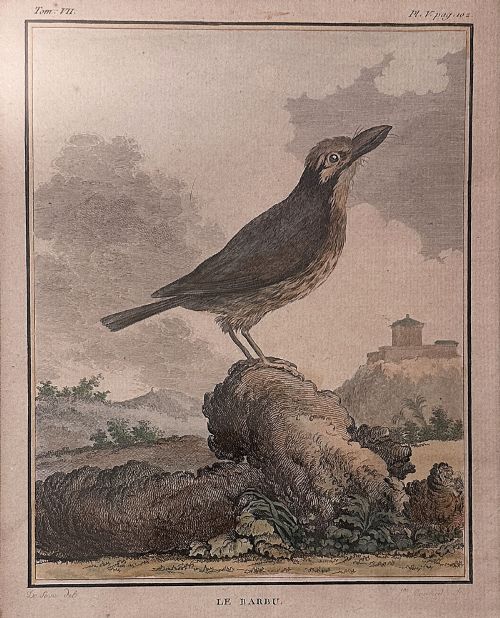
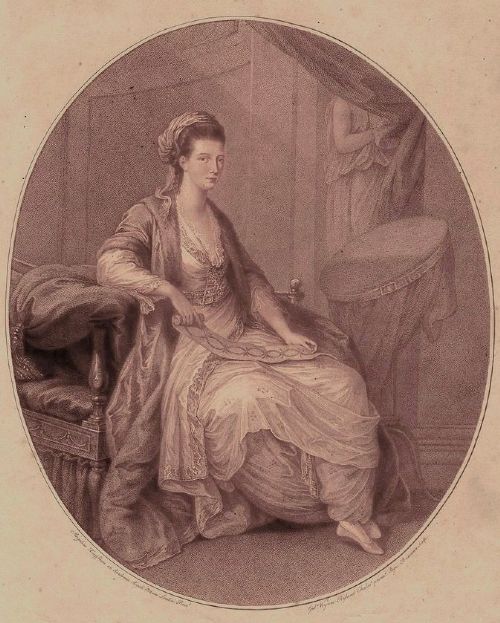
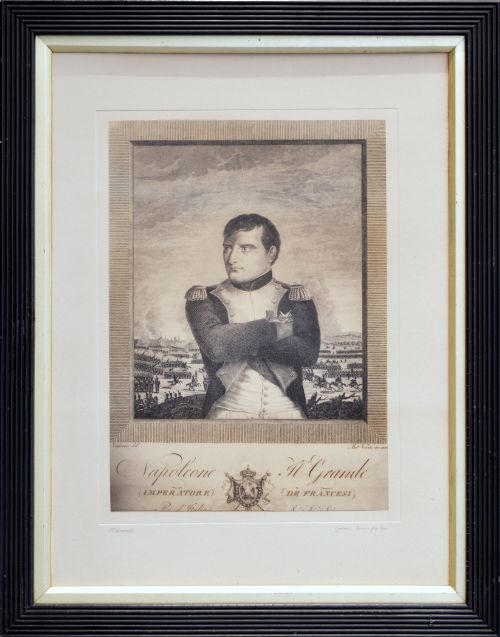
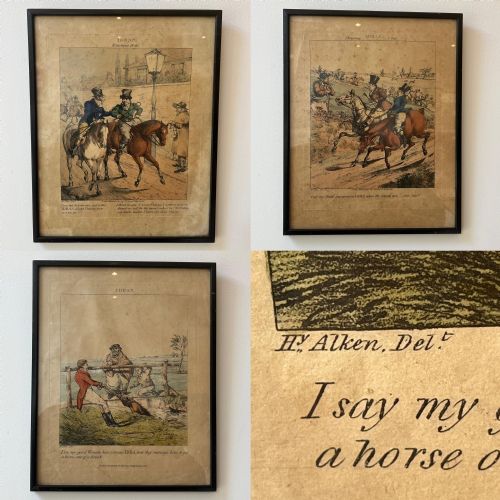
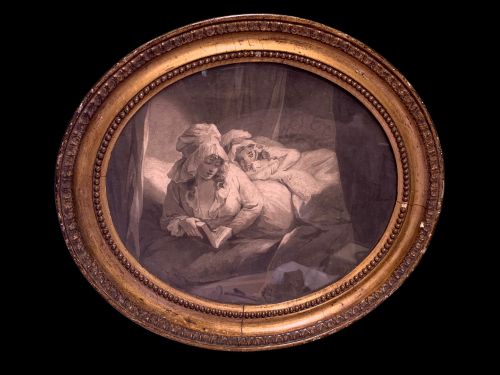
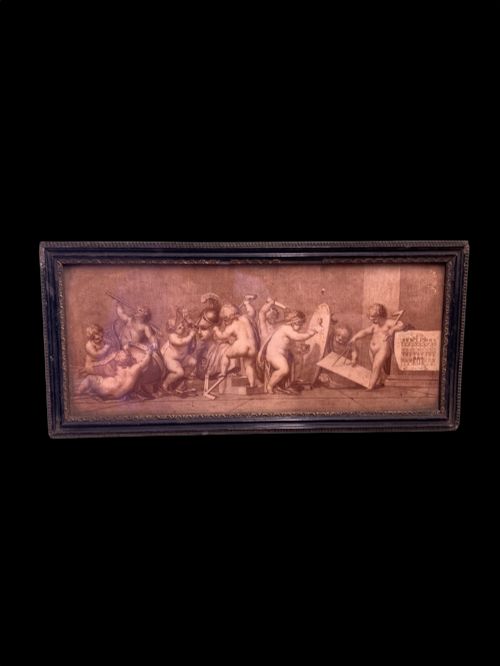
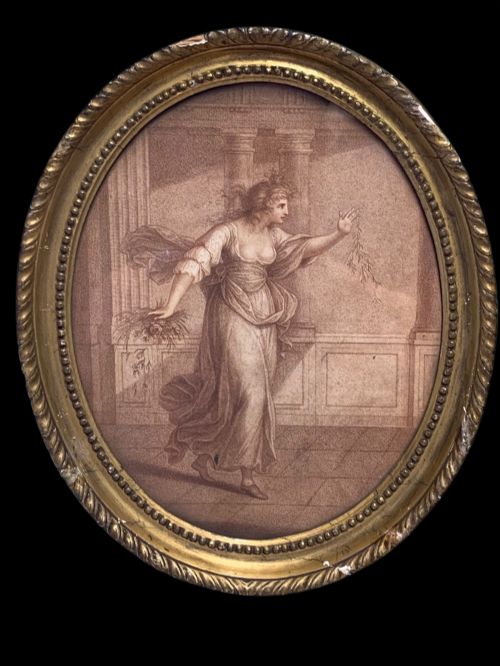
An antique sepia print encompasses historic works on paper, capturing architectural drawings, bird studies, and classical portraits rendered in warm, brownish tones. Buyers examining this category encounter framed pieces originating from the eighteenth century through to the Art Deco period, including works after established painters.
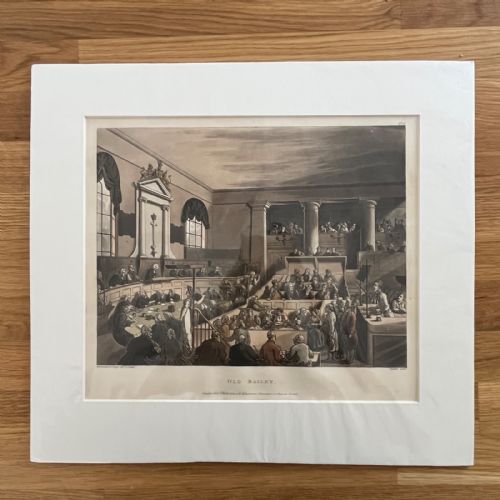
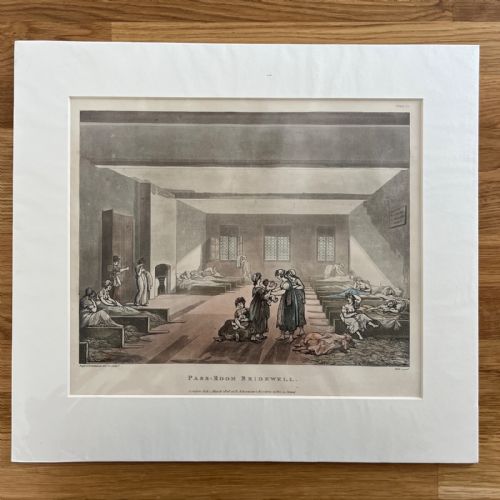
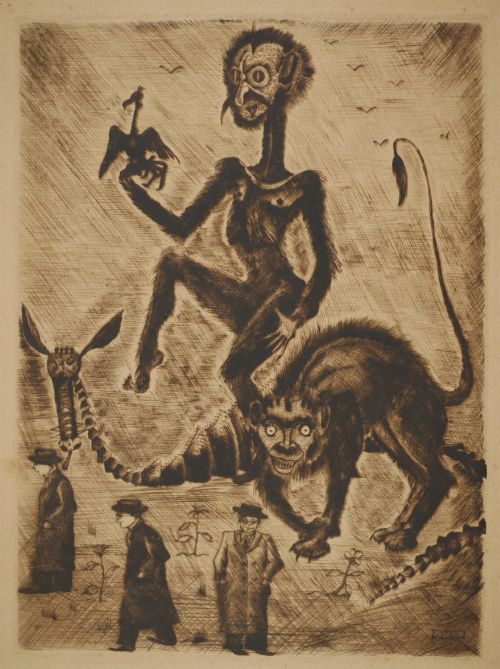
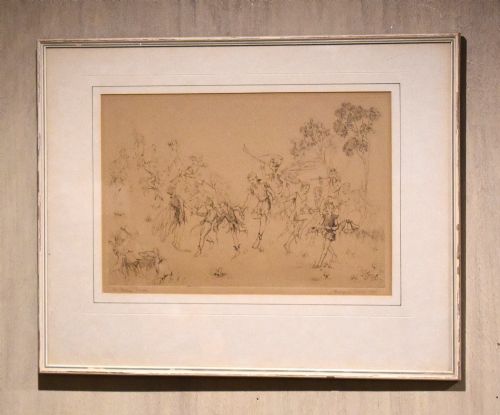
The assortment includes engravings, etchings, and lithographs, often housed in original period frames made of wood or giltwood. Subjects range from topographical town plans and naval scenes to intimate nudes and academic drawings from nineteenth-century schools.
Materials and technique
These works rely fundamentally on paper supports combined with dark ink, sometimes augmented by watercolour washes or hand-coloured details on the printed surface. Master printers utilised copper plates for fine line work in engravings and etchings, or prepared stone matrices for lithographic images.
Frames play a structural role in the survival of these pieces, utilising materials such as oak and giltwood to protect the fragile paper edges and glass covers. Many incorporate gold leaf accents characteristic of Georgian, Victorian, and Edwardian framing traditions.
Antique Sepia Print Retail Price Guide 2026
Typical asking prices for sepia print among the pieces listed under this phrase on Sellingantiques today, from the lower quarter to the upper quarter. They describe what is for sale here now, not the wider market.
Several prints record birds and racehorses, proving that eighteenth-century observers loved a good animal portrait just as much as we do.
What separates the grades
Quality rests upon the crispness of the ink transfer and the preservation of the paper support, where deep tonal gradations distinguish superior impressions from faded examples. The presence of the original period frame further elevates a piece, particularly when glass and backing papers remain undisturbed.
Signatures by the artist or notable engraver alter the standing of a print, as do contemporary handwritten annotations that connect the object directly to its historical moment. Works produced after significant master paintings demonstrate varying fidelity to the original composition.
David Roberts·Herbert Dicksee·Sir William Nicholson·Louis Icart
The Antique Sepia Print Glossary
- Engraving
- A printmaking technique where an artist cuts lines directly into a metal plate with a burin. This process produces sharp, clean lines capable of fine detail.
- Etching
- A method where acid bites lines into a metal plate prepared with an acid-resistant ground. It allows for free-flowing, painterly marks similar to ink drawing.
- Lithography
- A planographic printing process based on the mutual repulsion of oil and water. Artists draw on limestone or metal plates to achieve tonal subtlety.
- Mezzotint
- A tonal engraving method where the metal plate is roughened uniformly to hold ink for dark areas, then scraped to produce lighter highlights.
- Stipple engraving
- A technique using dots rather than lines to create soft tonal gradients, frequently employed for portraits and reproductive prints.
Antique Sepia Print: Frequently Asked Questions
How do I date an old print?
Dating relies on paper characteristics, printing technology, and stylistic cues within the image or accompanying inscriptions. Frame construction and handwritten notes on the mount also provide reliable chronological markers.
Examinations under magnification reveal whether a piece is an original period impression or a later reproduction. Comparing the paper weight to known period standards helps confirm the era of production.
Where should I hang these framed works?
These works require placement away from direct sunlight to prevent the sepia ink and paper support from fading over time. Stable indoor humidity levels protect both the paper and the original wooden frames.
Wall placement in studies, hallways, or living rooms allows the detailed architectural or portrait subjects to be viewed closely. Pairing multiple pieces from similar periods creates a cohesive display.
Are these works original or reproductions?
The inventory comprises original prints, etchings, and drawings pulled during the respective periods, rather than modern machine-made copies. Close inspection shows plate marks and ink saturation typical of historic printing methods.
Signatures, publisher stamps, and period framing authenticate the age of the pieces. Archival evidence within the titles confirms nineteenth and early twentieth-century origins.
How do I care for antique paper art?
Protection from ultraviolet light and damp environments remains essential for preserving the integrity of historic paper and ink. Acid-free backing materials prevent degradation during long-term display.
Glazing should remain intact to shield the surface from atmospheric pollutants and dust. Professional framing standards ensure the paper does not touch the glass directly.