
Antique Seed Pearl Pin
These antique seed pearl pin pieces bring delicate Victorian and Edwardian craftsmanship to any lapel or chain.
What an antique seed pearl pin is
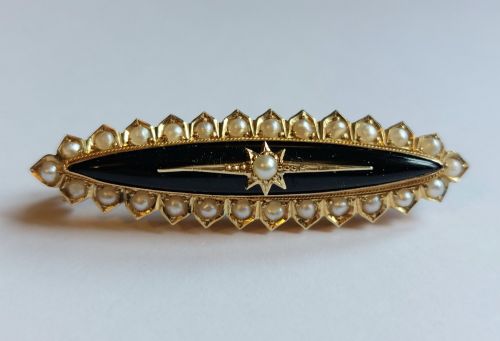
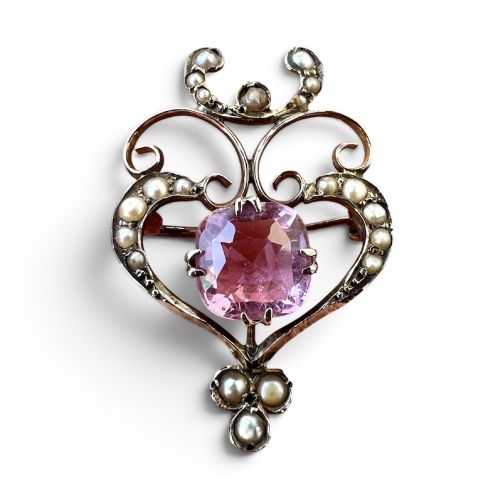
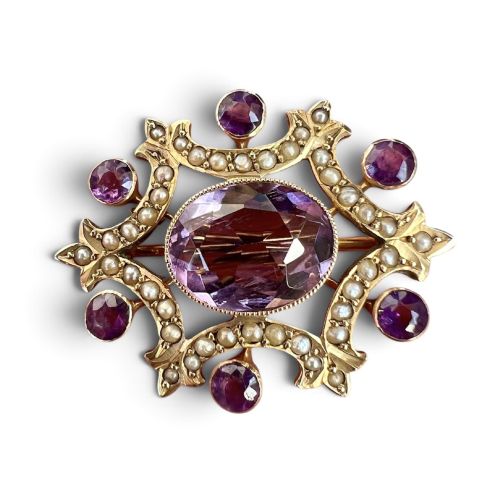
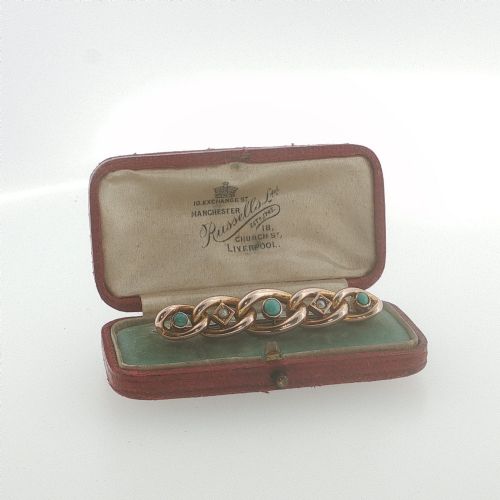
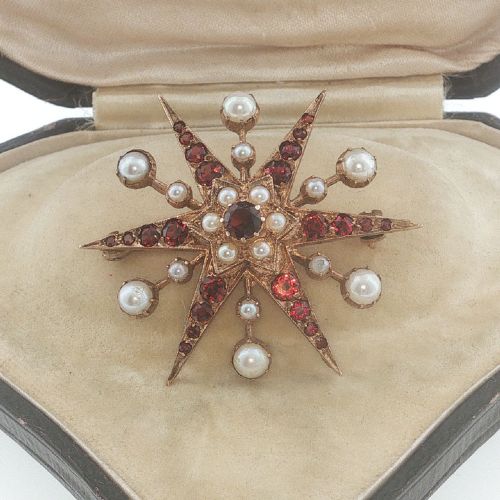
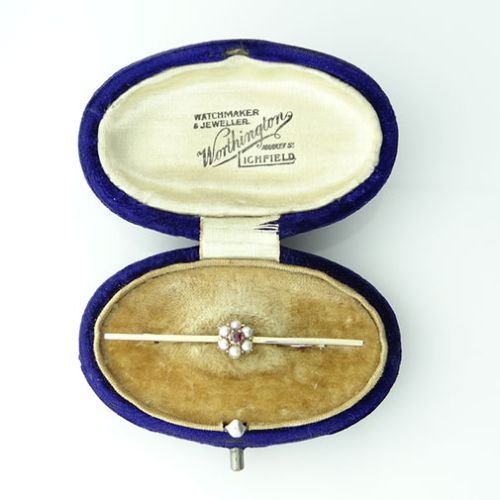
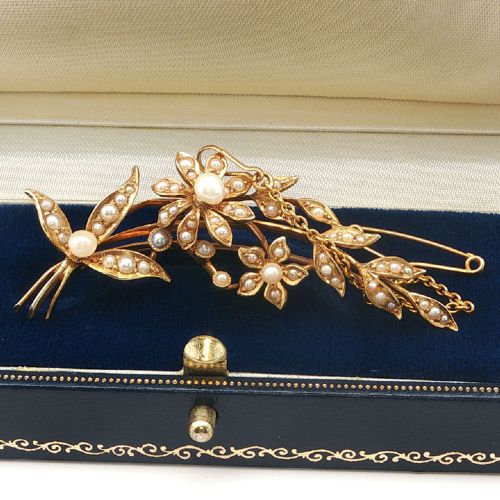
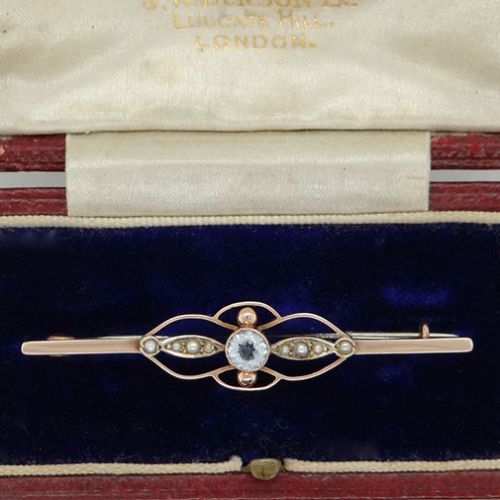
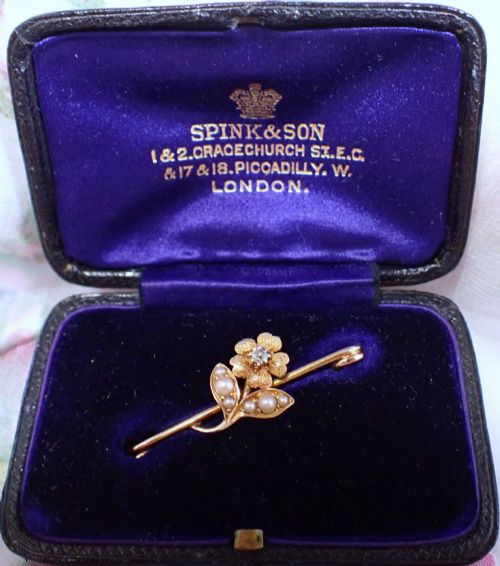
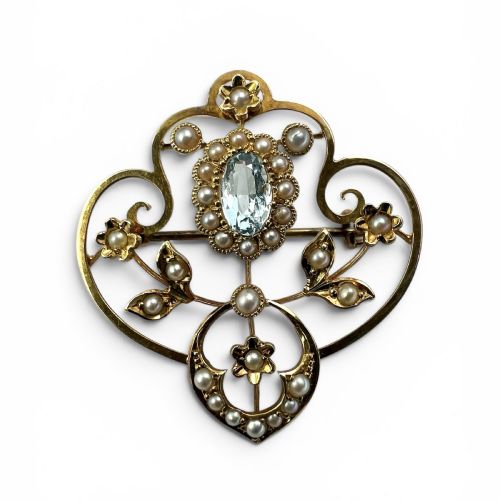
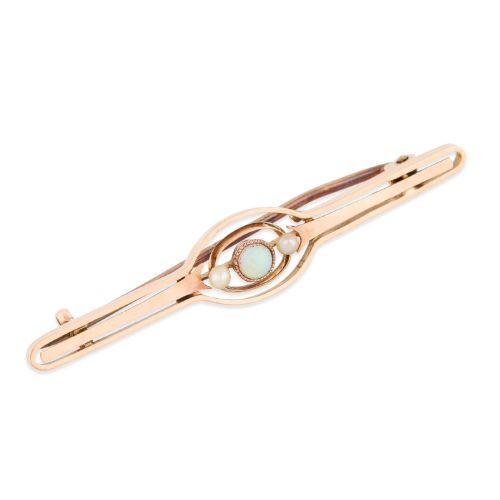
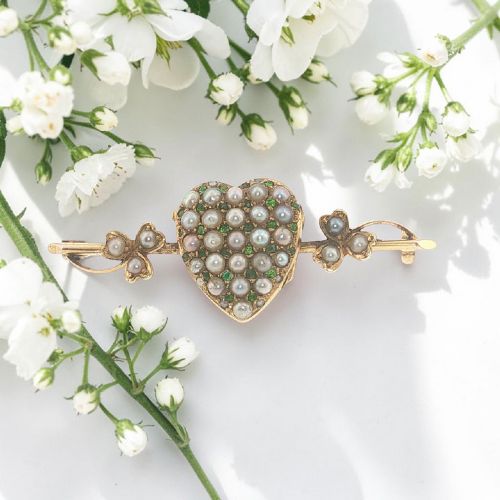
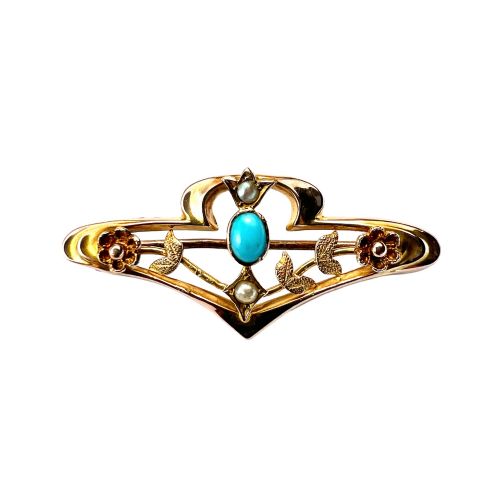
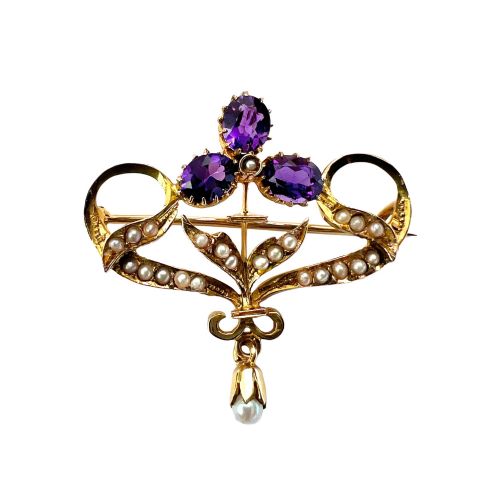
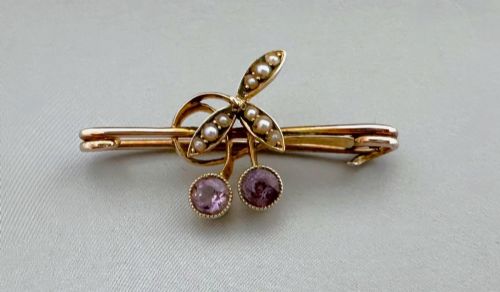
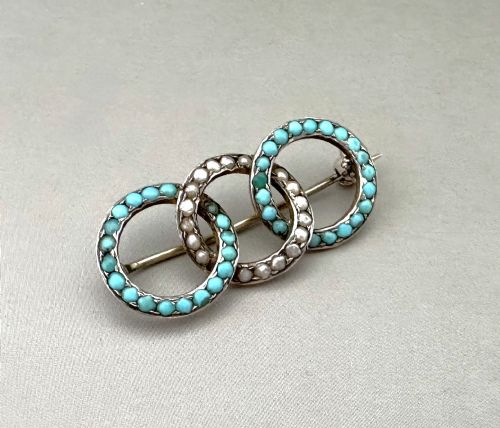
When you search for an antique seed pearl pin, you find intricate brooches, pendants, bangles, and stickpins originating from the Victorian and Edwardian eras. These small pieces combine tiny, natural seed pearls with coloured gemstones to create delicate floral or geometric arrangements.
Archival pieces show that the form extends beyond simple brooches into bangles, necklaces, and stickpins, utilising pink garnet, pink topaz, pink tourmaline, quartz cat's eye, and paste pink stone with rose cut diamonds.
How they were made
Maker's workshops built these pieces using nine-carat and fifteen-carat gold, alongside eighteen-carat yellow, rose, and white gold settings. The metalwork often involves fine wire twisting and claw or bezel settings to secure the tiny pearls and larger faceted stones.
Seed pearls were meticulously drilled and threaded onto hair or fine wire, or secured with tiny pegs within floral clusters and starburst motifs. Gemstones such as amethyst, peridot, pink garnet, pink topaz, and pink tourmaline were then set centrally to anchor the design.
What varies in quality
Quality rests upon the uniformity and lustre of the seed pearls, alongside the precision of the gold wirework. Finer examples retain every tiny pearl intact within its setting, showing careful matching of size and orient across the entire cluster.
The choice of accompanying gemstones also defines the piece, distinguishing standard amethyst and peridot mounts from scarcer stones like pink topaz, pink tourmaline, and rose cut diamonds set in higher carat gold.
The Antique Seed Pearl Pin Glossary
- Seed pearl
- A very small, naturally occurring pearl, typically under two grains, used in clusters for delicate Victorian and Edwardian jewellery. These tiny spheres form the texture and background of many antique pins.
- Edwardian
- A period of jewellery design spanning the reign of King Edward VII, noted for light, lacy platinum and gold work. Pieces from this era often utilise seed pearls in garland and bow motifs.
- Stickpin
- A long pin with a decorative head, worn upright in a cravat, lapel, or tie. These functional items allowed makers to showcase miniature gemstone and seed pearl arrangements.
- Rose cut
- An antique diamond cut featuring a flat base and a domed crown with triangular facets. This method produces a soft, translucent sparkle rather than the brilliant flash of modern cuts.
Frequently Asked Questions
How do I wear a seed pearl brooch?
These pieces suit heavy winter coats, textured wool scarves, or structured lapels where the pin stem can anchor securely without pulling the fabric.
Some variants include a loop or drop, allowing you to transition the piece from a brooch to a pendant on a fine gold chain.
Are seed pearls real pearls?
Seed pearls are genuine natural pearls formed organically in saltwater or freshwater molluscs, simply harvested at a very small size.
Their diminutive scale allowed Victorian and Edwardian jewellers to pave entire surfaces with a shimmering, organic texture.
How do I tell Victorian from Edwardian pieces?
Victorian items tend to feature heavier gold weights and deeper, saturated gemstone colours like amethyst and garnet set within robust mounts.
Edwardian pieces often shift towards lighter nine-carat or fifteen-carat gold frames, utilising peridots and airy openwork clusters that feel lighter to the eye.