


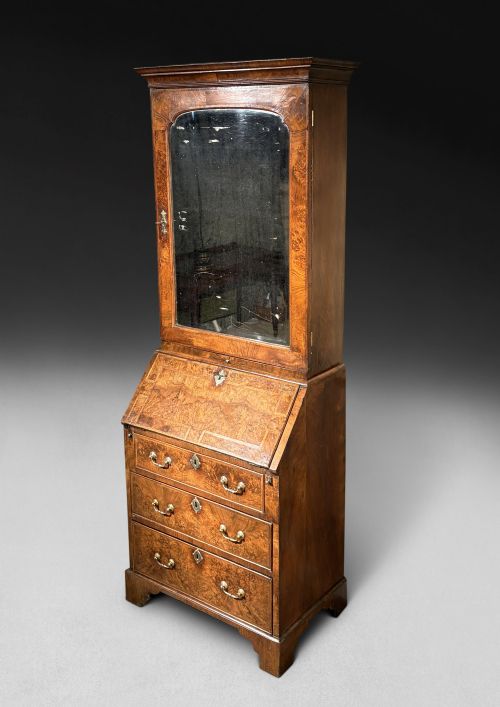


Antique Secretary Desk Mirror
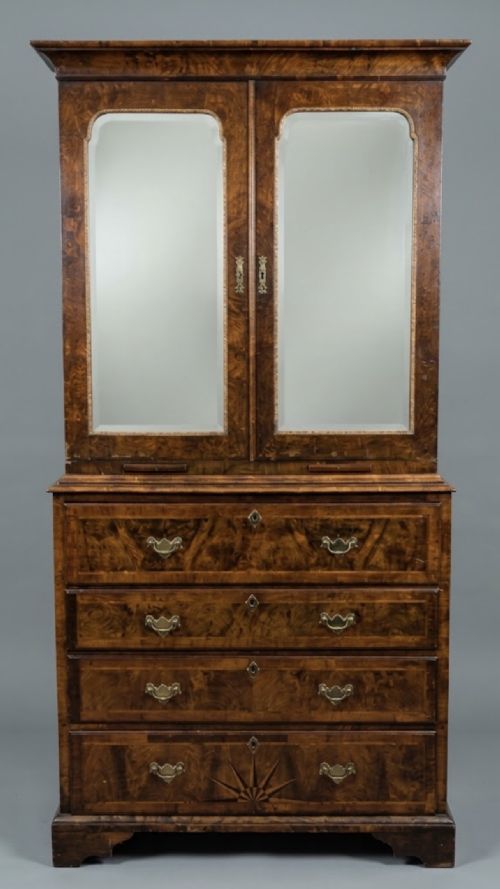
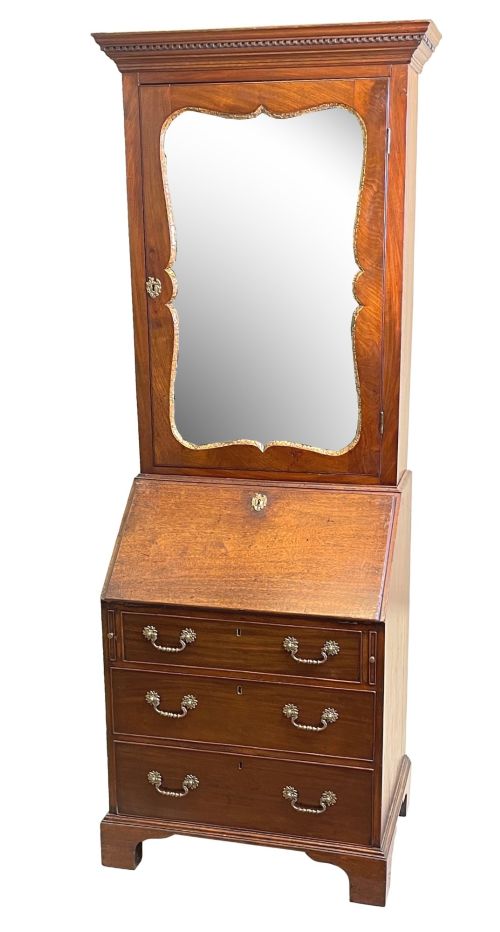
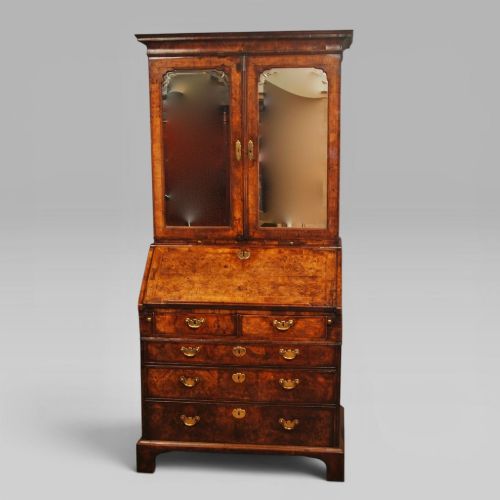
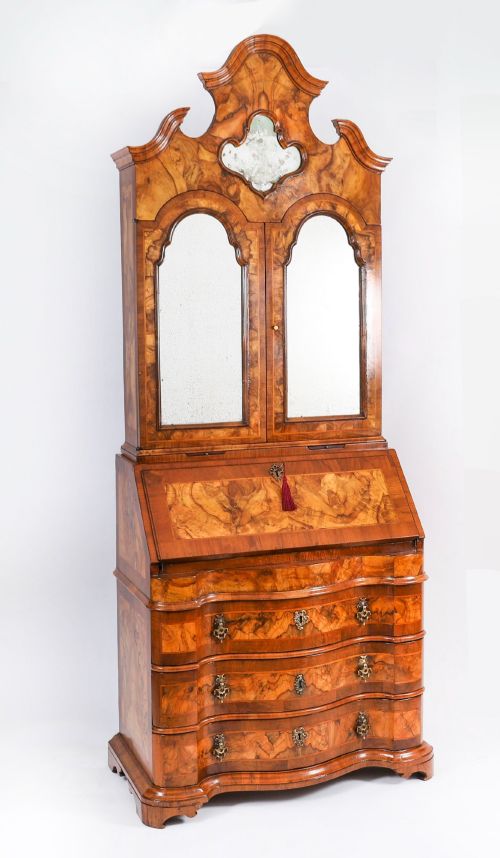
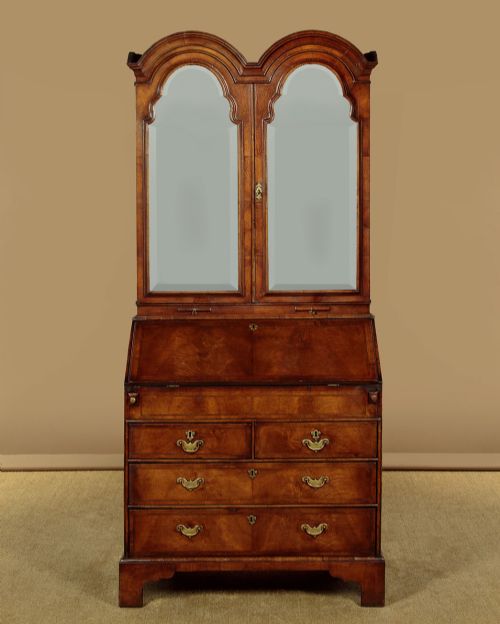
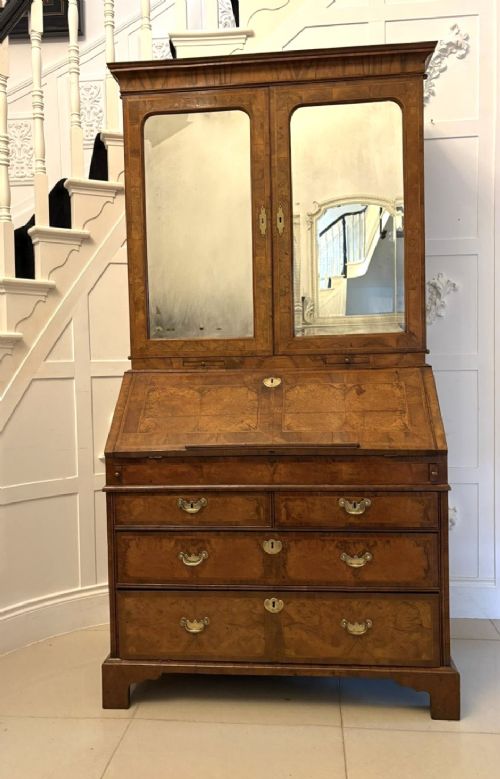
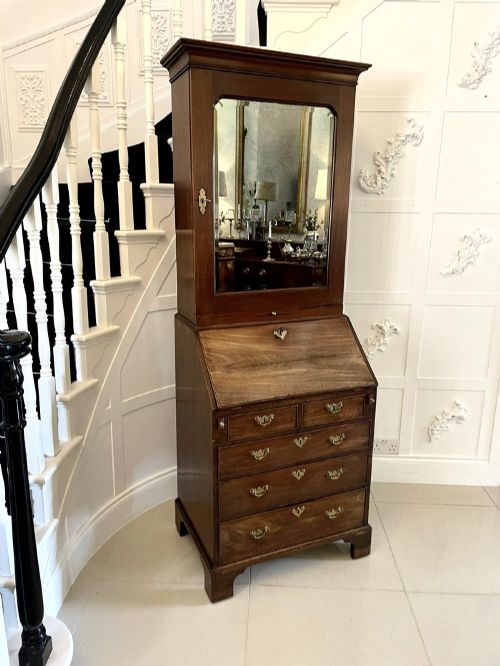
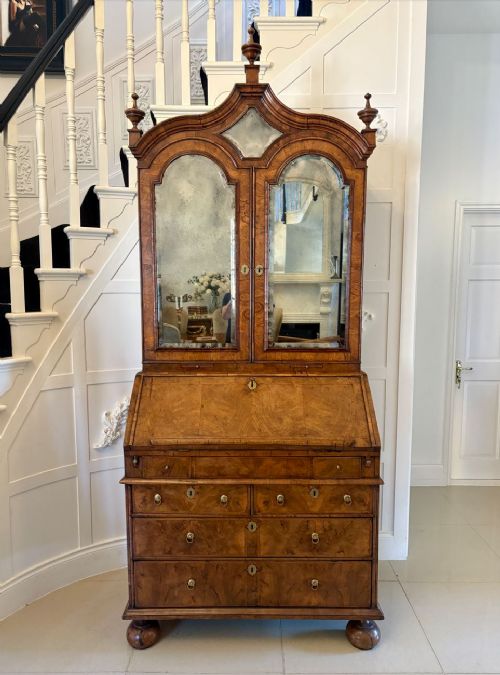
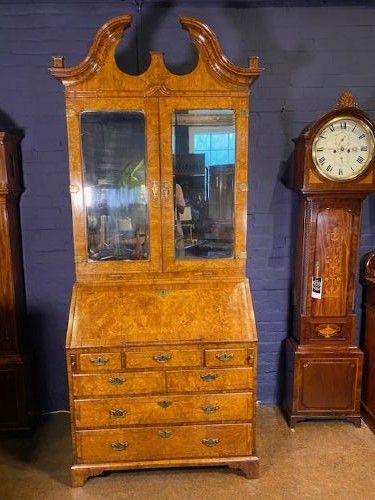
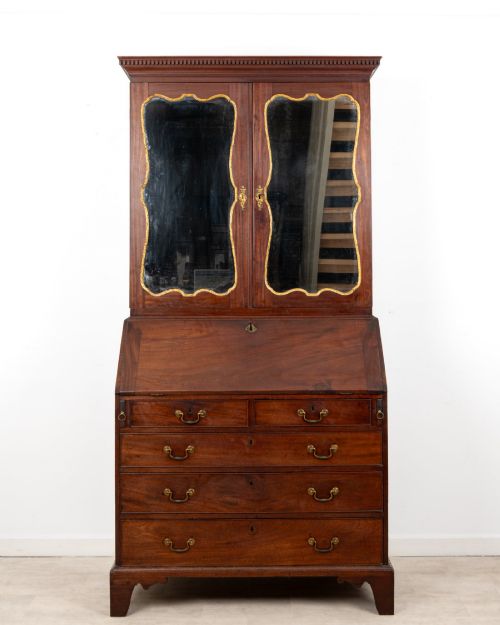
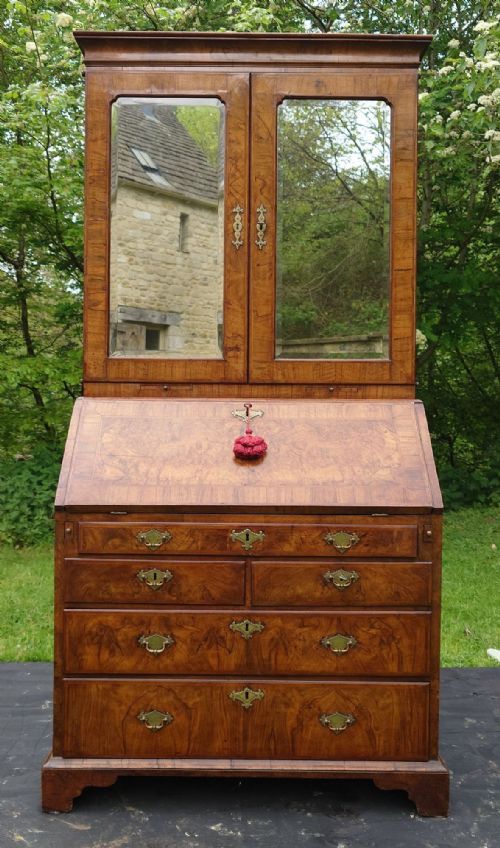
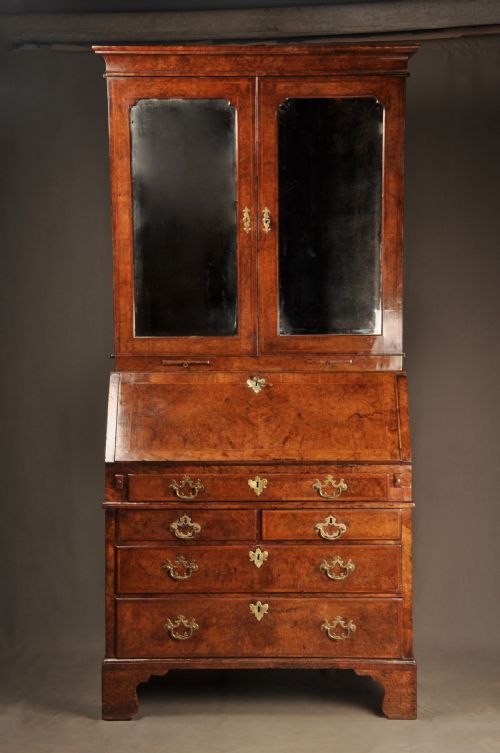
An antique secretary desk mirror combines a fitted writing slope with a shelved upper cabinet, fronted by glass plates that reflect candlelight and room space.
Antique Secretary Desk Mirror
When you search for an antique secretary desk mirror, you encounter pieces predominantly catalogued as bureau bookcases, secretaire cabinets, and bureau cabinets across this selection.
The form pairs a lower writing compartment fitted with drawers and pigeonholes beneath a fall-front or secretaire drawer, surmounted by a taller bookcase section.
Examples span several centuries, with prominent representation from the seventeenth and eighteenth centuries, alongside later Victorian interpretations in walnut, mahogany, and rosewood.
Materials and construction methods
Cabinet makers utilised choice timbers including figured walnut, burr walnut, mahogany, and rosewood, frequently applying decorative veneers over solid secondary woods.
Upper door panels incorporated silvered mirror glass, sometimes held within architectural frames, while internal drawers employed traditional dovetailed joints.
Surface ornamentation involved featherbanding, crossbanding, and occasionally red lacquer applied according to prevailing period tastes.
Antique Secretary Desk Mirror Retail Price Guide 2026
Typical asking prices for secretary desk mirror among the pieces listed under this phrase on Sellingantiques today, from the lower quarter to the upper quarter. They describe what is for sale here now, not the wider market.
The listings show bureau bookcases spanning from the seventeenth century through the Georgian era to Victorian and Edwardian variations in mahogany and walnut.
Distinctions in craftsmanship
Superior examples display carefully selected grain patterns, such as figured or burr walnut matched symmetrically across the fall-front and drawer fronts.
The refinement of internal pigeonholes, secret compartments, and the depth of carved mouldings separate sophisticated workshop production from simpler output.
The Antique Secretary Desk Mirror Glossary
- Bureau bookcase
- A dual-purpose piece combining a lower sloping writing desk with an upper shelved cabinet enclosed by doors.
- Secretaire cabinet
- A freestanding item featuring a dedicated writing drawer with a drop-down front enclosing small drawers and pigeonholes.
- Featherbanding
- A decorative inlay technique using two strips of veneer cut diagonally to form a herringbone pattern around panel edges.
- Fall-front
- A hinged writing flap that pulls down to a horizontal position to provide a flat surface for correspondence.
- Double dome
- An upper cabinet top shaped into two parallel arched curves, characteristic of early eighteenth-century case furniture.
Antique Secretary Desk Mirror: Frequently Asked Questions
What is a secretary desk mirror?
It is a tall cabinet that unites a lower writing desk with an upper bookcase enclosed by mirrored doors. The mirror plates were originally designed to reflect light from candles into the room.
The form developed to keep correspondence and books secure behind lockable doors while providing a practical writing surface.
How do I date an antique secretary?
Dating relies on timber choices, construction techniques, and hardware styles. Early pieces often feature walnut with featherbanding, whereas later ones utilise mahogany or rosewood.
Secondary woods inside drawers and the thickness of the mirror glass provide further clues to the period of manufacture.
Were mirrors original to these desks?
Many early pieces retain their original bevelled mirror plates, which show slight ageing and oxidation within the glass. Replacement mirror plates appear in examples restored during later centuries.
Examining the rebate behind the door helps determine if the glass has been updated.
How do I care for walnut veneer?
Keep the wood away from direct sunlight and steady temperature fluctuations to prevent the delicate burr walnut veneers from lifting. Regular dusting with a dry cloth maintains the polished surface.
A light application of traditional wax feed preserves the timber without sealing it in modern chemicals.