









Antique Seating Box
An antique seating box offers a practical combination of a seat and concealed storage, drawing collectors who value utility alongside period character.
Antique Seating Box
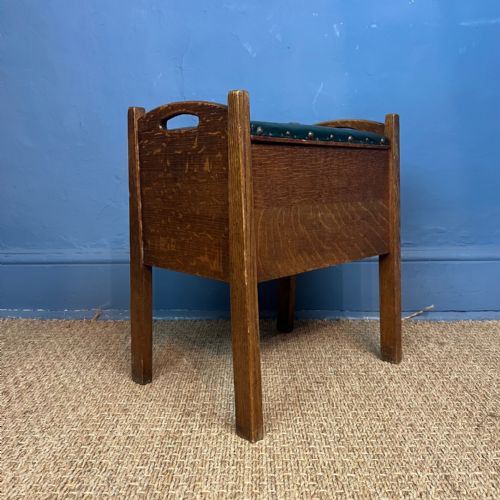
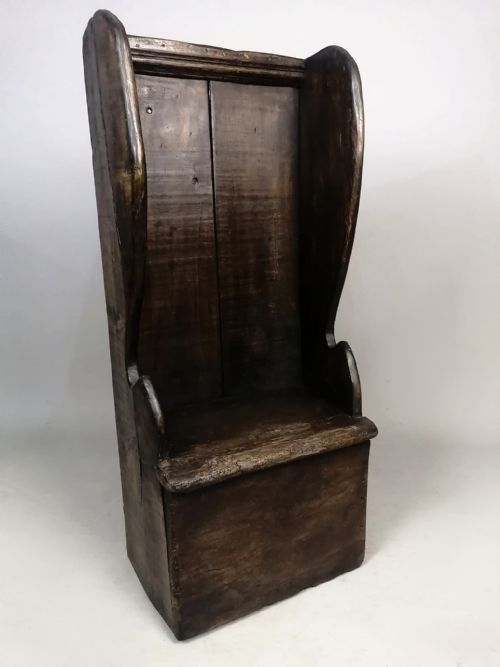
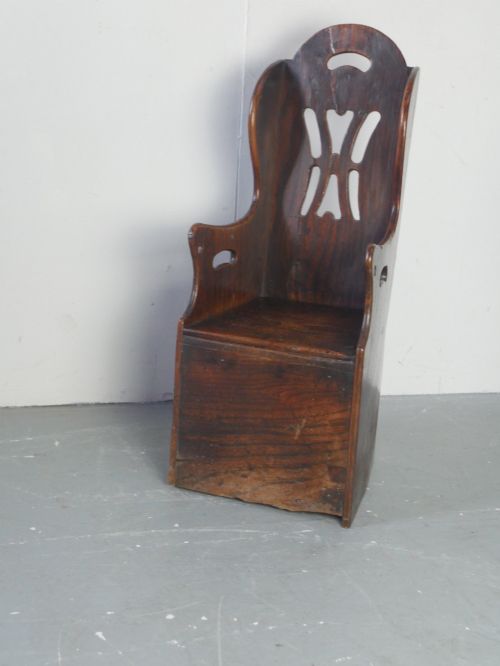
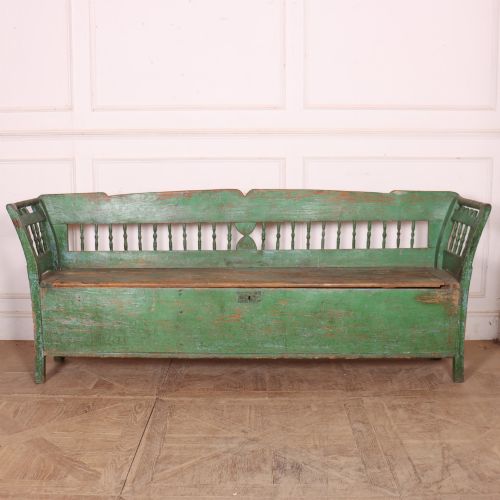
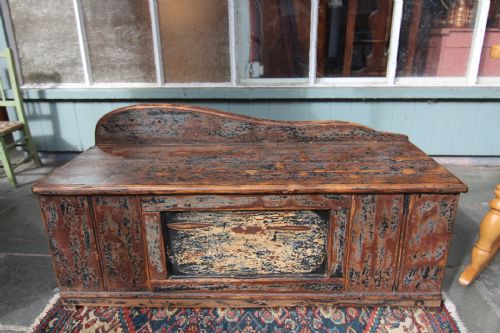
When you search for an antique seating box, you encounter pieces designed to provide both a place to sit and an enclosed compartment beneath the lid or seat. These items range from compact piano stools and ottomans to large country settles and hall benches with lift-up lids.
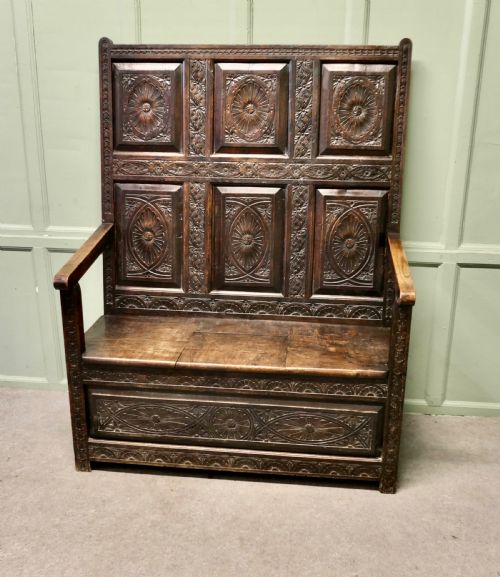
The selections span multiple centuries, with 18th century and 19th century examples appearing frequently alongside Victorian, Edwardian, and earlier 17th century pieces. Forms vary from simple pine and elm farmhouse benches to carved oak box settles and mahogany piano stools.
Regional and stylistic diversity is wide, encompassing English country vernacular, Jacobean revival, Arts and Crafts, and continental European pieces such as Italian cassapanca benches and Austrian farmhouse seating.
Materials and construction
Timbers dictate the character of these pieces, with solid oak, elm, pine, and mahogany forming the primary structural materials. Artisans utilised ash, fruitwood, walnut, and rosewood for specific forms, often finishing surfaces with wax or paint.
Joinery techniques rely on traditional methods suited to heavy daily use, including panel construction, pegged joints, and carved ornamentation. Upholstered elements incorporate fabric, needlework, and brass details on piano stools and ottomans.
Antique Seating Box Retail Price Guide 2026
Typical asking prices for seating box among the pieces listed under this phrase on Sellingantiques today, from the lower quarter to the upper quarter. They describe what is for sale here now, not the wider market.
Listings span from the 16th century through the Edwardian era, featuring materials like oak, mahogany, pine, and elm.
Judgements of quality
Quality rests on the integrity of the timber, the crispness of any carved decoration, and the proportion of the piece. Untouched patination on older oak and elm surfaces holds greater appeal than heavily restored finishes.
The sophistication of the joinery and the retention of original mechanisms, such as lift-up lids and fold-over tops, separate standard vernacular items from finer examples produced by established makers.
James Shoolbred & Co.
The Antique Seating Box Glossary
- Settle
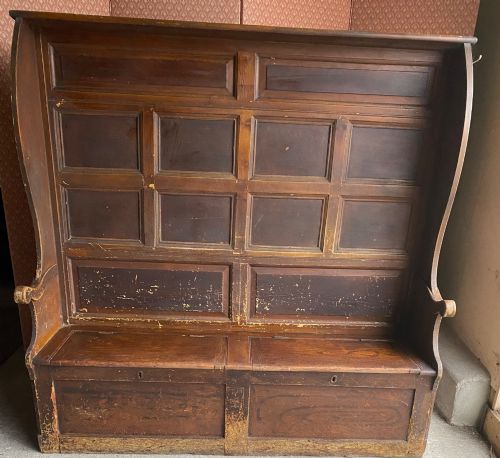
- A wooden bench with a high back, solid arms, and a box seat compartment beneath. This form provided shelter from drafts in older homes.
- Cassapanca
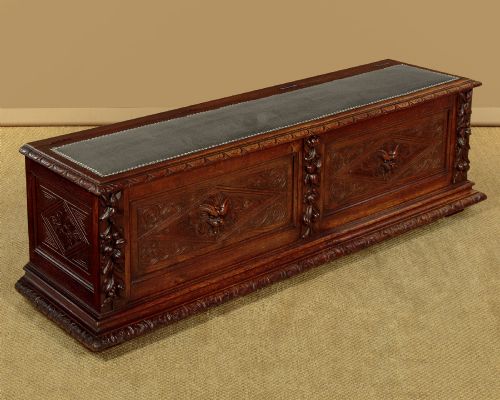
- An Italian wooden bench featuring a deep storage box base and a backrest, often elaborately carved. These pieces function as both seating and chests.
- Commode chair
- A seating piece incorporating an enclosed compartment below the seat, historically designed for a chamber pot. They date across the 17th and 18th centuries in wood types like oak and walnut.
- Ottoman
- A low, upholstered seat or stool with a hinged top that opens for storage. These often feature mahogany frames and needlework covers.
Antique Seating Box: Frequently Asked Questions
What is an antique seating box?
An antique seating box is any piece of furniture that combines a place to sit with an integrated storage compartment beneath the seat. This category includes box settles, hall benches, piano stools, and lambing chairs.
These items were utilised in hallways, living rooms, and music rooms to store items while providing functional seating.
How were box settles used historically?
Box settles served primarily as seating near fireplaces or in entrance halls, where their high backs helped block cold draughts. The enclosed space beneath the seat stored household goods, blankets, or boots.
In larger country houses and farmhouses, they acted as substantial central pieces of furniture for daily family life.
How do I care for antique wooden seating?
Maintain wooden seating by keeping it away from direct heat sources and sudden temperature fluctuations that can dry out the timber. Regular dusting with a soft cloth preserves the surface.
Apply a suitable wax polish periodically to nourish older oak, elm, or mahogany surfaces without building up heavy residues.
How can I tell the age of a seating box?
Dating relies on examining the timber species, joinery methods, and the style of any carved decoration. Earlier pieces from the 17th and 18th centuries typically display hand-planed surfaces, pegged joints, and vernacular oak or elm construction.
Later 19th and early 20th century examples often utilise machine-sawn timbers, softer pine, or feature styles like Arts and Crafts or Edwardian mahogany.