

Antique Seat Furniture
Antique seat furniture gathers chairs, benches, settles and stools made across centuries to sit comfortably in halls, gardens and dining rooms.
Antique Seat Furniture
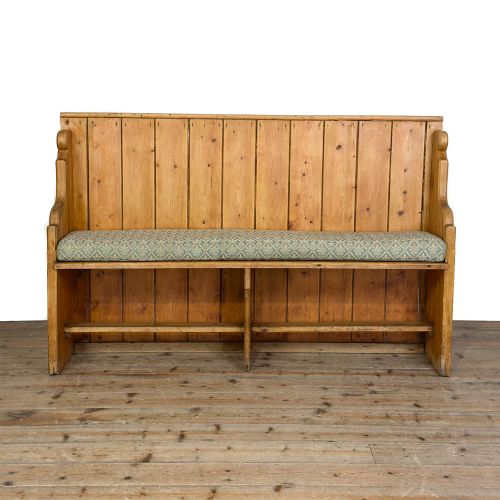
When you search for antique seat furniture, you encounter a diverse gathering of domestic seating ranging from sturdy oak settles and country Windsor armchairs to formal dining chairs in mahogany and walnut. The selection spans the seventeenth, eighteenth and nineteenth centuries alongside Edwardian and later twentieth-century interpretations, touching both grand formal drawing rooms and rustic vernacular farmhouses.
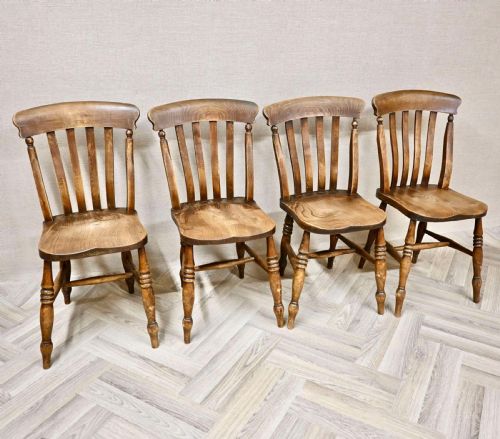
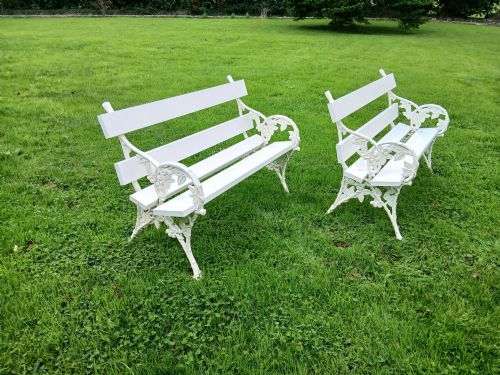
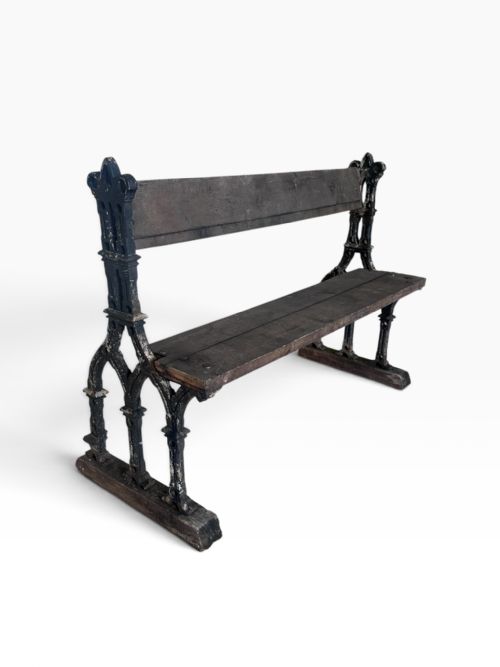
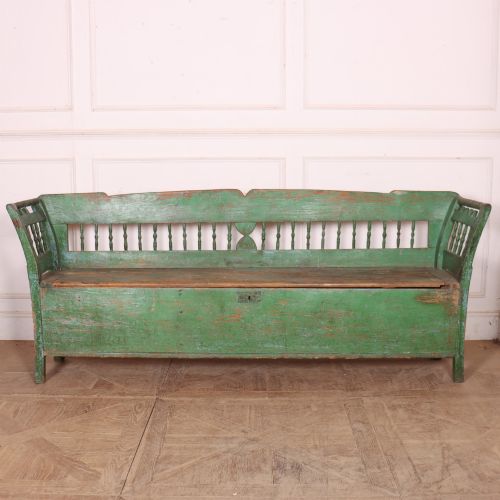
You meet simple elm and pine kitchen chairs alongside elaborate Regency brass-inlaid dining sets, Gothic revival garden benches in cast iron, and low rush-seated armchairs. Regional traditions appear clearly in Welsh box settles, Scottish trophy armchairs and Channel Islands hall chairs, alongside continental pieces such as Austrian farmhouse benches and Swedish Art Deco armchairs.
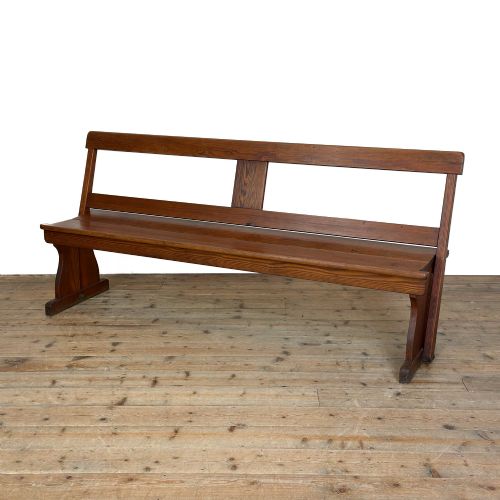
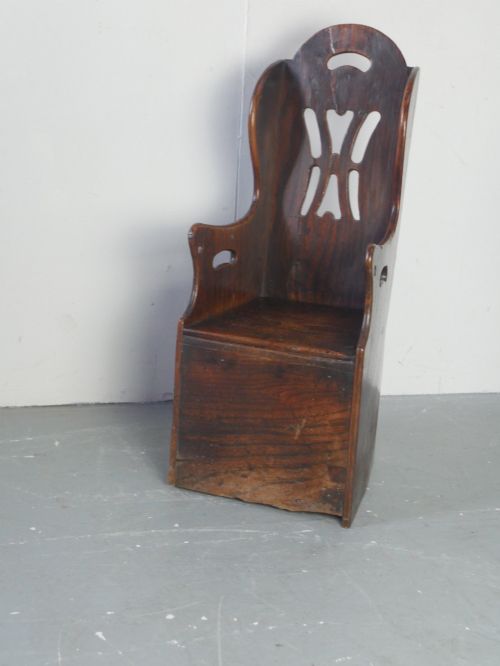
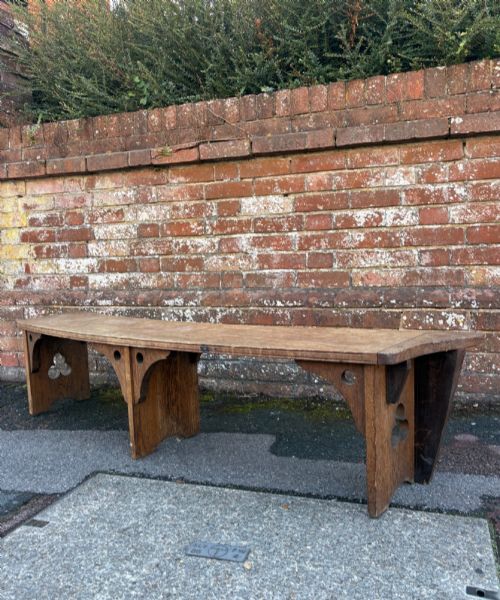
The domestic forms split between solitary items like child chairs, corner chairs and window seats, and larger suites including sets of dining chairs and garden tables with matching seats. Whether you require a single high-backed side chair or a long rustic hallway bench, the category encompasses nearly every historical method devised for sitting.
How They Were Made
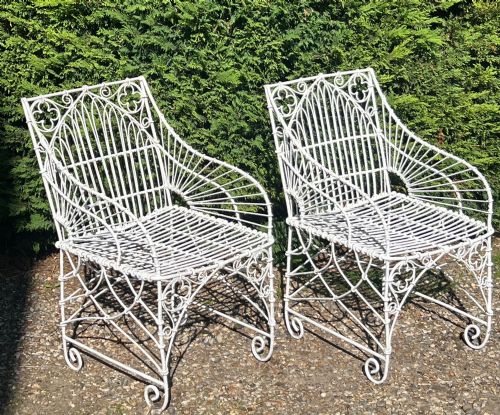
Cabinetmakers and country joiners relied heavily on native hardwoods, shaping frames from oak, mahogany, walnut, elm, beech and yew, occasionally employing exotic rosewood, teak and satin birch for finer commissions. Construction methods varied from pegged mortise and tenon joints in early vernacular settles to steam-bent spindles in Windsor chairs and cast iron moulding for outdoor garden seating.
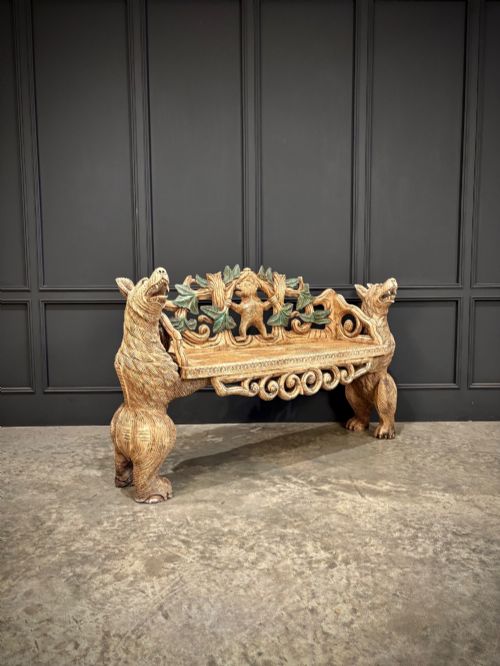
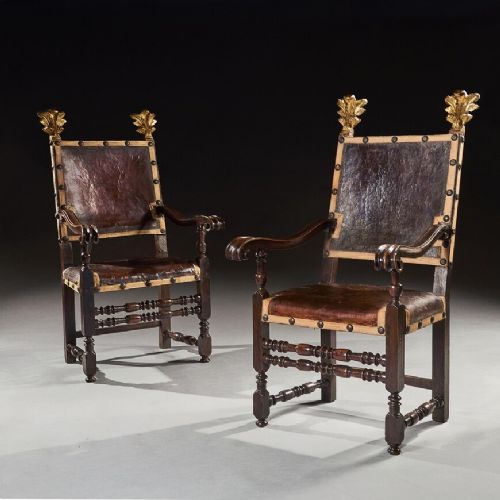
Upholstery required traditional textiles including leather, woven rush, fabric and parcel-gilt details, while decorative surfaces featured carved panels, trefoil supports, heart motifs, and painted or polished finishes. Iron fittings, brass inlay and maker labels provided structural reinforcement and signatures of origin.
Listings feature eighteenth-century oak settles, nineteenth-century Windsor armchairs, and Edwardian teak garden benches alongside mahogany dining sets.
What Varies in Quality
Quality depends upon the integrity of the timber selection and the precision of the joinery, distinguishing sturdy vernacular pieces built by local hands from sophisticated cabinetwork produced in urban workshops. Superior execution shows in crisp carving, balanced proportions, and original surface treatments such as untouched paint, patinated polish or authentic labels.
Pieces retaining their early construction without intrusive modern replacements command greater respect from collectors. The refinement of turning on chair legs, the snug fit of panelled settles, and the survival of original rush or leather seating surfaces mark the dividing line between ordinary utility items and exceptional survivals.
Falkirk Carron Foundry·Liberty Morris And Co·Heals·W A Willcocks
The Antique Seat Furniture Glossary
- Settle
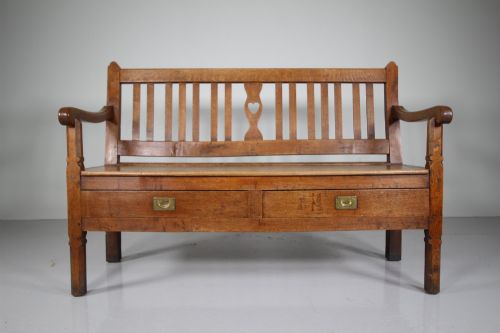
- A wooden bench with high back, solid arms, and often a storage box beneath the seat. This form kept draughts away from people sitting near open fires.
- Windsor Chair
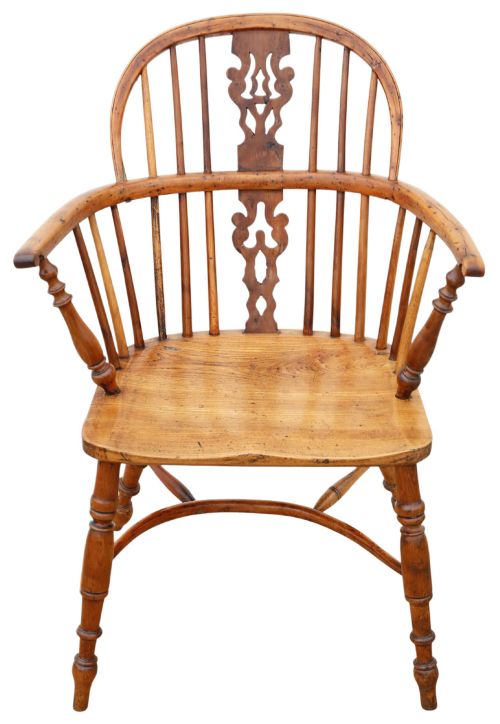
- A chair built with a solid wooden seat into which the legs and back spindles are separately bored and wedged. These pieces rely on stick-back construction using timbers like elm and yew.
- Corner Chair
- A seat designed with a diagonal orientation to fit snugly into room angles. These chairs typically feature a curved backrail supported by turned columns.
- Monk's Bench
- A convertible piece of furniture featuring a hinged top that folds down over the arms to transform the seat into a table. This dual-purpose form served smaller domestic spaces.
- Rush Seat
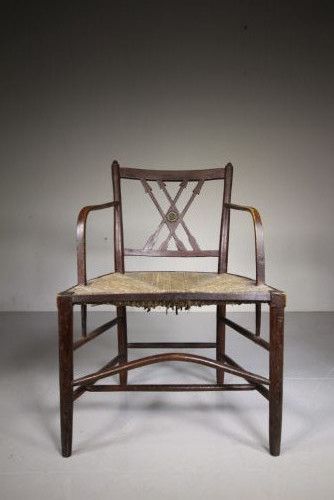
- A seating surface woven from dried marsh grasses twisted into cords. Country ladderback chairs and low armchairs frequently utilise this traditional material.
Antique Seat Furniture: Frequently Asked Questions
What is a settle chair?
A settle is a traditional wooden bench featuring a high panelled back and solid arms designed to block cold draughts in older homes. Many examples include a hinged seat lifting to reveal a storage box beneath.
These pieces served communal family spaces like kitchens and halls before specialised upholstery became common in domestic seating.
How do I date an antique chair?
Dating relies upon observing the timber species, construction joints, tool marks left by makers, and stylistic markers specific to periods like the Georgian or Victorian eras. Secondary woods used in hidden areas often provide clues to regional origins and manufacturing dates.
Examining wear patterns and surface patination further helps distinguish authentic early production from later revival pieces.
Are Windsor chairs comfortable?
Windsor chairs feature saddled wooden seats carved to contour naturally to the human body, offering surprising ergonomic support despite lacking cushions. The flexible spindle backs adapt to movement while remaining sturdy.
Pairing them with a sheepskin or loose pad easily softens the solid wood surface for extended sitting.
Where should I place a hall bench?
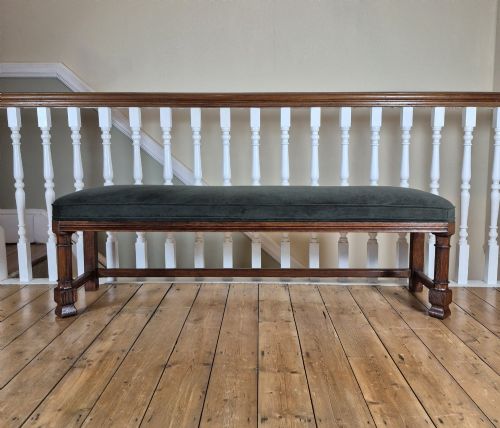
Hall benches suit narrow entryways, corridors, or landings where their slender profiles provide convenient seating without blocking passage. Pieces with built-in storage boxes also hold shoes, boots, and household linens out of sight.
Keeping them away from direct heat sources protects historical timber and polished surfaces from drying out.