
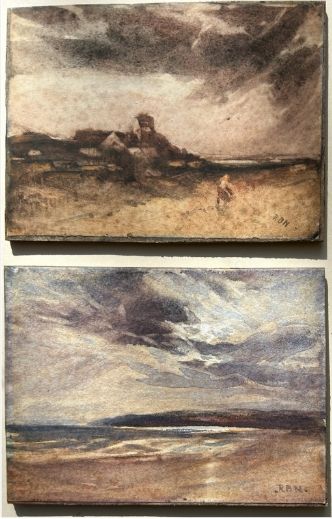
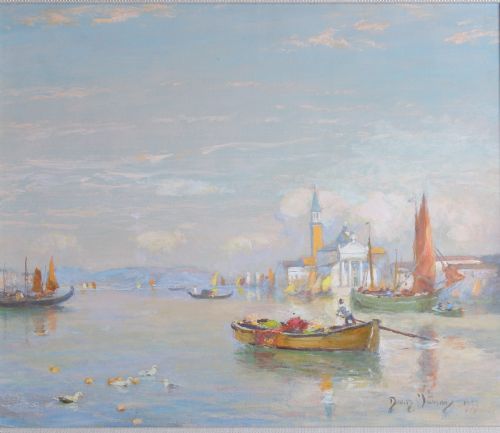
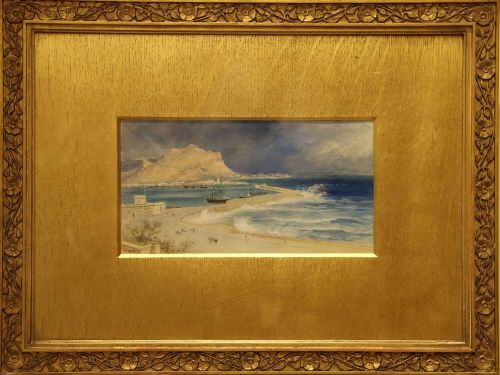
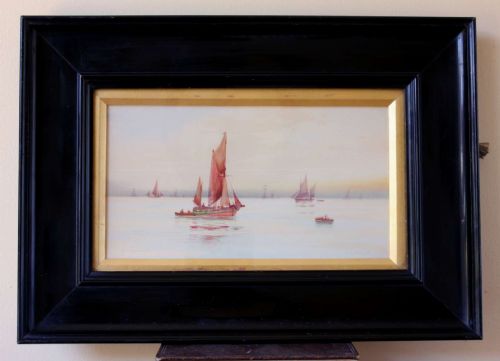
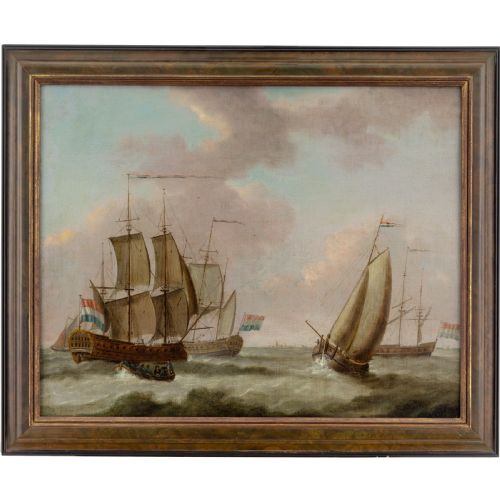
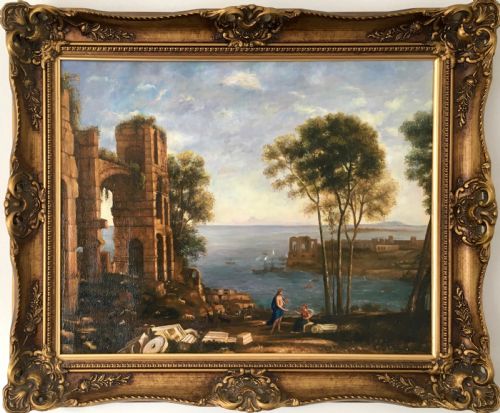
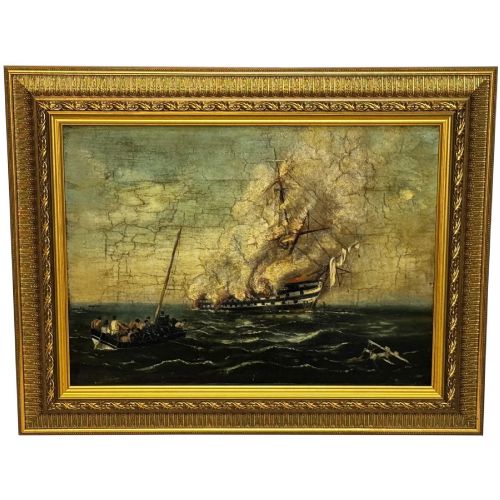
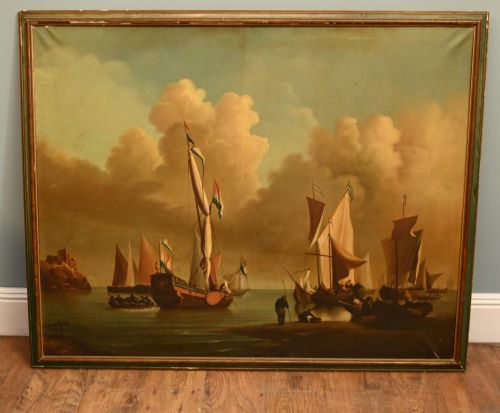
Antique Seascape
An antique seascape captures the restless motion of the open water, bringing historical maritime atmosphere directly onto a wall.
Antique Seascape
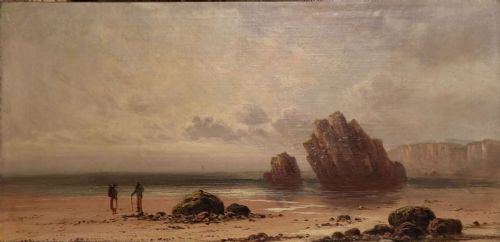
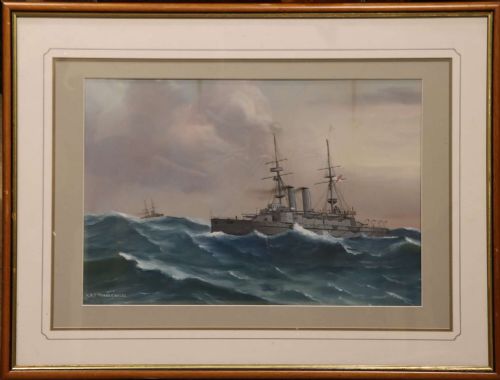
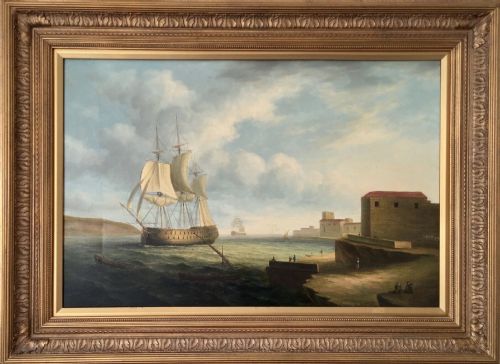
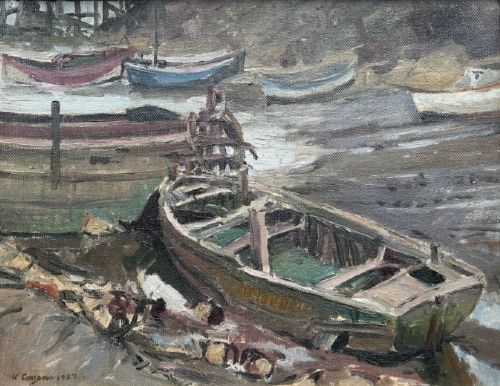
When you search for an antique seascape, you examine historical depictions of oceans, harbours, coastal cliffs and naval encounters. These works record maritime life, shipping routes and dramatic weather across the nineteenth and early twentieth centuries.
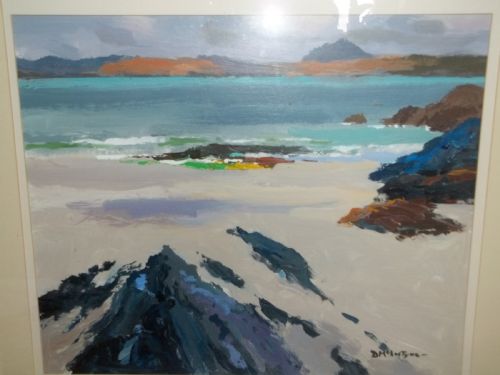
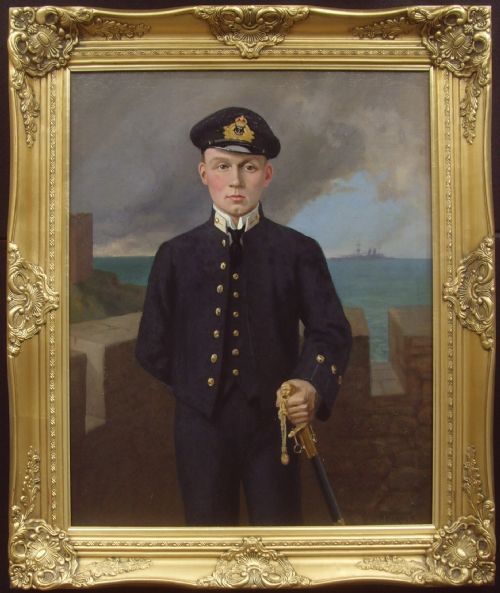
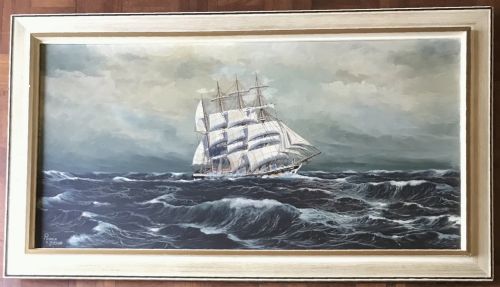
The versions you meet most frequently on this page take the form of framed paintings, predominantly executed in oil or watercolour. They range from intimate coastal watercolours to large oil works depicting sailing vessels in heavy seas.
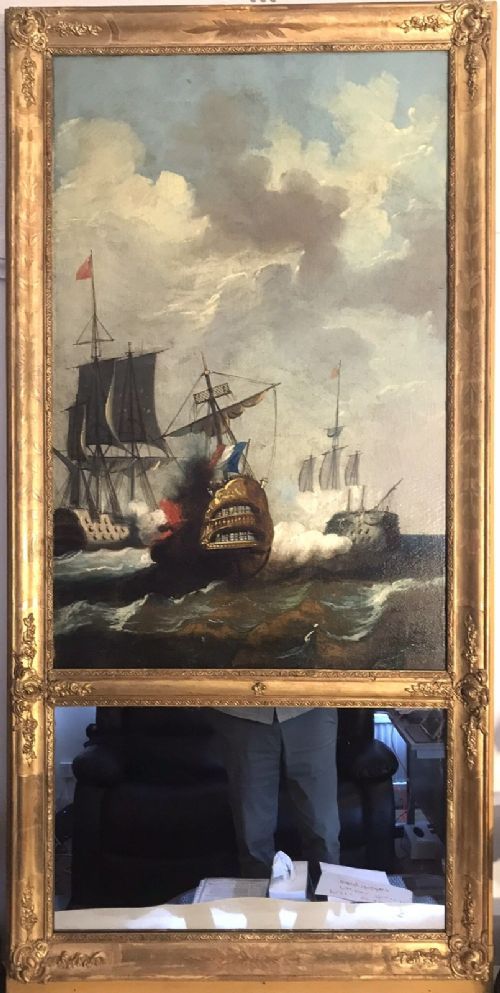
Makers and artists of these periods frequently documented specific locations, such as British fishing ports, Mediterranean harbours and Venetian canals. Their subjects stretch from tranquil coastal inlets to historical naval engagements and rescue operations.
How they were made
Artists painted these scenes using oil paint applied to canvas, wood panels or board, or worked with watercolour and gouache on paper. Canvases were typically stretched over wooden frames, while works on paper required framing behind glass for protection.
Framing materials played a significant role in presentation, with gilt wood frames frequently housing both oils and watercolours to enhance the depth of the composition. Support materials varied from traditional heavy canvas to lighter paper sheets suited to field sketching.
Listings feature works spanning the 18th century through the 1960s, executed in oil, watercolour, gouache and canvas.
What varies in quality
Quality in these works rests upon the artist's command of light, atmosphere and the fluid movement of water. Stronger pieces convey a convincing sense of depth, weather and maritime architecture through confident brushwork.
Compositional balance and atmospheric tension distinguish finer examples from standard decorative works. A skilled hand captures the weight of heavy seas and the specific rigging of vessels with precise observation.
Robert Buchan Nisbet·Sir David Murray·James Hardy·James Orrock·William Cannon·Hans Harlander·Eugène-Louis Gillot·William McAlpine·Frank Watson Wood·Thomas William Morley·Frank William Scarbrough·Francis Moltino·Hector Caffieri·Richard Henry Wright·Thomas Creswick
The Antique Seascape Glossary
- Seascape
- A painting, drawing or other work of art that depicts the sea, coastal views or marine subjects. These works focus primarily on coastal geography or open water.
- Watercolour
- A paint consisting of pigment suspended in a water-soluble binder, traditionally applied to paper. It yields transparent washes that suit luminous skies and coastal light.
- Gouache
- An opaque water-based paint similar to watercolour but containing an added inert white pigment. Artists utilised it to create solid highlights on paper works.
- Trumeau
- A decorative wall mirror featuring a painted panel positioned above the glass plate. Surviving examples often incorporate maritime oil paintings within the upper wooden frame.
- Galleon
- A large sailing ship used for trade and war from the 15th through the 17th centuries. Depictions of these vessels frequently appear in historical marine art.
Antique Seascape: Frequently Asked Questions
What periods do these paintings date from?
The works listed here primarily span the nineteenth century and the early decades of the twentieth century. This era encompasses the Victorian and Edwardian periods.
Artists during these decades produced diverse maritime scenes, ranging from detailed naval portraits to atmospheric coastal watercolours.
How should I care for a watercolour seascape?
Watercolour paintings require protection from direct sunlight to prevent the pigments and paper from fading over time. Maintaining a stable indoor humidity helps preserve the paper support.
Displaying these works behind glass shields them from atmospheric dust and surface moisture.
How can I tell oils and watercolours apart?
Oil paintings feature a textured surface built from layers of pigmented oil paint on canvas or board. They are typically displayed without glass.
Watercolours present a flat, transparent finish on paper and require protective framing under glass to prevent damage.
Where were these maritime scenes usually painted?
Many artists worked directly along British coastal areas, capturing local fishing boats, harbours and beach scenes from life. Others travelled to European locations such as Venice and Mediterranean ports.
Studio painters also produced historical naval engagements and shipping scenes using sketches and contemporary records.