



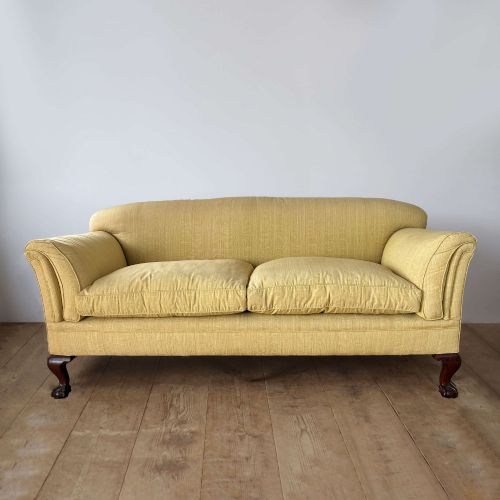
Antique Scroll Settee
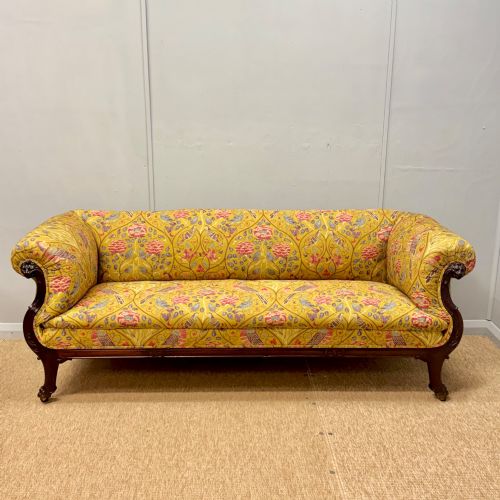
An antique scroll settee brings sweeping timber framing and generous upholstery to a room, offering both sculptural presence and deep comfort.
Antique Scroll Settee
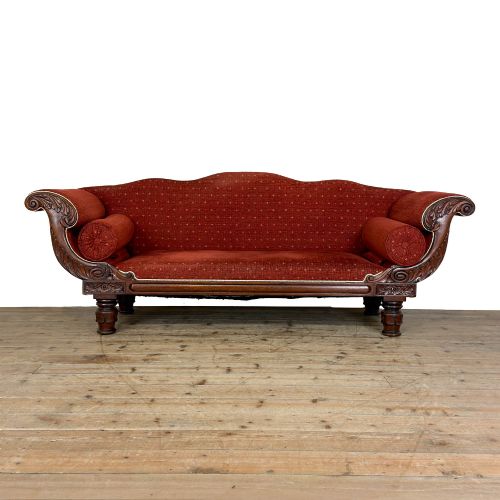
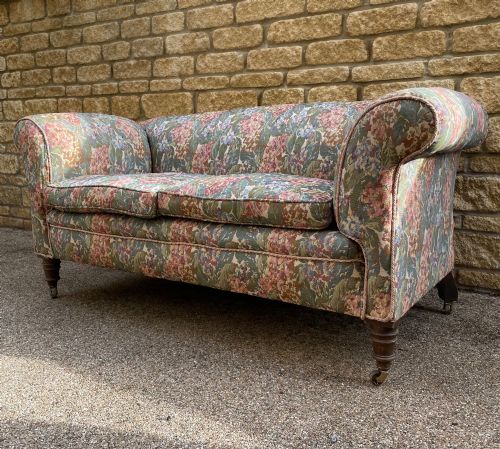
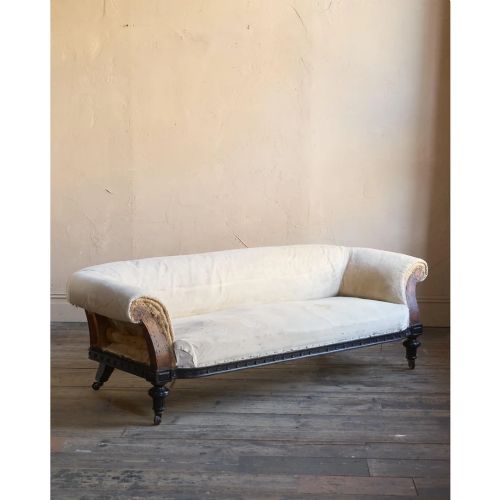
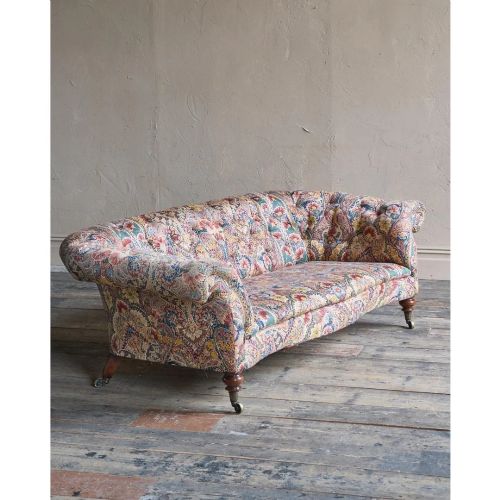
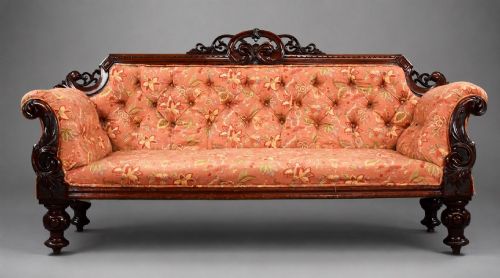
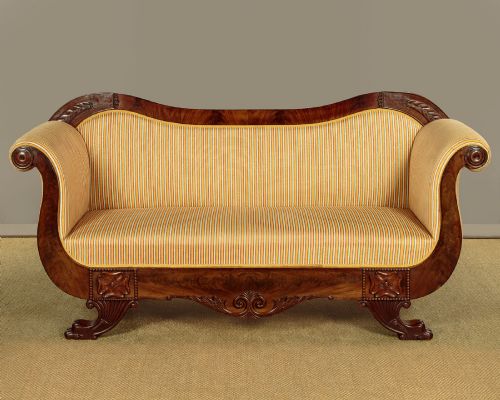
An antique scroll settee is a substantial seating form defined by outward-curving arms or ends, appearing across the Regency, William IV, and Victorian periods. You will frequently encounter mahogany and rosewood frames paired with fabric or leather upholstery.
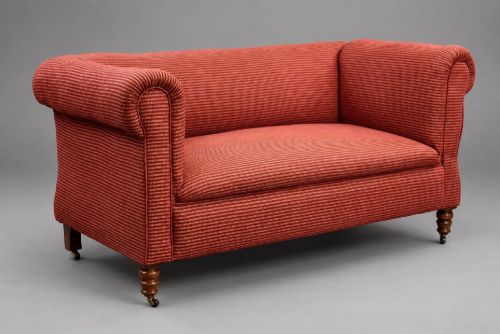
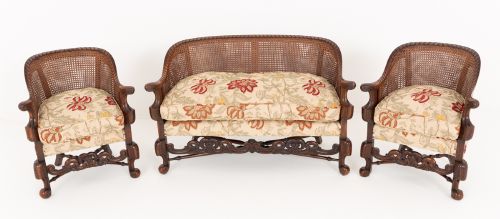
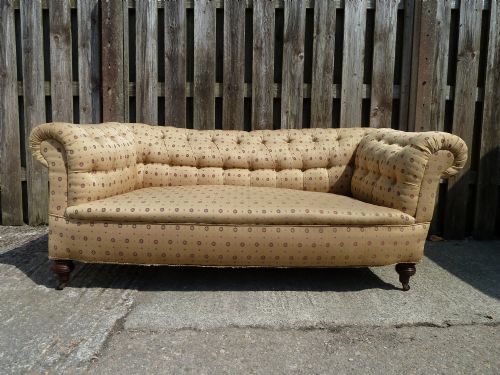
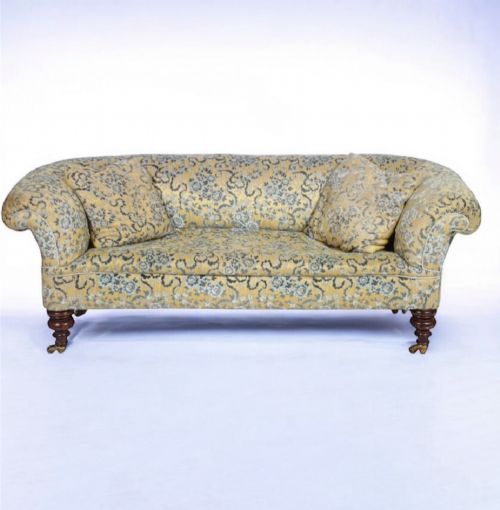
The selection ranges from early nineteenth century mahogany framed scroll-end sofas to later Victorian chesterfields and walnut framed settees. These pieces function as principal seating in reception rooms and country house interiors.
Regional and stylistic variations include carved scroll ends, lyre-shaped supports, and aesthetic movement details. Each maker interpreted the scrolling arm through the lens of their contemporary design idiom.
Materials and construction
Frames rely upon dense hardwoods such as mahogany, walnut, and rosewood, often skillfully carved along the show wood and scroll terminals. Secondary timbers provide internal support for heavy springing and traditional stuffing.
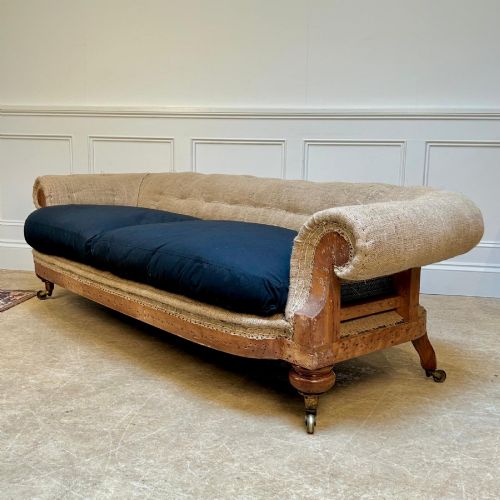
Upholstery techniques involve horsehair, webbed foundations, and hand-stitched edges finished in velvet, leather, or patterned fabric. Brass castors frequently support the legs beneath turned or fluted woodwork.
Antique Scroll Settee Retail Price Guide 2026
Typical asking prices for scroll settee among the pieces listed under this phrase on Sellingantiques today, from the lower quarter to the upper quarter. They describe what is for sale here now, not the wider market.
Judging quality and proportion
Quality rests in the crispness of the timber carving, the balance of the scroll terminals, and the integrity of the underlying frame construction. Finer examples display heavier scale, superior timber selection, and more elaborate show wood detailing.
The relationship between the scrolled arms and the overall frame proportion dictates visual success. Pieces retaining their original show wood finish and substantial framing command greater interest than heavily altered or reduced examples.
Howard and Sons·Holland and Sons·Thomas Hope
The Antique Scroll Settee Glossary
- Scroll-end
- A furniture arm or terminal shaped into a tight or sweeping cylindrical curl. This defining feature characterises many Regency and Victorian day beds and couches.
- Show wood
- The exposed polished timber frame of a piece of upholstered furniture. High quality examples feature carved mahogany, rosewood, or walnut rather than fully concealed frames.
- Chesterfield
- A deep-buttoned upholstered sofa with arms and back of the same height. These robust pieces appear frequently alongside scroll-armed forms in nineteenth-century interiors.
- Chaise longue
- An upholstered seating form combining a chair and a footstool for reclining. Some versions incorporate single scroll ends or récamier styling.
- Campaign sofa
- A portable seating form designed for travel, often utilising collapsible frames or specialised timber construction. These pieces date predominantly to the early nineteenth century.
Antique Scroll Settee: Frequently Asked Questions
How do I date a scroll settee?
Dating relies upon timber choice, leg turning, and framing style, with Regency pieces showing lighter classical lines and Victorian examples offering heavier proportions. Secondary woods and upholstery methods also assist in confirming the period.
Changes in arm curvature and show wood carving reflect the shift from early nineteenth-century neoclassical tastes towards later Victorian comfort.
Were these settees used for sleeping?
Many scroll-end couches and day beds functioned for daytime resting and lounging rather than formal sitting. Their generous length and low arms accommodated reclining.
Country house interiors frequently utilised these pieces in libraries and private drawing rooms for relaxed repose.
How should I care for the show wood?
Mahogany and rosewood frames require minimal intervention beyond dusting with a soft cloth and occasional application of appropriate wax polish. Avoid placing timber furniture near direct heat sources.
Keeping upholstery clean and checking internal webbing ensures the structural longevity of both frame and fabric.
What is the difference between a settee and a sofa?
While terms often overlap in historical records, settees historically featured lighter wooden framing and exposed show wood. Sofas typically offered more encompassing upholstery and heavier padding.
Both forms accommodated multiple sitters in nineteenth-century drawing rooms and reception spaces.