


Antique Scottish Pin
When you search for an antique scottish pin, you discover traditional silver jewellery set with hardstones, designed to fasten plaid, shawls, and heavy woollens.
Antique Scottish Pin
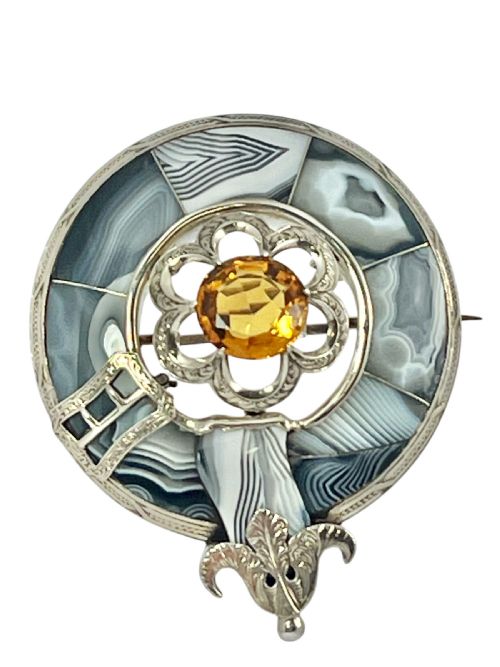
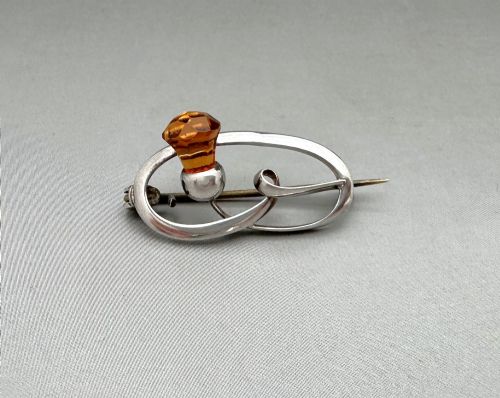
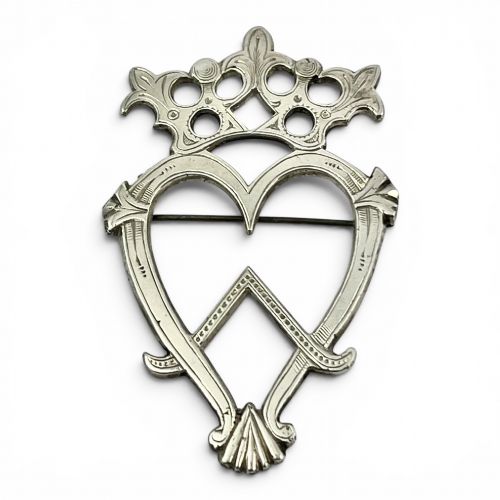
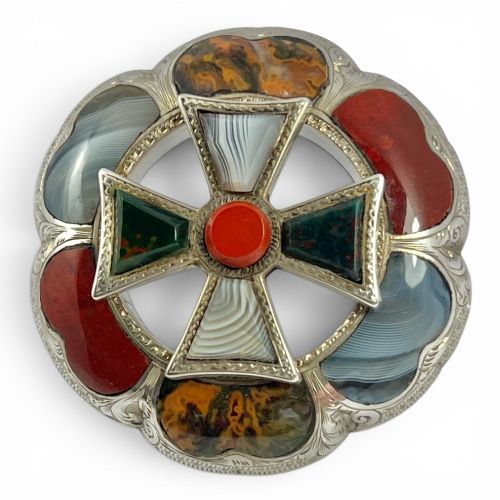
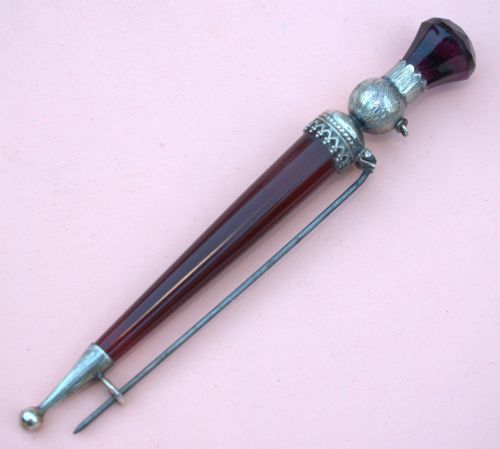
The antique scottish pin encompasses traditional silver brooches, kilt pins, and bonnet fasteners designed during the Victorian and Edwardian eras. These pieces frequently take recognisable forms such as dirks, broadswords, shields, axes, and thistles, reflecting a deep engagement with regional heritage. Buyers looking for an antique scottish pin will most commonly find Victorian silver pieces mounted with coloured hardstones.
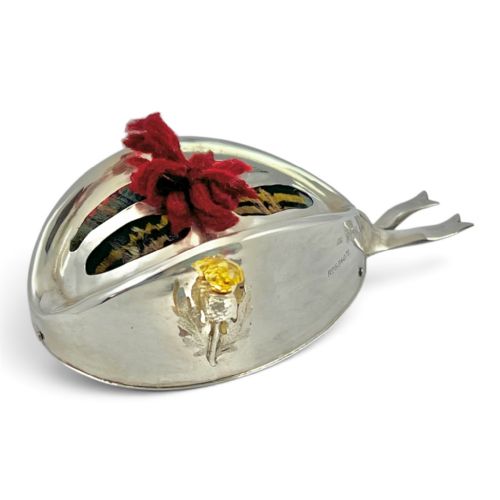
Beyond standard kilt pins and plaid brooches, the material record reveals smaller domestic items associated with pins, including hatpin stands, pin cushions, and dedicated holders. Provincial makers from Inverness, Aberdeen, and Glasgow contributed significantly to this output, alongside Birmingham silversmiths producing Celtic revival designs. Whether shaped as a bow or a braided plaid fastener, each object serves a practical fastening function rooted in nineteenth-century dress.
Materials and construction
Silversmiths constructed these pins using sterling silver or unmarked provincial silver, shaping the metal into intricate Celtic revival motifs, swords, and floral thistles. The structural framework often relies on heavy casting and detailed hand-engraving to provide a secure foundation for stone-setting.
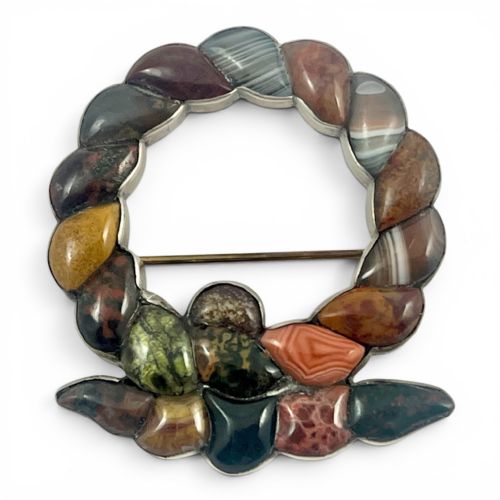
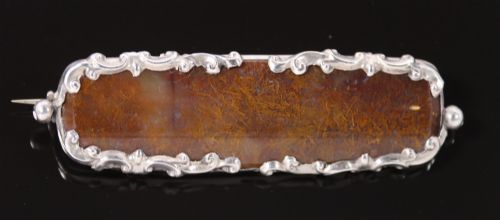
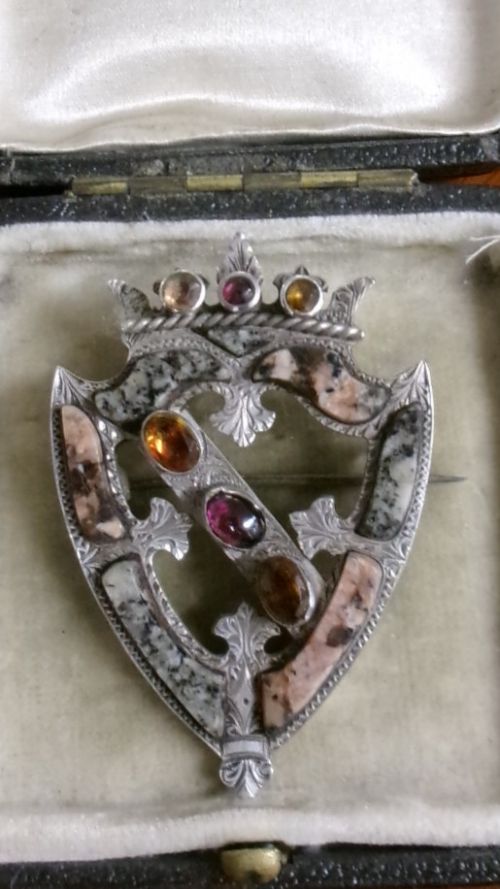
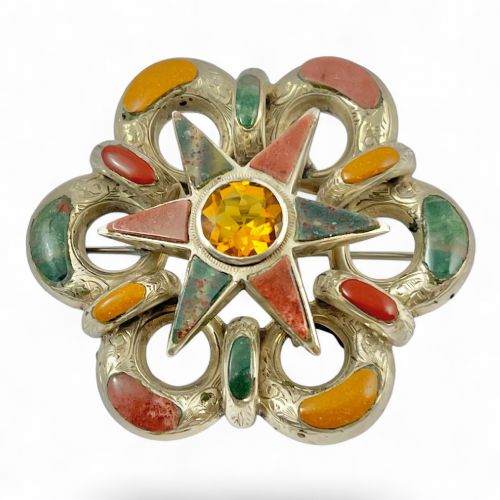
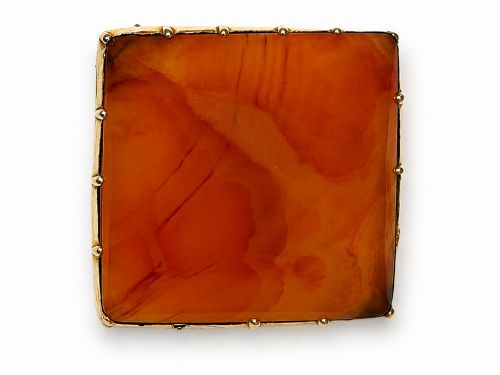
Hardstones form the decorative heart of these pieces, with Scottish agates, bloodstone, jasper, chalcedony, and cairngorm citrines cut and polished to fit tightly within silver bezels. Montrose agates and banded pebbles display natural variations in tone, while amber glass or amethysts appear in later twentieth-century interpretations.
Some pins take the literal form of broadswords and dirks, ready to defend your knitwear against uninvited drafts with miniature highland steel.
Distinguishing quality
Quality rests upon the precision of the silver work and the selection of the hardstones. Superior examples display crisp hand-engraved detailing on swords or thistles, with stones carefully matched for colour, grain, and seamless bezel integration.
The weight of the silver and the structural integrity of the pin mechanism also separate standard production from finer provincial craftsmanship. Maker attributions, particularly from known regional silversmiths or workshops, add a layer of distinction to the final assembly.
Charles Horner·Crisford And Norris·George Cooper·J Moyes
The Antique Scottish Pin Glossary
- Agate
- A variety of chalcedony displaying distinct natural banding or coloration. These stones were gathered locally and polished for use in nineteenth-century Scottish jewellery.
- Dirk brooch
- A large fastening pin modelled after the traditional Scottish short dagger. These substantial pieces were typically utilised to secure heavy plaid shawls and kilt pleats.
- Cairngorm
- A yellow, brown, or smoky variety of quartz native to the Cairngorm Mountains. It appears frequently in Victorian silver brooches as a central citrine-like gemstone.
- Plaid brooch
- A wide circular silver fastener used to pin heavy woollen garments across the shoulder. They often incorporate elaborate engraved interlacing and multi-stone settings.
- Jabot pin
- A decorative pin featuring an ornamental terminal at both ends, historically worn to secure the lace ruffle of a jabot. Later Edwardian examples often incorporate delicate silver thistle motifs.
Antique Scottish Pin: Frequently Asked Questions
What is a kilt pin used for?
A kilt pin fastens the apron of a kilt, adding weight to keep the fabric hanging correctly in windy weather.
Historically, these pins also served to secure heavy tartan plaids across the shoulder, combining practical utility with decorative display.
How can I date an antique Scottish brooch?
Dating relies heavily on stylistic markers, hallmarks, and the specific combinations of hardstones used in the mounting. Victorian pieces often feature banded Montrose agates and intricate Celtic revival engraving.
Later Edwardian and early twentieth-century examples frequently bear maker marks from firms like Charles Horner, pointing towards Birmingham assay offices.
What are Scottish hardstones?
Scottish hardstones are naturally occurring minerals such as jasper, bloodstone, and chalcedony gathered from riverbeds and hillsides. Lapidaries cut and polished these stones locally to showcase their natural banding and earthy hues.
These materials formed the colourful mosaic patterns characteristic of nineteenth-century regional jewellery.
How do I wear an antique brooch?
These large silver brooches suit heavy fabrics such as woollen scarves, shawls, thick cardigans, and tailored coats. The substantial pin requires a sturdy weave to support its weight without pulling the fabric.
Ensure the safety catch or C-clasp is fully secured when fastening the piece to thick garments.