





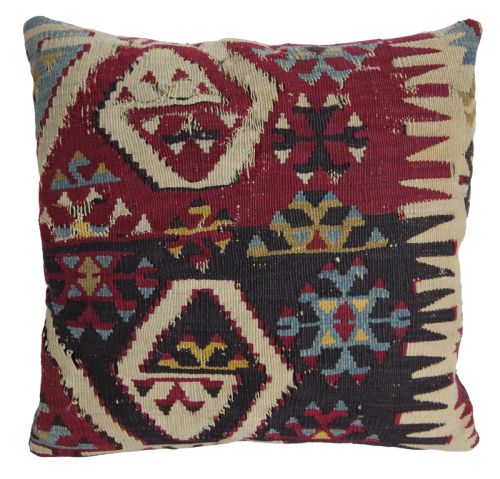


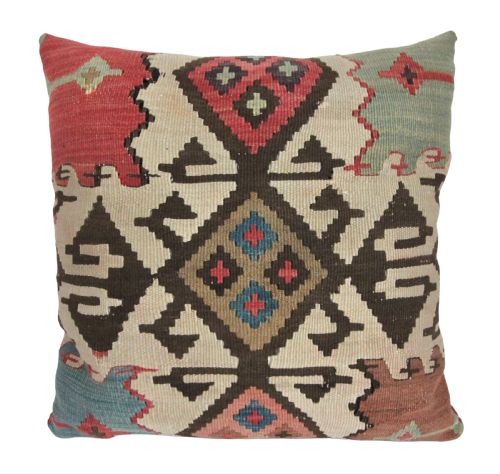
Antique Scatter Cushion
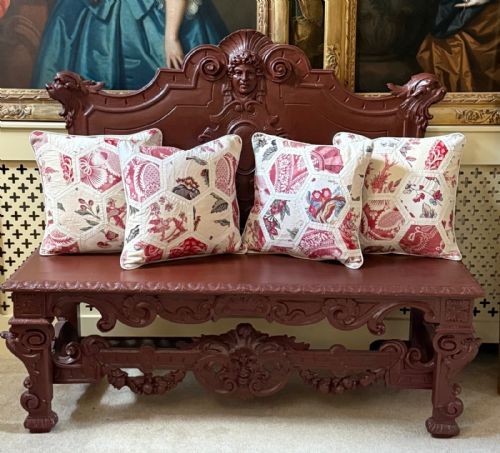
An antique scatter cushion brings tactile history to a room, offering woven textiles, tapestries and antique rugs transformed into soft furnishings.
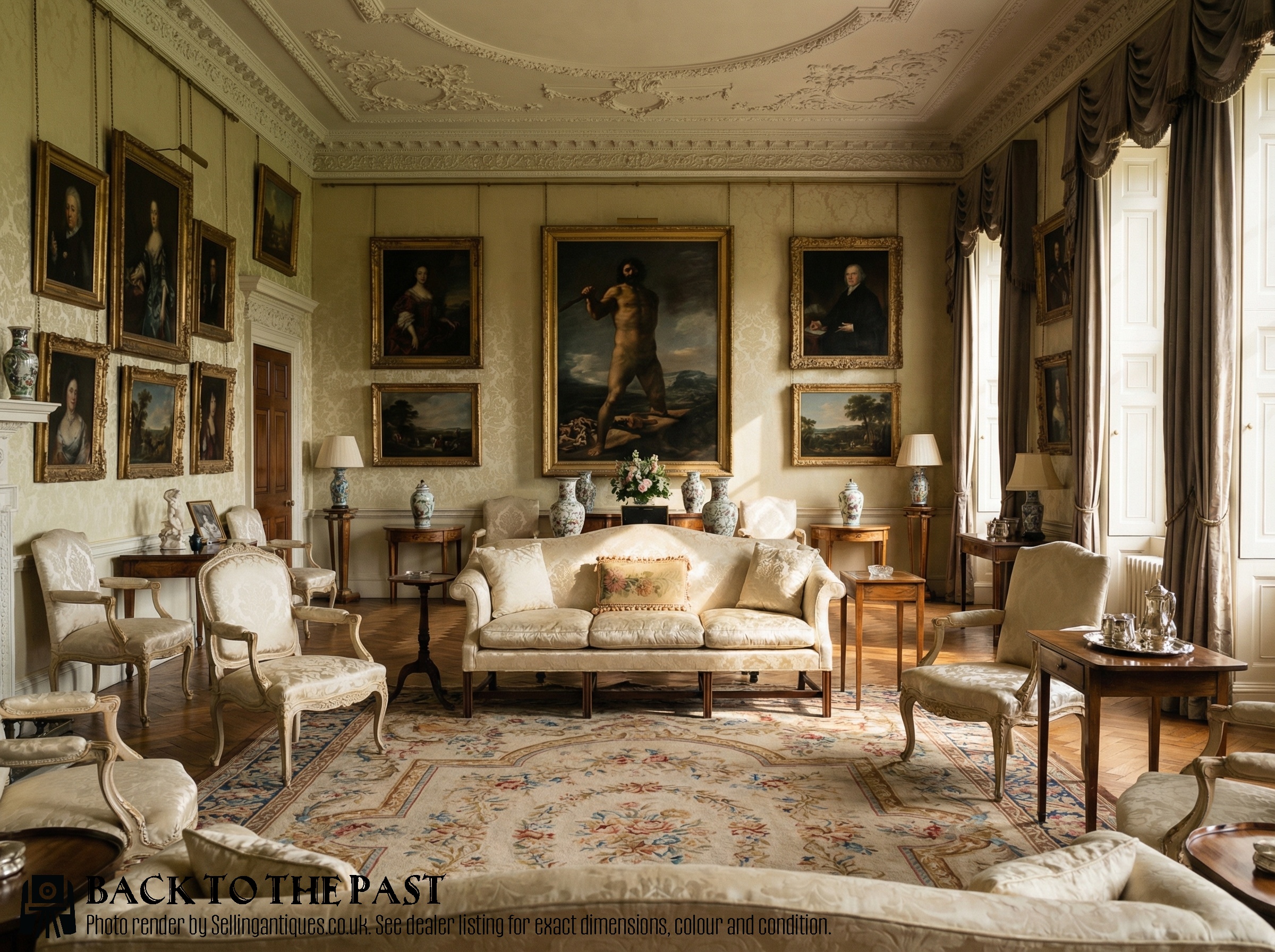
Antique Scatter Cushion
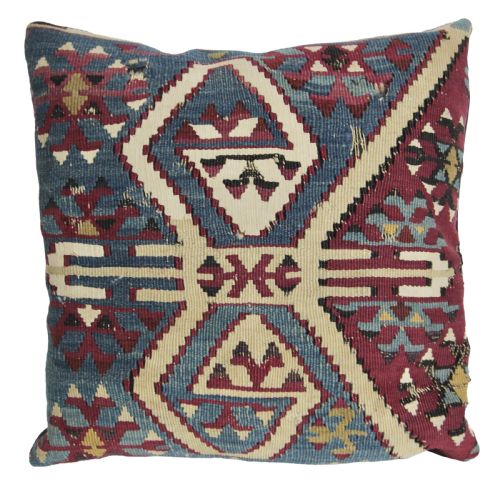
An antique scatter cushion encompasses soft furnishings fashioned from historical textiles, ranging from woven tribal rugs to French tapestries. When searching for an antique scatter cushion, buyers encounter diverse forms including Kilim cushions, Aubusson examples and pieces utilising antique bag faces.
Makers frequently repurpose fragments of historical textiles into usable cushions, pairing antique needlework and woven surfaces with new feather inners or fabric fringes. This practice preserves fragile remnants of French chateau styles and Anatolian traditional motifs for modern domestic use.
Materials and construction
Construction relies heavily on durable natural textiles, combining wool, cotton, silk and linen in various weaves. Artisans mount flat-woven kilims, Baluch rug fragments and Aubusson tapestry panels onto supportive fabric backs.
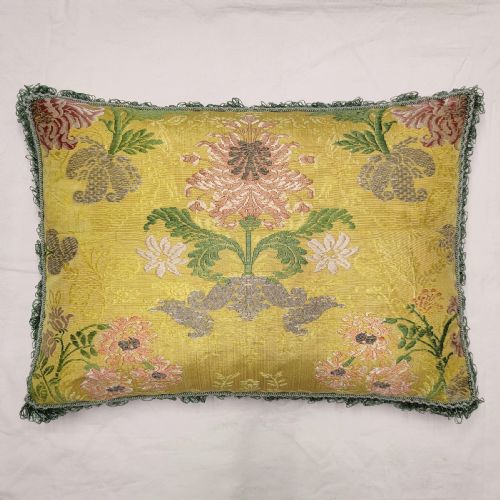
Decorative detailing often involves traditional passementerie and fabric fringe applied to the edges of the cushion covers. Interior filling typically consists of feather inners, providing the necessary loft and shape for these historical textile pieces.
Factors determining quality
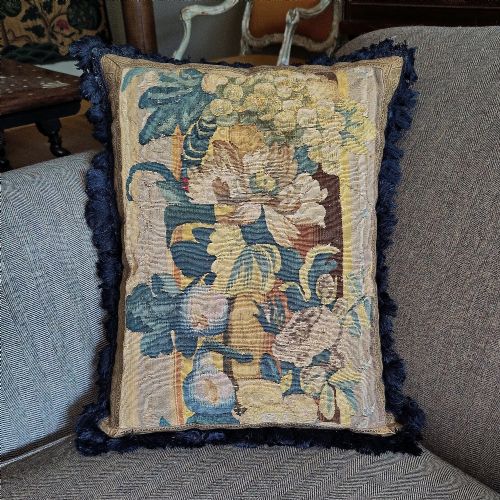
Quality rests upon the preservation and age of the source textile, from seventeenth-century Flemish borders to nineteenth-century tribal bag faces. Intricacy of the hand-weaving and the historical significance of the fabric panel elevate certain examples above others.
The skill involved in repurposing the textile fragment while maintaining structural integrity dictates the overall standard. Superior pieces balance authentic antique front panels with complementary backing materials and quality feather inners.
The Antique Scatter Cushion Glossary
- Kilim
- A flat-woven rug or tapestry originating from Anatolia and surrounding regions. These durable textiles frequently form the front panels of decorative scatter cushions.
- Aubusson
- A style of tapestry originating from the French town of Aubusson, characterised by pastoral or floral designs. These woven panels appear on mid-nineteenth-century cushion covers.
- Bag face
- The front panel of a nomadic tribal storage bag, typically hand-woven in wool. Collectors prize these pictorial panels for their authentic tribal motifs.
- Passementerie
- Elaborate trimmings, edgings or tassels woven from silk, wool or thread. This technique finishes the borders of many period soft furnishings.
- Flemish tapestry
- A heavy woven wall hanging produced in the Flanders region during the seventeenth century. Surviving fragments are occasionally repurposed into luxury cushion covers.
Antique Scatter Cushion: Frequently Asked Questions
How are antique scatter cushions cleaned?
Maintenance requires specialist dry cleaning rather than immersion in water, as antique wool, silk and linen fibres degrade easily.
Gentle surface brushing and airing help maintain the textile without damaging fragile nineteenth-century weaves or passementerie trims.
Are these cushions made from entire rugs?
Makers frequently utilise fragments rather than whole carpets, cutting down tribal bag faces, kilims and Aubusson panels to fit cushion dimensions.
This method rescues damaged or remnant sections of historical textiles that would otherwise be unusable.
What is an antique bag face cushion?
A bag face cushion incorporates the decorative front of a nomadic storage pouch, usually hand-woven in wool during the nineteenth or early twentieth century.
These panels display distinctive tribal geometric patterns characteristic of specific weaving traditions.
How do I identify a French Aubusson cushion?
Aubusson cushions display characteristic floral or pastoral designs woven in muted wool and silk palettes reminiscent of French chateau interiors.
They date primarily to the mid-nineteenth century and feature refined tapestry techniques distinct from tribal flat-weaves.