



Antique Satirical Art Print
These antique satirical art prints target political folly, social pretension and human absurdity across centuries of sharp graphic commentary.
Antique Satirical Art Print
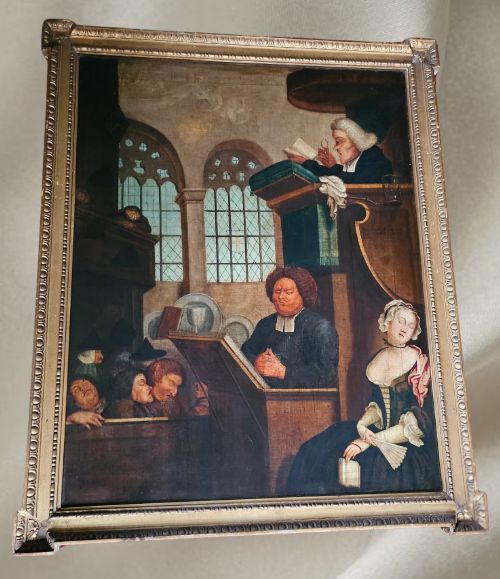
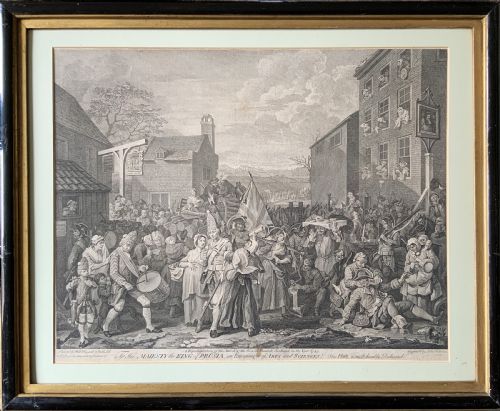
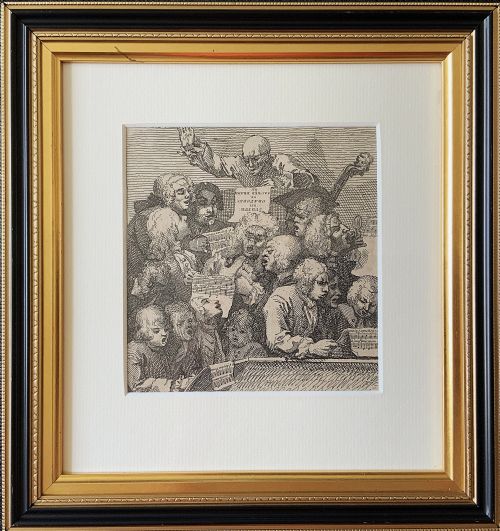
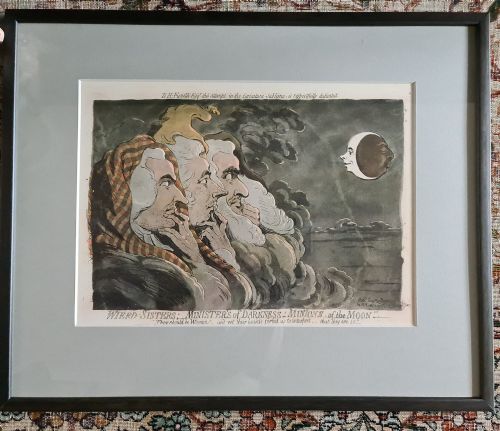
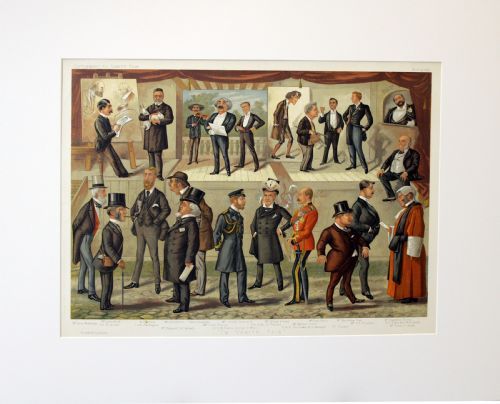
When you search for an antique satirical art print, you encounter biting visual commentary spanning the eighteenth, nineteenth and early twentieth centuries. The selection on this page relies heavily on Georgian copperplate engravings, Victorian chromolithographs, and early twentieth-century illustrations.
You will frequently find works after William Hogarth alongside caricature portfolios, Vanity Fair prints, and political subjects originating from British and American presses. These range from framed wall art and scrapbook pages to loose engravings preserved in maple frames.
The form encompasses single sheet prints, double page spreads, and complete series documenting social life, politics, sport, and historical events through humour and critique.
Materials and production methods
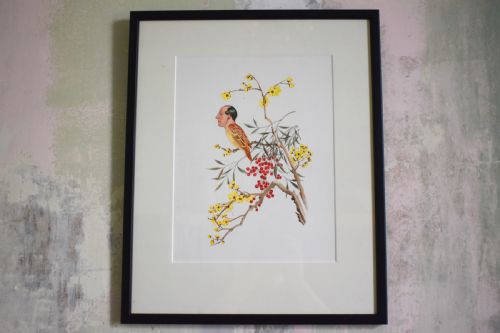
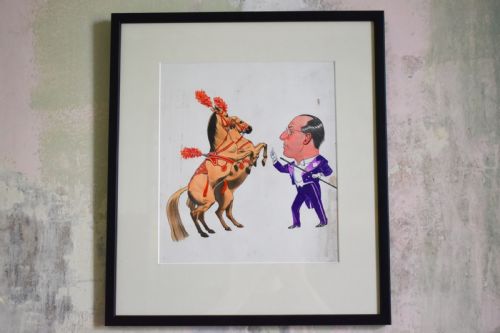
The pieces on this page are produced using paper, ink, and watercolour, utilising copperplate engraving, etching, stipple engraving, and chromolithography. Artists applied hand colouring directly to printed lines to enrich the visual narrative.
Framed works often employ wood and maple alongside glass to protect fragile paper sheets from environmental damage.
Ministers of darkness and bouncing in sacks share equal billing across centuries of finely printed political mischief.
Distinctions in quality
Quality rests upon the crispness of the impression transferred from the original copper plate and the precision of any subsequent hand colouring. Early strikes capture finer details in line work than later impressions taken after plates experienced wear.
The preservation of the paper support, the absence of excessive toning or foxing, and the integration of period framing elements further separate standard decorative examples from superior collector pieces.
William Hogarth·Luke Sullivan·Gilray·E.L. Riepenhausen·Thomas Rowlandson·WILLIAM BUNBURY·Henry William Bunbury·Thomas Worth
The Antique Satirical Art Print Glossary
- Engraving
- A printmaking technique where an artist cuts lines directly into a copper plate with a sharp tool called a burin. This method produces crisp, precise lines capable of holding fine detail.
- Chromolithography
- A planographic colour printing process using multiple limestone blocks, each applying a different tinted ink. It enabled mass production of vibrant, multi-coloured satirical prints during the Victorian era.
- Etching
- A process where acid bites lines into a metal plate prepared with an acid-resistant ground. This technique allows for freer, more expressive lines than direct engraving.
- Caricature
- A drawing or print exaggerating peculiarities or defects of persons or manners for comic or satirical effect. It forms the core subject matter of these historical satirical works.
- Copperplate
- A flat sheet of polished copper used by printmakers to engrave or etch detailed imagery. These plates wore down over time, making early impressions more desirable.
Antique Satirical Art Print: Frequently Asked Questions
What periods do these satirical prints cover?
The listings span from the eighteenth century through the Victorian period and into the early twentieth century. Georgian and nineteenth-century examples dominate the selections available here.
Periods are identified through stylistic conventions, printmaking technologies like copperplate engraving versus chromolithography, and specific historical dates recorded in titles or signatures.
How were these satirical prints originally published?
Many prints appeared as single sheets sold in print shops, while others formed parts of bound portfolios, illustrated newspapers, or satirical magazines. Vanity Fair and similar periodicals issued chromolithograph supplements directly to subscribers.
Scrapbook pages also preserve collections assembled by contemporary owners who clipped and stored caricatures and armorials together.
How should I display an antique paper print?
Protect antique paper prints by using conservation-grade framing materials, including acid-free mounts and backing boards. Glass protects the delicate surface from dust and physical damage during handling.
Keep framed works away from direct sunlight and high humidity to prevent the paper from yellowing and the watercolour or ink pigments from fading.
What is the difference between an engraving and a chromolithograph?
An engraving is printed from inked lines incised into a metal plate, resulting in a distinct impression in the paper and fine linear detail. Chromolithography builds full-colour images using multiple lithographic stones.
Engravings often feature subtle hand colouring applied with watercolour washes, whereas chromolithographs display a flat, dense matrix of printed colour dots or areas.