




Antique Satinwood Seat
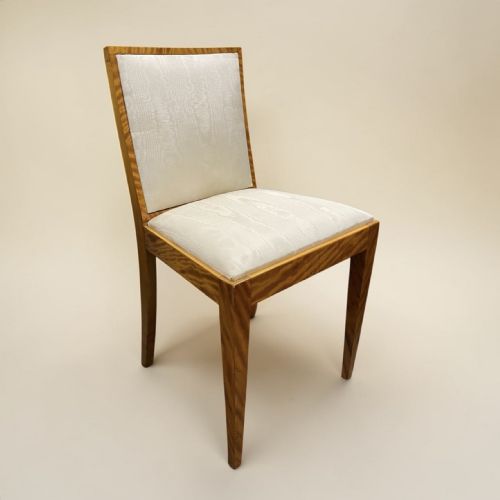
When you handle an antique satinwood seat, you immediately notice the pale, shimmering grain that defines the timber.
Antique Satinwood Seat
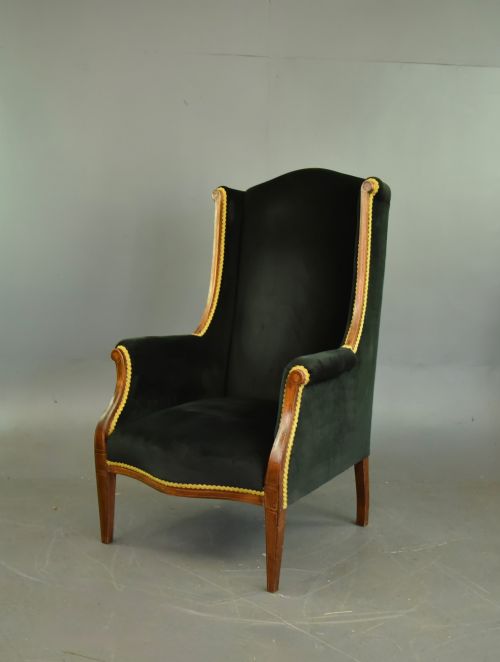
An antique satinwood seat encompasses various domestic forms designed for repose, ranging from parlour armchairs and salon settees to dressing table stools and piano seats. The pieces on this page lean heavily towards the Edwardian era and the nineteenth century, reflecting periods when cabinetmakers utilised the golden timber for refined household furniture.
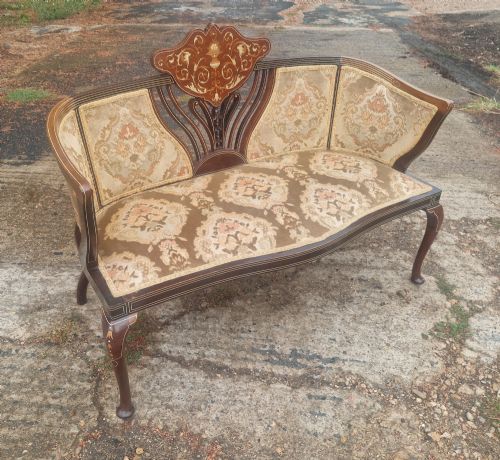
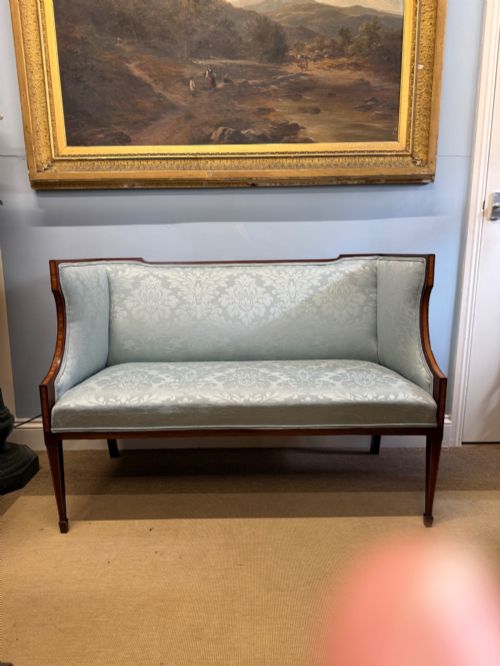
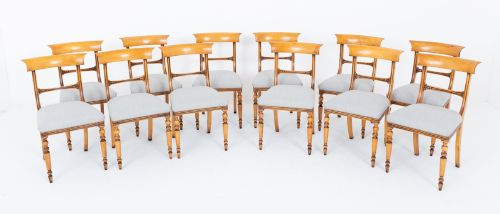
Buyers seeking an antique satinwood seat will frequently encounter Edwardian inlaid armchairs and two-seater settees featuring mahogany framing with contrasting satinwood bandings. Alongside these salon and bedroom pieces, the selection includes dining chairs, duet seats, and occasional chairs that display the characteristic blonde finish.
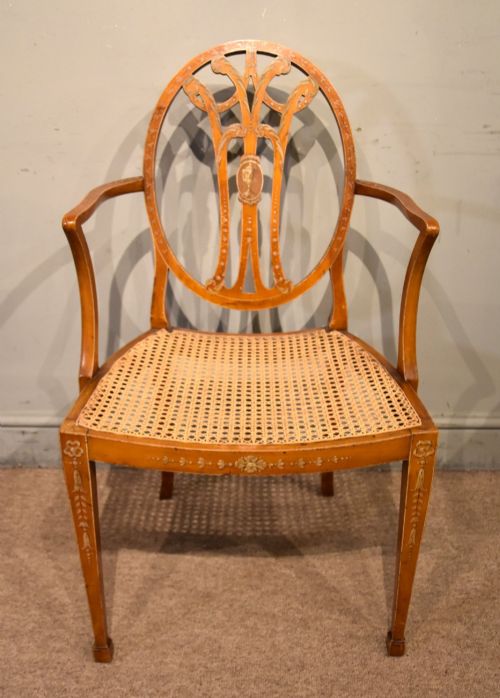
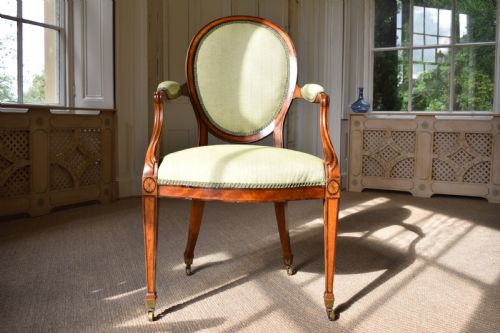
The assortment spans formal George III open armchairs down to compact bedroom chairs and cane-seated variants. Whether configured as a swivel desk chair or a long end-of-bed sofa, each object centres on the distinctive pale tropical hardwood or its painted and inlaid interpretations.
Materials and construction methods
Makers built these seats using solid satinwood or by applying finely figured satinwood veneers over sturdier secondary timbers like mahogany and birch. Cabinetmakers integrated contrasting stringing, marquetry, and bone inlay to enhance the pale timber surfaces, often combining brass fittings and painted decoration.
Upholstery methods varied by form and period, employing materials such as silk, velvet, leather, fabric, and cane for the seating surfaces. Frames relied on traditional joinery techniques, accommodating turned legs, carved rails, and structural elements designed for everyday utility in drawing rooms and bedrooms.
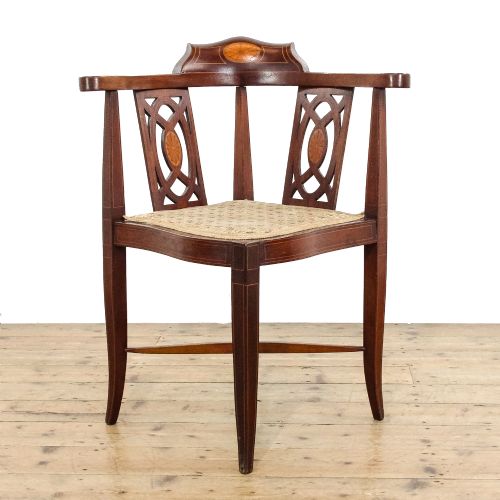
Recorded forms include dining chairs, piano stools, tub chairs, swivel desk chairs, corner armchairs, and end-of-bed sofas.
Differentiating quality across pieces
The standard of an antique satinwood seat rests upon the crispness of its inlay and the natural figure of the wood grain. Superior examples exhibit tightly fitted joints, balanced proportions, and intricate marquetry or hand-painted details that remain sharp and undisturbed by crude restorations.
Construction integrity and the survival of original decorative elements distinguish finer pieces from standard production work. Chairs retaining period cane-work, original silk or leather upholstery, and unblemished polished timber demonstrate a higher grade of craftsmanship from the workshop.
Bath Cabinet Makers·Shoolbred
The Antique Satinwood Seat Glossary
- Satinwood
- A dense tropical hardwood prized for its golden, light-reflecting grain and smooth texture. It serves as the primary face timber or veneer on high-status furniture.
- Marquetry
- The art of forming decorative patterns by fitting together small pieces of wood veneer. Artisans use contrasting timbers to create elaborate floral or geometric motifs.
- Caning
- A seating technique utilising woven rattan strips to form a light, resilient panel. It appears frequently on bedroom chairs and lighter salon seats.
- Stringing
- Thin lines of contrasting wood inlaid into channels cut into the furniture surface. This technique frames panels and highlights structural outlines.
- Settee
- A long upholstered seat with a back and arms, designed to accommodate multiple people. These forms occupy drawing rooms and salons across the Edwardian and Georgian periods.
Antique Satinwood Seat: Frequently Asked Questions
How do I care for antique satinwood?
Keep the timber away from direct sunlight and excessive heat to prevent the polished surface from drying out or fading. Dust gently with a dry, soft cloth and avoid chemical polishes that can damage the delicate veneer.
Apply a microcrystalline wax occasionally if the wood appears dry, rubbing it thinly along the grain. Maintaining stable room humidity protects both the wooden frame and any inlaid elements from shifting.
Were these seats used in dining rooms?
Certain forms like elbow seats, side chairs, and dining chairs were designed specifically for dining spaces and formal entertaining. Others served in bedrooms, dressing rooms, and parlours rather than around a dining table.
Reviewing the leg height and structural build helps determine the original intended room. Lighter salon and bedroom chairs lack the heavy framing required for rigorous daily dining use.
What is Sheraton Revival style?
Sheraton Revival refers to late nineteenth and early twentieth century furniture inspired by the late eighteenth century designs of Thomas Sheraton. These pieces often feature satinwood, delicate painted details, and classical proportions.
Cabinetmakers of the Edwardian period popularised this aesthetic to bring Georgian elegance into contemporary homes. The style relies heavily on contrasting veneers, tapered legs, and subtle inlay.
Can I reupholster a vintage armchair?
Reupholstering is a common practice that breathes new life into salon chairs and settees requiring fabric updates. Many pieces are sold specifically for re-upholstery to match modern interior palettes.
Ensure the upholsterer preserves the underlying webbing, springs, and frame integrity without altering the wooden structure. Traditional materials and methods should guide the restoration process to maintain period character.
How do I distinguish Edwardian from Georgian satinwood?
Georgian satinwood furniture from the eighteenth century typically exhibits hand-cut construction details and aged patination unique to that period. Edwardian pieces, largely produced around nineteen hundred, often combine mahogany frames with satinwood veneers and machine-cut stringing.
Examining the secondary woods underneath and the style of inlay helps clarify the date of manufacture. Georgian items tend to have simpler, robust framing compared to the lighter revival work of the Edwardian era.