
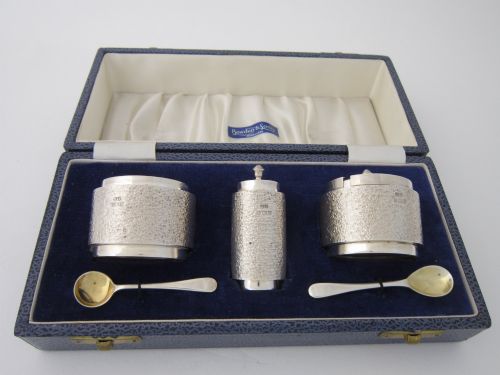


Antique Salt Shaker Set
An antique salt shaker set brings functional elegance and character to the dining table through diverse period craftsmanship.
Antique Salt Shaker Set
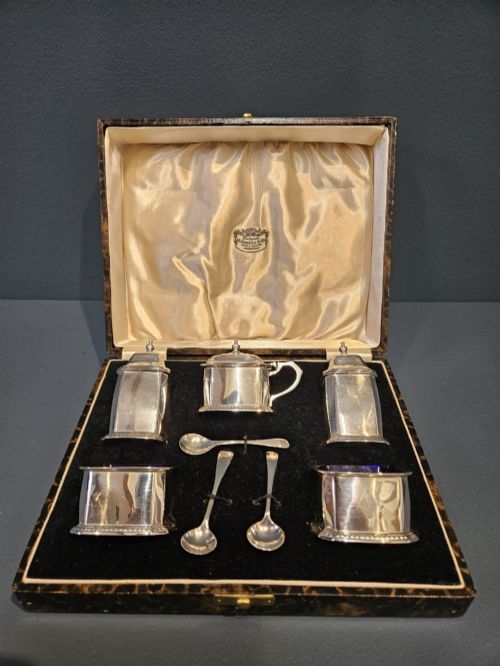
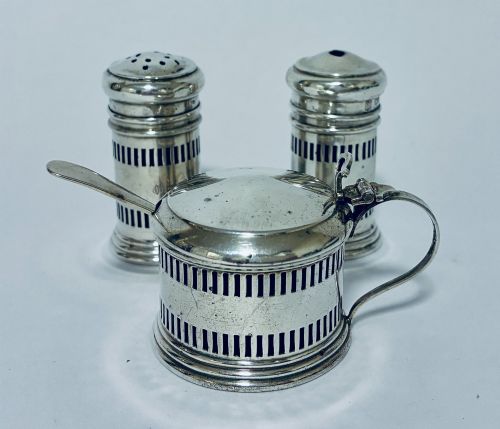
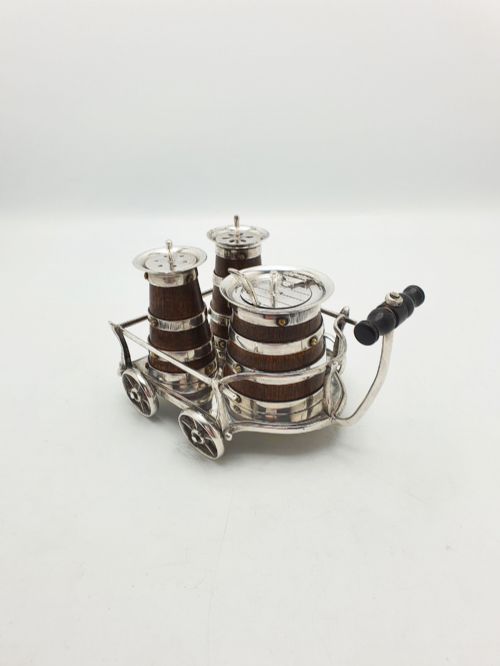
An antique salt shaker set encompasses varied tabletop condiments, from matched pairings and cased cruet collections to multi-bottle stands designed for everyday dining or formal service. These configurations include individual open salt cellars with ladles, pepperettes, and shaker pairings spanning the Georgian, Victorian, Edwardian, and Art Deco periods.
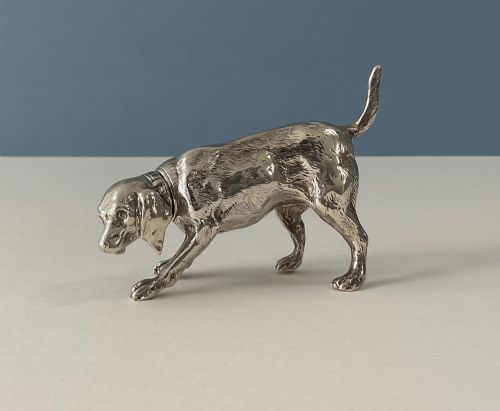
The selection ranges from traditional five-piece silver cruet assemblies and sterling condiment boxes to novel animal forms shaped like owls, chicks, and dogs. Buyers frequently encounter Edwardian silver frames, Victorian plated stands, and twentieth-century crystal containers.
Origins stretch across English workshops, Chinese export pieces, and Norwegian enamelled designs, offering considerable variety in tabletop presentation. Collectors encounter cased sets alongside individual table salts and heavy lead crystal vessels.
Materials and construction methods
Sterling silver, silver plate, and cut glass form the primary material foundation of these pieces, often complemented by velvet or satin linings inside presentation cases. Craftsmen utilised casting, piercing, and hand-cutting techniques to shape heavy lead crystal bodies and mount them in secure metal frames.
Enamel work adds colour to Scandinavian items, while intricate modelling defines novelty animal figures produced by silversmiths. Silver hallmarking provides verifiable evidence of origin and date across British items from the Victorian and later reigns.
Miniature silver farmyard animals, cheerful owls, and startled chicks stand ready to season your dinner table with whimsical Victorian charm.
Factors separating quality ranges
Quality rests upon the crispness of the casting in novelty items, the weight and clarity of the cut glass bodies, and the preservation of original fitted presentation cases. Maker attribution and the completeness of matched cruet assemblies elevate specific sets above standard domestic wares.
Fine hand-cut crystal, intact enamel work, and robust silver plating distinguish superior examples from plain utilitarian versions. Well-preserved hallmarks and original interior linings demonstrate care and superior initial manufacture.
Goldsmith & Silversmith's·Bricks & Sons·Sampson Mordan·Berthold Muller·Wilmot Manufacturing Co·Viners·Mappin & Webb
The Antique Salt Shaker Set Glossary
- Cruet set
- A matched assembly of bottles, jars, or shakers held in a shared stand or frame for table service. These collections typically hold salt, pepper, mustard, and oil.
- Pepperette
- A small shaker or caster specifically designed for dispensing ground pepper onto food. They feature perforated lids and bulbous or cylindrical bodies.
- Table salt
- An open cellar container used before the invention of free-flowing salt shakers, often paired with a small spoon or ladle. Diners pinched salt directly from the vessel.
- Silver plate
- A base metal layer coated with a thin layer of sterling silver to provide the appearance of solid precious metal at a lower cost. This technique gained widespread popularity during the Victorian era.
Antique Salt Shaker Set: Frequently Asked Questions
How do I clean tarnished silver cruets safely?
Use a soft cloth and a gentle, non-abrasive silver polish formulated specifically for antique metals. Avoid harsh chemical dips that strip away desirable patination and damage delicate glass or enamel elements.
Keep moisture away from any fitted velvet or satin linings inside presentation cases. Store the pieces in dry conditions to minimise future tarnishing.
Were these sets used daily or saved for guests?
Many multi-bottle cruet stands served formal dining rooms for family meals and dinner parties alike. Simpler pairs of salt and pepper pots saw frequent use in everyday households.
Larger cased sets were frequently given as wedding gifts or presentation pieces. Their survival in fitted boxes often indicates careful storage between special occasions.
How can I tell a Victorian set from an Edwardian one?
Victorian sets often display heavy ornamentation, floral chasing, and elaborate figural novelty designs like birds and farmyard animals. Edwardian examples tend toward lighter frames, neoclassical revival motifs, and elegant restraint.
Checking the silver hallmarks provides the exact year of assay for British items. This confirms the period regardless of stylistic crossover.
What is the purpose of the glass inserts in metal stands?
Glass liners protect metal frames from corrosive salt and vinegar stored inside the condiment bottles. They allow safe removal for washing without damaging the surrounding silver or plate.
Heavy lead crystal also provides stability and aesthetic contrast within open metalwork frameworks. Replacements are sometimes necessary if original liners break.