


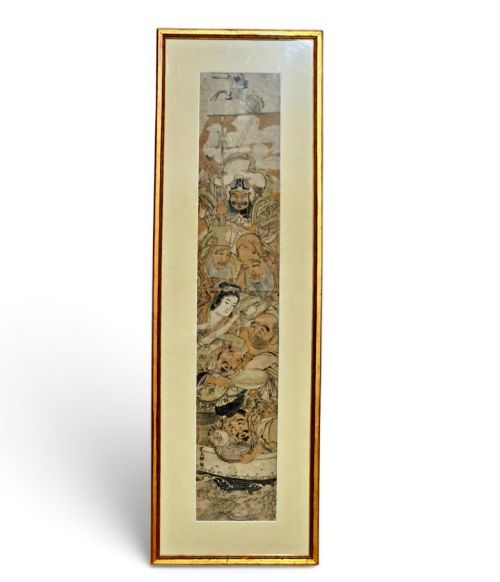
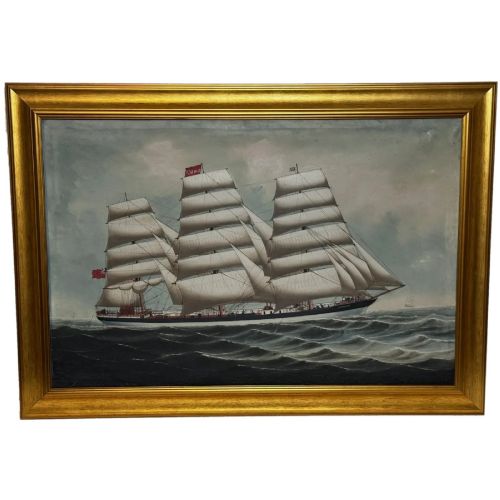
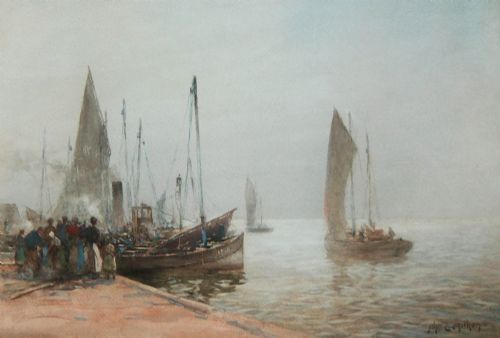
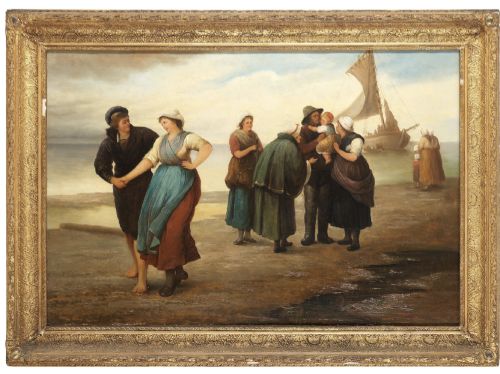
Antique Sailing Artwork
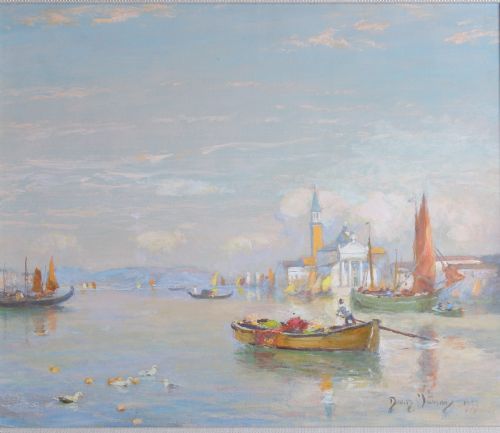
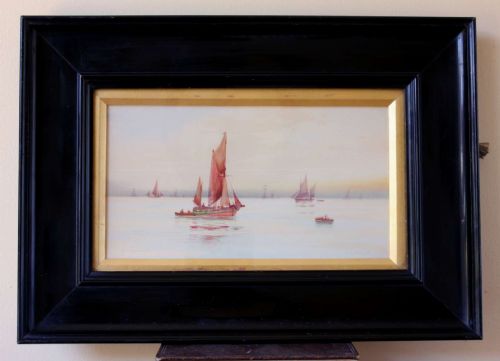
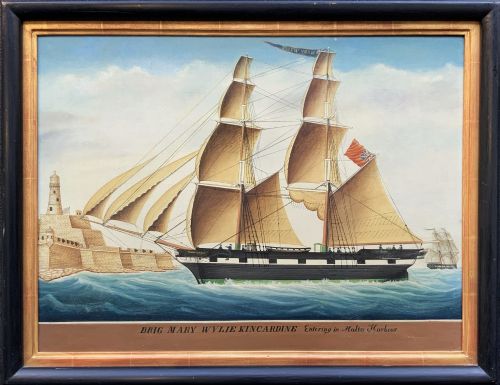
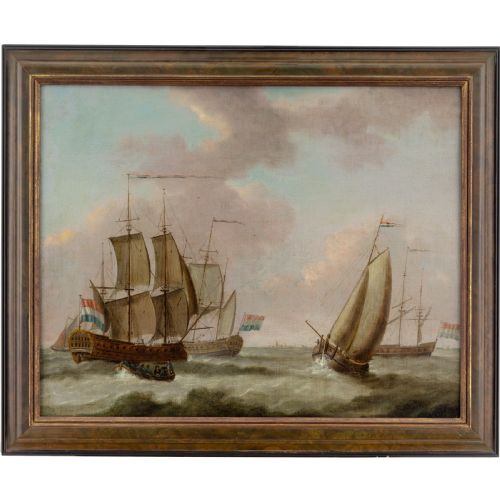
Antique sailing artwork brings nineteenth-century coastal scenes, naval engagements, and harbour views directly to the wall through oil and watercolour.
Antique Sailing Artwork
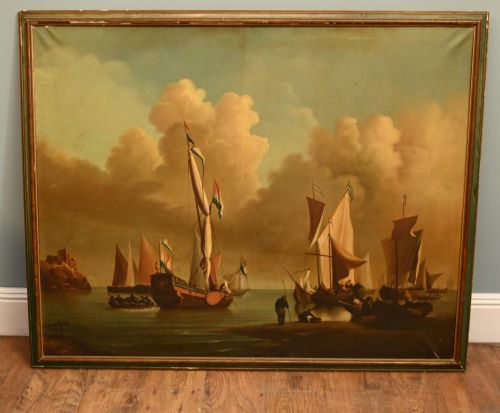
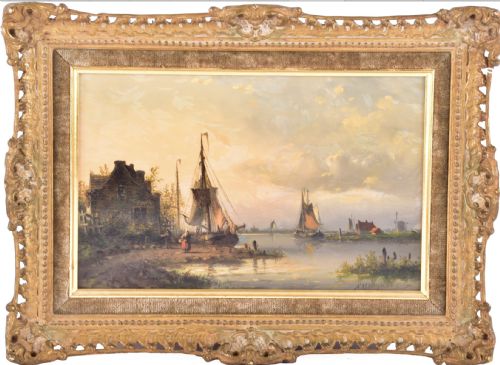
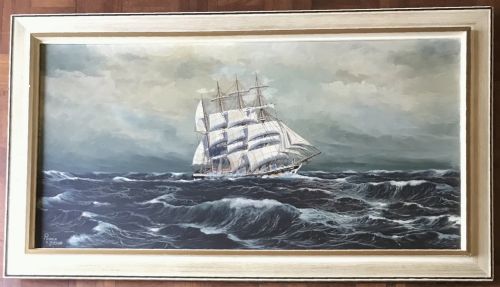
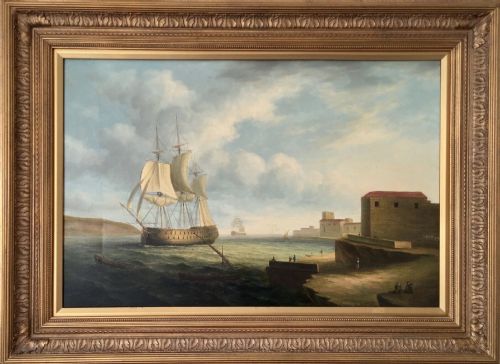
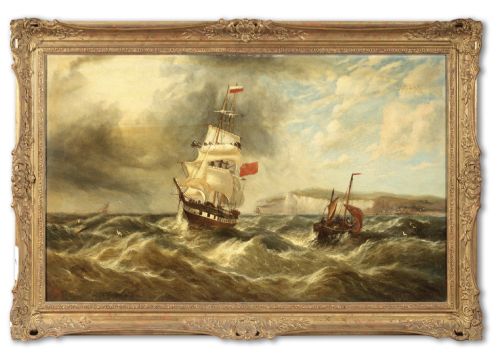
Antique sailing artwork encompasses oil paintings, watercolours, and pencil-signed etchings recording ships, harbours, and coastal weather from the nineteenth century onward. Buyers look for depictions of three-masted schooners, merchant vessels, and warships engaged in coastal navigation or open sea voyages. These works capture the maritime heritage through specific regional waters, from the River Thames to Dutch ports.
The selections available range from nineteenth-century seascapes in heavy frames to Edwardian watercolours and mid-century marine boards. Common subjects include galleons, clippers, and fishing boats navigating gales, calm rivers, or harbour entrances. Each piece offers a visual record of historic shipping and maritime architecture.
How they were made
Artists painted these scenes using oil on canvas, oil on board, and watercolour on paper, often framing the finished pieces in wood and gilt wood. The physical construction relies on traditional stretched canvases or sturdy paper sheets mounted under glass to protect the delicate media from atmospheric moisture.
Makers utilised oil paint for textured depth in stormy seas or watercolour washes for luminous coastal skies. Many works include ink or pencil underdrawings beneath the pigment, demonstrating the precise draughtsmanship required to render complex rigging and hull structures accurately.
Several artists recorded the bustle of specific rivers, capturing paddle steamers nudging past historic sailing barges.
What varies in quality
Quality rests upon the artist's command of light, water movement, and maritime architecture, distinguishing accomplished hands from routine topographical records. Superior examples demonstrate accurate depictions of ship rigging, convincing atmospheric perspective, and dynamic handling of rough seas or evening light.
The integration of the wooden and gilt frames also influences the overall standard, as period-appropriate framing enhances the visual weight of the canvas or paper. Furthermore, the prominence of the signature and the documented exhibition history elevate certain works above anonymous school pieces.
Reginald Arthur Borstel·James E. Aitken·Charles Edward Dixon·John Rose Miles·Bernard Gribble·William Lionel Wyllie·Bonaventura Peeters·Francis Moltino·Thomas Bush Hardy·John Wilson Carmichael·Lai Fong·John Moore of Ipswich·William Matthison·Bernard Benedict Hemy·George Stanfield Walters·Frank Kelsey·Abraham Hulk I·William Frederick Settle·Charles William Adderton·Charles Napier Hemy·Ernest Dade
The Antique Sailing Artwork Glossary
- Seascape
- A work of art depicting the sea, coastal views, or ships in open water. These compositions focus on maritime weather and nautical subjects.
- Gilt wood
- Wood coated with a thin layer of gold leaf or gold paint, frequently used for traditional picture frames. This finish provides a warm, reflective border around the artwork.
- Barque
- A sailing vessel with three or more masts, where the foremast and mainmast are square-rigged and the mizzenmast is fore-and-aft rigged. This rig allowed efficient handling by merchant crews.
- Etching
- A printmaking technique where lines are incised into a metal plate with acid before ink is applied and transferred to paper. This process produces fine, crisp lines ideal for detailed rigging.
Antique Sailing Artwork: Frequently Asked Questions
What subjects do these maritime paintings show?
The artworks depict historical shipping, naval battles, merchant vessels, and coastal harbour scenes from various European and international waters.
Common motifs include clippers under full sail, fishing vessels navigating rough seas, and tranquil river views with bridges and townscapes.
How should I care for antique watercolours?
Watercolours on paper require protection from direct sunlight to prevent the fading of pigments and yellowing of the paper support.
Keeping them behind glass with acid-free mounts and hanging them in rooms with stable humidity preserves the integrity of the paper.
How can I tell the period of a painting?
Stylistic clues, framing materials, and the rigging of the depicted vessels often point toward specific decades like the nineteenth century or Edwardian era.
Signatures, artist exhibition dates, and backboard inscriptions provide additional chronological markers for dating the artwork.
Were these works intended for display?
Artists produced these marine paintings and watercolours to adorn domestic interiors, maritime offices, and shipowners' cabins.
Their framed formats indicate they were created specifically for wall display rather than archival storage in sketchbooks.