
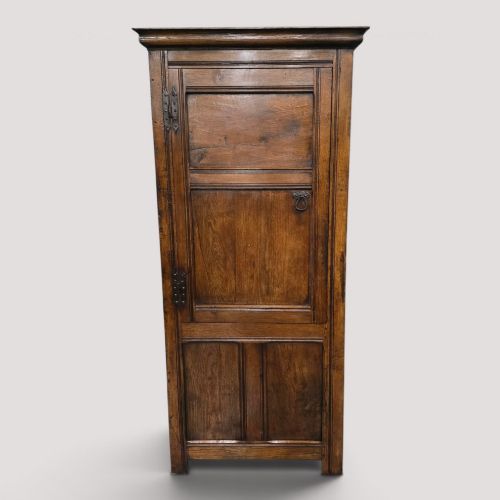
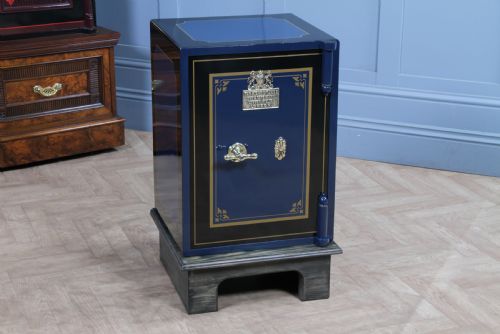

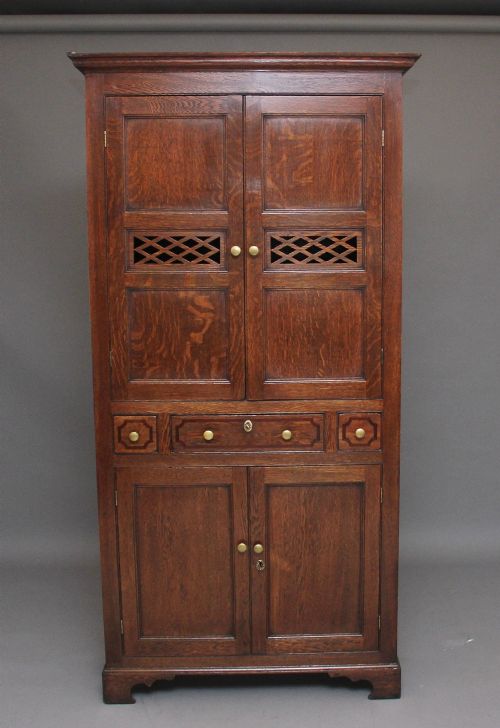
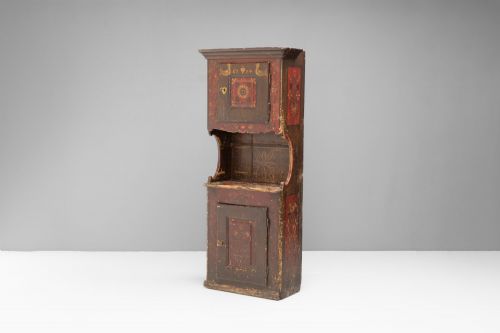
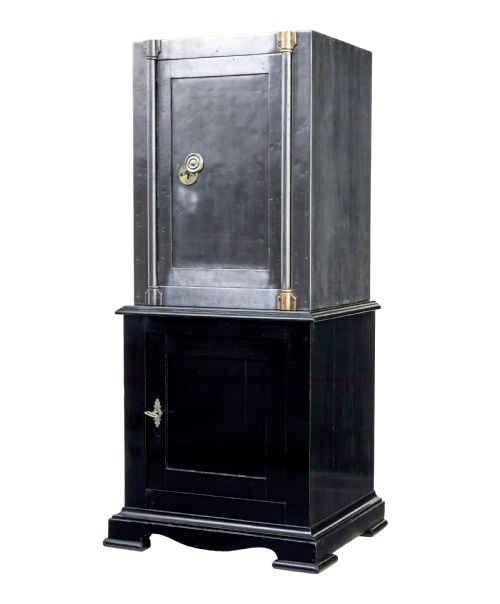


Antique Safe on Stand
These heavy-duty secure boxes mounted on raised furniture combine serious industrial security with domestic practicality, giving you a safe on stand that works as a striking room centrepiece.
Antique Safe on Stand
When you search for an antique safe on stand, you are looking at robust security containers elevated on fitted bases, originating from periods such as the Victorian and Edwardian eras. These pieces bridge the gap between heavy metal protection and refined domestic furniture, serving both practical and decorative roles.
Makers ranged from specialist locksmith firms to high-end cabinet makers who housed utilitarian strongboxes in luxury furniture. This blend of metalwork and cabinetry creates an imposing presence suitable for studies or hallways.
How they were made
Construction relies on heavy steel, cast iron, and wrought iron for the primary locking body, ensuring robust protection and significant weight. These metal bodies are fitted with elaborate brass handles and operational levers.
The supporting stands utilise traditional timbers such as oak, mahogany, pine, and walnut, often constructed using period joinery techniques like dovetailing and mortise-and-tenon joints.
Listings feature 19th Century, Edwardian, Victorian, and 18th Century periods, incorporating steel, cast iron, oak, and pine materials.
What varies in quality
Quality rests upon the collaboration between the metal safe manufacturer and the stand maker, where pieces incorporating custom furniture from established cabinet houses stand out. The integration of the heavy metal box onto a refined wooden base dictates the overall harmony of the design.
The finish of the metalwork, the retention of original brass fittings, and the condition of the blacksmith-made locks and hinges distinguish finer examples from standard utilitarian boxes.
TANNS DEFIANCE LONDON·CHUBB·Waring & Sons
The Antique Safe on Stand Glossary
- Safe on stand
- A heavy metal or steel security box elevated on a wooden cabinet, table, or furniture base. This configuration brings the heavy door to a comfortable working height.
- Wrought iron
- Tough, malleable iron worked by hand, frequently utilised for hinges, straps, and structural reinforcement on early containers. It displays a fibrous grain when fractured.
- Cast iron
- Iron poured into a mould to shape complex components, common in the heavy doors and internal framing of security boxes. It provides immense rigidity and resistance to forced entry.
- Edwardian
- The architectural and decorative period spanning the reign of King Edward VII, noted for a lighter touch in furniture design compared to heavy Victorian predecessors.
Antique Safe on Stand: Frequently Asked Questions
What is an antique safe on stand?
An antique safe on stand is a heavy security box mounted onto a purpose-built wooden table or cabinet base. These pieces were designed to keep valuables secure while matching the surrounding interior decor.
By raising the heavy box off the floor, the makers made the combination lock and keyhole accessible without bending down. The combination of industrial metal and domestic wood gives them a distinct aesthetic.
How heavy are these metal safes?
These security boxes are exceptionally heavy due to the thick steel, cast iron, and wrought iron used in their construction. The solid timber stands add further weight to the total piece.
Because of this mass, positioning them requires careful planning regarding floor strength and access routes. They generally stay in one room once placed.
How do I date a safe on stand?
Dating relies on examining the style of the wooden stand, the manufacturing techniques of the metal body, and the complexity of the lock. Victorian and Edwardian examples often feature distinct cabinetry traits alongside patent plates.
Maker names and stamped serial numbers on the metalwork also provide direct clues to the production era. Hardware such as brass handles and hinges further narrows down the date of manufacture.
How do I clean the metal parts?
Cleaning metal components involves removing surface dust with a soft brush and applying a suitable conservation wax to prevent oxidation. Harsh chemical cleaners can strip historical finishes and patinas from iron and steel.
Preserving the original dark surface texture maintains the character developed over centuries of use. Wooden stands benefit from appropriate furniture polish applied sparingly.