







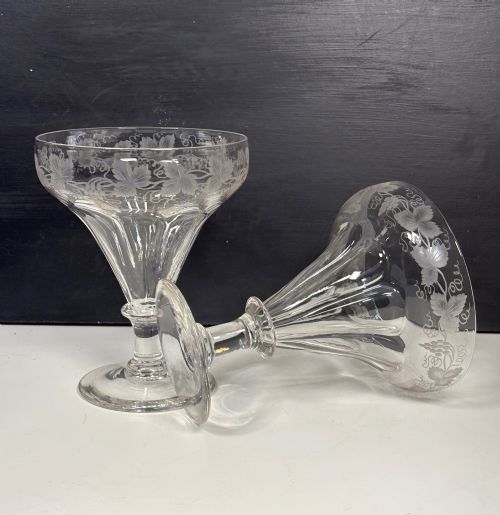

Antique Rummer
An antique rummer is a sturdy drinking vessel built for heavy toasts and everyday draughts, offering substantial weight and historic character to any table.
Antique Rummer
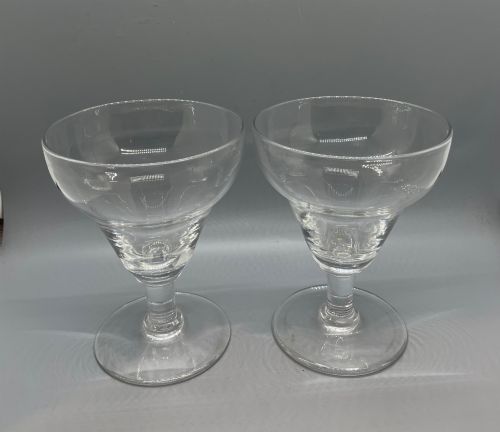
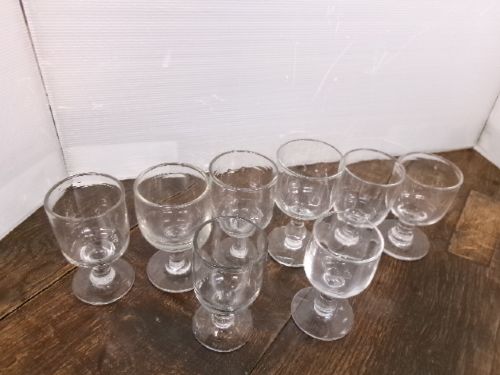
An antique rummer is a large drinking glass designed primarily for wine, ale, and spirits during the Georgian and Victorian eras. You will most frequently encounter English and European specimens spanning from the late eighteenth century through the nineteenth century, ranging from simple tavern cups to finely cut crystal goblets.
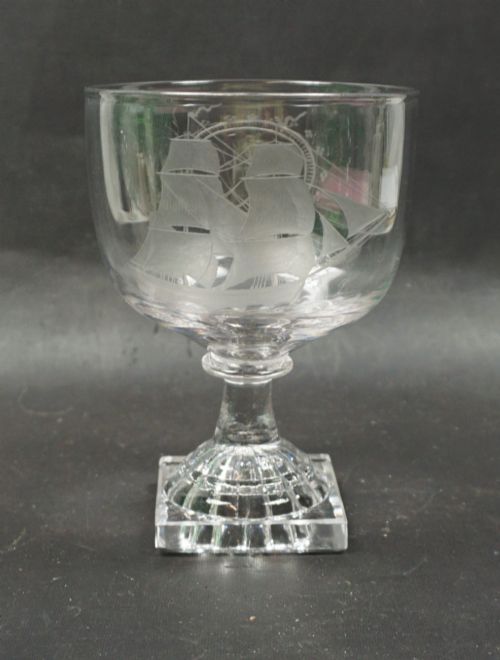
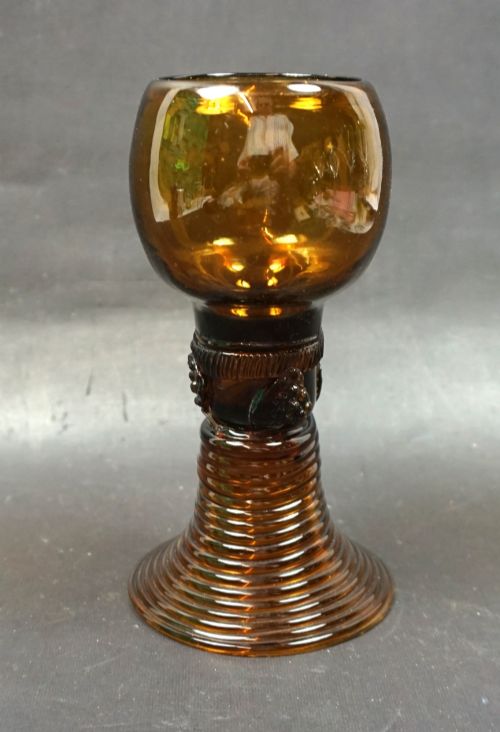
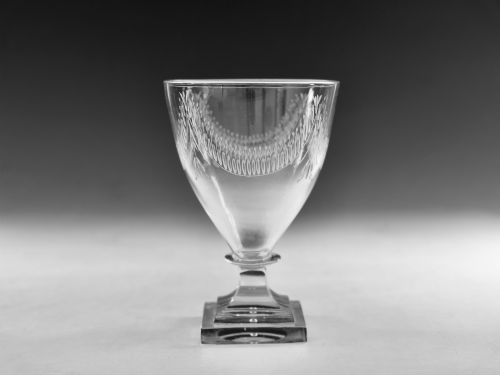
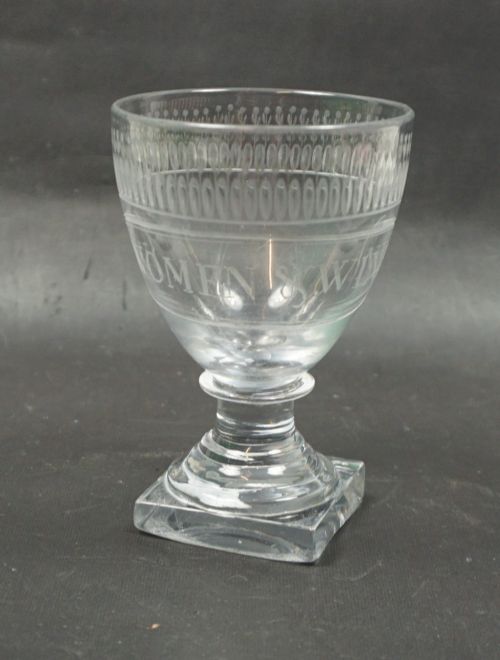
The forms vary from ogee and bucket bowls to square lemon squeezer feet and hollow-stemmed roemers. These pieces were made to be held firmly, serving hearty portions at the dining table or in local hostelries.
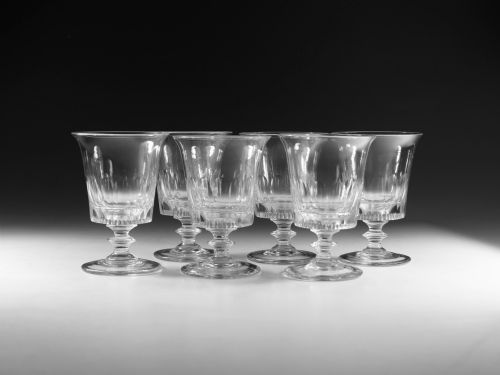
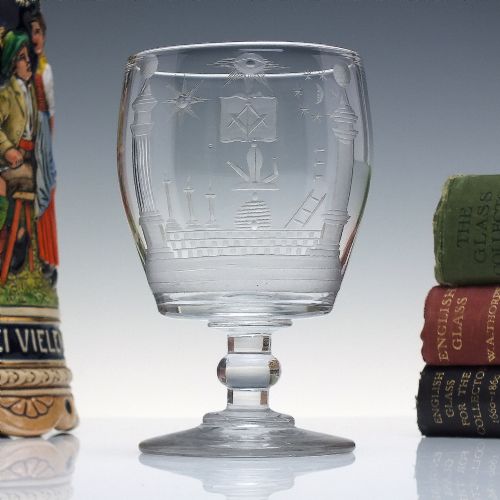
English examples often display facet cutting or hop and barley engravings, whilst continental pieces bring rich green, amber, or cranberry tones into the mix. Sets appear alongside solitary survivors, each showing the particular hand of its maker.
How they were made
Glassmakers utilised lead crystal, flint glass, and heavy lead-glass to achieve both brilliance and durability in the finished vessel. Hand-blown techniques produced thick walls and sturdy bases capable of withstanding robust use.
Decoration relied on skilled wheel-engraving, hobnail cutting, and occasional enamelling or gilding. Masters shaped stems and applied feet by hand whilst the metal remained pliable at the furnace.
Antique Rummer Retail Price Guide 2026
Typical asking prices for rummer among the pieces listed under this phrase on Sellingantiques today, from the lower quarter to the upper quarter. They describe what is for sale here now, not the wider market.
Listings feature lead crystal and coloured glass across Georgian and Victorian periods, with German roemers and English tavern styles sitting side by side.
What varies in quality
Quality rests upon the clarity of the metal and the crispness of the cutting or engraving. Superior pieces possess heavy, well-balanced lead crystal with sharp, deep facets that catch the light cleanly.
The refinement of the decorative work sets exceptional examples apart from utilitarian tavern wares. A finely engraved armorial motif or a well-proportioned ogee bowl demonstrates greater craftsmanship than standard moulded production.
Frits Hechert
The Antique Rummer Glossary
- Rummer
- A large drinking glass used for wine, punch, or ale, typically featuring a short stem and a capacious bowl.
- Lemon squeezer base
- A square, pressed glass foot with sloping sides resembling a kitchen lemon squeezer, popular on Georgian drinking vessels.
- Roemer
- A continental drinking glass, frequently green or amber, with a wide bowl resting on a cylindrical stem decorated with prunts.
- Ogee
- An S-shaped curve in profile, commonly seen shaping the bowls of eighteenth-century drinking glasses to improve the drinking experience.
- Hobnail cut
- A raised, diamond-shaped geometric pattern carved into the surface of glassware, creating texture and a faceted sparkle.
Antique Rummer: Frequently Asked Questions
What were rummers used for?
Rummers served as everyday drinking vessels for ale, wine, beer, and punch in homes and public houses.
Their substantial weight and large bowls made them practical for hearty toasts and generous portions during meals.
How do I date an antique rummer?
Dating relies on examining the manufacturing traits, such as pontil marks, bowl shapes, and foot styles.
Georgian pieces often feature thick lead glass and square lemon squeezer bases, whilst later nineteenth-century versions show machine-pressed traits or different cut patterns.
Can I use antique rummers for drinks?
These sturdy glass vessels were built for actual use and remain robust enough for modern dining.
Hand-washing is essential to preserve the historic glass and any delicate wheel-engraved decoration.
What is the difference between a rummer and a roemer?
A rummer is typically an English glass with a short stem and a rounded or bucket-shaped bowl designed for heavy toasts.
A roemer is a continental form, usually green or amber, featuring a hollow prunted stem and a spherical bowl.