
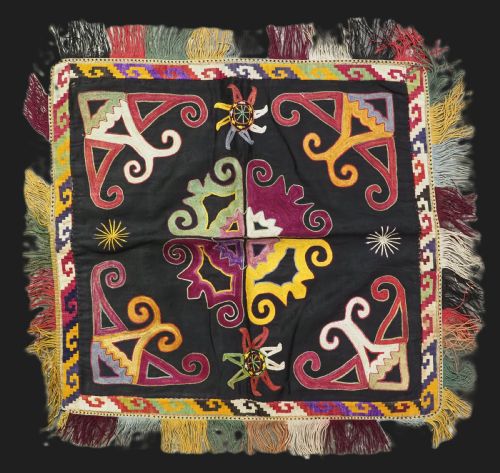
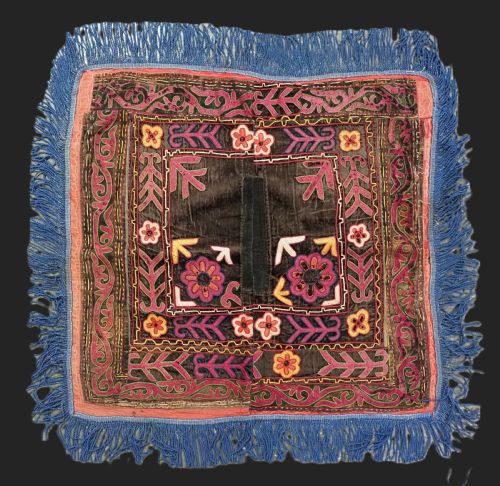
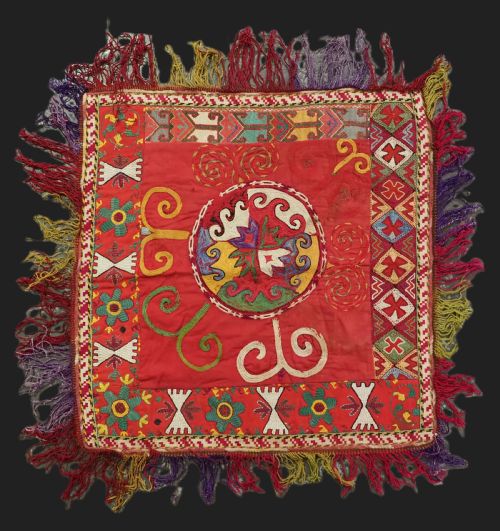


Antique Rug Square
When you search for an antique rug square, you enter a distinct group of textiles shaped by symmetrical proportions.
Antique Rug Square
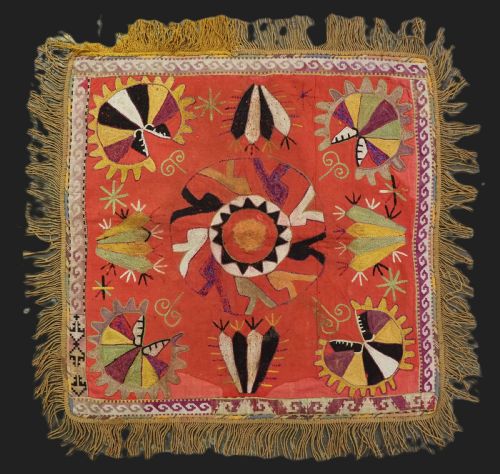
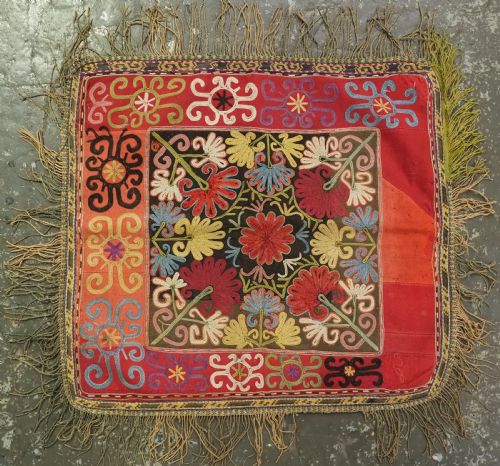
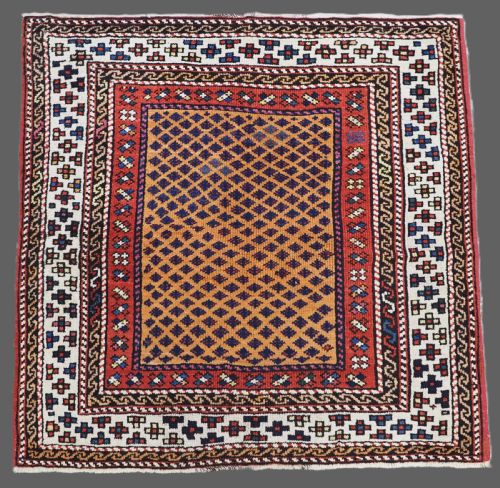
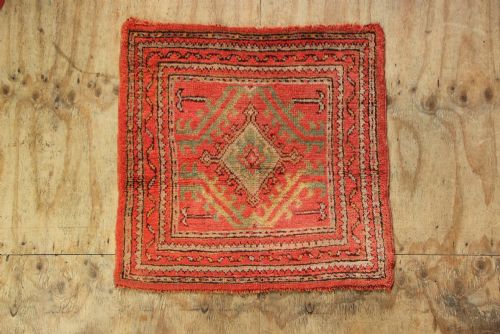
An antique rug square presents balanced dimensions that differ from standard runner or rectangular formats, often originating from tribal or village workshops.
The selections available here range from small dowry pieces and seating mats to large room-size carpets created during the nineteenth and early twentieth centuries.
Makers designed these balanced floor coverings and wall hangings across various regional traditions, including Persian, Turkish, Caucasian, and Central Asian styles.
Evaluating distinction
Quality rests in the handling of the wool, the precision of the tribal motifs, and the depth of natural dye colours preserved across the surface.
Finer weaves demonstrate greater knot density and structural integrity, setting exceptional village and tribal examples apart from standard utility items.
Some dining sofreh rugs double as bread cloths, meaning your antique floor covering might once have held dinner.
The Antique Rug Square Glossary
- Sofreh
- A woven or embroidered cloth used traditionally for dining or bread preparation among tribal groups.
- Ilgich
- An Uzbek dowry embroidery piece frequently created for wall hanging display.
- Pushti
- A small mat format traditionally utilised for seating or cushion placement.
- Pile
- The cut surface yarn of a carpet that forms the tactile layer above the foundation.
Antique Rug Square: Frequently Asked Questions
Where were square rugs placed?
Makers wove these square formats for specific domestic functions, such as seating areas, tent floors, or ceremonial wall displays.
Their balanced proportions suited central rooms or specialised tribal gatherings rather than long hallways.
How do I identify tribal designs?
Tribal pieces display geometric motifs, lattice patterns, and symbolic designs unique to specific regions like the Caucasus or Central Asia.
Nomadic weavers relied on traditional patterns passed down through generations rather than urban workshop cartoons.
Are these textiles fragile?
Most antique examples utilise durable wool foundations that withstand careful placement in low-traffic areas of the home.
Wall hanging formats require proper mounting support to distribute weight evenly across the fabric.
What periods do these pieces span?
The available selection primarily encompasses items produced during the nineteenth century and the early decades of the twentieth century.
Older examples reflect traditional regional dyeing techniques before the widespread adoption of synthetic colorants.