

Antique Ruby Glasses
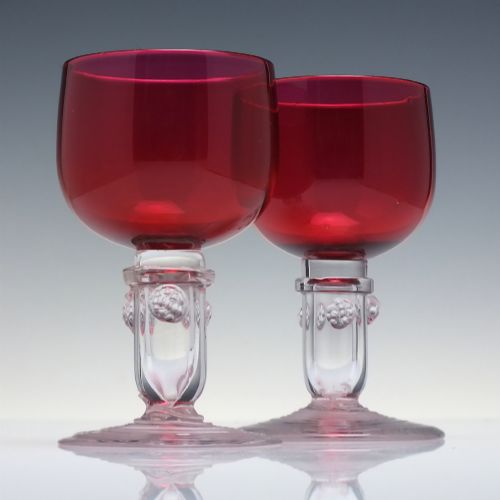
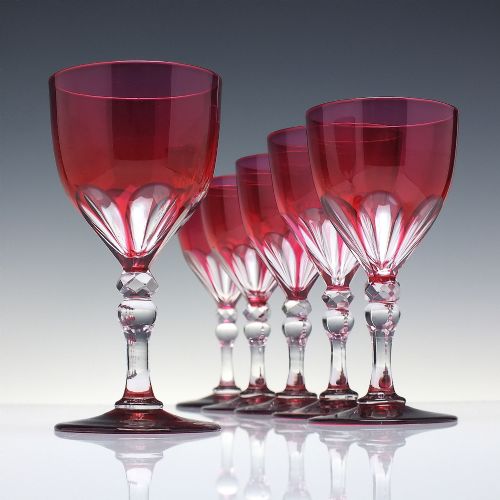
These antique ruby glasses and related vessels bring rich crimson tones and decorative sparkle to a table or cabinet, spanning Victorian and Edwardian periods.
Antique Ruby Glasses
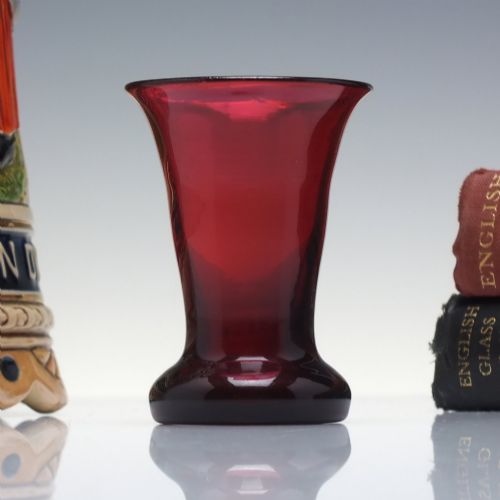
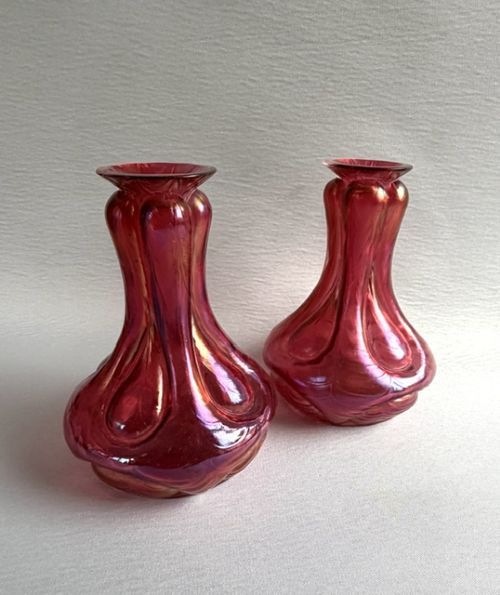
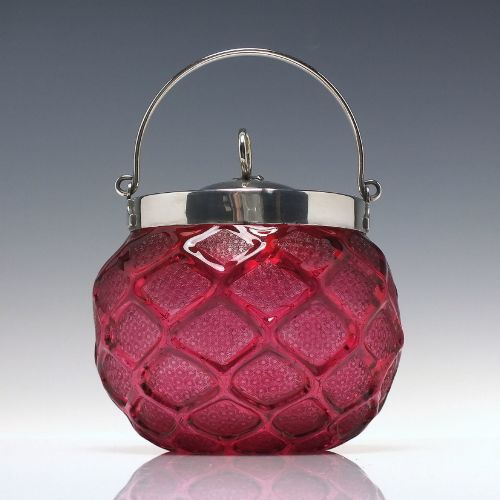
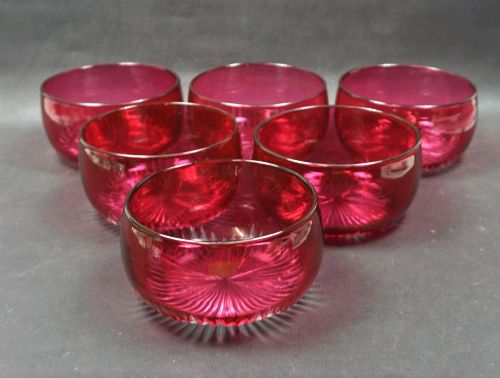
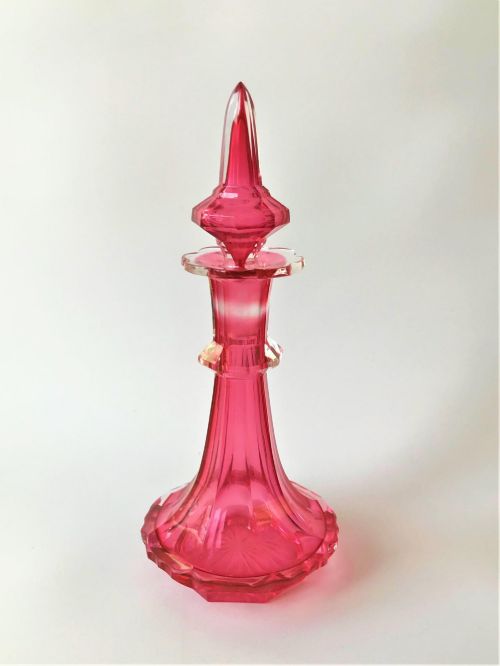
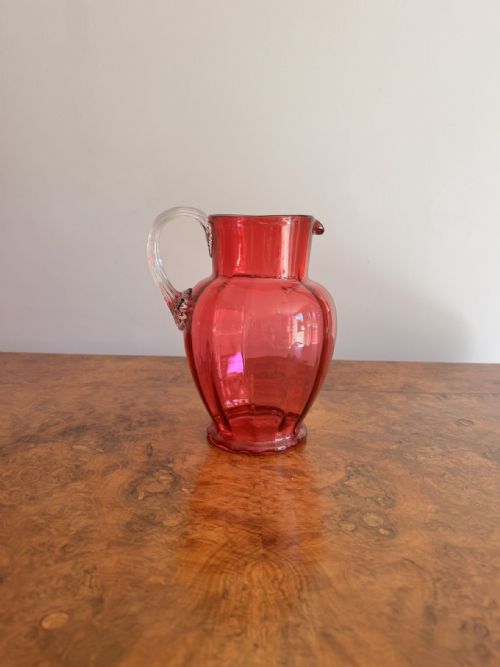
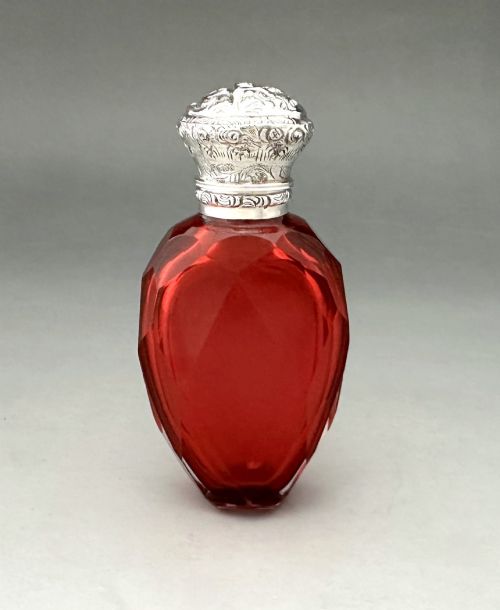
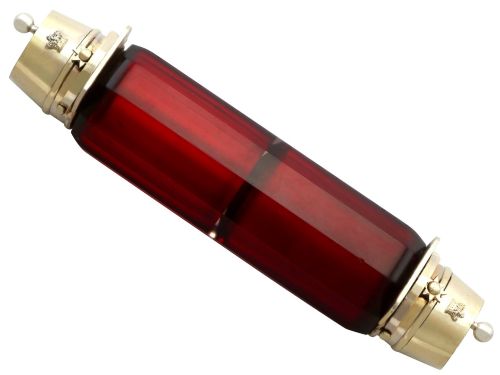
When you search for antique ruby glasses, you encounter a selection of tablewares, scent bottles, and decorative vessels rooted primarily in the nineteenth and early twentieth centuries. The items range from jugs and wine glasses to scent bottles mounted in sterling silver and ornate lustres.
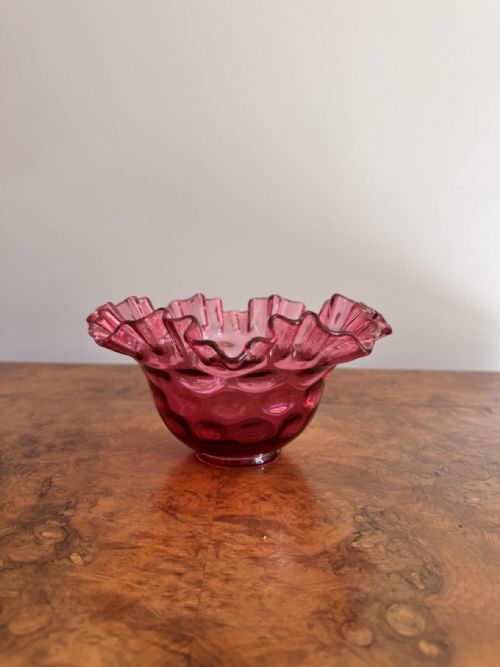
You are most likely to meet Victorian and Edwardian pieces, often formed from cranberry or flashed glass combined with silver plate or sterling mounts. These vessels served practical dining and dressing table functions before evolving into purely decorative display items.
How they were made
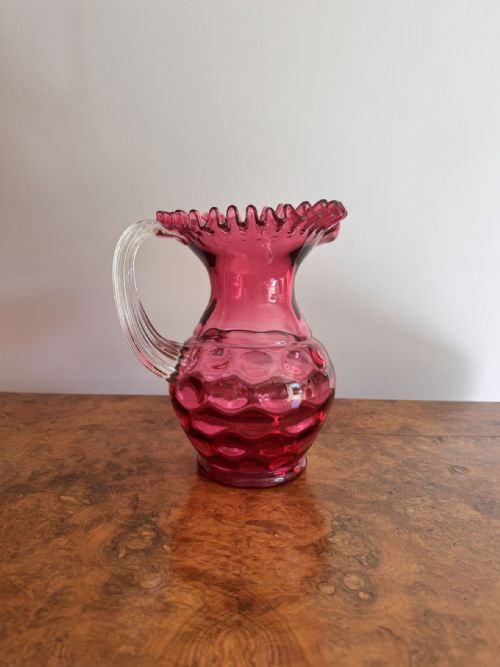
Makers achieved the deep red colour by incorporating gold or copper into the glass batch during melting, producing the distinct ruby and cranberry hues seen across the pieces. Artisans then shaped the molten material by free-blowing or moulding, frequently applying clear glass handles or white glass rims for contrast.
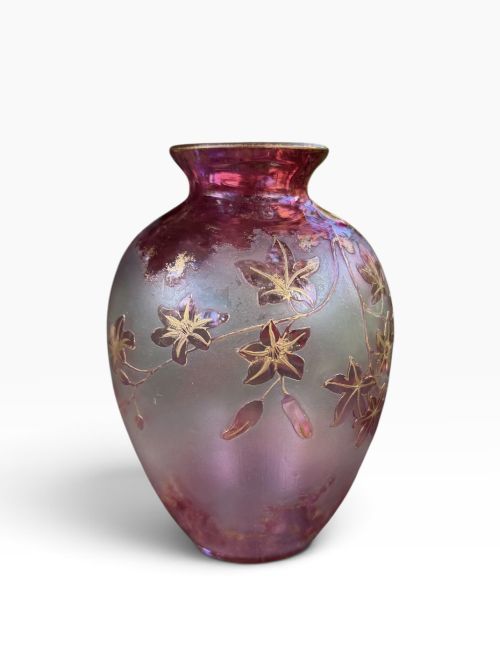
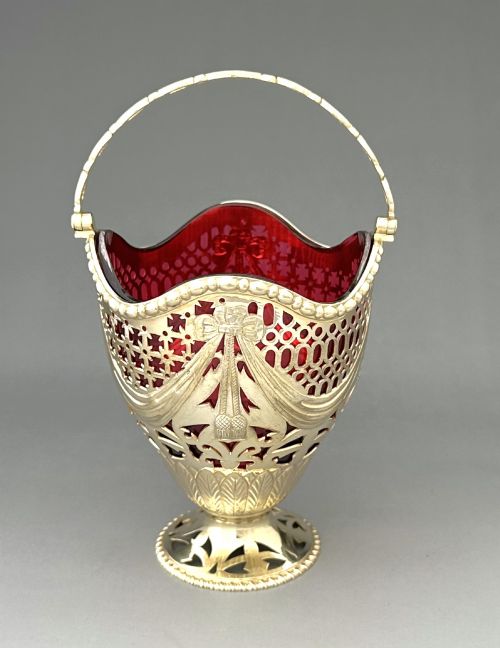
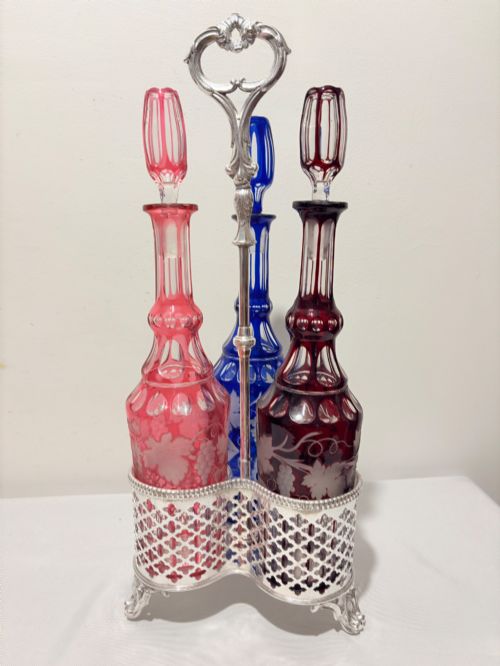
Surface decoration involved acid etching, wheel-cutting, hand painting with gold leaf, and enamel work to add surface pattern. Many glass vessels were fitted with silver-plated stands, pierced baskets, or sterling silver mounts created by silversmiths.
Antique Ruby Glasses Retail Price Guide 2026
Typical asking prices for ruby glasses among the pieces listed under this phrase on Sellingantiques today, from the lower quarter to the upper quarter. They describe what is for sale here now, not the wider market.
Listings feature items from the nineteenth century up to the 1950s, using cranberry glass, silver plate, and gold leaf.
What varies in quality
The sophistication of the glass manipulation and the depth of the ruby colour set finer examples apart from simpler utilitarian vessels. High-quality pieces display crisp hand-cutting, even saturation throughout the metal, and delicate gilding rather than plain, thick surfaces.
The standard of the metal mountings also defines the tier of a piece, with solid sterling silver and detailed ormolu housings indicating higher workshop origins. Well-balanced proportions in scent bottles, jugs, and lustres separate standard domestic items from superior output.
Baccarat·Harold Bushell and Co·Karl Palda·Val St Lambert
The Antique Ruby Glasses Glossary
- Cranberry glass
- A transparent pinkish-red glass coloured with gold chloride, widely popular during the Victorian period for tableware and decorative items.
- Lustre
- A mantelpiece ornament featuring a bowl or vase hung with cut glass prisms that catch and reflect candlelight.
- Epergne
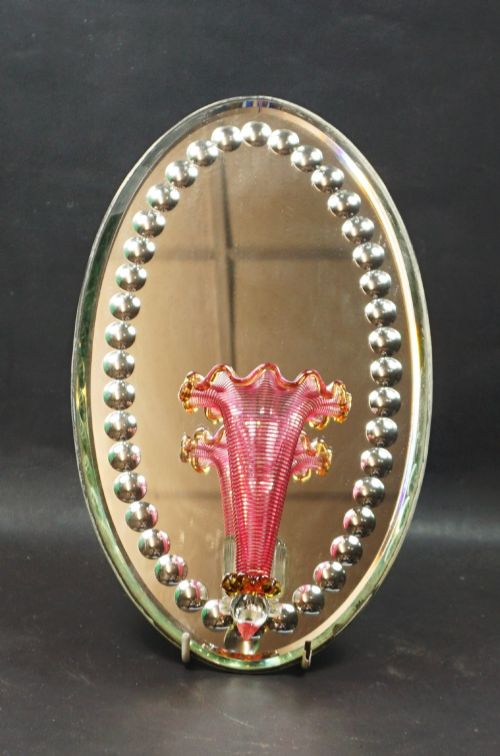
- A large table centrepiece featuring a central trumpet vase surrounded by smaller hanging baskets or bowls, typically made of cranberry glass.
- Flashed glass
- A vessel formed by coating a core of clear glass with a thin layer of coloured glass before cutting through the outer layer.
- Ormolu
- Gilded bronze mounted onto glass or ceramic bodies, providing ornamental handles, collars, and stands during the nineteenth century.
Antique Ruby Glasses: Frequently Asked Questions
What are antique ruby glasses?
These items encompass small drinking vessels, scent bottles, and decorative tableware formed from rich red or cranberry glass during the nineteenth and early twentieth centuries.
They derive their characteristic colour from metallic additives mixed into the glass during production, creating tones from pale pinkish-red to deep ruby.
How were these ruby glass pieces used?
Many served functional roles on dining tables as wine glasses, jugs, and decanters for serving beverages during formal meals.
Others functioned on dressing tables as perfume or scent bottles with silver mounts, or stood on mantelpieces as decorative lustres and centrepiece bowls.
How do I date an antique ruby glass?
Dating relies on examining the styling, manufacturing techniques, and any accompanying metalwork such as sterling silver mounts or silver-plated stands.
Victorian pieces often feature hand-painted gilding or applied clear handles, while Edwardian and later twentieth-century items may incorporate Art Deco geometric cuts.
How should I clean antique ruby glass?
Careful washing in warm, soapy water using a soft cloth helps preserve surface gilding, enamel work, and delicate applied handles.
Harsh abrasives and immersion in hot water must be avoided to protect both the glass body and any vintage silver mounts attached to the piece.