



Antique Ruby Carved Ring
An antique ruby carved ring brings together deep red stones and intricate gold work from the Victorian, Edwardian, and Art Deco eras.
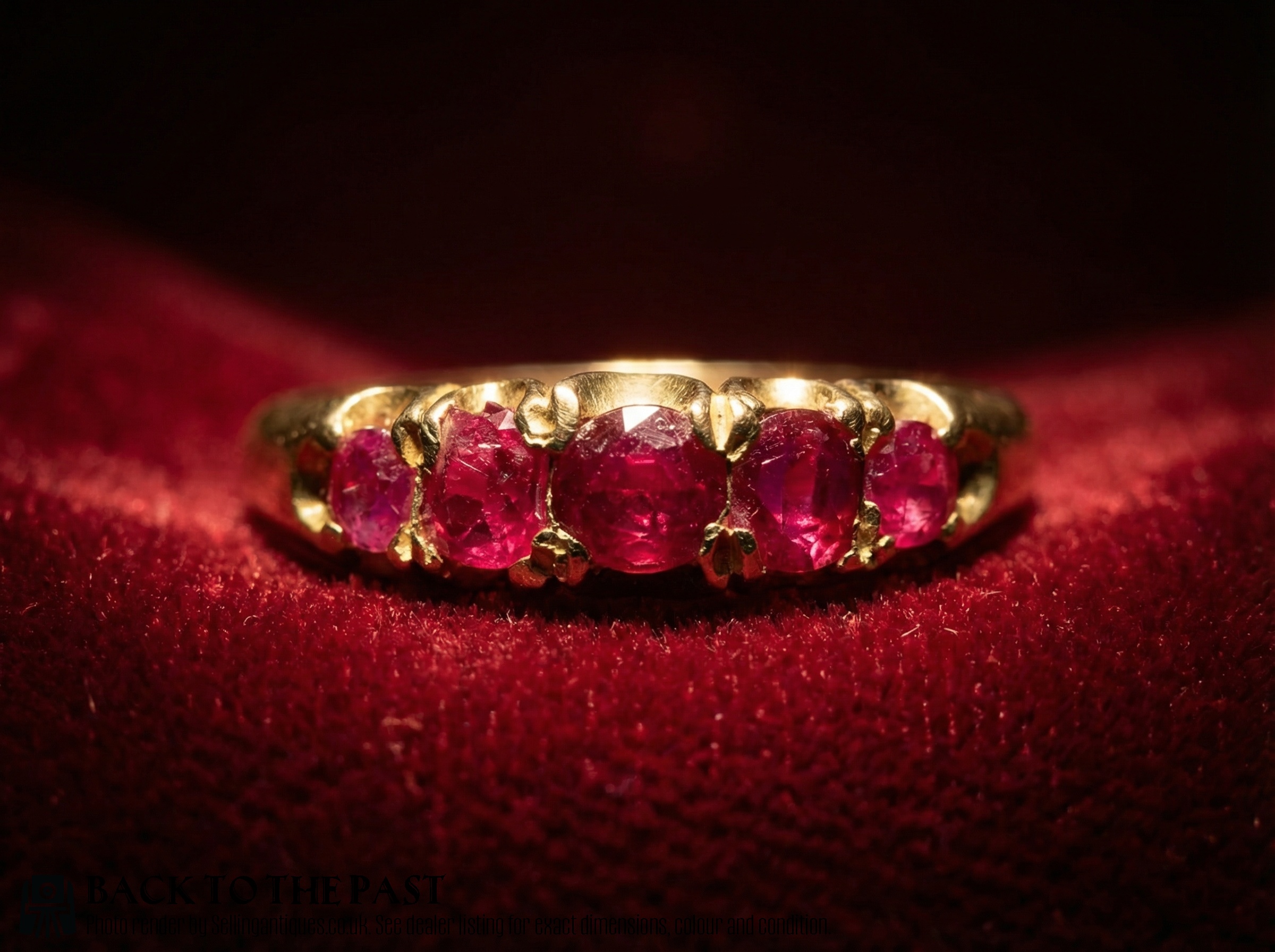
Antique Ruby Carved Ring
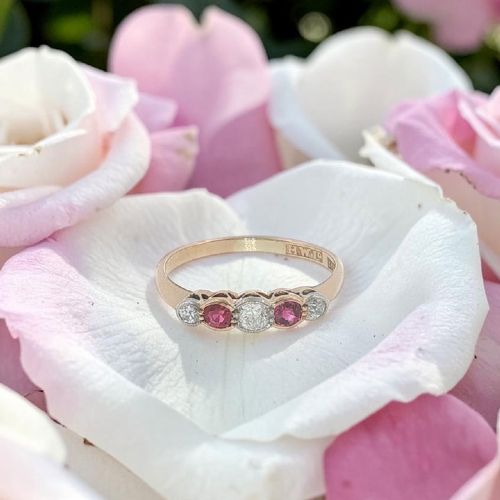
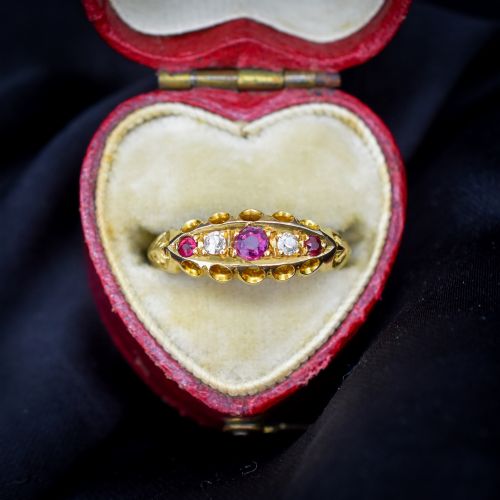
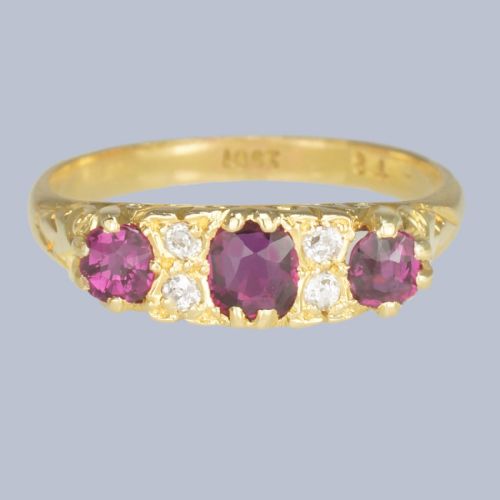
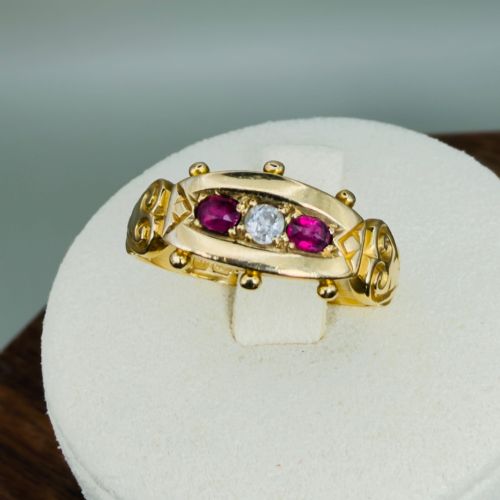
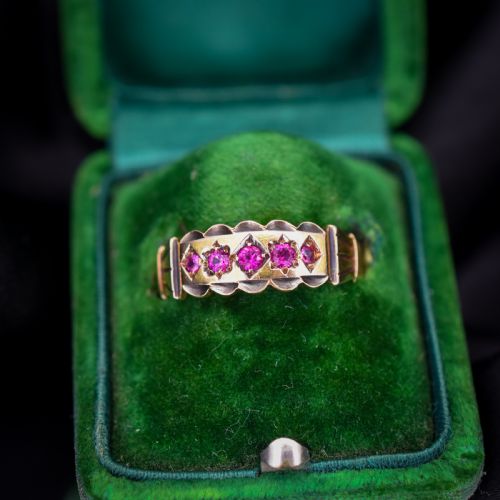
An antique ruby carved ring is a finger ornament featuring carved or faceted red gemstones mounted in gold bands, originating from periods spanning the late nineteenth century through to the early twentieth century.
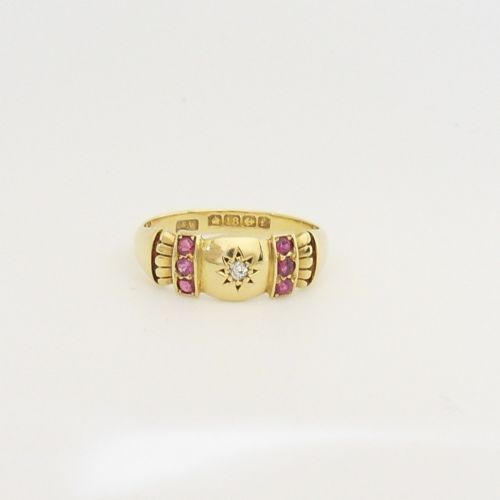
Makers set these rubies alongside diamonds in 18ct gold, 15ct gold, and 9ct yellow gold, often bearing hallmarks from assay offices in locations such as Chester, Birmingham, and London.
How they were made
Goldsmiths utilised 18ct gold, 15ct gold, and 9ct gold to construct the mountings, shaping the metal into patterned bands, boat settings, and half-hoop designs by hand.
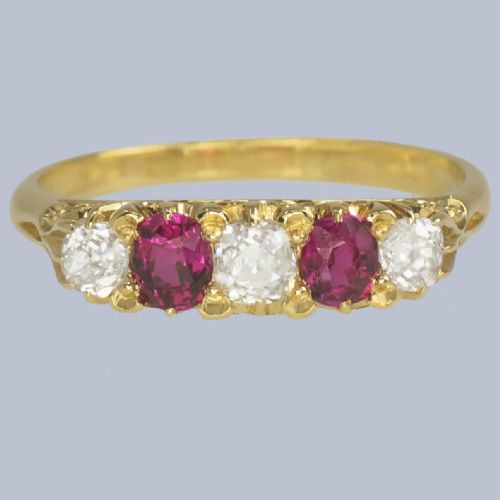
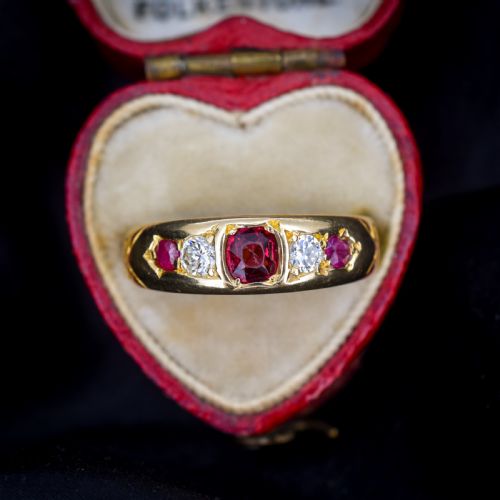
Craftspersons set rubies alongside old-cut and old mine-cut diamonds, securing the stones within claw settings or flush channels integrated directly into the gold structure.
Listings show gold purities ranging across 18ct, 15ct, and 9ct gold standards.
What varies in quality
The standard of an antique ruby carved ring depends on the weight and visual depth of the central gemstones and the crispness of the surrounding gold work.
Subtleties in proportion between the ruby and the accompanying diamonds, alongside clear assay office hallmarks, separate standard production from finer examples.
The Antique Ruby Carved Ring Glossary
- Old cut
- A diamond cutting style characterised by a smaller table, higher crown, and larger culet, typical of stones set before the twentieth century. This facet arrangement produces a distinct pattern of candlelight sparkle.
- Trilogy ring
- A ring featuring three principal stones set in a row across the finger, often symbolising the past, present, and future. These pieces frequently pair a central ruby with flanking diamonds.
- Navette ring
- A ring shaped like a small boat or eye, featuring an elongated outline pointed at both ends. This silhouette allows for multiple stones to be arranged in a tapered geometric cluster.
- Half hoop ring
- A design where stones are mounted in a uniform curve across the upper portion of the band. This layout showcases continuous colour and brilliance across the finger.
- Hallmark
- An official stamp applied to precious metals indicating the purity of the gold, the assay office of origin, and the date of manufacture. These small marks provide a reliable anchor for dating an antique piece.
Antique Ruby Carved Ring: Frequently Asked Questions
How do I date an antique ruby ring?
Examination of the internal assay marks reveals the specific town mark, gold purity, and date letter assigned by the assay office at the time of manufacture. Stylistic indicators like boat settings or old-cut diamond clusters also point towards Victorian or Edwardian periods.
Comparing the mounting techniques with established hallmarking records from Birmingham, Chester, or London narrows the production window down to a specific year.
Are these rings suitable for daily wear?
Gold bands and durable gemstones withstand regular use when handled with reasonable care during daily activities. Removing the jewellery prior to manual work protects the claws and delicate gold settings from undue strain.
Periodic inspection by a jeweller ensures the stones remain secure within their original mountings over decades of use.
How do I clean an antique ruby ring?
Warm water mixed with mild soap and a soft brush removes everyday oils and debris accumulated beneath the stone settings. Gentle brushing around the gold claws restores the brightness of the ruby and diamonds without harming the metal.
Harsh chemical dips and ultrasonic cleaners risk damaging older stones and should be avoided in favour of manual cleaning.
What is an old mine cut diamond?
An old mine cut diamond is an antique stone shape featuring a cushion outline with a high crown and a distinctively large culet facet. These stones were hand-faceted before modern machinery standardised diamond cutting.
Their unique geometry captures ambient light in a softer manner than modern brilliant cuts, suiting the aesthetic of Victorian and Edwardian gold rings.