


Antique Royal Portrait Art
Antique royal portrait art captures monarchs and nobility through centuries of oil painting, mezzotint and print, offering a direct visual link to historical sovereignty.
Antique Royal Portrait Art
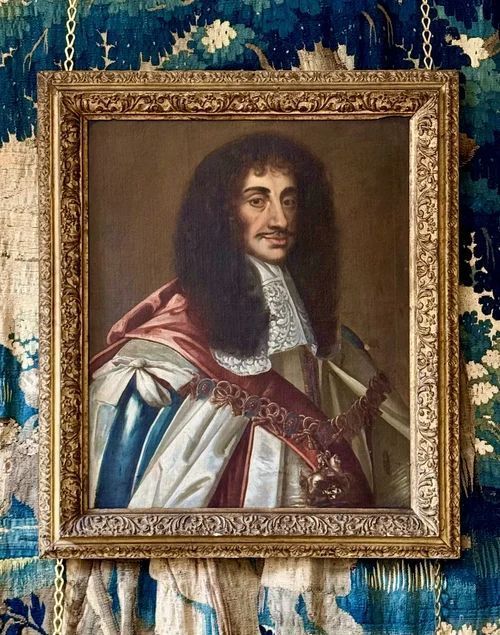
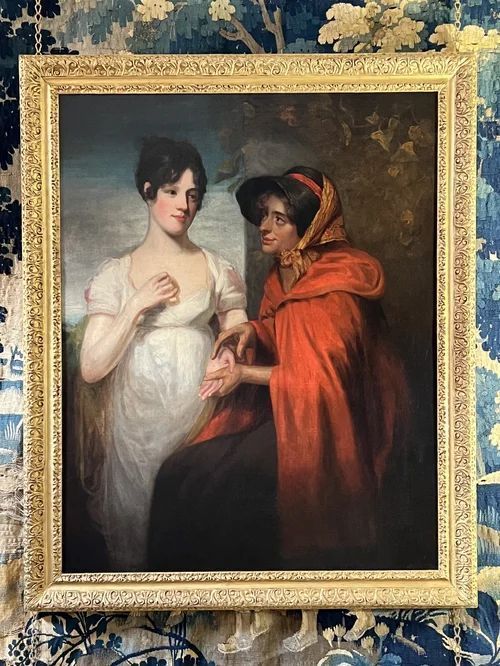
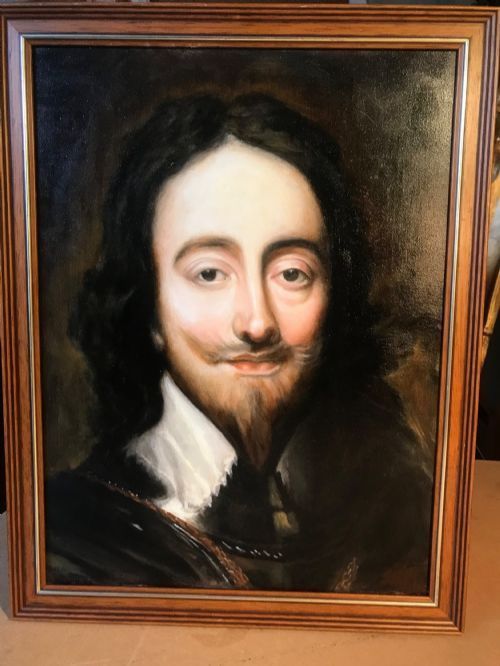
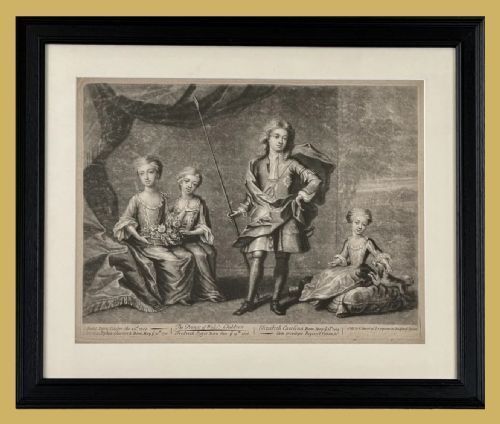
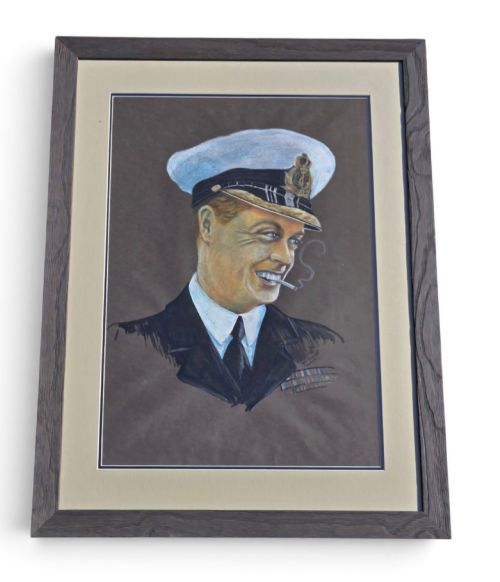
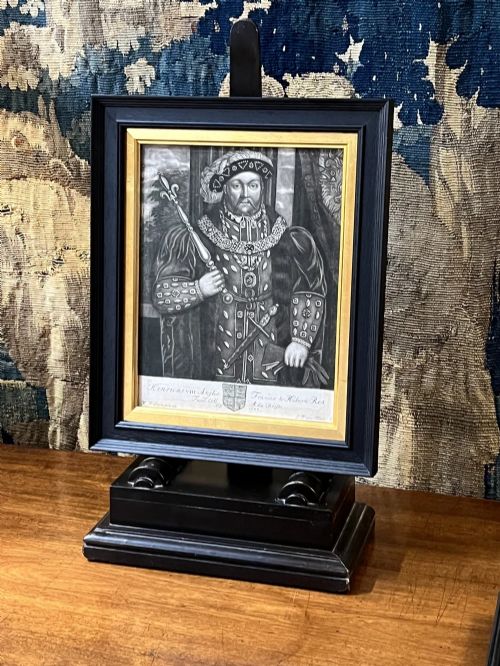
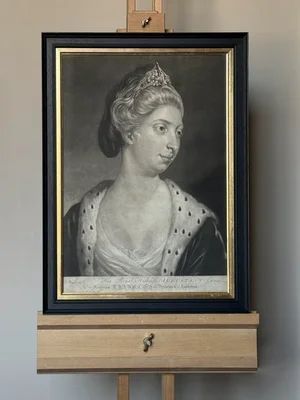
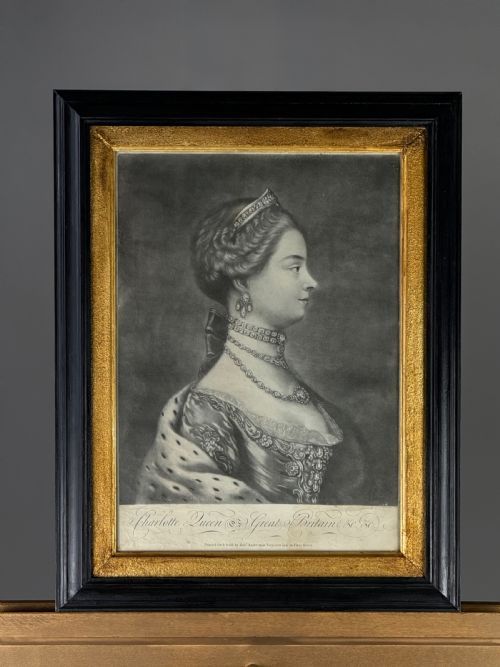
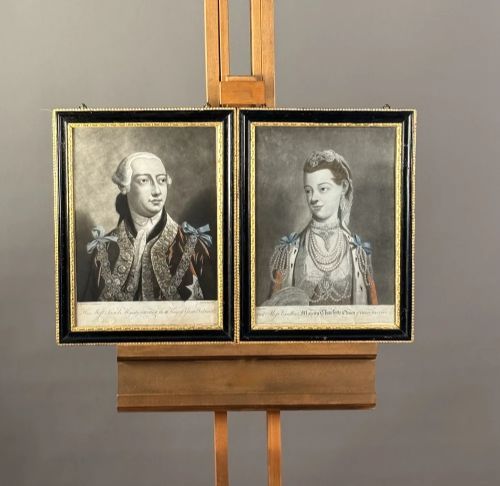
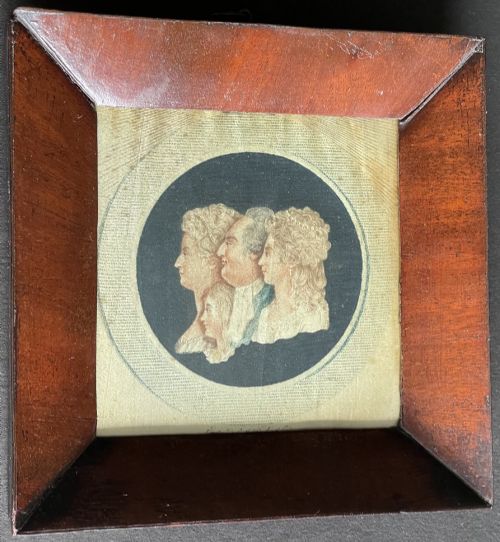
When you search for antique royal portrait art, you encounter depictions of kings, queens and princes spanning from the seventeenth century through to the mid-twentieth century. These works appear in various media, including oil on canvas, delicate enamel, pastel sketches and detailed mezzotint prints.
The seventeenth and eighteenth centuries dominate the selection, often presenting monarchs like King Charles I and King George III in formal attire, sometimes referencing famous court painters such as Sir Anthony van Dyck or Sir Peter Lely. Later pieces extend into twentieth-century pastel representations and wartime drawings connected to military regiments and royal figures.
Framed appropriately in period giltwood or simple timber moulding, these pieces function as both historical documents and decorative statements. Buyers select them to bring a tangible sense of lineage and dynastic history into domestic interiors.
Distinguishing Quality in Royal Portraiture
Condition and originality of the surface matter significantly, involving undisturbed paint layers or crisp printing impressions alongside period framing that complements the era of the subject.
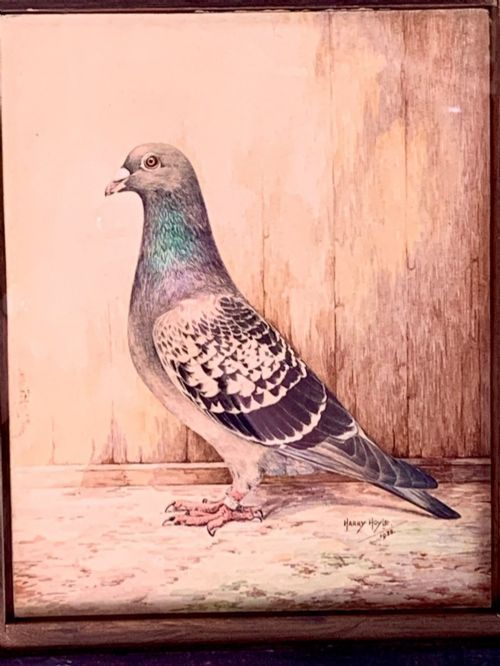
Among the monarchs and military commanders, a racing pigeon named Royal Messenger proudly represents avian service to King George V.
Sir William Beechey·Sir Anthony van Dyck·John Smith·Henry Bone·Sir Peter Lely·John Opie·Hans Holbein the Younger·Richard Purcell·Bertram Priestman·Vincenzo D’Esposito
The Antique Royal Portrait Art Glossary
- Mezzotint
- A printmaking process where the copper plate is roughened uniformly to produce dark tones, then smoothed selectively to create light areas. This technique allows for rich, velvety tonal gradations particularly suited to portraiture.
- Enamel portrait
- A miniature painting fired onto a metal base using powdered glass pigments. Henry Bone practiced this intricate method to achieve lasting brilliance and miniature detail.
- Giltwood
- Wood carved and coated with a thin layer of gold leaf or metallic powder. It frames many of the oil paintings from the seventeenth and eighteenth centuries.
- Reverse glass painting
- An artwork painted directly onto the back of a glass sheet and viewed from the front. The artist must apply details in reverse order, starting with the foreground elements.
- Oil on canvas
- Pigments bound in a drying oil medium applied to a stretched woven fabric support. It serves as the primary medium for grand-scale court portraiture.
Antique Royal Portrait Art: Frequently Asked Questions
How should I display antique royal portraits at home?
Hang these works away from direct sunlight to protect oil paint and paper from fading over time. Pairing a formal seventeenth-century or Georgian portrait with simple wall colours lets the historical framing stand out.
Ensure the hanging height places the subject's gaze near eye level for a natural viewing experience. Secure heavier giltwood frames using appropriate wall fixings suited to the weight of the timber and canvas.
How do I distinguish an original painting from a period print?
Examine the surface closely using a magnifying glass to check for the raised texture of brushstrokes or the flat smoothness of ink resting within paper fibres. Oil paintings display distinct impasto and canvas weave, whereas prints reveal tiny ink dots or the indented plate mark surrounding the image.
Mezzotints and engravings also show a uniform dot or line matrix under magnification that differs entirely from the blended pigments of an artist's brush.
What distinguishes an after-work from an original composition?
An 'after' attribution indicates that the artist painted or printed a copy based on a well-known master portrait, such as those by Van Dyck or Kneller. These pieces were often produced to disseminate royal likenesses widely during the eighteenth and nineteenth centuries.
While primary paintings executed directly by the master command the highest regard, skilled later iterations by contemporary or studio artists still hold historical and decorative importance.
Why are so many royal portraits executed as mezzotints?
Mezzotint was the preferred printmaking method for reproducing oil paintings during the seventeenth and eighteenth centuries because it captured tonal depth exceptionally well. Publishers used the technique to distribute likenesses of monarchs and military heroes to a wider public.
These prints allowed collectors of modest means to own representations of reigning figures that mirrored the rich chiaroscuro of original gallery canvases.