



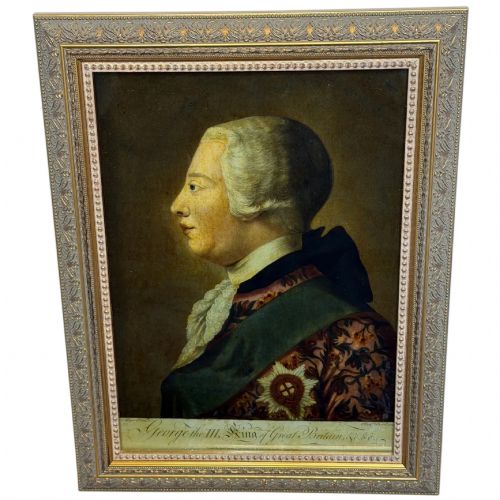

Antique Royal Engraving
An antique royal engraving brings centuries of sovereignty and court portraiture to your walls through ink, paper, and copper plate.
Antique Royal Engraving
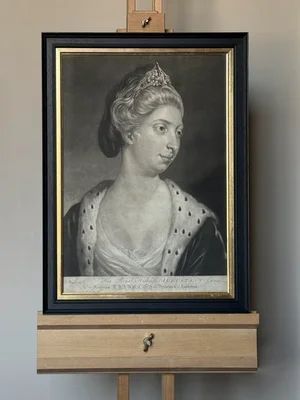
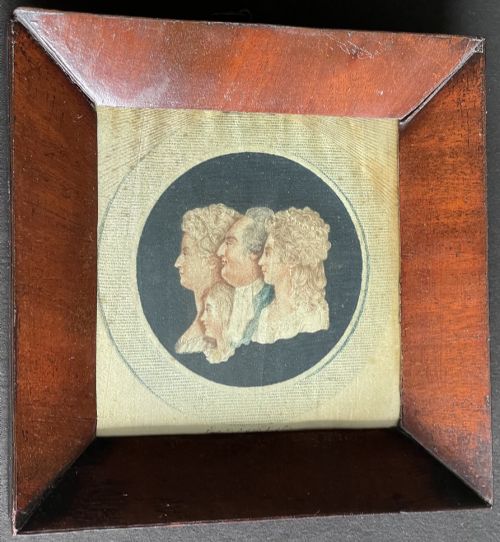
An antique royal engraving captures monarchs, princes, and historic state occasions through fine printmaking techniques. These works bridge portraiture and political history, offering a tangible connection to past coronations, royal families, and national milestones.
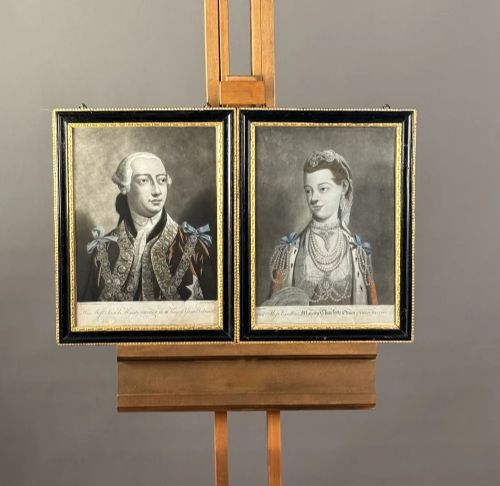
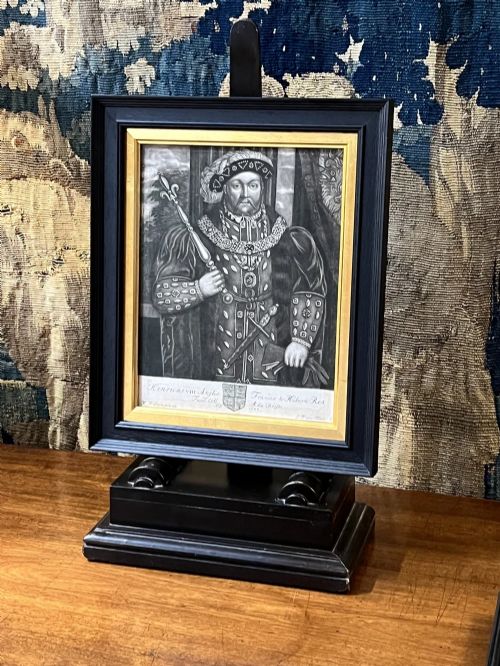
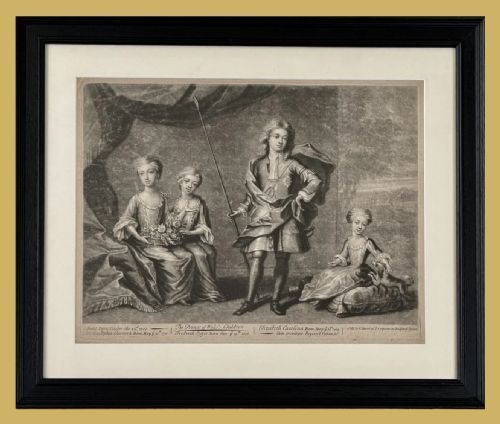
Most pieces on this page originate from the eighteenth and nineteenth centuries, taking the form of framed prints, mezzotints, and commemorative book illustrations. Subjects range from reigning sovereigns like King George III to intricate allegorical scenes and military reviews.
Collectors encounter everything from intimate portrait plates to larger wall art produced in Georgian, Victorian, and Edwardian workshops. Each item preserves the likeness of nobility through traditional ink and paper methods that define the genre.
Materials and technique
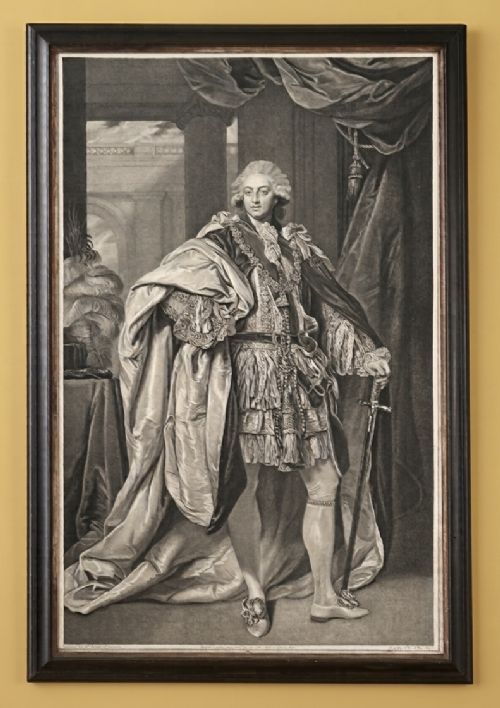
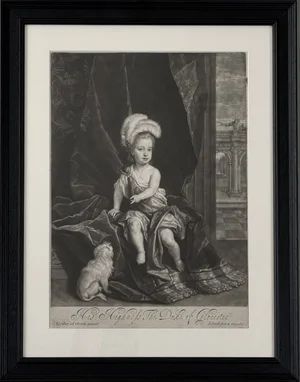
The foundation of these works relies on quality paper paired with rich, dark printing ink applied from meticulously etched or scraped copper plates. Mezzotint and engraving methods allow artisans to build deep tonal gradations, capturing the subtle textures of royal velvet, ermine, and lace.
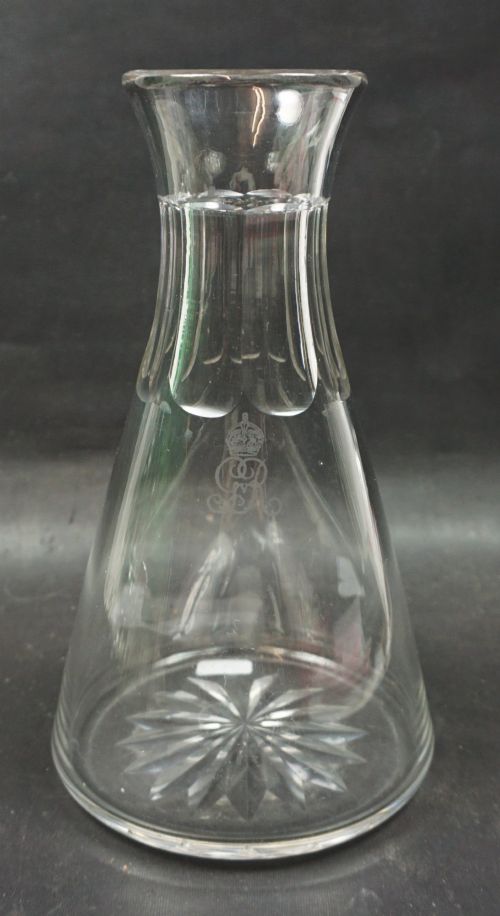
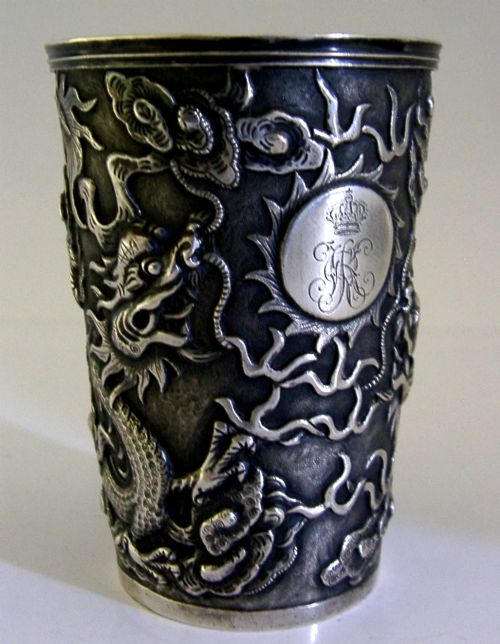
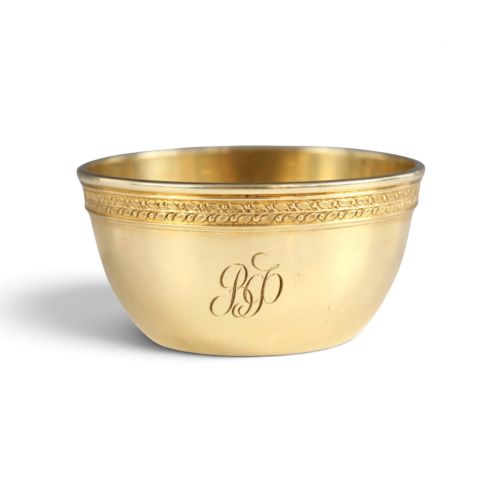
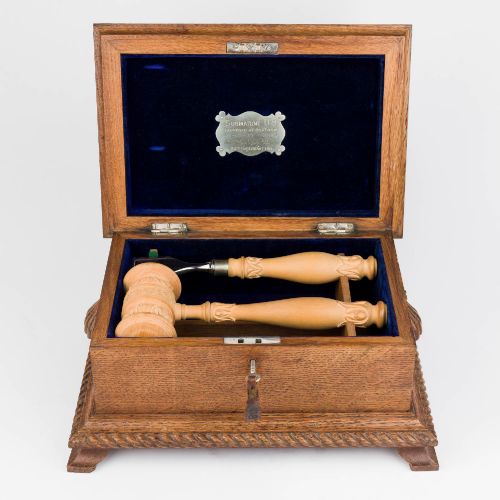
Many items incorporate framing materials such as wood and gold leaf, while related royal presentation pieces utilise lead crystal glass, sterling silver, and mahogany. Master printmakers often worked after paintings by renowned court artists, translating canvas oils into sharp, permanent impressions.
Antique Royal Engraving Retail Price Guide 2026
Typical asking prices for royal engraving among the pieces listed under this phrase on Sellingantiques today, from the lower quarter to the upper quarter. They describe what is for sale here now, not the wider market.
Listings feature paper, ink, wood, and gold leaf spanning the eighteenth century to the interwar period.
Evaluating quality
Quality rests upon the crispness of the impression and the depth of the tonal range left by the original plate. Early impressions pulled before the copper plate wore down exhibit sharper details in facial expressions and regalia, whereas later strikes lose fine definition.
The reputation of the engraver and the prestige of the original artist heavily influence the standing of a piece. Well-preserved margins on the paper and skilled contemporary framing elevate the overall presence of the work within a collection.
Rowland Ward Ltd·John Jones·Sir Joshua Reynolds·Stephan Wekeva·John Smith·G. Kneller·Thomas Murray·Edward·John Faber Snr·Hans Holbein the Younger·Purcell·James McArdell·Jeremiah Meyer·Sir Godfrey Kneller·Richard Purcell·Alfred Clark
The Antique Royal Engraving Glossary
- Mezzotint
- A printmaking process where the copper plate is roughened uniformly to produce dark tones, then scraped and burnished to create highlights. This technique allows for exceptionally smooth gradations of light and shadow.
- Engraving
- A method of cutting design lines directly into a metal plate using a sharp tool called a burin. The resulting grooves hold ink for transfer under pressure to paper.
- Georgian
- A stylistic period spanning the reigns of the four British monarchs named George, characterised by classical symmetry and refined craftsmanship. Items from this era often display elegant proportions and detailed ornamentation.
- Victorian
- The era spanning the reign of Queen Victoria, marked by diverse revivals of historical styles and industrial manufacturing growth. Prints and decorative objects from this time frequently celebrate national pageantry and empire.
- Lithograph
- A planographic printing process using a flat stone or metal plate treated to repel or accept ink based on greasy image areas. It enabled rapid reproduction of detailed royal portraits and event scenes in the nineteenth century.
Antique Royal Engraving: Frequently Asked Questions
How do I identify an 18th-century engraving?
Look closely at the paper stock, watermark, and printing ink characteristics common to the period. Eighteenth-century sheets typically feature hand-laid paper with visible chain lines.
Examine the lettering beneath the image for contemporary publisher details and publication dates. The style of the script and the clothing depicted in the portrait also offer reliable dating clues.
What is a mezzotint portrait?
A mezzotint is a specialised printmaking method that builds rich, velvety dark backgrounds and subtle facial highlights. Instead of relying purely on line work, the artisan works from dark to light.
This technique was particularly favoured for royal portraiture because it captured the luxurious textures of silk, fur, and powdered wigs with remarkable realism.
How should I frame historic paper art?
Protect your print by using acid-free matting materials and UV-filtering glass to prevent fading from light exposure. Direct contact between the paper surface and the glass causes permanent moisture damage.
Consult a professional framer experienced in handling antique works on paper to ensure proper hinging and reversible mounting techniques are used.
Where were these royal prints displayed?
Historic royal prints typically hung in the libraries, parlours, and drawing rooms of country houses and town residences. They served to signal political allegiance, patriotism, and social standing.
Today, they suit studies, hallways, and living spaces where traditional decor highlights historical portraiture and period craftsmanship.