
Antique Round Pedestal Stand
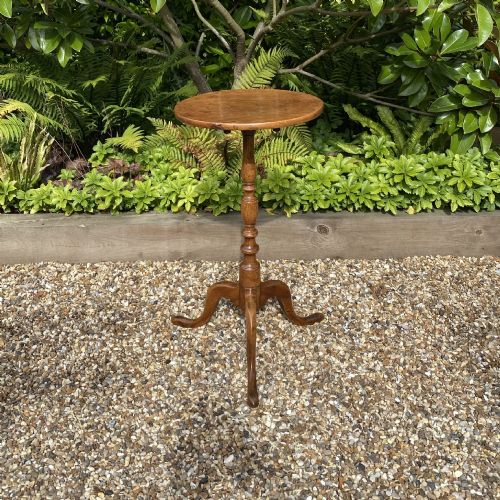
An antique round pedestal stand offers a compact surface raised on a single pillar, perfectly suited for holding a lamp, wine glass or plant.
Antique Round Pedestal Stand
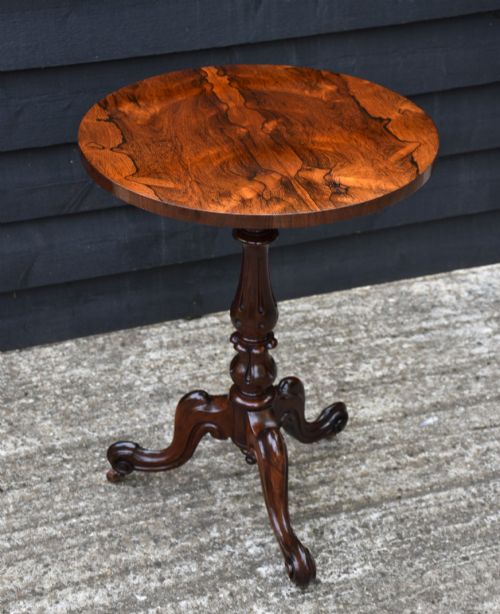
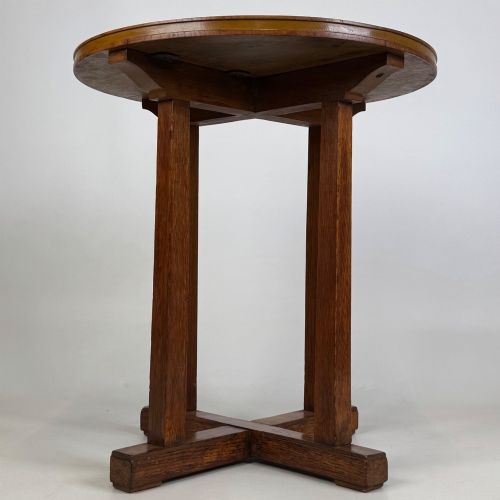
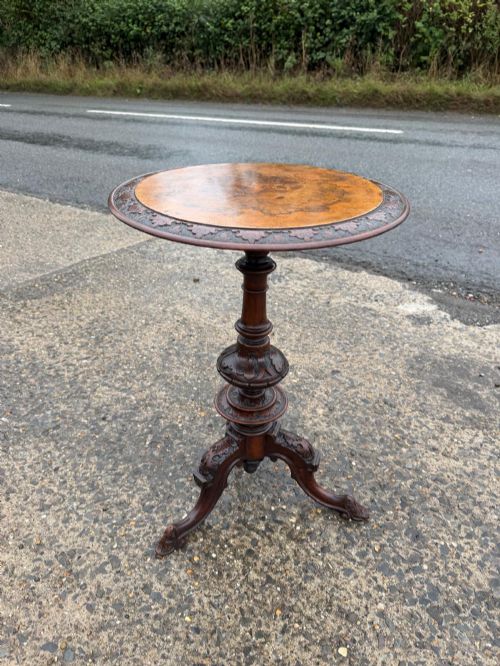
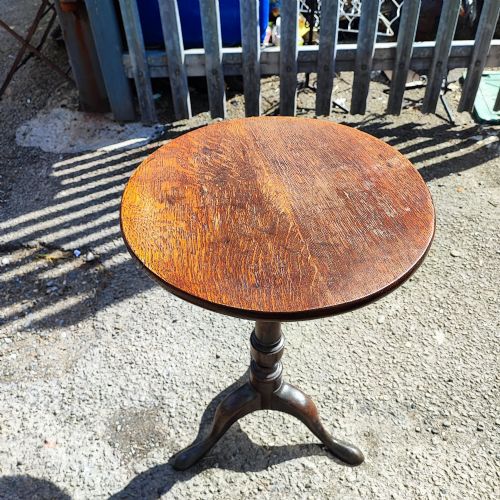
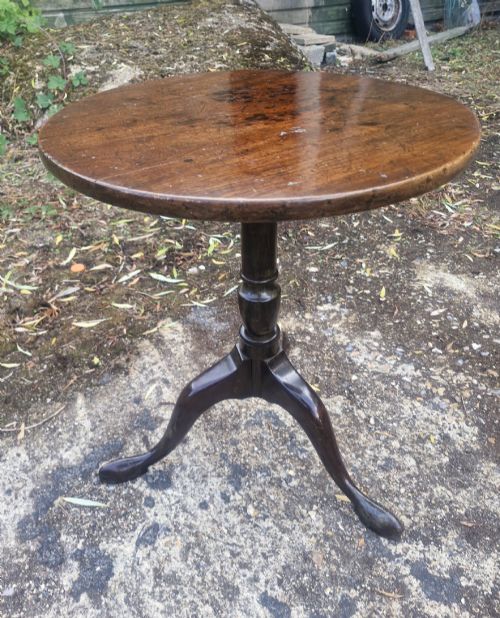
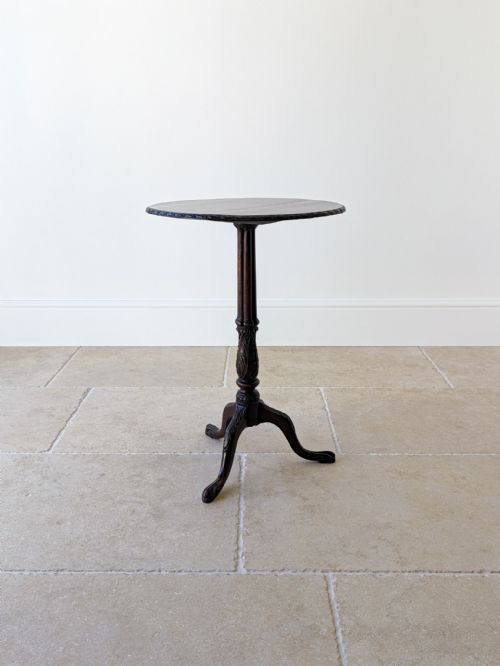
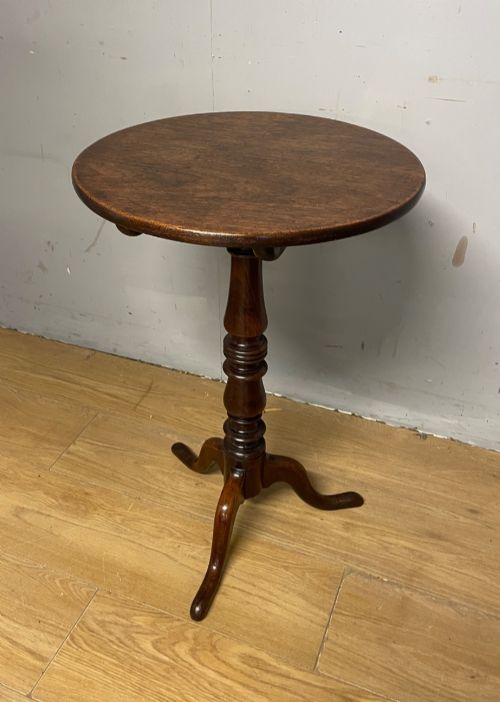
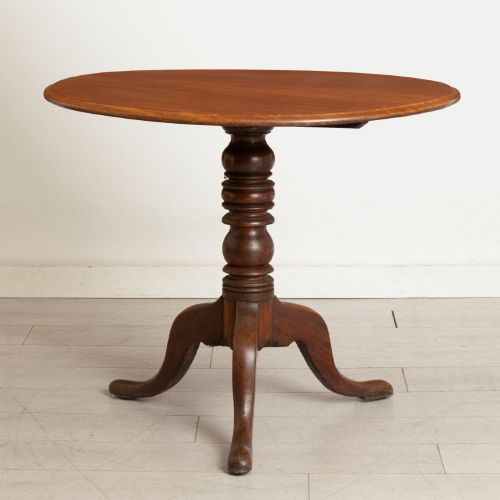
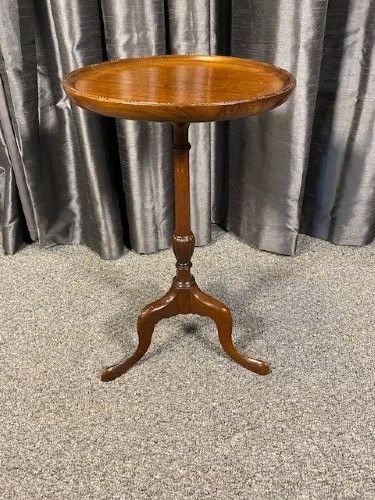
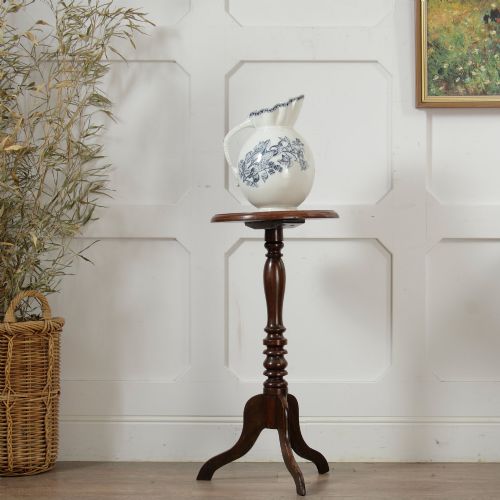
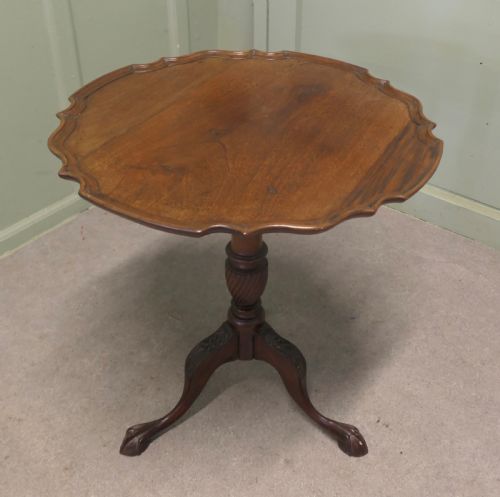
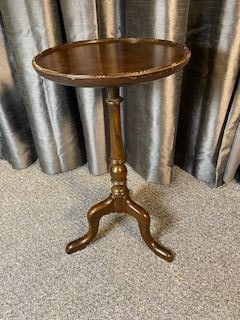
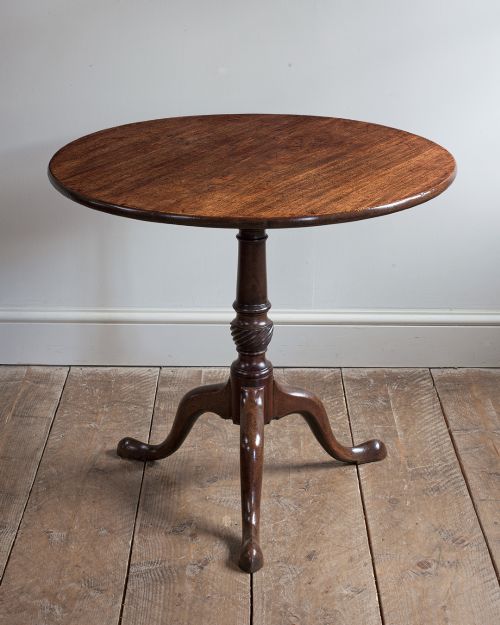
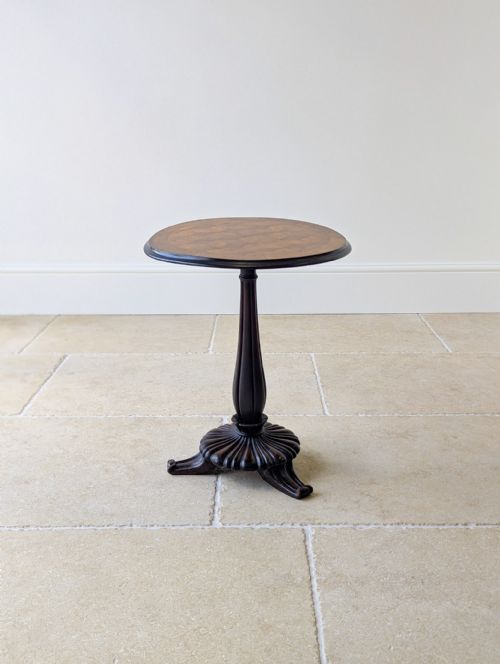
An antique round pedestal stand generally takes the form of a small table designed for occasional use in sitting rooms and parlours. The listings show forms designated as wine tables, lamp tables, side tables and plant stands, often supported by three tripod legs radiating from a central pillar.
Most examples encountered here date from the Georgian, Victorian and Edwardian periods, constructed in mahogany, walnut, oak and rosewood. These pieces served flexible domestic roles, moving easily beside a chair or into a corner.
Earlier iterations from the eighteenth century frequently incorporate a tilt-top mechanism or birdcage action, allowing the top to pivot or fold away when not in use.
How they were made
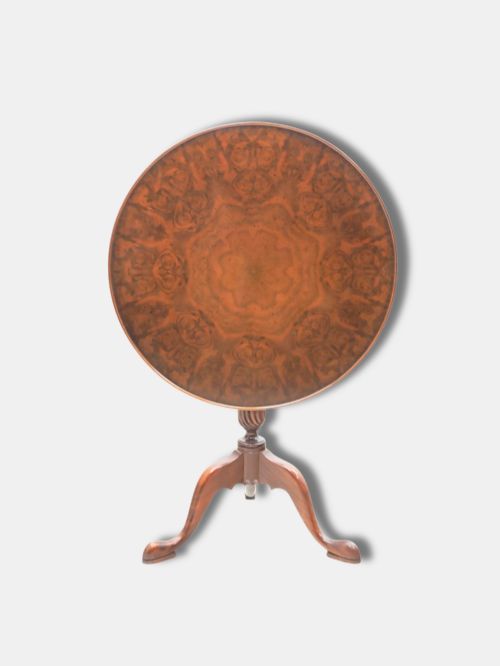
Cabinetmakers constructed these stands predominantly from dense hardwoods such as mahogany, walnut and oak, occasionally selecting burr veneers for the tops to highlight dramatic grain patterns. Turned central pedestals met three splayed legs through sturdy tenon or dovetail joints.
Many tops featured pivoted mechanisms known as tilt-tops, secured in the horizontal position by a brass catch or wooden peg. Decorative elements ranged from simple dish tops and pie-crust edges to barley twist stems and cast ormolu mounts.
Some nineteenth-century makers doubled the utility of the form by crafting pedestals that served simultaneously as miniature planters and figure stands.
What varies in quality
The refinement of the timber selection and the crispness of the turning on the central column set finer examples apart from simpler utility pieces. Well-made stands exhibit balanced proportions where the reach of the tripod legs provides stable support without appearing heavy.
Original mechanisms, such as working birdcage attachments or tight tilt-top catches, indicate superior workshop execution. The integration of figured veneers like burr wood or rosewood also elevates the standing of an individual piece.
The Antique Round Pedestal Stand Glossary
- Tripod table
- A small occasional table supported by a central pillar resting on three legs. This arrangement ensured the table remained stable on uneven eighteenth and nineteenth-century floors.
- Tilt-top
- A table top attached to a hinge mechanism that allows it to fold vertically. This design enabled the furniture to be stored flat against a wall when not in active use.
- Birdcage
- A revolving wooden framework beneath a tilt-top that allows the top to both rotate and pivot. It represents a more complex piece of joinery found on finer Georgian examples.
- Pie-crust edge
- A raised, decoratively carved rim shaped around the perimeter of a wooden table top. Cabinetmakers shaped these borders by hand from solid timber.
- Barley twist
- A spiral turning resembling a twisted rope, carved into the central pedestal of Victorian stands. This decorative turning technique added vertical visual movement to heavy woods like walnut.
Antique Round Pedestal Stand: Frequently Asked Questions
What is a wine table?
A wine table is a small antique pedestal stand traditionally used in the eighteenth and nineteenth centuries to hold a glass or bottle near a seating area.
These portable pieces were easily moved around a room to serve guests during evening gatherings.
What is a birdcage action?
The birdcage action is a specialised wooden assembly situated beneath the table top, consisting of small spindles that permit the top to rotate independently of the pedestal.
This mechanical detail is typically associated with better quality eighteenth-century tripod stands.
Are these stands stable on carpets?
Tripod bases with three splayed legs generally maintain good contact on firm surfaces, though thick modern carpets can introduce a slight wobble to lighter tables.
Placing them on hard flooring or flat rugs ensures the central weight distribution functions as intended.