
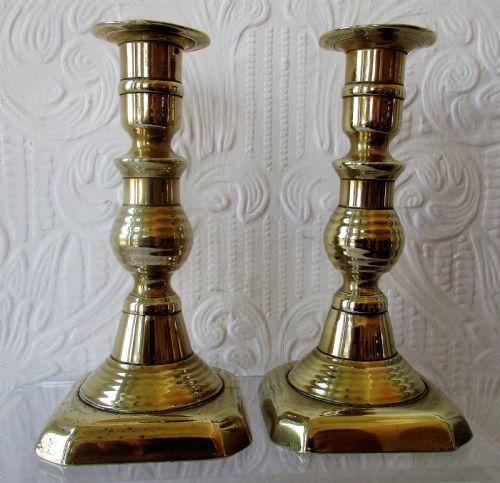


Victorian Turned Stem Table
These Victorian turned stem table designs offer compact utility and sculptural pedestals, bringing genuine nineteenth-century character to modern rooms.
Victorian Turned Stem Table
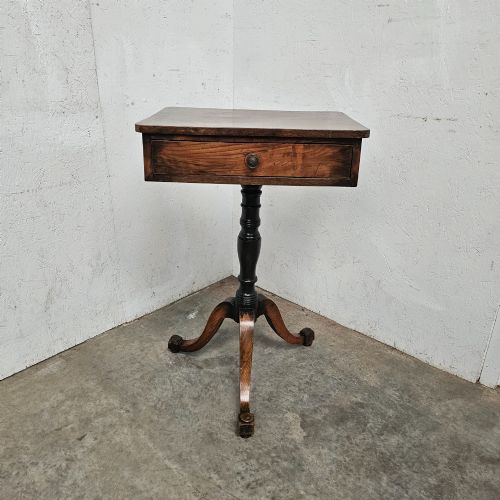
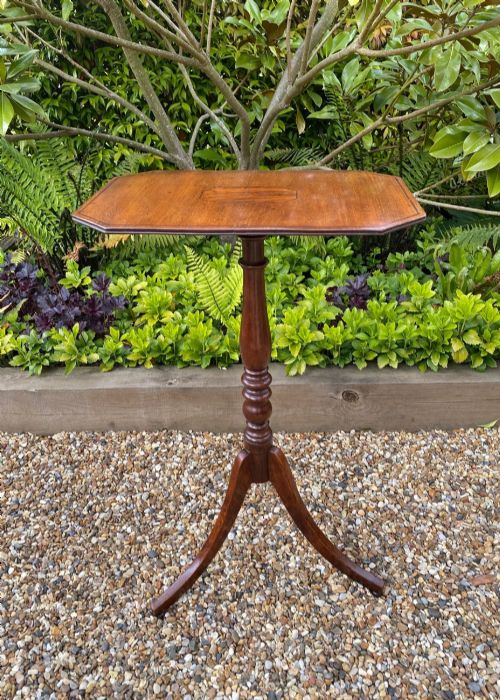
A Victorian turned stem table typically takes the form of a compact occasional, wine or lamp table supported by a central pedestal pillar. These pieces serve practical roles beside seating while introducing distinct period craftsmanship into domestic spaces.
Beyond standard side tables, related pedestals and stands share similar turned structural columns and tripod bases. Buyers frequently encounter wine tables and reading stands that utilise the same central pillar construction.
Materials and Construction
Cabinetmakers utilised dense hardwoods including mahogany, oak and rosewood alongside regional timbers like elm and cherry wood for stability. Selected pieces incorporate wood inlay or specimen wood sunburst tops to create visual contrast on the upper surface.
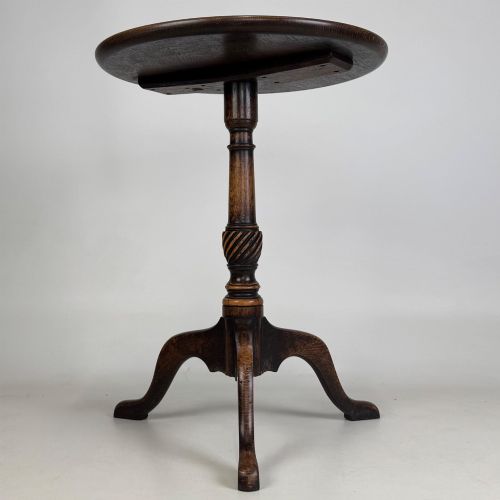
Turning lathes shaped the central vertical stems into rhythmic profiles, supporting round tops via secure block and tripod bracket assemblies. Certain variants employ tilt-top mechanisms allowing the surface to fold vertical when not in use.
Grading Quality and Execution
Superior examples display carefully selected timber grains and precise lathe work on the central column, maintaining tight joinery at the tripod joints. Lesser pieces rely on simpler construction with plain secondary woods and heavier, less refined turning.
The integration of decorative elements such as specimen wood marquetry or marble inserts distinguishes higher-grade furnishing pieces from everyday utilitarian stands. Proportions between the top, turned stem and leg spread dictate the visual balance of each individual item.
The Victorian Turned Stem Table Glossary
- Turned stem
- A vertical wooden pillar shaped on a lathe to create cylindrical, vase or baluster profiles. This central column supports the table top and anchors the tripod legs.
- Tripod base
- A three-legged support system radiating from the base of the central pedestal. This configuration ensures stability on uneven floors.
- Tilt top
- A hinged mechanism connecting the table top to the stem allowing the surface to tilt flat. It enabled compact storage against walls in period interiors.
- Occasional table
- A small, portable piece of furniture designed for specific, intermittent use around a room. These versatile tables function as lamp stands or small tea supports.
- Specimen wood
- An arrangement of multiple contrasting timber species utilised to form geometric patterns or pictorial motifs. This decorative technique highlights the natural colour variations of various woods.
Victorian Turned Stem Table: Frequently Asked Questions
Where should I place a small pedestal table?
These compact tables fit easily beside armchairs, sofas or in unused corners where surface space is limited. Their small footprints allow them to function effectively as lamp stands or drink supports without crowding a room.
Because the central stem and tripod base leave floor space open around the perimeter, the tables maintain an airy feel even in modest spaces.
How do I identify a nineteenth-century pedestal table?
Examine the timber species, construction joints and the profile of the turned stem for period characteristics. Nineteenth-century makers typically relied on dense hardwoods like mahogany and elm combined with traditional hand joinery.
Tool marks on the underside of the top and wear patterns around the central pillar further indicate age and genuine period manufacture.
What is the difference between a wine table and a side table?
Wine tables generally feature smaller circular tops specifically proportioned to hold a single glass and bottle. Side tables offer larger surfaces suitable for lamps, books and decorative objects.
Both forms utilise similar turned stem and tripod support structures, differing primarily in the scale of the upper surface.
Can I use a tilt-top table flat?
Tilt-top tables include a locking catch or brass latch beneath the surface to secure the top in a horizontal position for normal use. When unlocked, the surface pivots vertically for convenient storage against a wall.
Checking this mechanism ensures the top remains stable and level when engaged for daily use.